
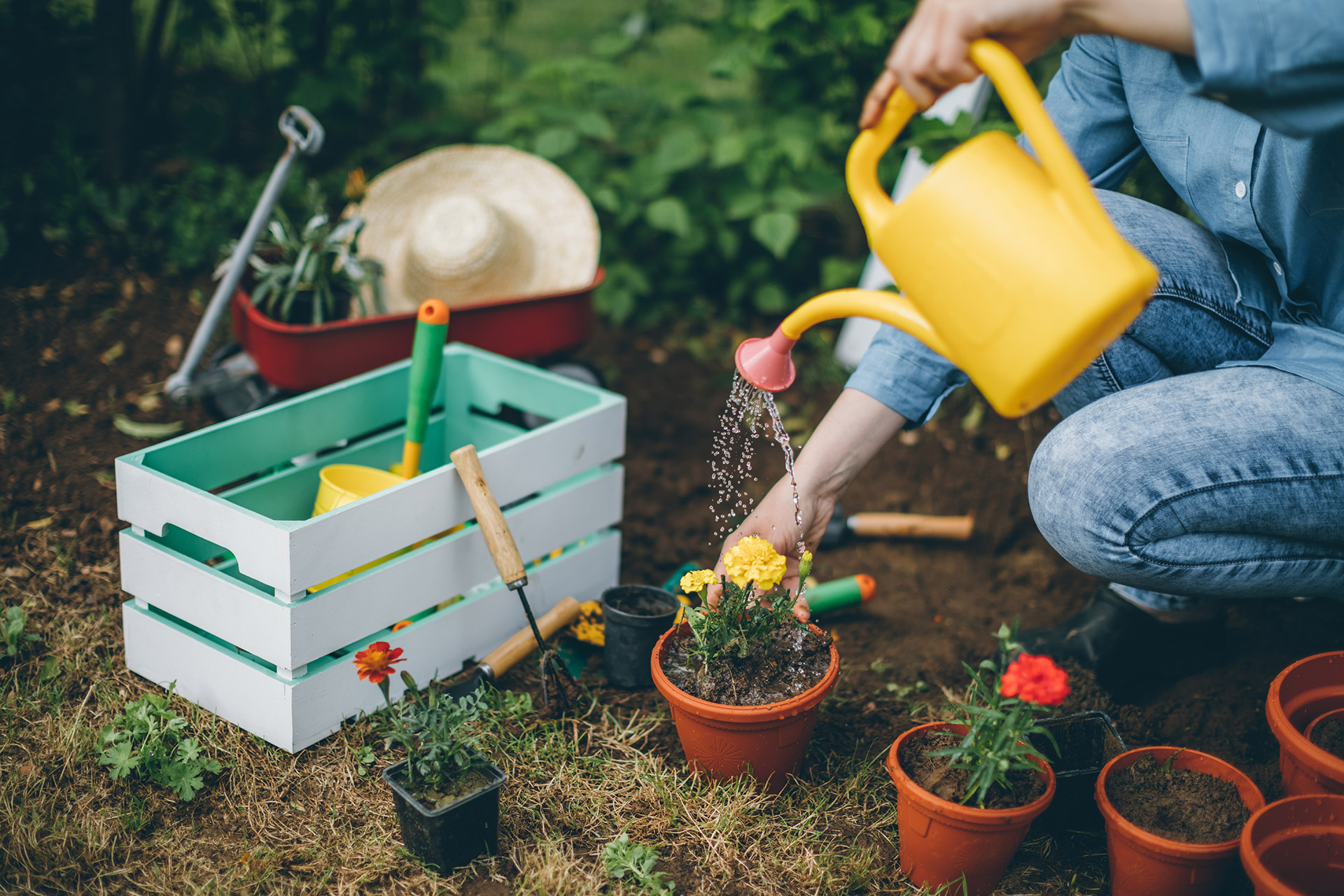
April is the point when the garden starts to look as if we can finally do everything. And that is exactly the trap.
One sunny day, green growth everywhere, and suddenly I want to plant, feed, move and organize half the garden. After enough springs like that, I have learned that the best thing I can do in April is work in the right order.
I do not treat April as the beginning of a race. I do not care if someone else has already planted out tomatoes while mine are still protected. I care about my soil, the nighttime temperatures and whether the plants are actually ready.
This is also the month when small decisions start to have much larger consequences. A few hours spent improving the soil, pulling weeds while they are still small or repairing an irrigation line can save considerably more work in May and June.
I Start With What Winter Left Behind
My first job is not planting. I look at the garden as a whole. I clear away dry plant material, tidy the edges of the beds and check where the soil is ready to work and where it is still too wet.
This is also a good time to check all the small things that suddenly become urgent in summer: stakes, supports, hoses, drip irrigation, outdoor faucets, pots and empty containers.
If something needs moving, or the layout of a particular bed did not work well last summer, I would rather solve it now while the garden is still relatively open.
The Soil Needs Preparation, Not Panic Fertilizing
By April the first plants are already growing, and it is very easy to feel that we should give them “something for strength.” I look at the soil first.
When its structure is good, I have far fewer problems later. I add mature compost and, where necessary, well-decomposed organic matter. I also use worm castings, but not as a substitute for healthy soil.
If I have a real reason to suspect a pH problem or a nutrient deficiency, I prefer a soil test rather than adding dolomitic lime, lime or mineral fertilizers by guesswork.
In April I Sow More, but Still Not Everything
The calendar is only a guide here. In one year April can feel almost like May, while in another the nights remain unpleasantly cold. I pay attention to the conditions in my own garden.
Cool-season crops can usually move ahead, but warm-season vegetables do not automatically get permission to go outdoors simply because the calendar says April.
| Crop | How I Approach It in April |
|---|---|
| Lettuce and spinach | I continue sowing smaller amounts at intervals instead of planting everything at once. |
| Radishes | They are useful for quick early sowings before the weather becomes too warm. |
| Carrots | I direct-sow them when the soil is loose enough to work and not waterlogged. |
| Parsley and dill | Both can be direct-sown and gradually begin filling the early beds. |
| Onions | They can usually be part of spring planting when local soil and weather conditions are suitable. |
| Tomatoes, peppers and eggplants | I watch nighttime temperatures and frost risk. I do not permanently move them outside just because we have had one warm day. |
| Cucumbers and zucchini | I wait for reliably warmer conditions, because cold soil and low temperatures do them no favors. |
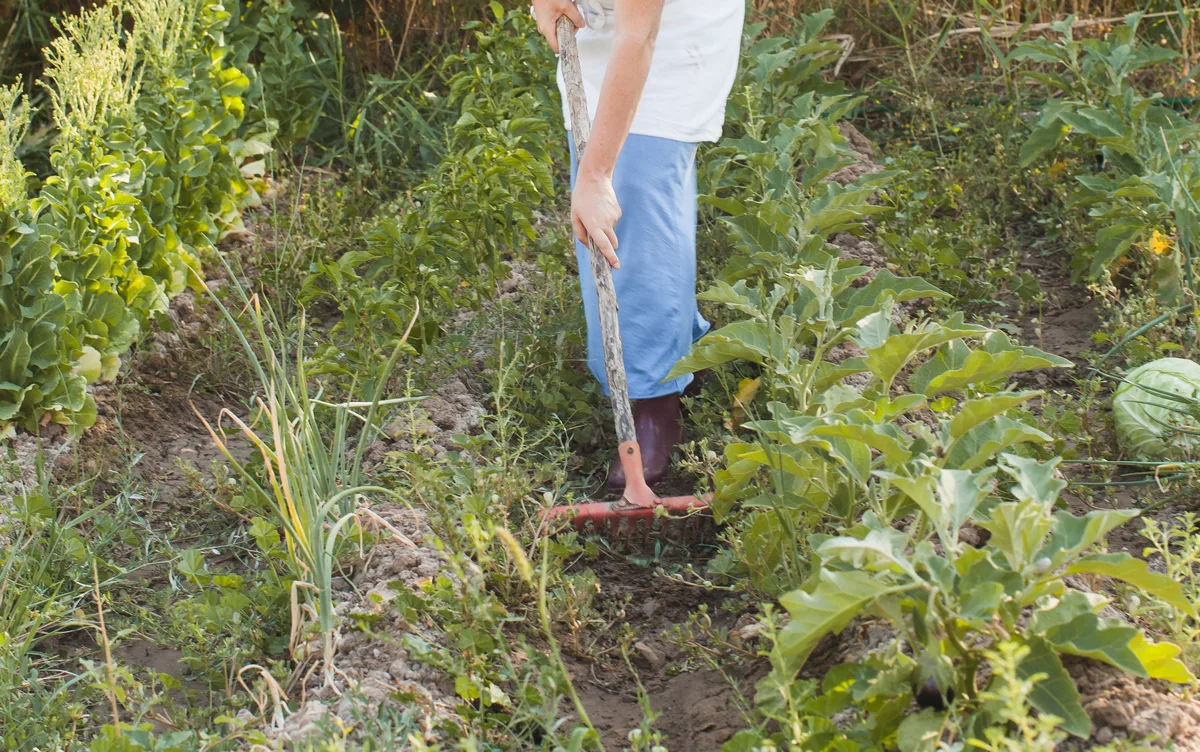
Meanwhile, the weeds are starting too. At this stage they are small, shallow-rooted and relatively easy to remove. It is one of those boring April jobs that suddenly seems much more sensible when I remember what the same weeds look like in May.
Seedlings Need to Gradually Stop Being Houseplants
Until now, I have mostly been concerned with whether the seedlings are growing well. In April, I start thinking about whether they are actually capable of living outside.
Light through a window has very little in common with strong spring sunlight. The same is true of wind, changing temperatures and cooler nights.
So I begin hardening them off gradually. At first I take the plants outside for short periods in a sheltered position. Then I increase the time they spend outdoors and gradually expose them to more sunlight.
A strong seedling on a windowsill does not automatically become a strong plant in the garden. There is a period of adjustment between the two.
Hardening off seedlings, taking them outside on suitable days and gradually introducing them to real outdoor conditions.
To permanently plant warm-season vegetables if the nights remain cold or the forecast still shows a risk of frost.
If my own seedlings are weak, excessively leggy or I simply started them too late, I am perfectly happy to buy healthy transplants. That seems much more sensible to me than spending two months trying to rescue a plant that had a poor start from the beginning.
April Is the Time to Prevent Future Problems
Some of the most useful jobs I do in April have nothing to do with buying new plants.
This is when I check whether the systems around the garden are ready for the more demanding months ahead.
- I check the drip irrigation and hoses.
- I clean blocked emitters and connections.
- I prepare stakes and supports before I urgently need them.
- I clean pots and check their drainage holes.
- I refresh the potting mix in containers where necessary.
- I remove young weeds before they become firmly established.
- I keep frost cloth ready when a cold night is forecast.
April can feel like spring during the day and like a completely different season at night. With sensitive plants, I always pay attention to the forecast minimum, not only to a beautiful warm afternoon.
I Do Not Try to Speed Everything Up With Fertilizer and Water
Once plants start growing, the natural impulse is to give them more. More water, more fertilizer, more of whatever promises a quick result.
This is where I prefer a little restraint. If the soil has been prepared properly and the plant looks healthy, I see no reason to feed it automatically.
With nitrogen fertilizers in particular, more does not necessarily mean better. Producing a lot of soft green growth is not the same thing as building a strong, balanced plant.
Watering is similar. During cool April weather, the soil can hold moisture much longer than we expect. I water according to the soil and the plants, not according to a summer schedule.
By the End of April I Am Already Planning for May
Toward the end of the month, I start looking at the garden not as it appears today, but as it will look four weeks from now.
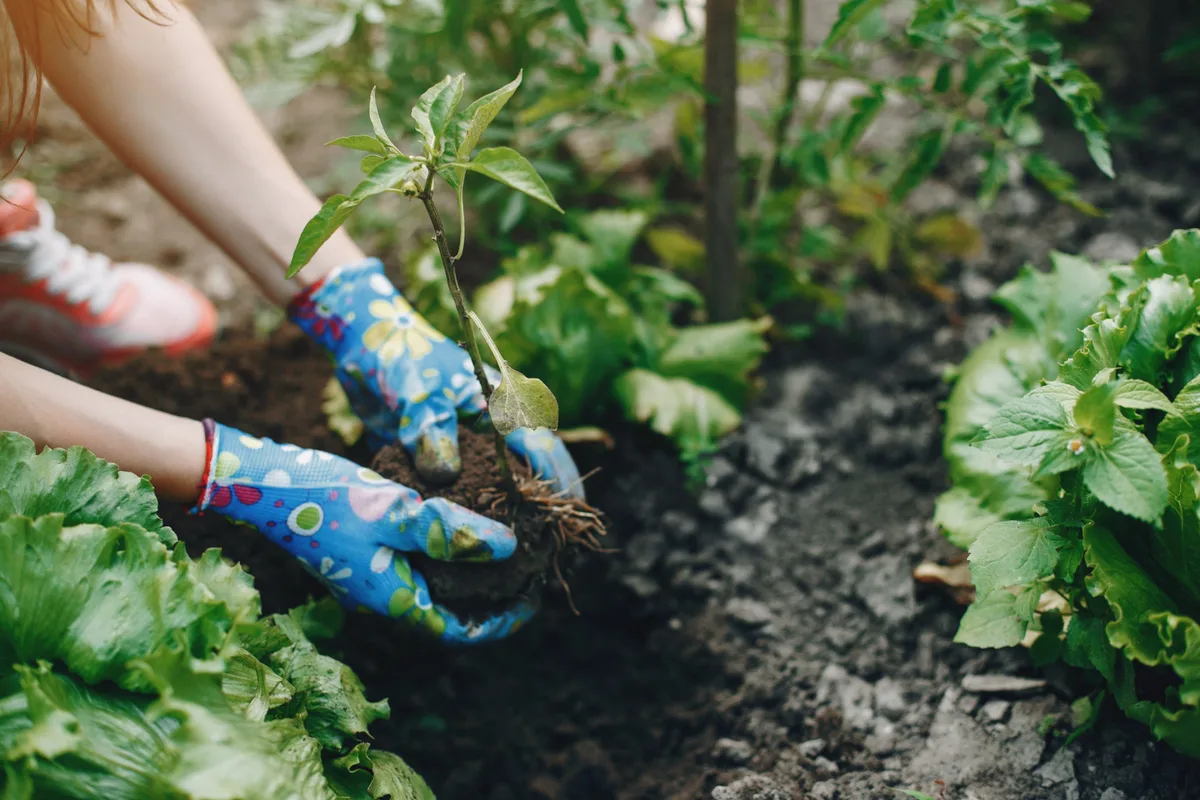
This matters because a small plant that looks lost in an enormous bed today can become two feet wide surprisingly quickly.
So I do not fill every empty space. I leave enough room for airflow, think about where supports will be needed and make sure I will still be able to move around when the plants are mature.
If the soil has warmed and is beginning to lose moisture more quickly, I also start thinking about mulch. I do not rush to cover cold, wet soil, but once conditions are suitable, mulch can help reduce evaporation and suppress some weeds.
What I Actually Want Ready by the End of April
Not an enormous number of planted vegetables. I want a well-prepared foundation.
I want the beds organized. The soil ready. Early crops growing. Seedlings hardening off. The irrigation system working. And warm-season plants still waiting if the weather is not ready for them.
It may look less impressive than a garden hurriedly filled with plants, but by June the difference becomes very obvious.
For me, April is the month when I organize the foundation of the growing season: soil, early sowings, seedlings, irrigation, containers and protection from cold weather.
The most useful thing I have learned is not to confuse one warm day with the arrival of summer. In April, the gardener who does the most is not necessarily the one who gets the best result. What matters is doing the right things at the right time.