
Planting Peonies: How to Get Them Right So They Bloom for Decades
Peonies are perennial plants that become more lush and beautiful with every passing year — but only if they are planted properly from the very beginning.
In my own garden, they are among the most reliable plants I have. They do not need constant attention, they are not fussy, and over time they simply become more impressive. The only real condition is to give them a good start.
Most problems with peonies — lack of blooms, weak growth, or slow development — almost always come down to poor planting or low-quality roots.
That is why I have gathered the essentials here, without unnecessary theory — how to choose good planting material and how to plant a peony so it grows strongly and blooms for years.
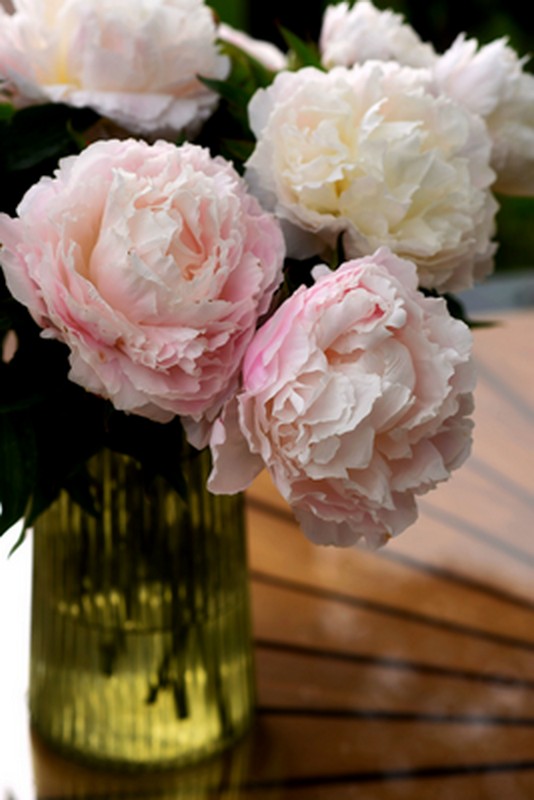
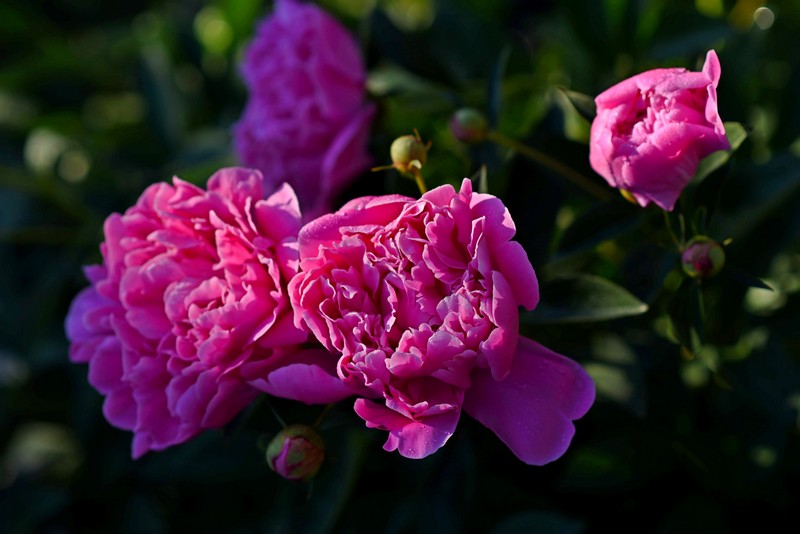
Types of Peonies
There are thousands of peony varieties, but in practice you will most often come across three main groups.
- Herbaceous peonies — the most common in home gardens. They usually grow around 80–100 cm tall and about as wide. These are the focus of this article, most often from the species Paeonia lactiflora.
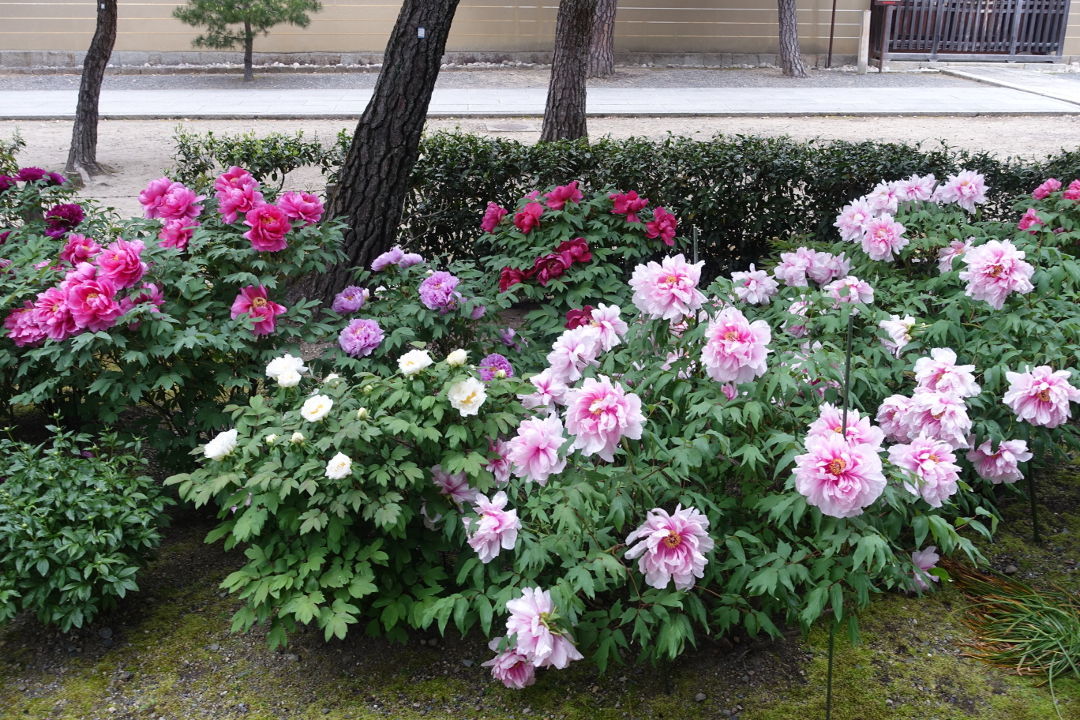
- Tree peonies — taller, wider, and with a woody structure.
- Intersectional (Itoh) peonies — a hybrid between herbaceous and tree peonies, less common but very impressive.
What Conditions Peonies Prefer
- Light: they do best in full sun, but they also grow well in partial shade.
- Climate: they are fully hardy and suitable for a wide range of climates.
- Soil: they grow well in most soils, but prefer heavier, fertile, clay-rich soil.
- Important detail: very acidic soil can cause problems.
- Main risk: water sitting around the roots, which can cause rot.
How Much Care They Need
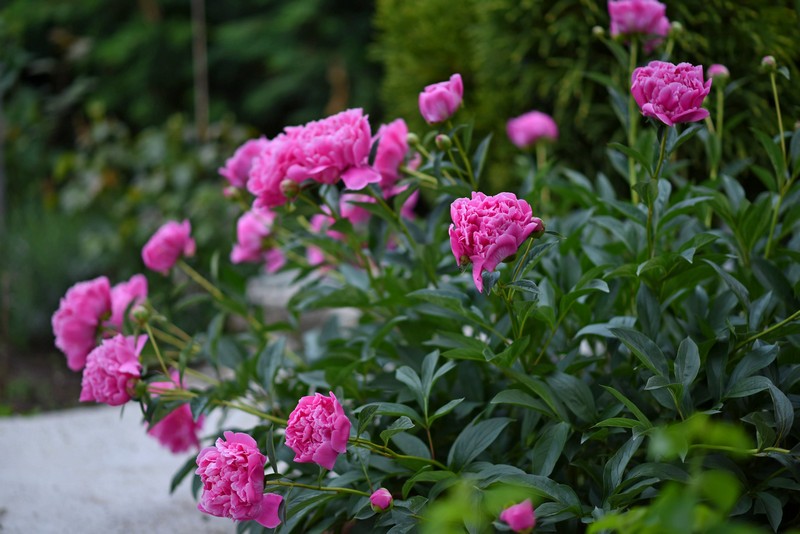
One of the biggest advantages of peonies is that they are surprisingly easy to grow.
- They tolerate drought and rarely need extra watering.
- They rarely suffer from disease and have almost no natural enemies.
- Maintenance is minimal — cleaning up in autumn and feeding twice a year.
- Most problems come from excess moisture, which can lead to fungal disease.
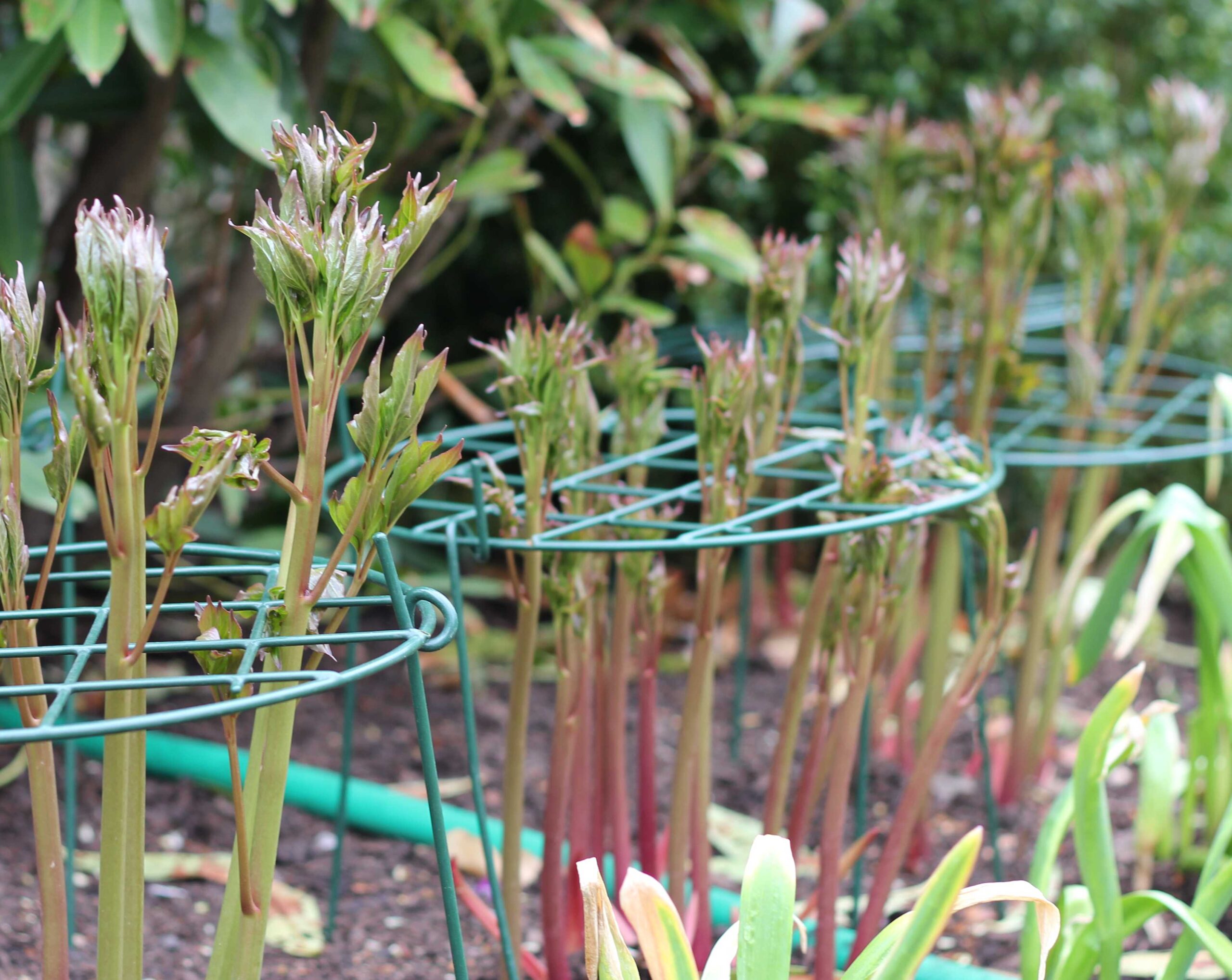

When They Bloom and What to Expect
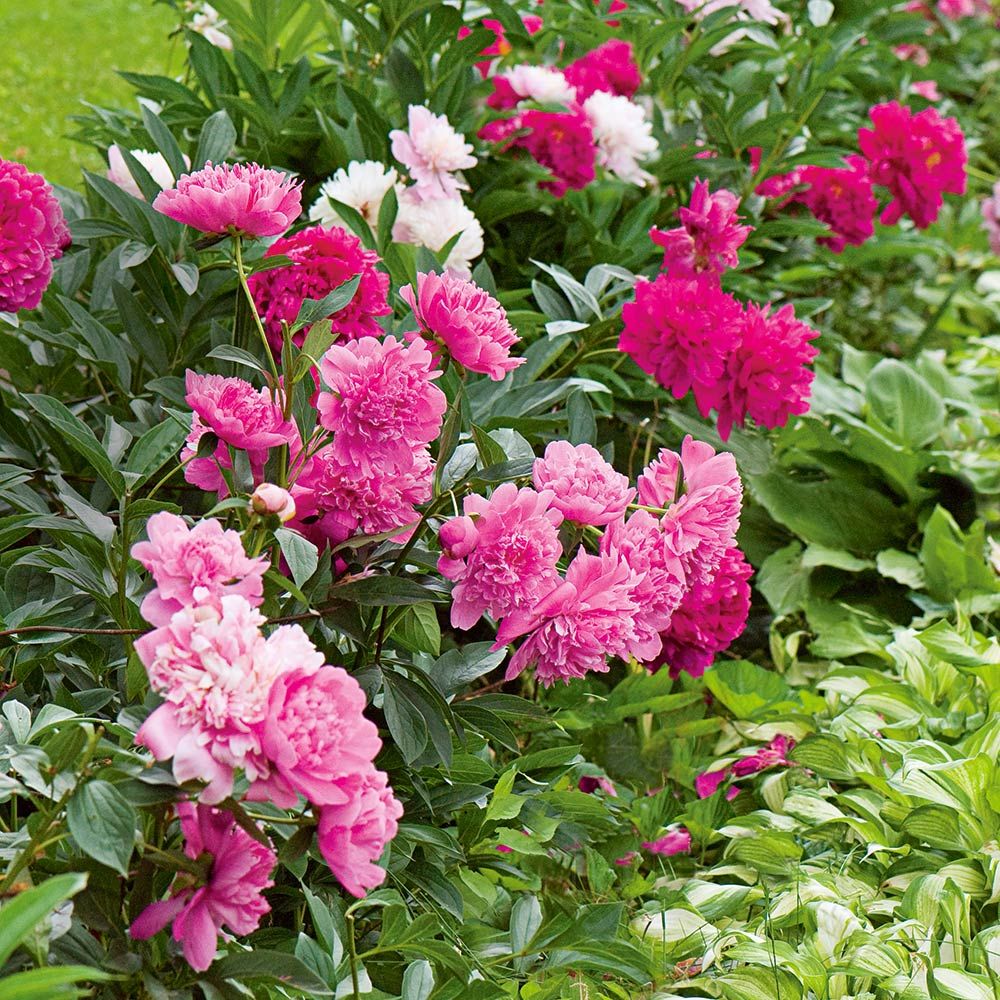
Most varieties bloom from late spring to early summer and can hold their flowers for around three to four weeks, depending on the variety and the weather.
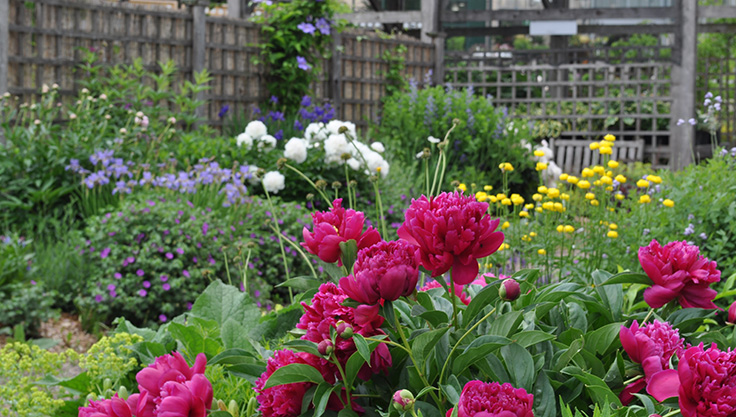
The flowers are large, striking, and often fragrant, but what matters even more with peonies is this: with time, the clump becomes larger, stronger, and far more beautiful.
How Peonies Are Sold
Peonies are most often sold in two forms:
- container-grown plants
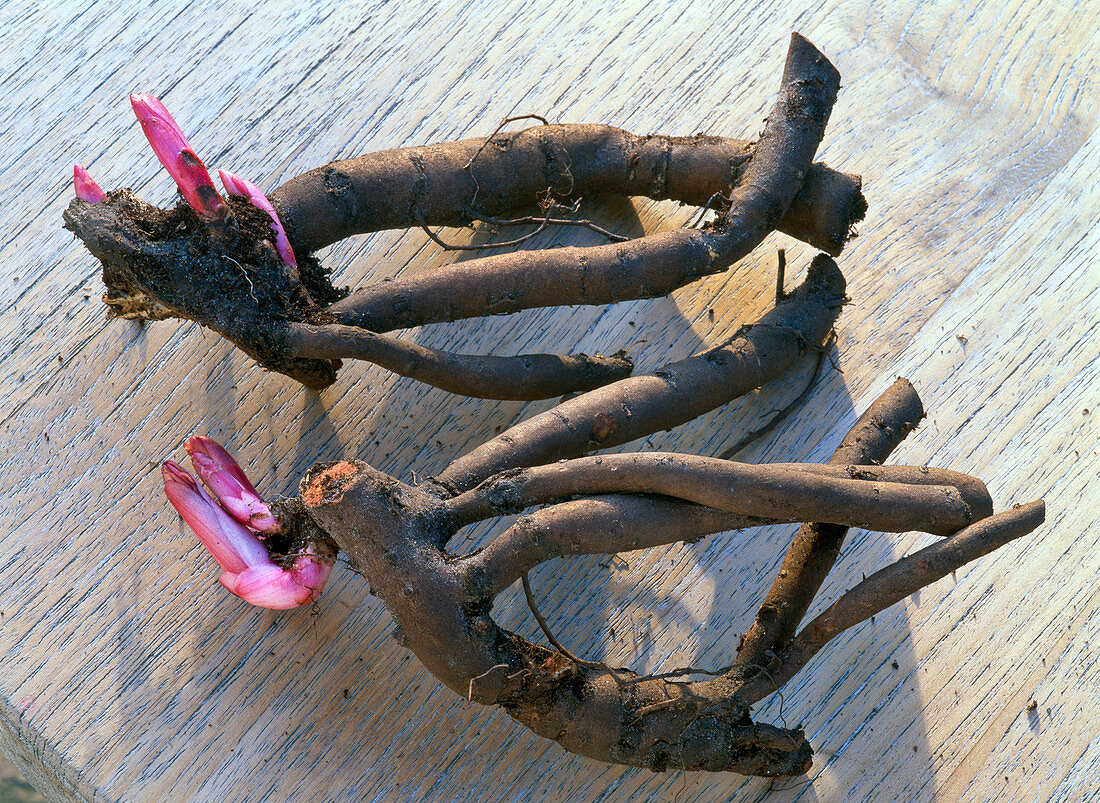
- bare root divisions
The cheaper option is almost always the bare root. But with peonies, price should not be the only thing you look at, because not all roots are of the same quality.
Why Root Quality Matters So Much
At first glance, a peony root may seem like something simple — lifted, cleaned, and ready for planting. In reality, there is a huge difference between a well-grown, properly prepared root and one produced through shortcuts.
When growers skip steps to reduce costs, it almost always affects quality:
- the plant starts more slowly
- it forms a weaker clump
- it flowers later
- it may be more prone to problems
How Quality Peony Roots Are Produced
To understand why some roots establish strongly while others struggle for years, it helps to know how good planting material is actually produced.
- Year 1 — carefully grown two-year-old roots are planted outdoors in autumn and cultivated using the standard method.
- Year 2 — the plants continue to build strength and develop a healthy root system.
- Year 3 — in autumn, the rootstock is lifted and divided in two; one part goes back into the field, while the other is planted separately and grown for another year for sale.
- Year 4 — the roots intended for sale are lifted, cleaned, and prepared.
Commercially grown roots are often produced in lighter, sandier soil because this makes lifting easier, keeps the roots cleaner, and reduces the risk of fungal disease.
When to Plant Peonies
Peonies can live up to 80 years, so it is worth planting them correctly from the very beginning.
The best time to plant peonies is autumn. The soil is still warm, but the air is cooler, which allows the plant to begin developing its root system calmly, without the stress of summer heat.
How to Plant Peonies in Autumn
- Choose the right spot — look for a place with at least 6 hours of sunlight a day from April to September.
- Check the drainage — choose a place where water does not sit. If the soil is heavy and wet, improve it with well-rotted compost and a little sand.
- Prepare the planting hole — dig a hole about 30 cm deep and 30 cm wide. Loosen the soil and add compost. If you have it, you can also add a little bone meal.
- Place the root correctly — the top bud should be covered with about 5 cm of soil. If you plant it too deeply, the peony may not flower for a long time.
- Firm the soil gently — the soil should sit closely around the root, without air pockets.
- Water moderately — only if the soil is dry. Do not turn the planting hole into mud.
If You Need to Plant a Peony in Spring
Autumn is the best season, but sometimes we buy a peony in spring and do not want to wait.
In that case, there are a few useful tricks. Peonies need lower temperatures in order to form their feeder roots well, so when planting in spring it helps to:
- give them some shade
- or plant them in a container first
- keep the container in the coolest, shadiest place in the garden for about a month
This gives the plant a chance to develop a root system before it goes into strong top growth. If it is planted straight into warm soil during hot weather, it often starts growing upwards, but uses up the stored energy in the root instead of establishing properly.
Should You Let a Peony Bloom in Its First Year?
It is not a good idea. As tempting as it may be, it is not recommended to let a peony bloom in its first year.
Supporting a flower bud takes energy from the plant and can weaken the root system. It is better for that energy to go into the roots rather than the flowers.
When the Plant Shows Its True Potential
A peony is not one of those plants that reveals everything in its first year.
Its full beauty and real potential usually become visible after the third year, when it is properly rooted and established.
It is entirely possible that in the first year it may not produce a flower bud at all. That does not mean something is wrong. Very often, it is simply a sign that the plant is first building a strong foundation.
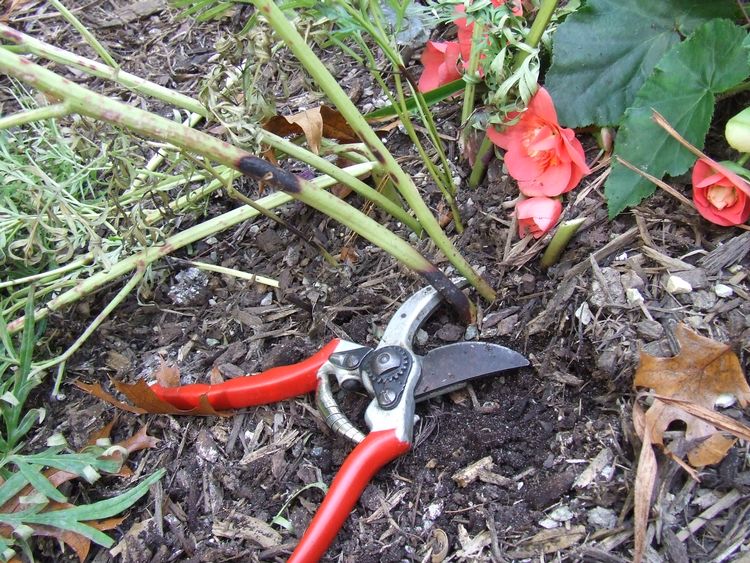
Once planted correctly, peonies are among the longest-living and easiest plants to grow in the garden. In late autumn, when the leaves and stems begin to die back — but not before — cut all stems low to the ground and clear away the fallen leaves.
After that, the best part begins: letting them do what they do best. With every passing year, they become fuller, stronger, and more beautiful.