
How I Fell in Love with Dahlias (And Why You Should Too)
There's a moment every summer when I stop what I'm doing and just stare at my dahlias. Not because I'm trying to be poetic. But because they're unapologetically, almost arrogantly beautiful. And the funny thing? They're not even that hard to grow.
I used to think dahlias were for "serious gardeners"—you know, the type with color-coded spreadsheets and a greenhouse. But then I realized something: dahlias don't care about your credentials. They just want warmth, sun, and someone who actually shows up for them.
So if you've been thinking about growing dahlias but weren't sure where to start, this is for you. Not the academic version. Just... what actually works.
The Timing Thing (Or: Why You Can't Rush Dahlias)
Here's the first rule: don't plant too early. I know, I know. Spring is exciting. You want to get everything in the ground yesterday. But dahlias are one of those plants that will literally rot if you plant them in cold soil. They're not being difficult—they're just being honest about what they need.
Plant dahlia tubers in spring, after the last frost. For most places, that's somewhere between April and early May. But the real guide? The soil. If it still feels cold and wet, wait. Your tubers will thank you.
I learned this the hard way. Planted too early once, lost half my tubers. Now I wait until the soil feels warm to the touch. It's worth the patience.
Where They Want to Live
Dahlias are sun worshippers. Full stop. Give them at least 6–8 hours of direct sun, and they'll reward you with blooms that keep coming until the first frost. Put them in partial shade, and you'll get a beautiful green plant with... not many flowers. Which defeats the purpose, right?
As for soil—they're not picky, but they do prefer it rich and well-draining. If your garden is heavy clay (like mine was), add compost. Lots of it. It makes a real difference. Think of it as giving them a comfortable bed instead of concrete.
And spacing? Give them room. About 20–28 inches apart. They need air circulation, and honestly, they look better when they're not crowded.
The Actual Planting Part
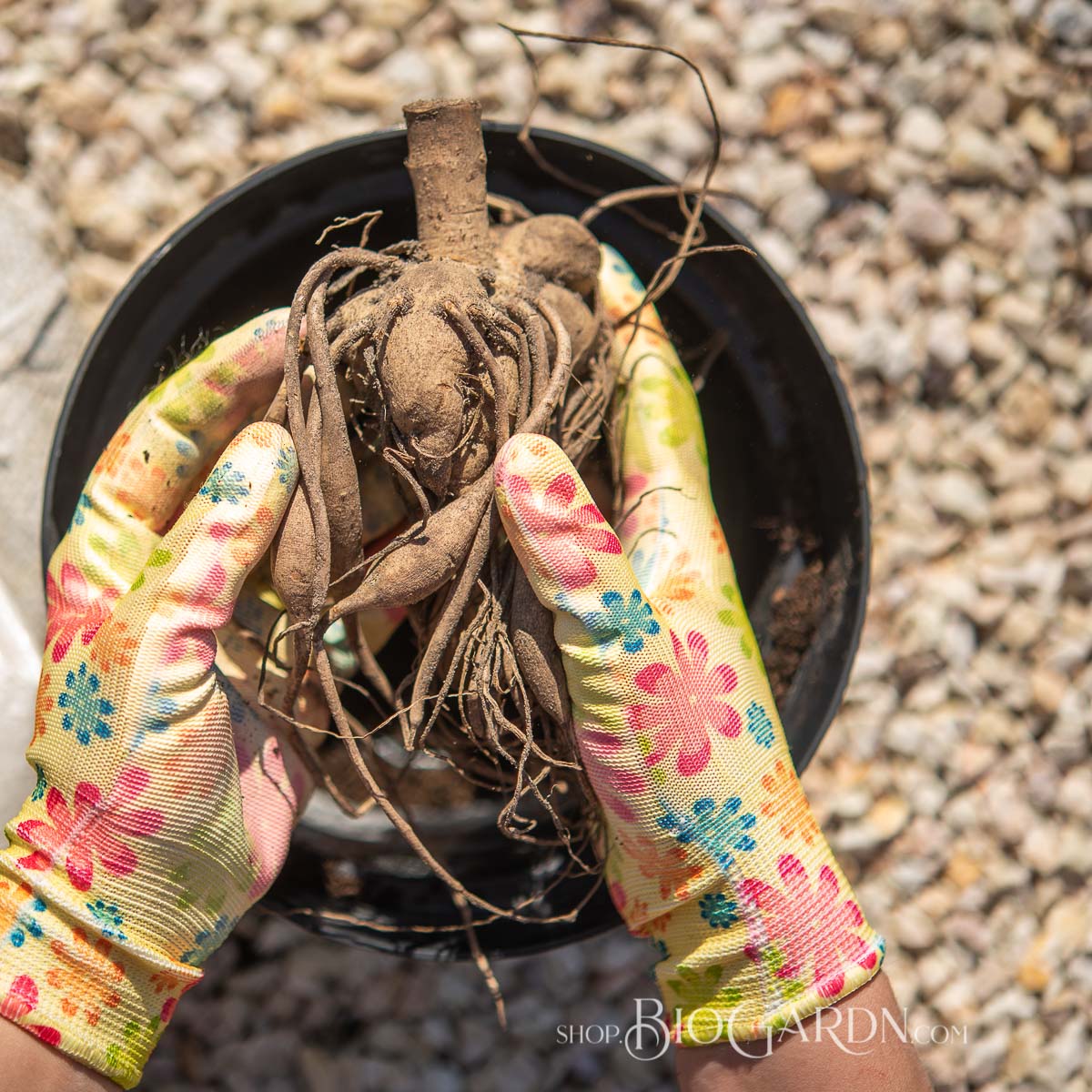
This is where it gets simple. Dig a hole about 12 inches deep and wide. Add some compost to the bottom. Place your tuber horizontally—and this matters—with the "eyes" (those little bumps) facing up. Cover it with soil, press gently, and water well.
That's it. Seriously. You don't need special potions or complicated rituals. Just soil, warmth, and water.
After They Start Growing (The Fun Part)
Once your dahlias start emerging—and they will, usually within a couple of weeks—the real relationship begins. And here's the thing: they're not demanding. They just want consistency.
Watering (Or: How to Keep Them Happy Without Obsessing)
Dahlias are thirsty. Not "water them once a week" thirsty. More like "check the soil regularly" thirsty. During hot summers, that might mean watering every few days. The goal is to keep the soil evenly moist—not soggy, not dry. It's a rhythm you figure out pretty quickly.
I water deeply in the morning, before the heat hits. It's become part of my routine, like coffee. And honestly? It's meditative. Standing there with the hose, watching the water soak in, knowing you're doing something good for these plants.
Feeding Them (Because They're Hungry)
For maximum blooms, feed your dahlias with a flowering fertilizer every couple of weeks once they start growing. Rich soil helps, but regular feeding? That's what turns "nice" dahlias into "wow, where did you get those?" dahlias.
I use a balanced fertilizer, nothing fancy. The point is consistency, not complexity.
Pinching (The Secret to Fuller Plants)
When your dahlia reaches about 12 inches tall, pinch off the top. I know it feels wrong—you're literally removing growth. But here's what happens: the plant branches out, gets bushier, and produces way more flowers.
It's counterintuitive, but it works. One pinch, and suddenly you have a full, abundant plant instead of a tall, skinny one.
Deadheading (Or: The More You Cut, The More You Get)
This is my favorite part. Removing faded flowers isn't just tidying up—it's telling the plant to make more blooms. And dahlias listen.
I cut mine for bouquets constantly. Living room, bedroom, kitchen—there are always dahlias somewhere. And the plant just keeps producing. It's almost generous.
When Things Go Wrong (They Usually Don't)
Honestly? Dahlias are pretty resilient. But sometimes you'll get aphids on the young shoots. Spray them with water, or use a gentle soap spray. Usually that's enough.
If you're getting lots of leaves but few flowers, it's probably too much shade. If the tubers rot before they grow, the soil was too wet or too cold. Dahlias are honest—they show you what they need.
When the Season Ends (Storing for Next Year)
After the first frost kills the foliage, cut the stems down to about 4 inches above the soil. Dig up the tubers carefully—they're precious, after all. Let them dry for a few days, then store them in dry sand or vermiculite in a cool place (around 50°F is ideal).
Come spring, you'll have tubers ready to plant again. And if you've done well, you might even have more than you started with. Dahlias multiply.
Why I Keep Growing Them
At the end of the day, dahlias aren't complicated. They're just honest. They want sun, good soil, water, and a little attention. Give them that, and they'll fill your garden with color from July until the first frost.
But more than that? They're a reminder that beautiful things don't have to be complicated. Sometimes they just need the right conditions and someone who shows up for them.
So if you've been thinking about growing dahlias, stop thinking. Plant them. Water them. Watch them grow. And then come back and tell me how many bouquets you've cut.