

Monserrate Palace in Sintra – the quiet place you fall in love with instantly
Sintra is one of those places you don’t just visit – you feel it. Soft, romantic, slightly unreal. And just away from the busy flow toward Pena Palace, we discovered one of the most beautiful and underrated places in the region: Palácio de Monserrate. If you are looking for something quieter, more refined, and deeply botanical, Monserrate deserves a place in your itinerary.
What you’ll find in this article
Why visit Monserrate in Sintra
Monserrate is one of those places that doesn’t shout for attention, but stays with you long after you leave. Often overlooked, it impresses with elegance, space and a quiet kind of beauty that never tries too hard. That, perhaps, is exactly why it feels so special – no rush, no theatrical crowd management, just presence.
Located in the Sintra region, Palácio de Monserrate feels like both an architectural fantasy and a botanical stage. If you love places where history and gardens intertwine, this is where you’ll want to linger.
Sometimes the most powerful places are not the most famous ones, but those just slightly off the main path.
A brief history of Monserrate Palace
The story of Monserrate begins in 1540, when friar Gaspar Preto built a small chapel dedicated to Our Lady of Monserrate. At the time, the land belonged to Lisbon’s Todos os Santos hospital and was intended as a garden space.
The estate went through periods of destruction and revival. The 1755 earthquake caused serious damage, leaving the place abandoned for years. Later, in 1789, English merchant Gerard De Visme acquired it and built a neo-Gothic structure. William Beckford followed, restoring parts of the estate, but eventually left it again.
Even in its ruined state, Monserrate attracted visitors – including Lord Byron, who wrote about it with admiration. Apparently, beautiful ruins have always been very good at making clever people dramatic.
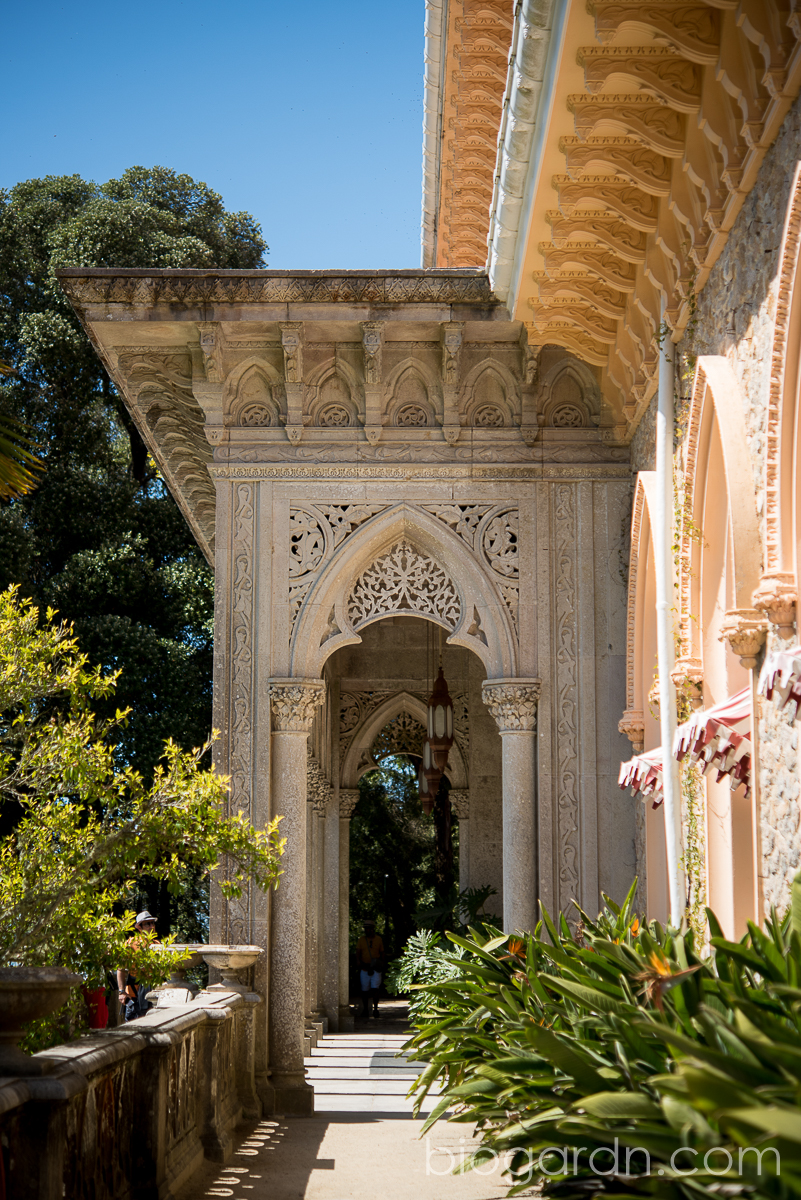
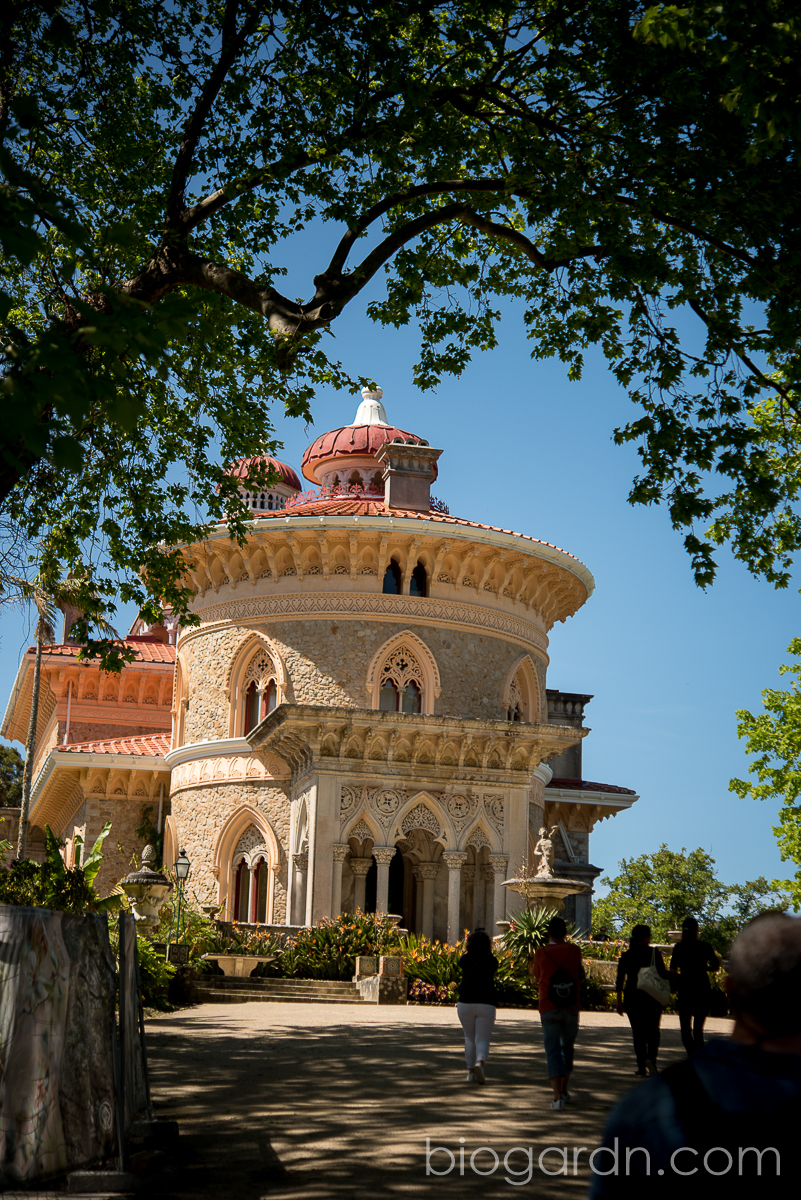
The golden era began in 1846, when Francis Cook transformed the estate into what we see today – a unique blend of Gothic, Moorish and Indian influences. The interiors are refined and fluid, leading the eye naturally toward the gardens.

Monserrate Gardens – a botanical journey
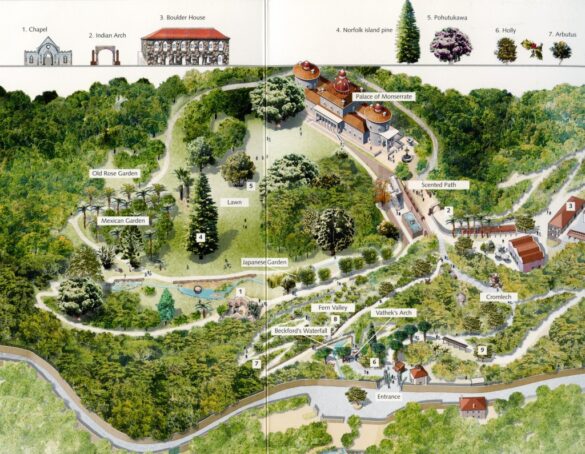
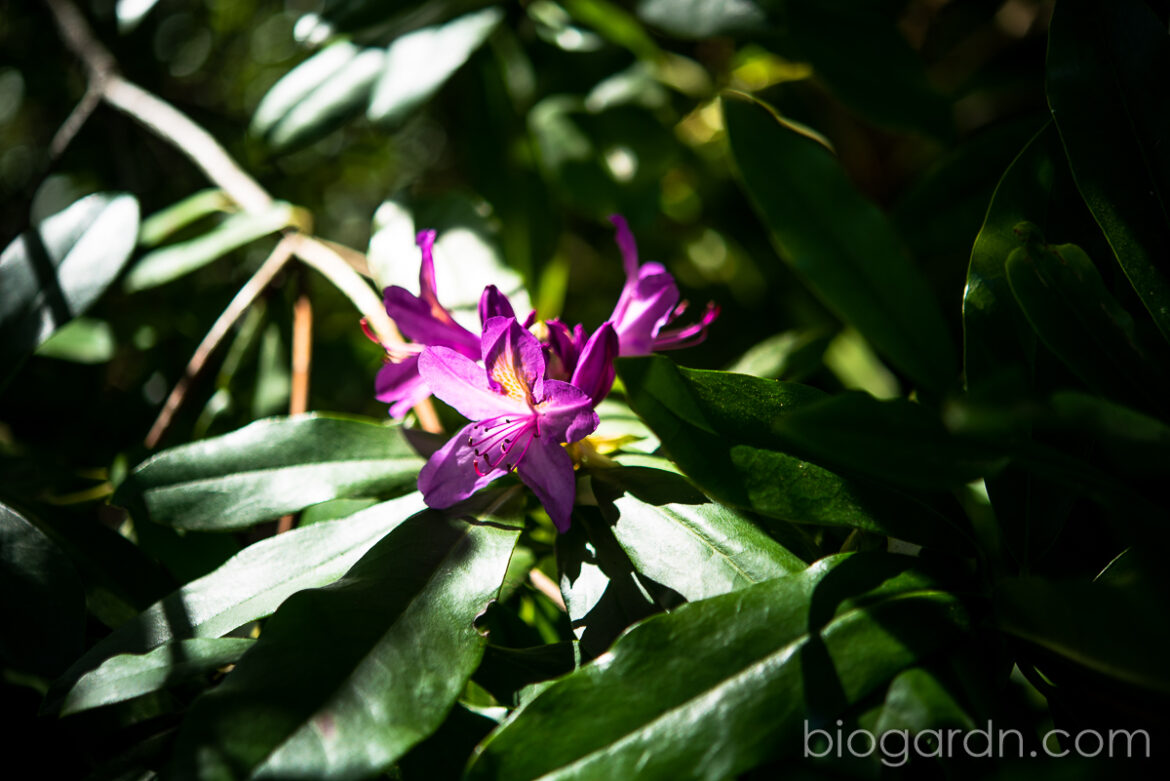
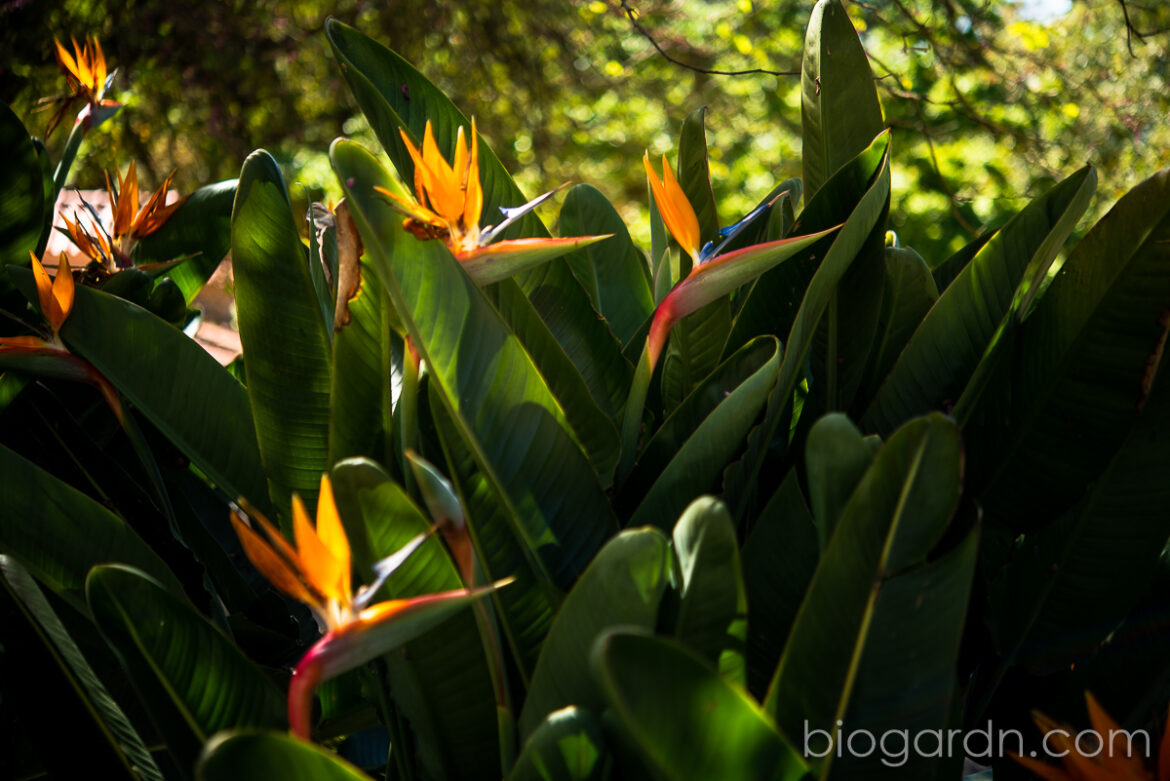
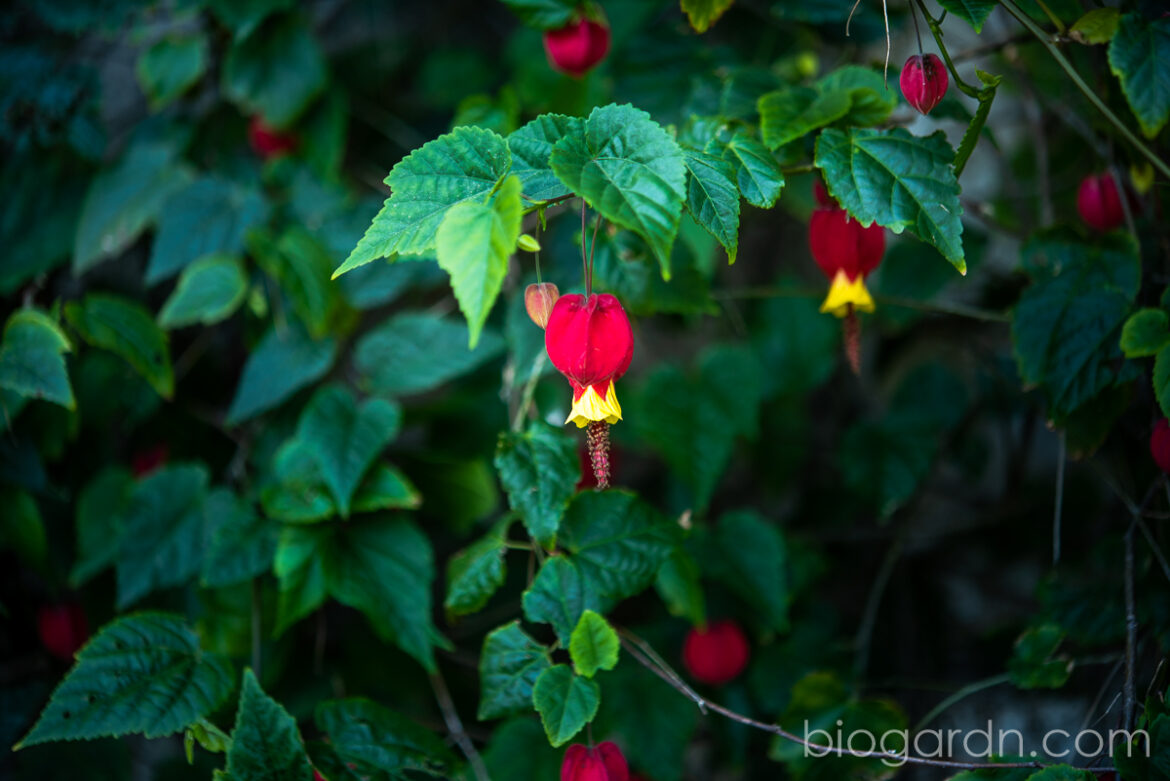
If the palace impresses you, the gardens will hold you longer. Monserrate Park gathers plant species from around the world and unfolds as a sequence of botanical zones. Water features, hidden paths and sudden views make the experience feel cinematic.
The gardens were created by landscape designer William Stockdale, botanist William Nevill and master gardener James Burt, guided by the romantic vision of Francis Cook.
Spread across 32 hectares, the gardens thrive in Sintra’s mild climate. One of the highlights is the Mexican garden, filled with palms, agaves and cycads – a journey across continents in one walk.

What to see at Palácio de Monserrate
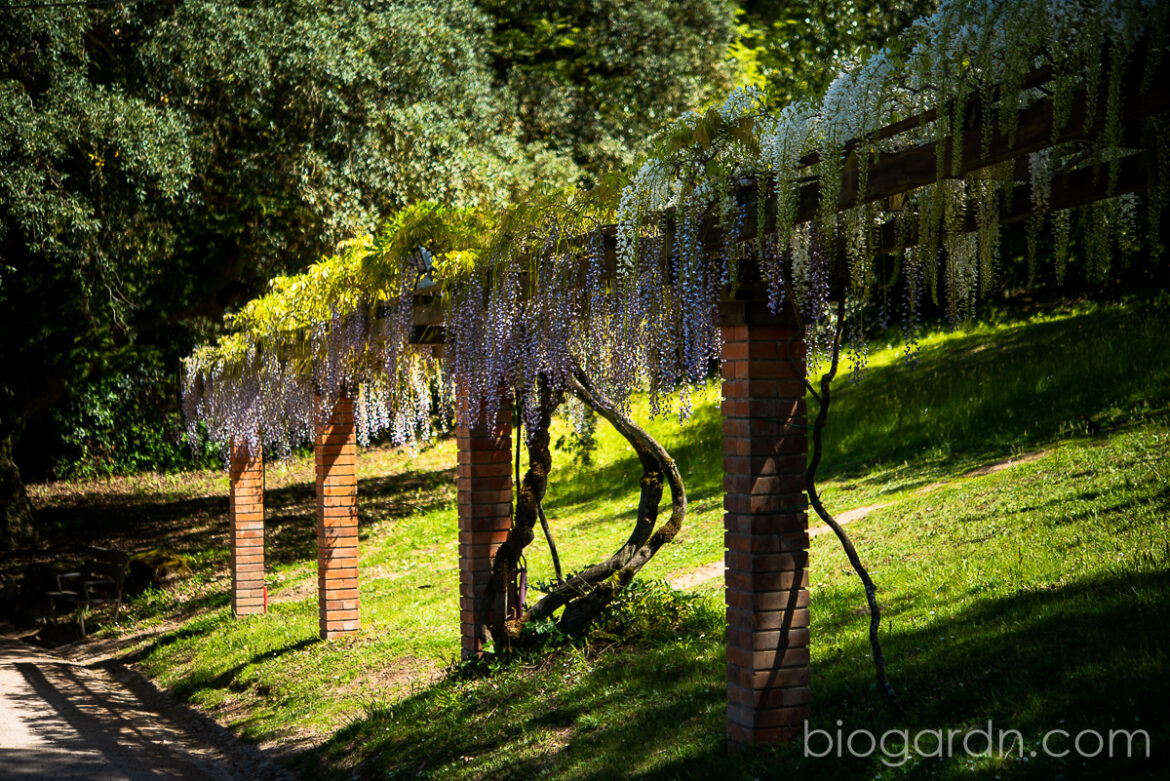
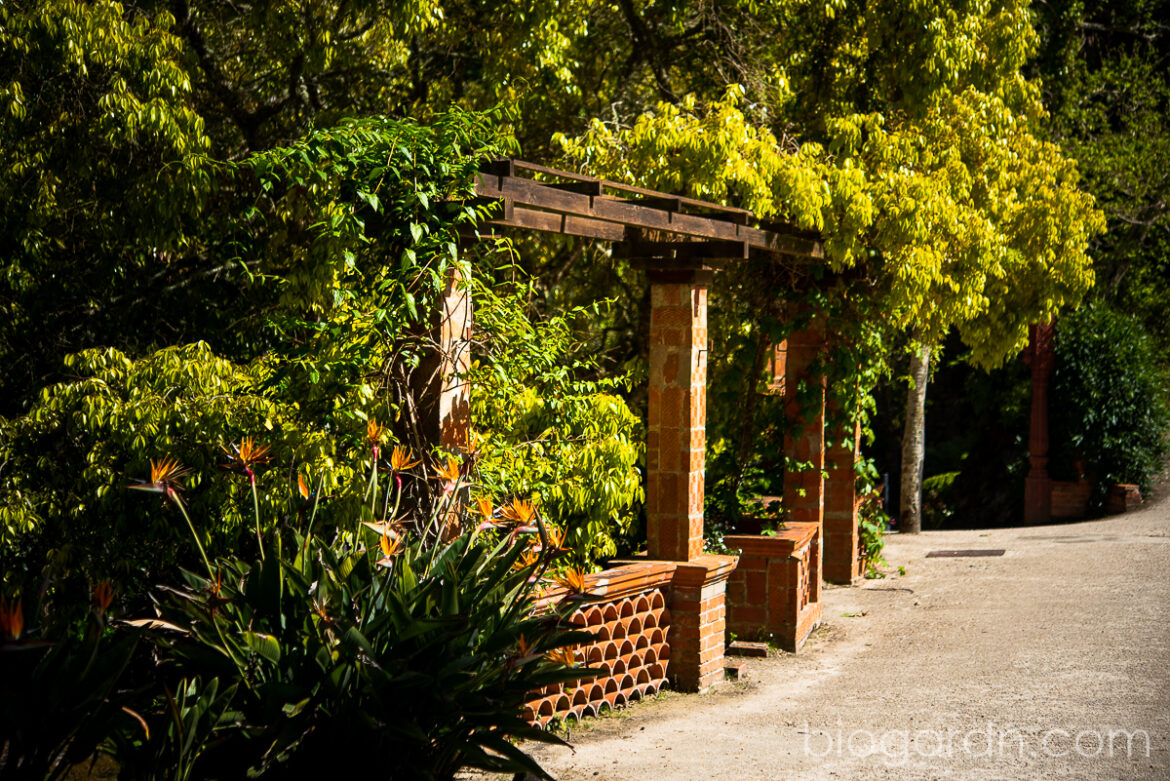
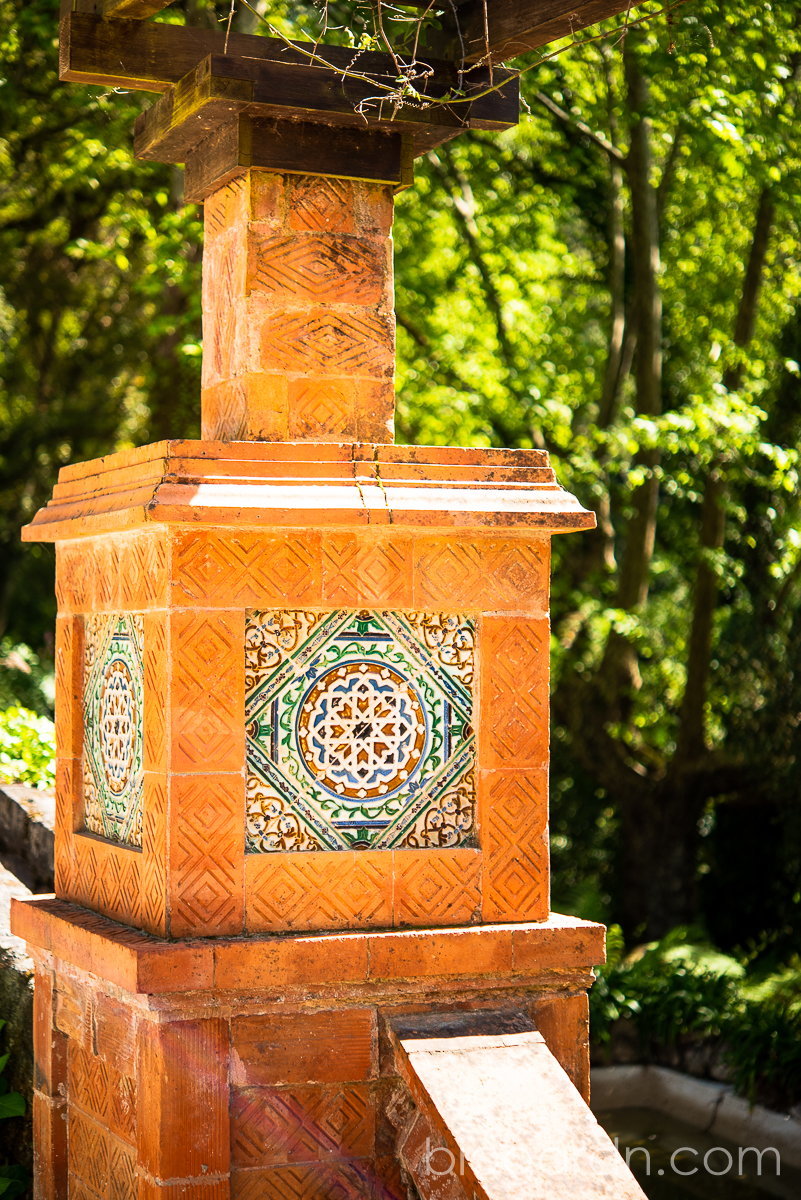
Beyond the palace itself, there are a few details that truly stay with you. The pergola covered in wisteria and jasmine is one of those moments that turns the visit into an experience. The Indian arch, acquired by Charles Canning – Governor-General of India, adds another layer to the eclectic character of Monserrate. That’s exactly what makes this place so captivating – everything is beautiful, but never in an obvious or overwhelming way.
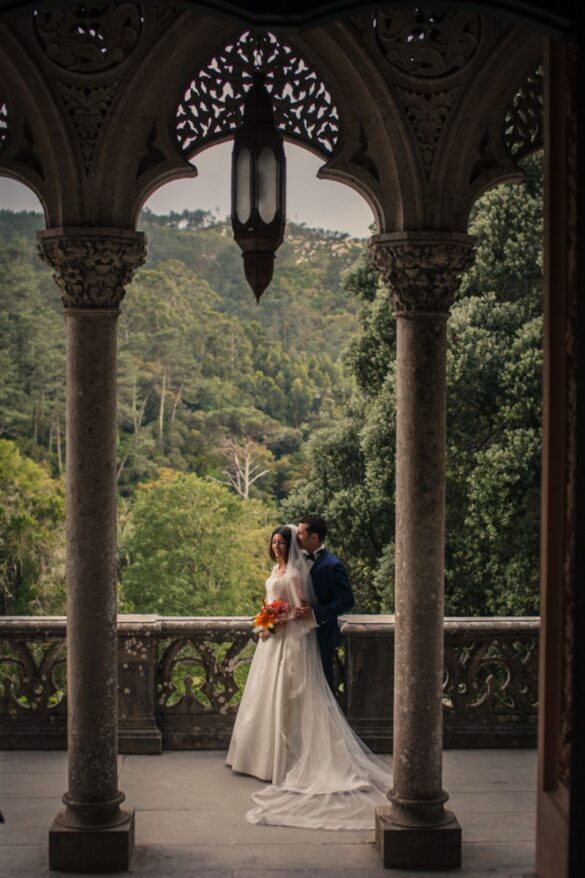
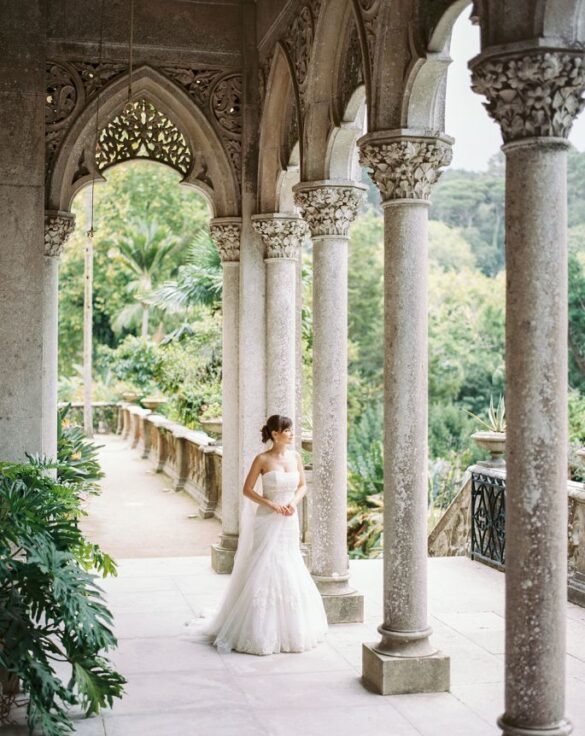
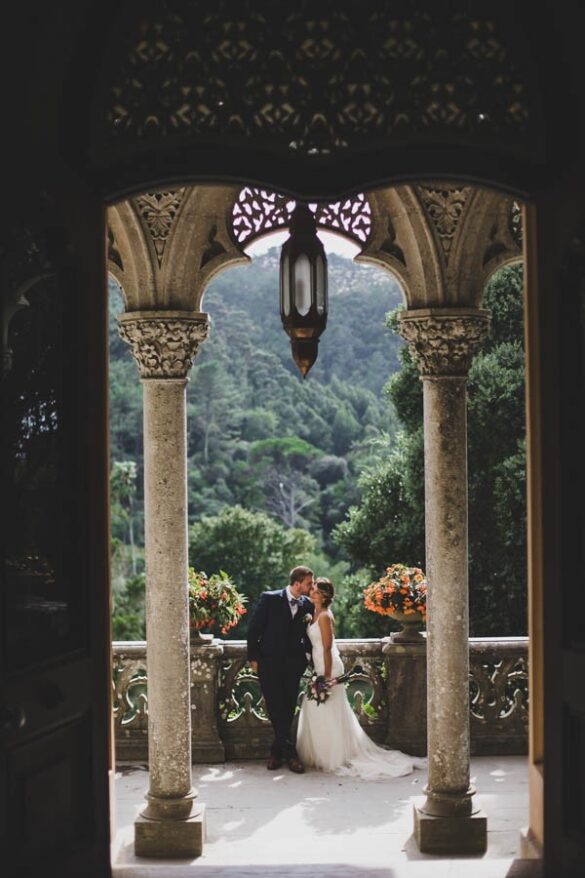
There’s something else worth mentioning: Monserrate is an exceptional wedding destination. Ceremonies are held both in the palace and in the gardens, and the entire setting feels like a dream backdrop for photography. As someone who also sees through a lens, I can’t help but notice how perfectly the light, the arches and the greenery work together here.
In 1949, Monserrate was acquired by the Portuguese state, and since 1995 it has been part of the Cultural Landscape of Sintra, listed as a UNESCO World Heritage site. This only confirms something you already feel while being there – Monserrate is not just a beautiful palace, but a complete cultural and aesthetic world of its own.
How to plan a real Sintra travel day
For a proper travel article, Monserrate should not stand alone like a lonely palace on a hill. It works beautifully as part of a Sintra day trip or a slower Portugal route: Lisbon, Sintra, Monserrate, Cabo da Roca, Cascais – depending on how much energy, patience and coffee you have.
Tickets, experiences and useful travel links
Monserrate is exactly the kind of place where a reader may want more than inspiration: tickets, a guided Sintra experience, a car for a wider Portugal route, transport planning and possibly a hotel in Lisbon or Sintra.
Tickets & Sintra experiences
If you want to combine Monserrate with Pena Palace, guided Sintra routes or nearby experiences, this is a good place to start planning.
Best for Pena Palace, Monserrate, Quinta da Regaleira, Cabo da Roca and full Sintra day trips.
Plan the rest of your Portugal trip
Search hotels in Lisbon or Sintra
Sintra is more romantic if you want atmosphere; Lisbon is more practical if this stop is part of a larger Portugal trip.
Compare car rentals for your Portugal route
A car makes most sense if you want to combine Sintra with Cabo da Roca, Cascais or a slower coastal route.
Compare trains and buses with Omio
Useful if you are planning Lisbon, Sintra, Porto or other Portugal stops without renting a car.
Explore more activities around Sintra
If you’re planning a fuller itinerary in the area, here you can explore additional activities and experiences around Sintra.
This block contains an affiliate widget. If you book through it, we may earn a commission at no extra cost to you.
Video and atmosphere from Monserrate
Watch the Monserrate video here
Some places are difficult to describe only with facts. Monserrate is exactly that kind of place – you need to see it, walk through it, and give it time to unfold.
My impression of Monserrate
For me, Monserrate was one of those quiet surprises that don’t just complete a trip, but give it color. We went there to escape the obvious route and found a place full of character, elegance and soul. If you love gardens, architectural details, quieter locations and beautiful spaces for photography, this palace is more than worth it.
I would truly love to hear your impressions of Monserrate. If you’ve already been there, I’m sure it left something special with you too.