
Sintra is one of those places that is difficult to describe in a single word. Palaces, lush greenery, hills, stone walls and that slightly unreal atmosphere make the area feel very different from much of the rest of Portugal.
A little away from the busiest tourist route to Pena Palace is a place that fits much better with the way I like to travel: Palácio de Monserrate.
The architecture is unusual, the garden is almost as important as the palace itself, and the whole visit has a much calmer rhythm. For me, Monserrate turned out to be one of the loveliest surprises in Sintra.
Sometimes the places that stay with us most are not the ones everyone is heading towards, but those we discover slightly away from the main route.
Why Monserrate Deserves a Place in Your Sintra Itinerary
Monserrate does not rely on the impact of a huge tourist attraction. The impression develops more slowly: through the architectural details, the light inside the palace, the surrounding greenery and the way the building gradually opens into the park.
If you enjoy gardens, architecture and photography, there is far more to see here than simply another palace.
A Short History of Monserrate
The history of the site reaches back to the 16th century. In 1540, a chapel dedicated to Our Lady of Monserrate was built here.
The earthquake of 1755, which caused enormous destruction in Lisbon and the surrounding region, badly damaged the estate as well. Different owners followed, together with periods of restoration and renewed neglect.
Among the people drawn to Monserrate was William Beckford. Lord Byron also visited the estate and was deeply impressed by its atmosphere.
The major transformation came in the 19th century, when the property became the home of British merchant and art collector Francis Cook.
He is closely connected with the palace as we recognize it today: an unusual combination of Gothic, Moorish and Indian-inspired decorative influences.
Monserrate does not feel like a palace where the architecture ends at the front door. The arches, ornament and corridors constantly draw your eye back towards the greenery outside.
Architecture, Light and a Little Personal Perspective
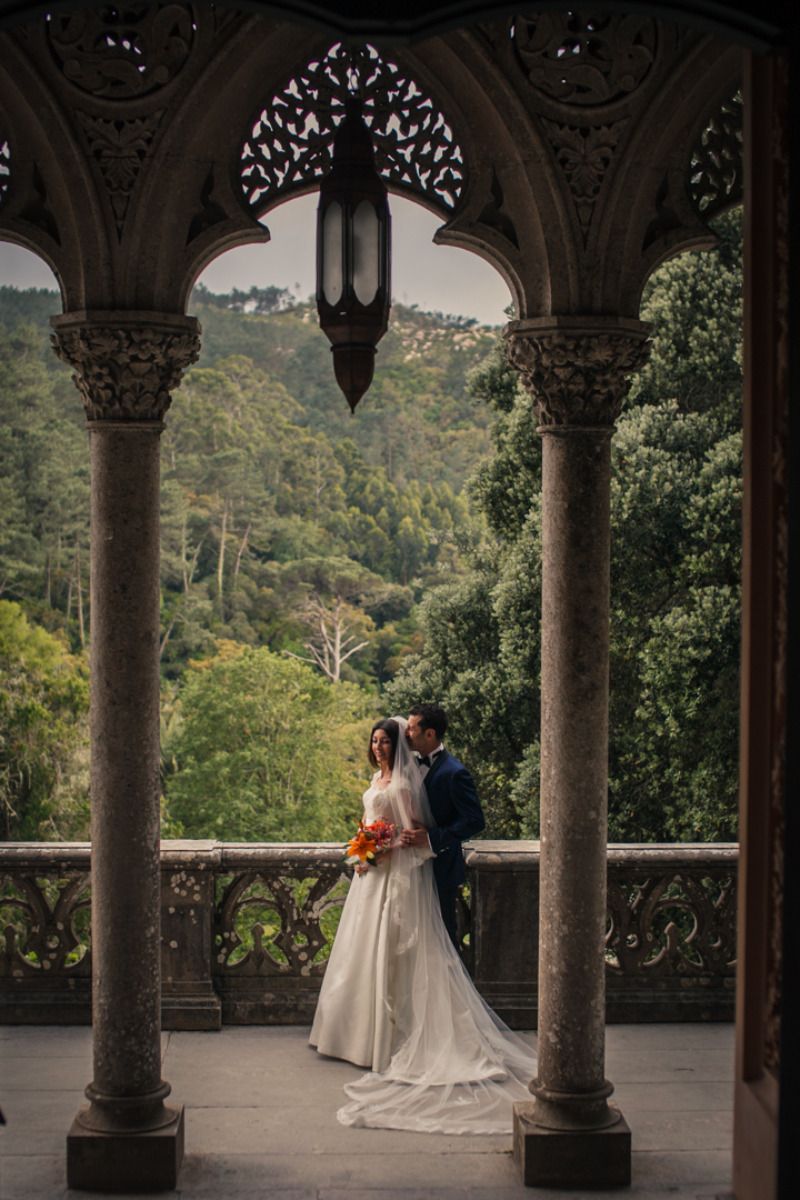
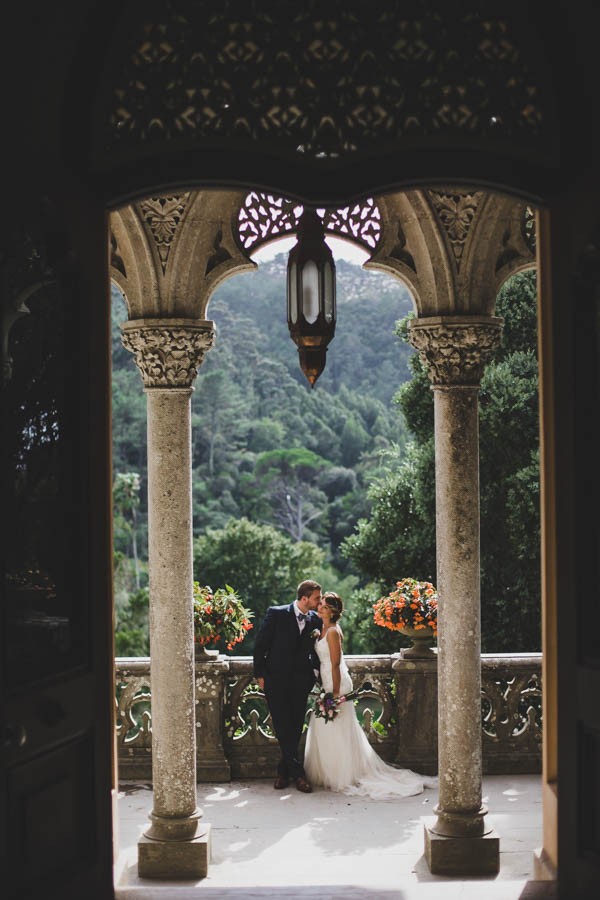
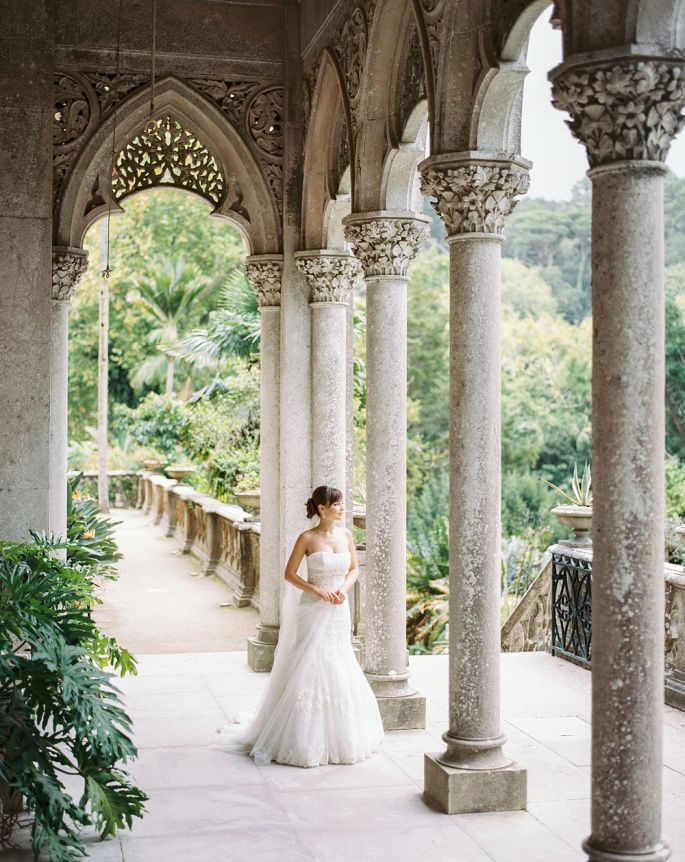
This is the kind of place you naturally begin to see through a camera. There are frames, lines, repeating details, changing light and endless encounters between architecture and plants.
That is why I prefer these three more vertical photographs displayed together rather than allowing each one to take over the entire screen.

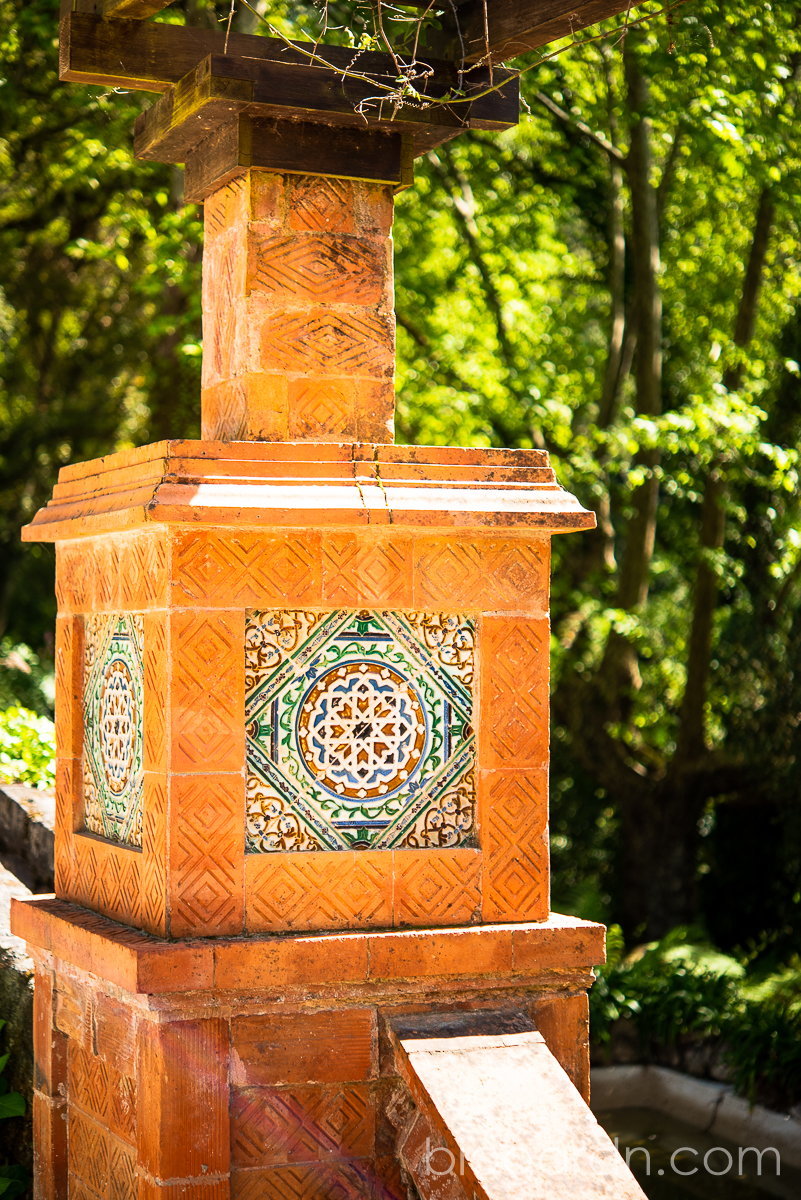
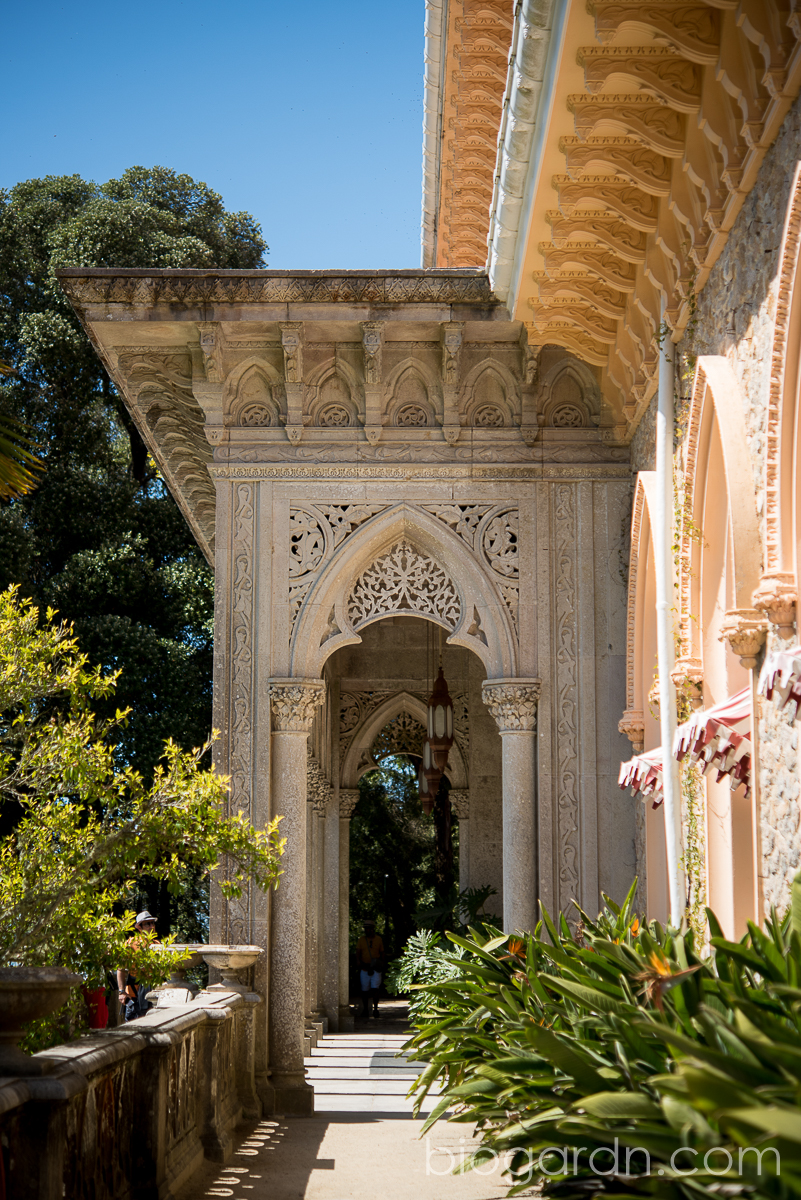
But the real character of Monserrate cannot be understood only from inside the palace. You have to step out into the park, because the building and the gardens were conceived as parts of the same composition.
This is where the botanical side of the journey really begins.
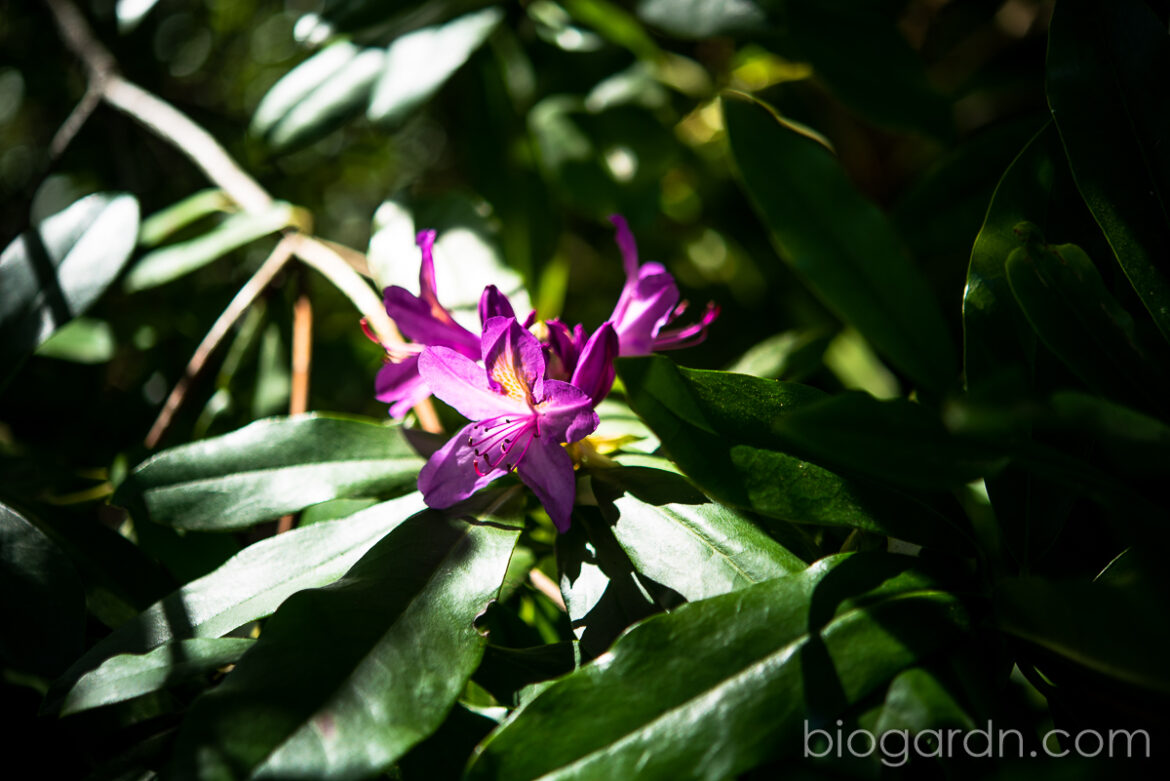
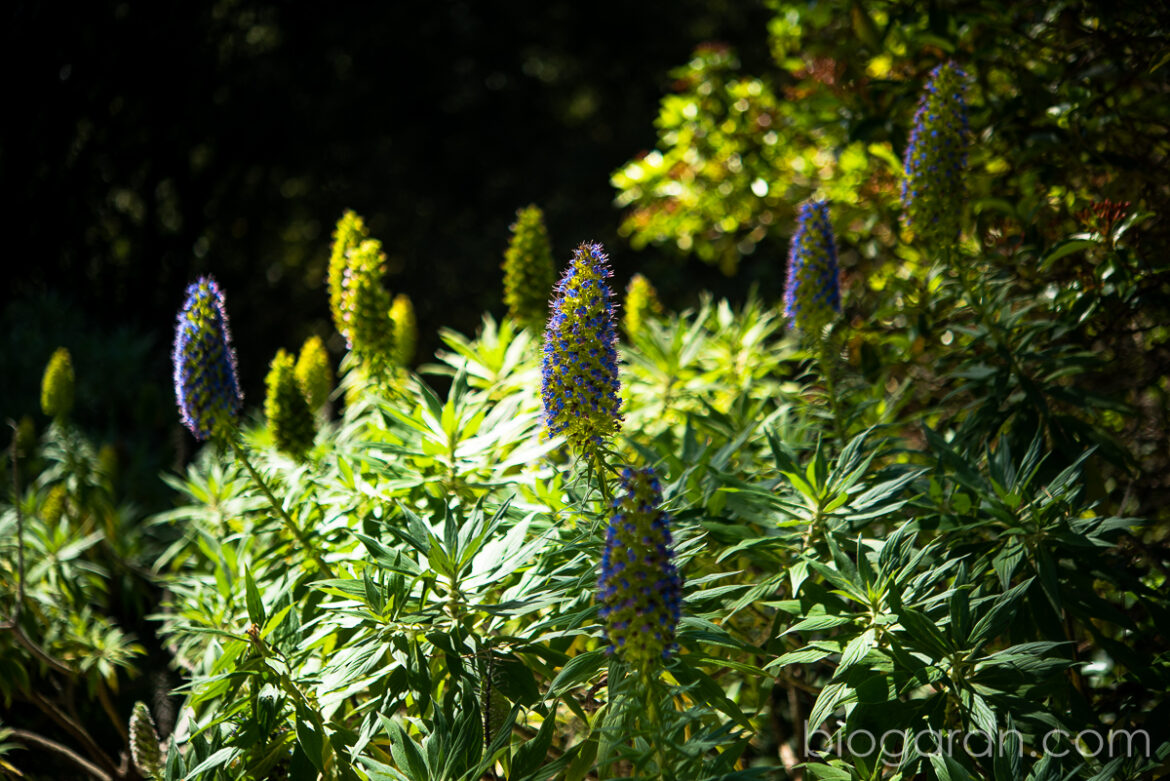
The Gardens of Monserrate Are the Real Reason to Stay Longer
If the palace is the reason you come, the gardens can very easily become the reason you stay longer than you planned.
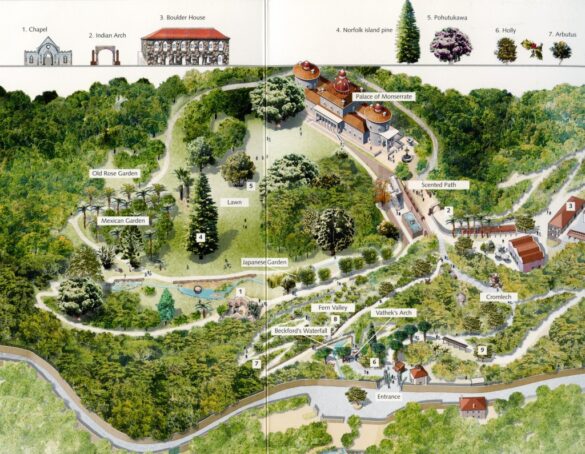
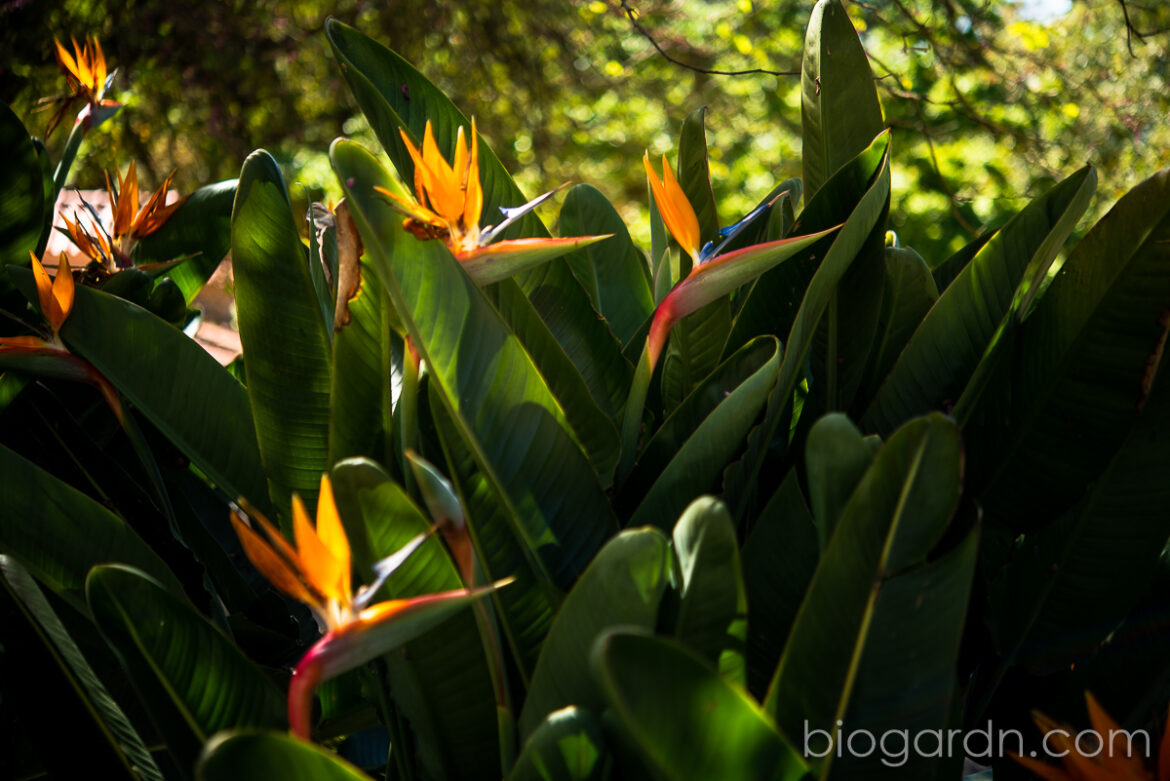
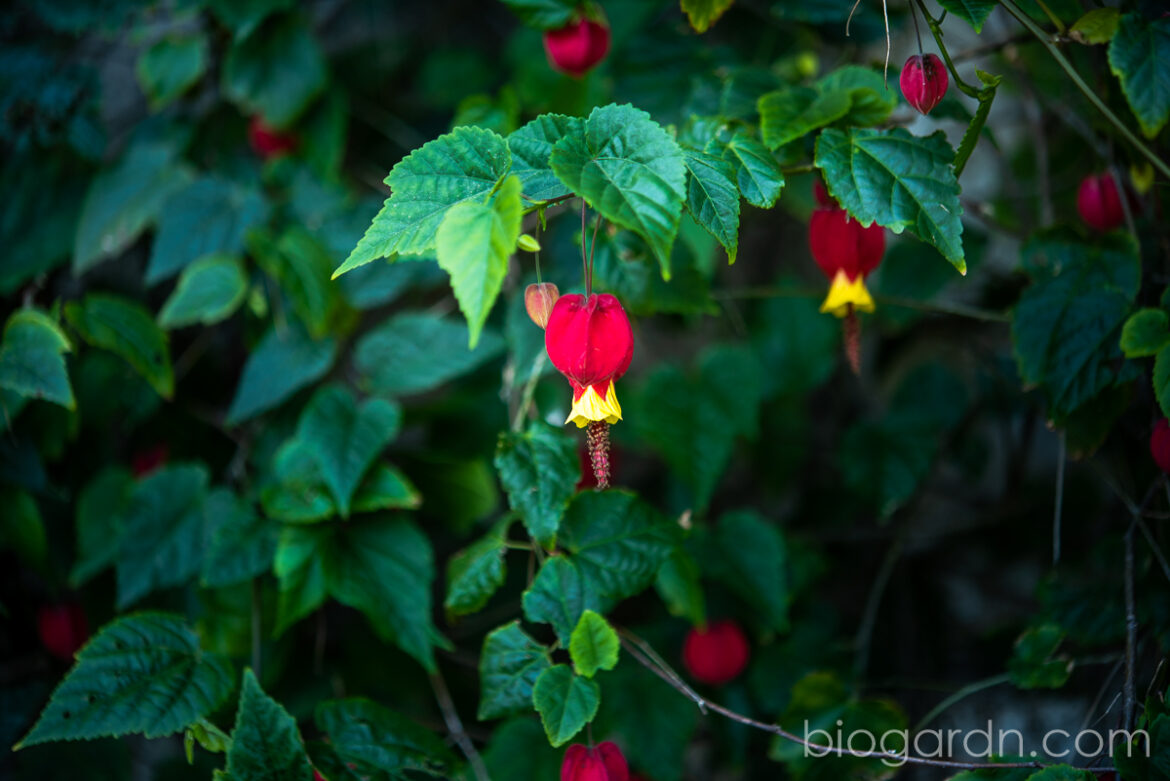
The park was designed almost like a botanical journey. Plants from different parts of the world are arranged in thematic and geographical areas that gradually change as you walk through the grounds.
Landscape designer William Stockdale, botanist William Nevill and head gardener James Burt all played a role in shaping the gardens.
This does not feel like a formal palace garden built around strict symmetry. Instead, you move through a sequence of scenes: shaded areas, more open spaces, water features, exotic plants and sudden views back towards the architecture.
This is not a garden you understand from a single viewpoint. It only really works when you walk through it.
The Mexican Garden and Exotic Planting
One of the most distinctive parts of the park is the Mexican Garden. Palms, yuccas, agaves and cycads create a completely different mood from the lush, damp greenery we usually associate with Sintra.
These shifts are part of what makes the garden so interesting. During a relatively short walk, you move through plants and atmospheres that we would normally associate with very different climates.
The Garden Is More Than a Collection of Plants
What I liked most is that the plants do not feel arranged like specimens in a botanical catalogue.
They are part of the landscape. One path disappears beneath greenery, another opens a view, an architectural detail appears unexpectedly, and then the garden takes over again.
That is what makes Monserrate interesting even for visitors who do not know the names of every plant they see.
What Not to Miss at Monserrate
This is not somewhere I would rush through. There are several details that deserve a little extra time.
- the architectural arches and decorative corridors inside the palace;
- the views from the building into the park;
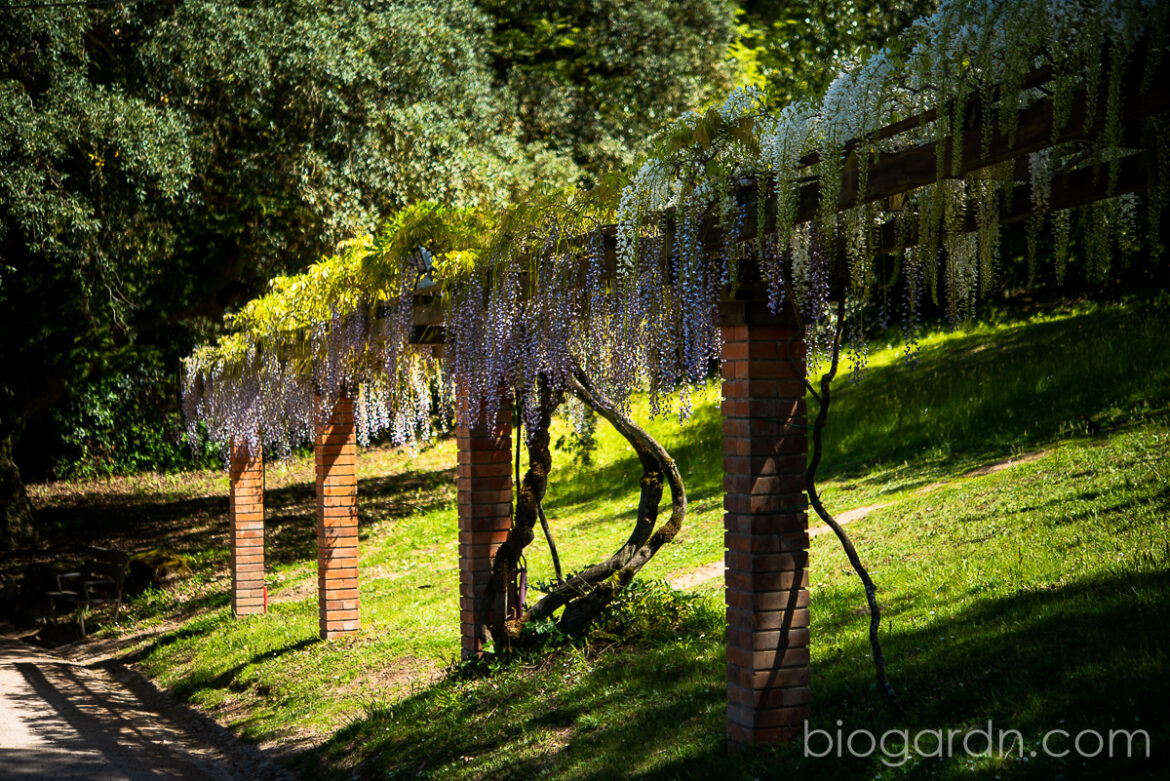
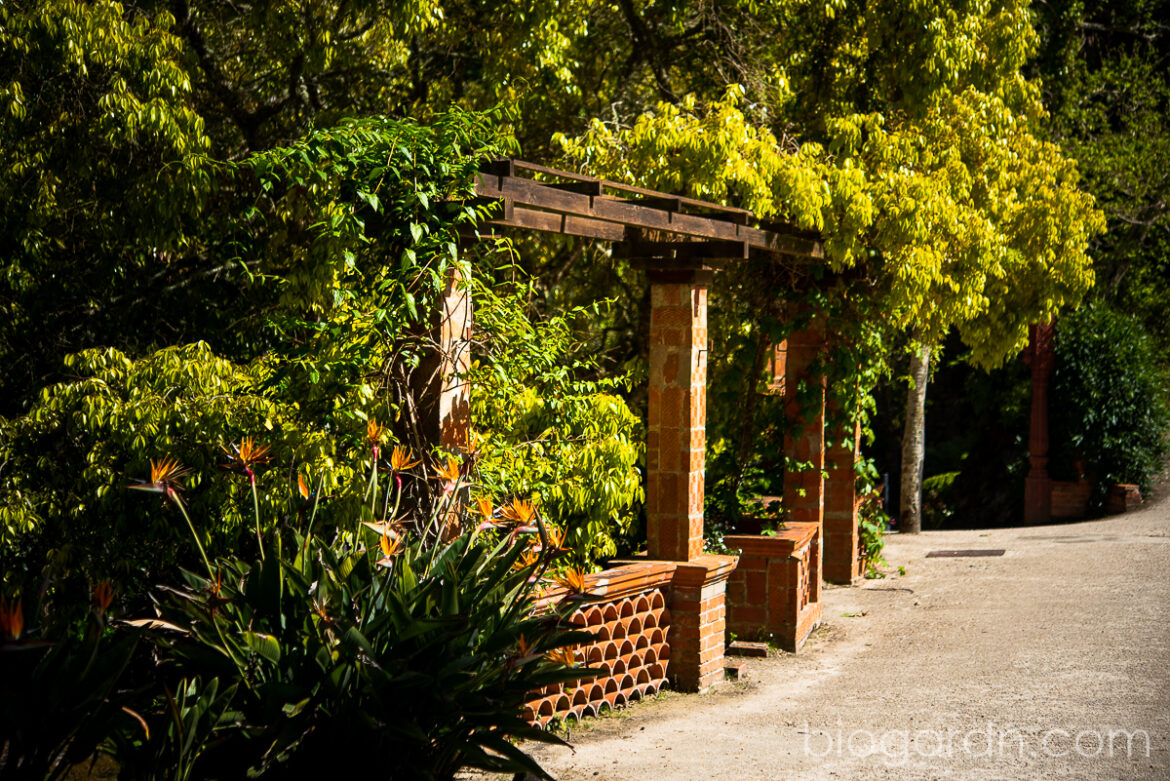
- the pergola with wisteria and jasmine;
- the different botanical areas;
- the water features and shaded paths;
- the places where architecture and planting meet.
Pergolas and Smaller Garden Details
Some of the places I remember most clearly from Monserrate are not necessarily the grandest.
A pergola, an arch, a fountain, light falling across an ornament or greenery entering the frame can sometimes stay with you more than the entire façade.
Monserrate and Wedding Photography
It is easy to see why the palace and gardens are also used for wedding ceremonies and photography.
As someone who naturally looks at places through a camera, this is difficult to ignore. The arches create natural frames, the greenery softens the architecture, and the light can be much more interesting than in a traditional palace interior.
At this point, I would let the photographs tell the next part of the story.