
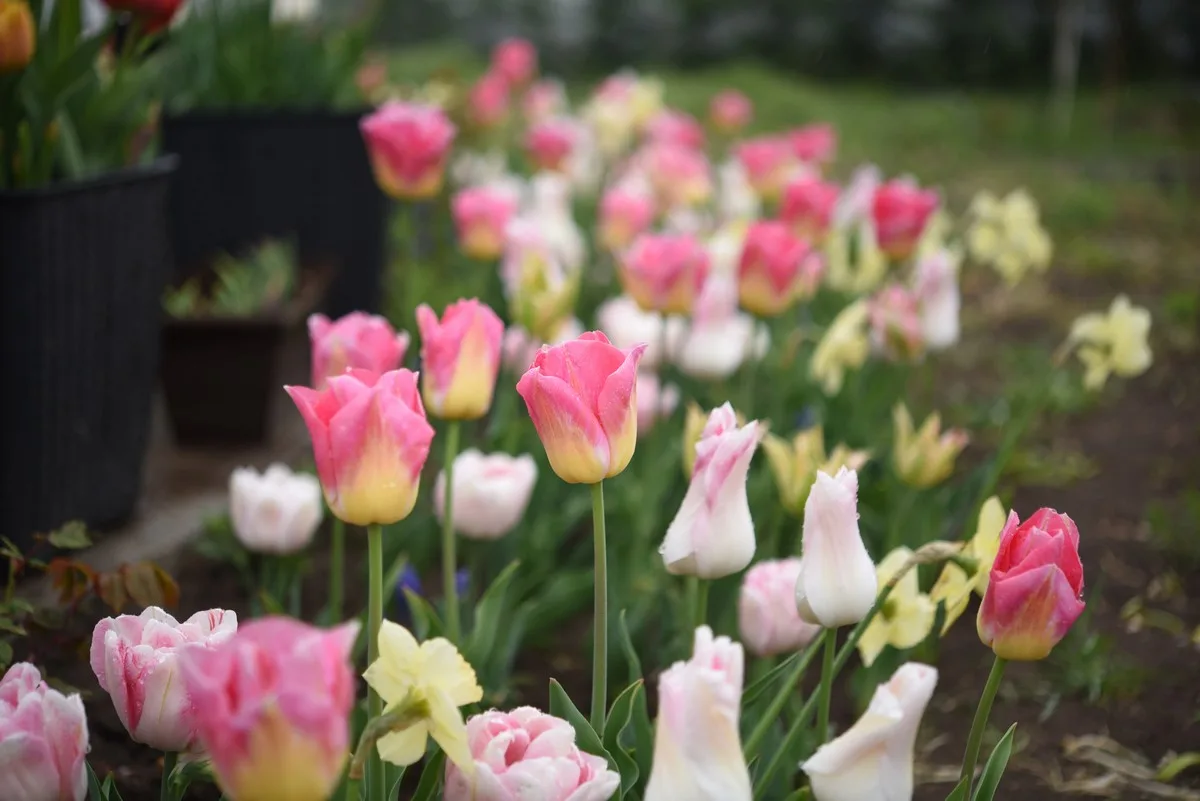
Spring is the moment when a flower garden stops being just a dream and starts turning into work. Not hard, soulless work, but the kind that smells of damp soil, new beginnings, and something beautiful that is yet to happen.
Many people want to live in the countryside. They want the quiet, the yard, the fresh air, the changing seasons. But almost immediately after the romantic picture comes a more practical question: alright, but how will money be made?
One of the most beautiful answers to this question is a small flower farm. Not industrial, not massive, but human in scale. The kind that begins with a few garden beds, carefully selected plants, and the desire to turn beauty into meaningful, profitable seasonal work.
Spring is not just a season in the garden. It is the first proof that beauty can also have a market.
It is at the beginning of the season that the first flowers appear, the first bouquets are made, and the first reactions from customers come in. That is exactly when it becomes clear whether an idea is simply a pleasant hobby or something that can grow into a real small business.
Why Spring Flowers Matter So Much
Spring flowers have one major advantage – they arrive at a moment when people are craving color. After winter, even a simple bouquet feels like a celebration. Flower shops begin looking for fresh supply, restaurants want floral decoration, and around March 8 the market fully comes alive.
This makes spring bulb flowers an excellent starting point for anyone wanting to test a small garden flower business.
- flowers arrive early, when competition is lower
- it can be started on a small plot of land
- part of the production can also be sold as potted plants
- tulips, hyacinths, and daffodils sell easily because people already love them
Which Spring Flowers Are Most Suitable
If we are talking about a first season, the smartest approach is not to start with too many varieties. It is better to have a clear focus and flowers that are proven both in the garden and on the market.
Hyacinths
Fragrant, luxurious, and highly sought after around March 8. Suitable for both bouquets and pots. They make a strong impression without requiring huge space.
Tulips
The classic spring bouquet flower. The variety selection is enormous, and the yield from a small bed can be very good. This is one of the safest flowers to start with.
Daffodils
Hardy, beautiful, and rewarding. Besides being early bloomers, they multiply over time and can become a stable part of spring production.
Muscari, Anemones, Ranunculus
These add character and make bouquets feel more artistic. They are ideal for people who want to build a more recognizable, signature style.
Where the Real Business Actually Begins
In autumn. That is the unexpected truth about spring flowers. If you want early production, you need to think several months ahead. Bulbs are not bought at the last minute and are not planted in spring. Spring income is prepared in autumn.
Where to Buy Bulbs Wholesale
For business purposes, it is not ideal to rely on random purchases from garden stores. Those bulbs are usually intended for hobby gardeners, tend to be more expensive, and the selection is more limited. It is wiser to work with professional or semi-professional suppliers.
- Greengarden Flower Bulbs – a convenient option for a smaller start
- Farmer Gracy – a popular supplier for small flower farms
- Peter Nyssen – wide selection and strong reputation
- De Ree Holland – professional quality and larger quantities
- Ruigrok Flowerbulbs – a good choice for more serious planning
It is important to consider not only price, but also bulb quality – size, strength, and uniformity. With flowers, cheap can sometimes become expensive within the very first season.
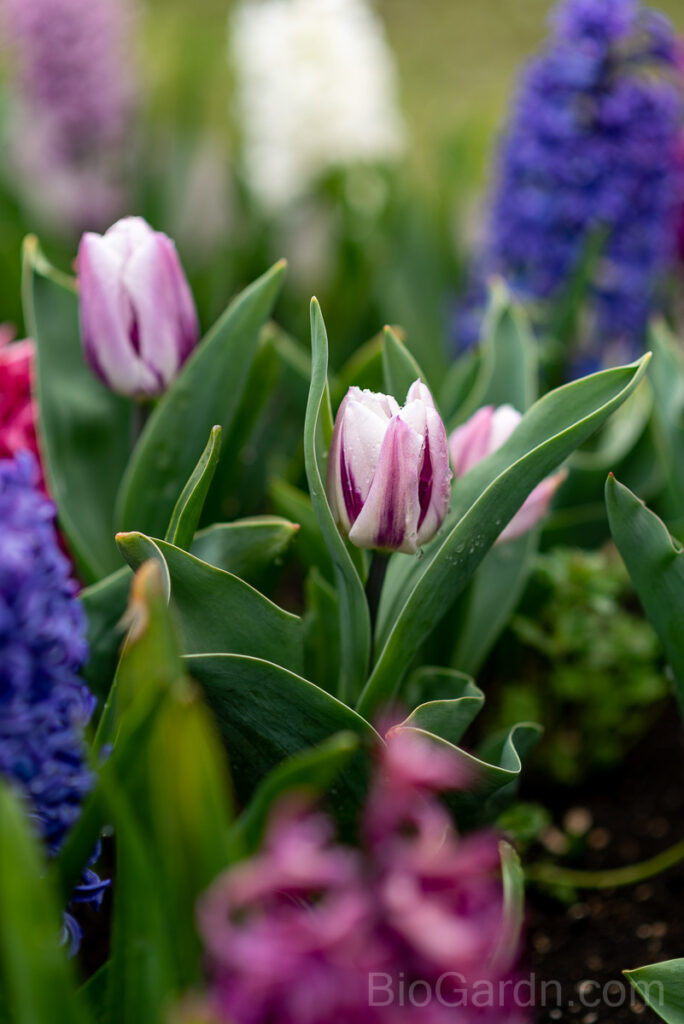
When to Plant Spring Bulbs
Most spring bulbs are planted in autumn so they can go through the natural cold period required for proper development.
- September – October: daffodils
- October: hyacinths
- October – November: tulips
This is one of the first important differences between an ornamental garden and a flower farm: here, you think ahead. You do not work based on mood, but according to the rhythm of the seasons.
Should Garden Beds Be Covered?
If winter is harsher or the soil is exposed to strong temperature fluctuations, covering the beds is a good idea. The most commonly used materials are straw, dry leaves, mulch, or agricultural fabric.
This helps maintain a more stable soil temperature, protects the bulbs, and reduces the risk of unnecessary stress for the plants.
What Are Forced Bulbs?
Forcing is a technique in which bulbs are encouraged to bloom earlier than their natural season. This is especially interesting for people who want to offer flowers for high-demand dates such as March 8.
The most commonly forced bulbs are:
- hyacinths
- tulips
- early daffodils
This technique requires more preparation and discipline, but offers an important advantage: it allows you to enter the market earlier than the mass seasonal supply.
On a flower farm, early blooms are often worth more than late ones.
How Much to Plant in the Beginning
For a first season, there is no need for heroic investments. It is better to start moderately but with a clear goal – to test the market and see what sells best in your area.
A Sensible Start
- 300–500 tulips
- 150–200 hyacinths
- 150–200 daffodils
This is enough to create your first bouquets, test customer interest, and gain real experience without unnecessary risk.
And Where Do Dahlias Fit Into This Story?
Spring is the beginning, but not the whole season. If spring bulbs are the first chapter, dahlias are the grand summer stage. They do not arrive early, but once they begin blooming, they can keep the garden alive and profitable for months.
That is exactly why a well-planned flower farm does not rely on just one strong moment. It thinks in terms of continuity – from spring bouquets, through abundant summer flowers, to the autumn close of the season.
A Small Flower Farm Starts Like This
First come a few garden beds. Then the first flowers. Then a few bouquets. Then the question of whether this could become something bigger.
And at some point, you realize that the garden is no longer just a place. It is rhythm, system, work, and joy all at once.
And the most beautiful thing about spring is that every year it gives you a new chance to start again – a little wiser, a little braver, and with much more color.