
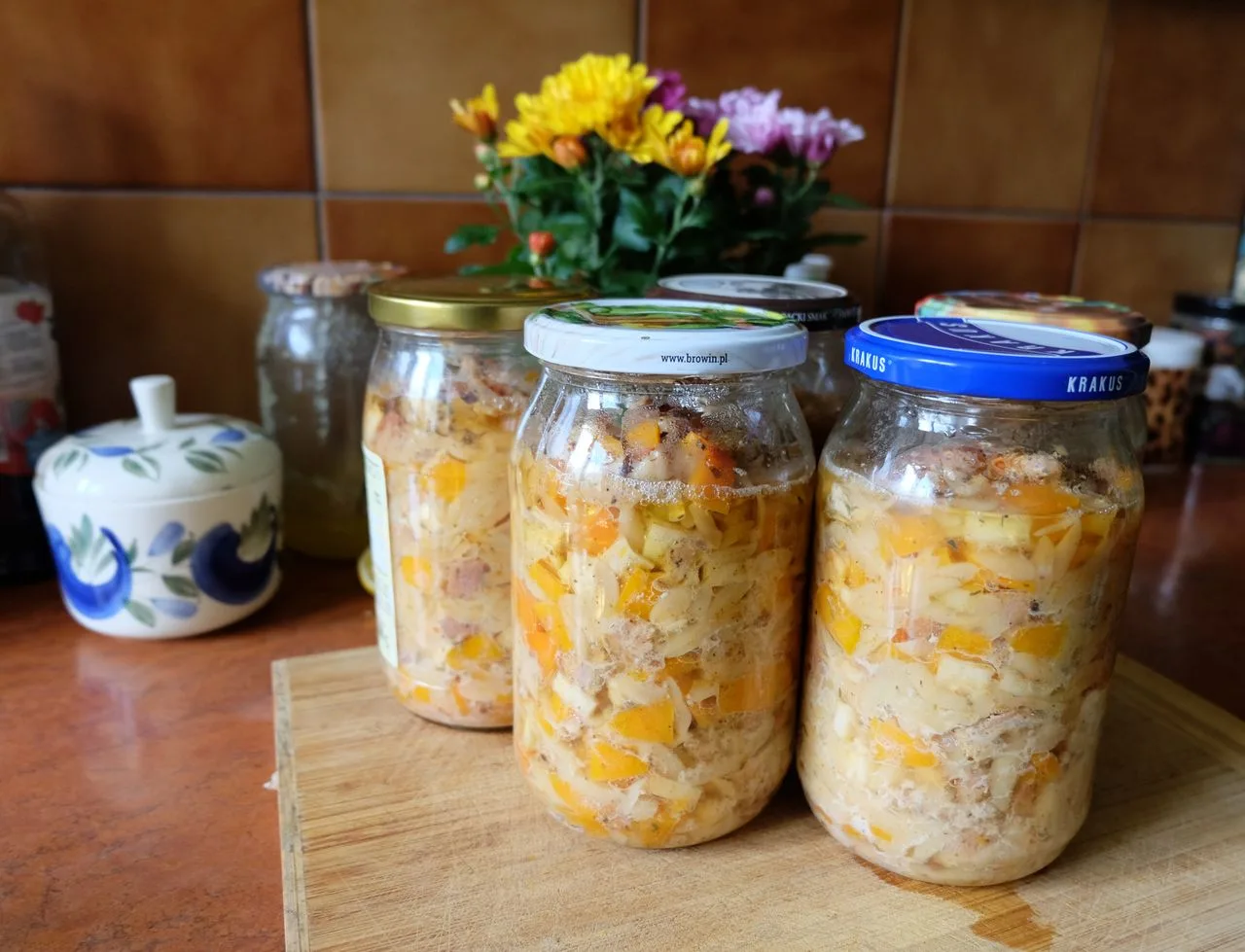
Bulgarian Fermentation: Sauerkraut, Raw Pickles, and the Right Brine
Fermentation is not a new wellness trend discovered in a tiny jar with an artistic label. In Bulgaria, we have known it for a long time as sauerkraut, raw pickles, green tomatoes in brine, and fermented cucumbers without vinegar.
It is one of the oldest ways to preserve vegetables for winter. You do not need vinegar, aspirin, or complicated additives. The base is simple: healthy vegetables, water, salt, suitable temperature, and time.
Simple, however, does not mean random. If there is too little salt, the vegetables may soften or spoil. If there is too much, fermentation slows down and everything becomes unpleasantly salty. If the vegetables float above the brine, surface yeast and mold can appear very quickly.
That is why the old home recipe works best with one modern convenience: a kitchen scale.
For a general overview of the whole preserving series, see Homemade Preserves: Drying, Pickling, Fermentation, and Other Ways to Keep the Taste of Summer.
What Actually Happens in the Fermentation Barrel
Vegetables naturally carry different microorganisms on their surface. When we add the right amount of salt, keep the vegetables under the brine, and limit access to air, lactic acid bacteria start turning part of the natural sugars into lactic acid.
Gradually, the flavor becomes sour, bubbles appear, the brine may turn cloudy, and the environment becomes less friendly to many unwanted microorganisms.
Salt is not there only for taste. In fermented foods, it supports the bacteria we want, slows down some of the bacteria we do not want, and affects the texture. That is why the amount should not be reduced randomly.
Fermentation and Pickling Are Not the Same Thing
In Bulgarian, almost anything in a jar can be called “turshia,” but the method can be very different.
In fermentation, acidity develops gradually through lactic acid bacteria. The base is water and salt.
In pickling, acidity is added directly through vinegar. There is often sugar, oil, and spices too.
Raw pickles in brine are fermented. Bulgarian royal pickles with vinegar and sugar are pickled.
For vinegar-based versions, see Homemade Pickled Vegetables.
How Much Salt to Use
This is the question where every family has its own formula.
For Bulgarian raw pickles, brine is most often used in this range:
| Brine Strength | Salt per 1 Liter Water | Suitable For |
|---|---|---|
| 3% | 30 g | mixed raw pickles, green tomatoes |
| 3.5% | 35 g | cabbage, tomatoes, cucumbers |
| 4% | 40 g | firmer vegetables and a warmer start |
In one traditional Bulgarian raw pickle recipe, 30 g of sea salt per liter of water is used, and the brine is poured off and returned every other day during the first period.
For shredded cabbage, salt is calculated according to the weight of the cabbage, not the water.
| Shredded Cabbage | Salt |
|---|---|
| 1 kg | about 20 g |
| 5 kg | about 100 g |
| 10 kg | about 200 g |
A ratio of about 2% is widely used for shredded sauerkraut, including in tested preserving guidelines.
What Kind of Salt to Use
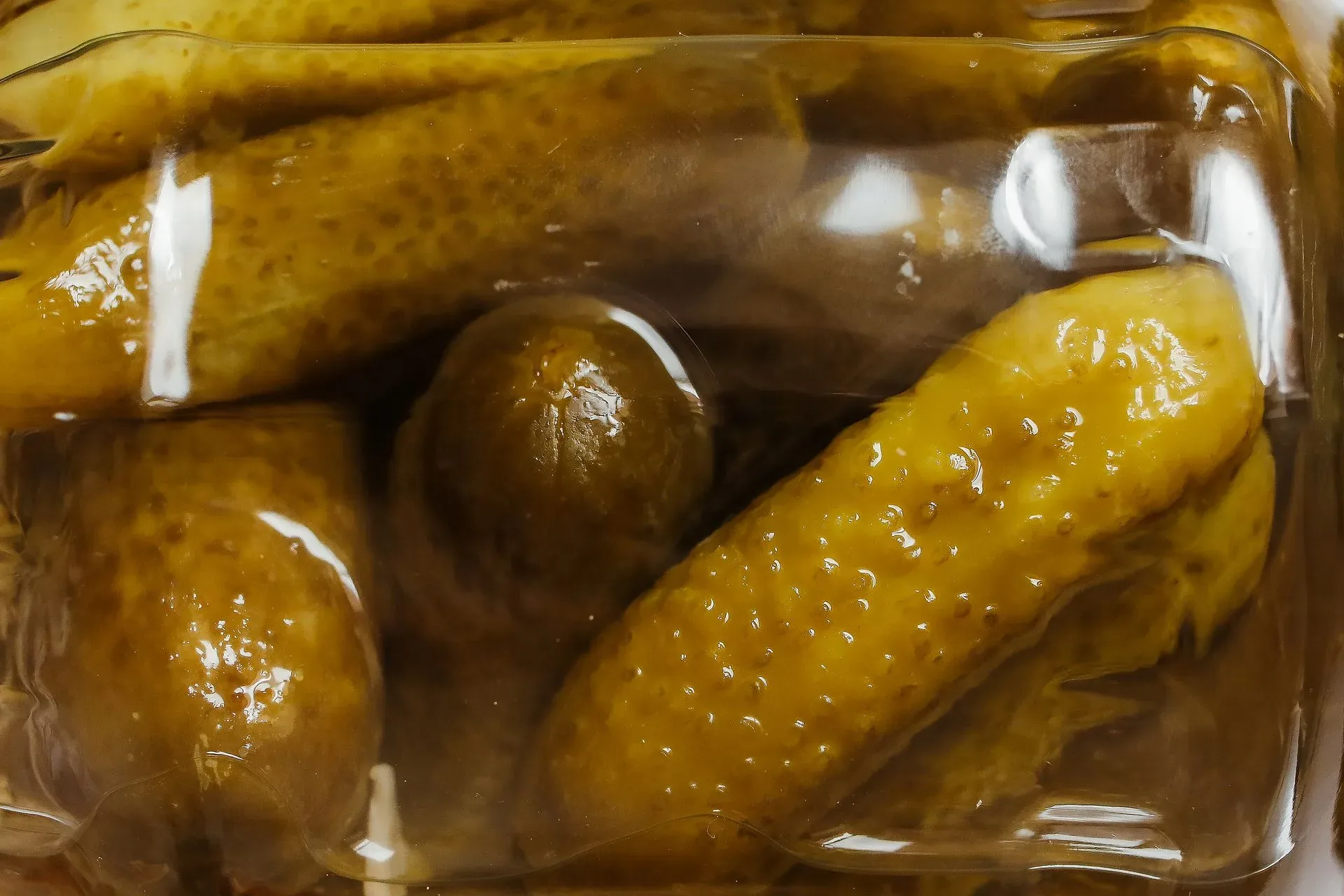
Traditionally, coarse sea salt is often used in Bulgaria.
The most practical choice is:
- sea salt;
- pickling salt;
- salt without anti-caking additives;
- salt measured with a scale.
A tablespoon is not a very precise measure, because different salts have different density.
If you ferment often, canning and pickling salt is useful because it dissolves cleanly and makes the brine easier to control.
Do We Need Sugar
For traditional lactic acid fermentation, sugar is not necessary.
Cabbage, carrots, tomatoes, and cucumbers contain natural sugars that the bacteria use.
Added sugar is more typical for:
- vinegar pickles;
- sweet-and-sour recipes;
- Bulgarian royal pickles;
- quick vinegar pickles.
For true raw pickles in salty brine, it is not needed.
Do We Need to Pour and Return the Brine
Pouring off and returning the brine is typical for Bulgarian sauerkraut made in large barrels.
The brine is drained through the tap and returned from the top. This mixes the salt and distributes the liquid more evenly.
Usually, it starts a few days after the cabbage is covered and is done daily or every other day during the first stage.
For small jars, this is not necessary. There, it is more important that the vegetables stay under the brine and that gas can escape.
Why Everything Must Stay Under the Brine
This is the most important rule.
Vegetables that stick out above the liquid are exposed to oxygen. That is exactly where unwanted surface films, yeast, and mold usually begin.
Traditionally, people use different things to keep vegetables submerged:
- a wooden grid;
- vine twigs;
- a plate;
- a clean weight;
- a plastic pressing grid;
- a glass fermentation weight for jars.
The vegetables should stay several centimeters under the brine.
For small jar ferments, glass fermentation weights make this much easier, especially with cabbage, cucumbers, green tomatoes, and mixed raw pickles.
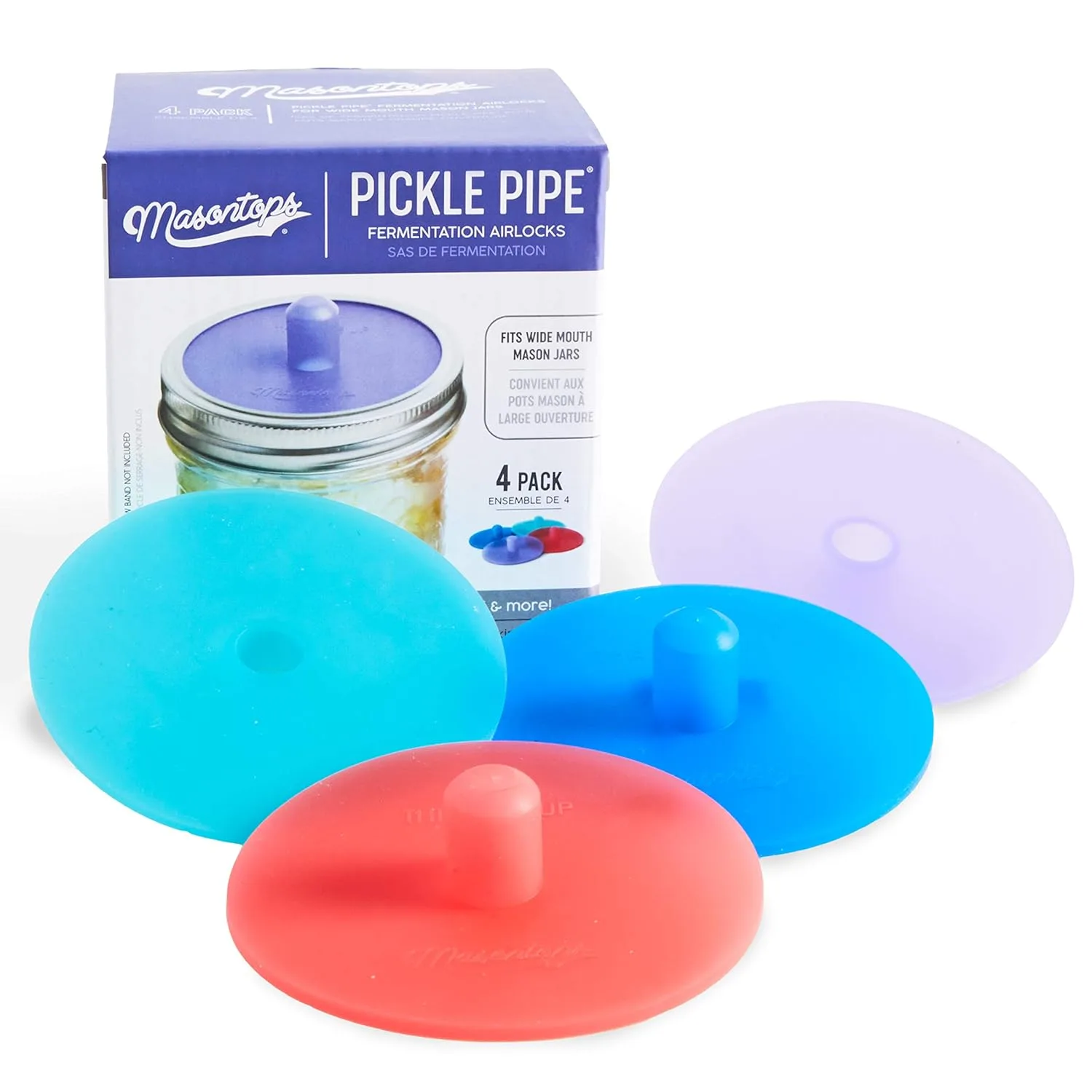
For small jars, I would use fermentation lids and glass weights
Traditional Bulgarian fermentation usually happens in a barrel, but small jars are more practical for many kitchens. A fermentation lid lets gas escape during active fermentation, while a glass weight keeps the vegetables below the brine.
This is especially useful for cucumbers, green tomatoes, shredded cabbage, and small mixed raw pickles — the kind of ferments where the biggest drama usually starts when something floats above the liquid.
Temperature Matters
Sauerkraut and pickles are traditionally made in late autumn for a reason.
If it is too warm, fermentation starts quickly, but the vegetables can soften and the flavor can easily become unpleasant.
If it is too cold, the process almost stops.
The practical approach is to start at a moderate temperature. Then, once fermentation develops and the flavor becomes sour enough, move the container to a cooler place.
Recipe: Whole-Head Sauerkraut
Classic Bulgarian sauerkraut in a barrel
Ingredients
- firm, healthy cabbage heads;
- water;
- 30–35 g coarse sea salt per liter of water;
- horseradish root, optional;
- quince or a corn cob, according to family tradition.
Method
- Remove damaged outer leaves.
- Cut out the core in a cone shape, or make a deep cross so the brine can penetrate.
- Arrange the cabbage heads tightly in the barrel. Empty spaces can be filled with halves or quarters.
- First measure how much water the container takes. Then calculate the salt according to the liters.
- Example: 10 liters water — 300–350 g salt; 20 liters water — 600–700 g salt; 30 liters water — 900–1050 g salt.
- Press the cabbage down and keep it below the liquid.
- After a few days, start draining and returning the brine. At the beginning, this can be done daily or every other day.
- When the cabbage becomes pleasantly sour, keep the barrel in the coolest place possible.
Recipe: Shredded Sauerkraut in a Jar
A smaller batch for a jar or container
Ingredients
- 5 kg white cabbage;
- 100 g salt;
- carrot, optional;
- caraway or black pepper, optional.
Method
- Cut the cabbage into thin strips, about 2–4 mm wide.
- You can use a sharp knife, a mandoline slicer, or a cabbage shredder.
- The more evenly it is cut, the more evenly it ferments.
- Mix the cabbage with the salt and rub it with your hands until it starts releasing juice.
- Pack it tightly into a jar or container, pressing each layer down.
- Its own juice should cover the cabbage. If there is not enough, add a little brine with the same salt ratio.
- Place a weight on top.
- Once it reaches the flavor you like, move it to a cold place.
Recipe: Raw Pickles in a Barrel
Mixed fermented pickles without vinegar
Vegetables
- green tomatoes;
- round red peppers or bell peppers;
- carrots;
- cauliflower;
- white cabbage;
- celery;
- garlic;
- small cucumbers;
- horseradish, optional;
- 30–35 g salt per liter of water.
Method
- Leave the green tomatoes whole, pierce them, or make a small cut.
- Cut the carrots into thick rounds or sticks.
- Divide the cauliflower into medium florets.
- Cut the cabbage into large pieces.
- Leave small peppers whole, or cut larger ones into quarters.
- Prepare the celery like this: root cut into sticks, leaves left whole.
- Leave the cucumbers whole.
- Arrange the vegetables tightly, cover with cold brine, and press them down.
- After a few days, you can start draining and returning the brine.
- Do not add vinegar and sugar. If you add them, you are making pickled vegetables, not fermented raw pickles.
Recipe: Fermented Green Tomatoes
Salt brine, garlic, and celery
Ingredients
- green tomatoes;
- carrots;
- garlic;
- celery;
- hot pepper, optional;
- 30–35 g salt per liter of water.
Method
- Wash the tomatoes and pierce them around the stem end.
- Cut the carrots into thick sticks and leave the garlic cloves whole.
- Arrange everything in a jar or barrel and cover with cold brine.
- Everything must stay submerged.
Recipe: Fermented Cucumbers Without Vinegar
Crunchy cucumbers in salty brine
Ingredients
- small firm cucumbers;
- dill;
- garlic;
- horseradish;
- grape or sour cherry leaves, optional;
- 35–40 g salt per liter of water.
Method
- Soak the cucumbers in cold water for a few hours.
- Pack them tightly with dill and garlic.
- Grape, sour cherry, or oak leaves appear in many home traditions because of their aroma and firming effect, but they cannot rescue an old, soft cucumber.
- Cover with brine, keep everything submerged, and ferment until pleasantly sour.
How to Know the Process Is Going Well
Normal signs include:
- bubbles;
- a slight fizzing sound;
- a fresh sour aroma;
- cloudy brine;
- a change in color;
- natural sediment.
Cloudy brine by itself does not mean spoilage.
When to Throw It Away
Do not use the ferment if you see or smell:
- fluffy green, black, pink, or orange mold;
- a rotten smell;
- slimy brine;
- vegetables falling apart;
- vegetables that have stayed above the liquid for too long;
- obvious rotting.
Questionable pickles are not tasted “just a little.”
What to Do With Sauerkraut Juice
Sauerkraut juice is a natural part of Bulgarian sauerkraut.
It is used:
- as a drink;
- in soups;
- in cabbage dishes;
- to season stuffed cabbage rolls;
- in some families as a base for a winter soup.
It is salty and not suitable in large amounts for everyone, especially for people who need to limit sodium.
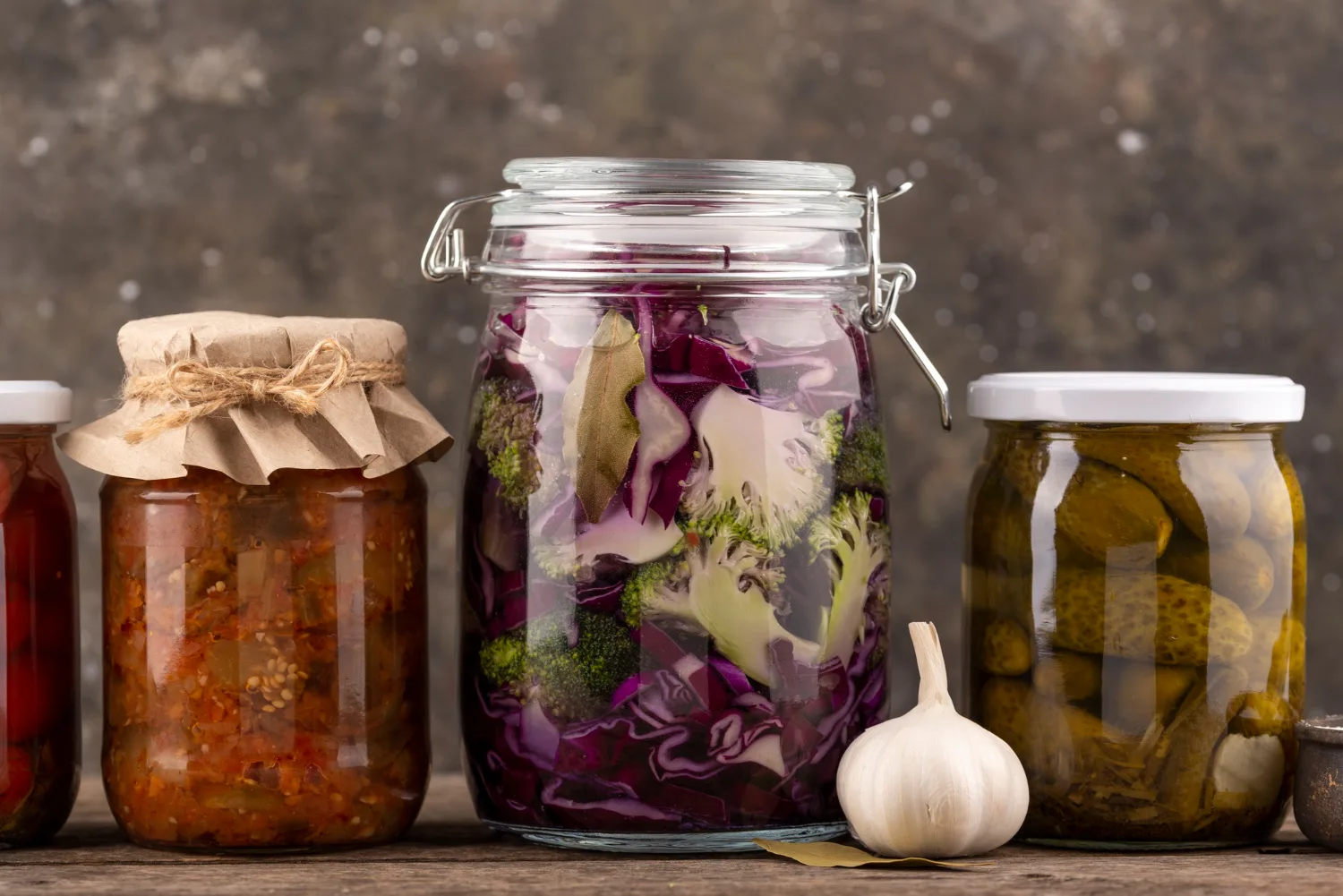
The Bulgarian Barrel Is Not the Only Way
In Bulgaria, we prefer whole cabbage heads because the leaves are needed for stuffed cabbage rolls, and the sauerkraut juice has its own role.
In other countries, cabbage is shredded much more finely, and people add carrots, caraway, juniper, apples, hot peppers, ginger, and fermented seafood.
You can find a detailed comparison here:
Sauerkraut Around the World: From the Bulgarian Barrel to Choucroute, Sauerkraut, and Kimchi
Curious why the French add juniper and wine, the Poles add carrot and caraway, and the Koreans add chili paste and fermented seafood?
Read more about how different countries make fermented cabbage — from the Bulgarian barrel to French choucroute, German sauerkraut, and Korean kimchi.
For extra inspiration, you can also look at a detailed homemade sauerkraut / choucroute recipe , as well as video ideas for kimchi and classic sauerkraut .
This post may contain affiliate links. As an Amazon Associate, I earn from qualifying purchases.
