
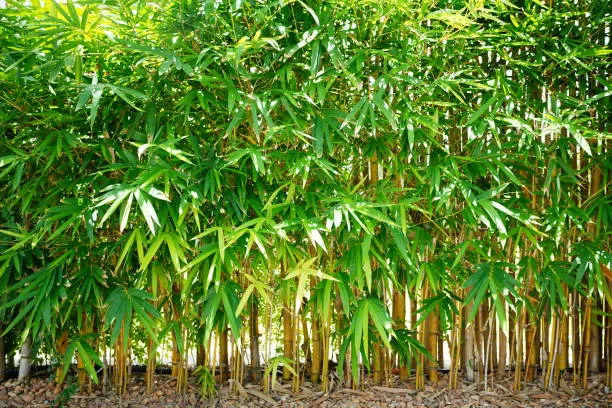
Some plants simply occupy space in the garden, while others change the entire atmosphere. Bamboo definitely belongs to the second group.
Even a light breeze brings movement, sound and that particular filtering of light that is difficult to create with an ordinary hedge. But with bamboo, a beautiful photograph is not enough reason to buy it.
Before planting, there is one question that matters far more than stem colour or eventual height: how does this particular bamboo grow?
The answer determines whether, a few years later, you have an elegant green screen or find yourself walking across the lawn looking for new shoots far from where the plant was originally placed.
First, I Want to Know What Type of Bamboo I Am Buying
Bamboo belongs to the grass family and develops underground rhizomes, from which new canes emerge. But the way those rhizomes grow differs dramatically between the main groups.
The biggest mistake with bamboo is not the plant itself, but buying it without knowing how it grows.
Fargesia Is the Calmer Choice for a Home Garden
If I had a small or medium-sized garden, Fargesia would be one of the first bamboos I would consider. It grows in clumps and does not produce the long spreading rhizomes typical of running bamboo.
That does not mean it stays forever the size of the pot in which you bought it. The clump gradually becomes wider and still needs genuine space. But its growth is much more predictable.
I like it for a softer green screen, around a terrace, in Japanese-style planting or as a background that does not feel too heavy.
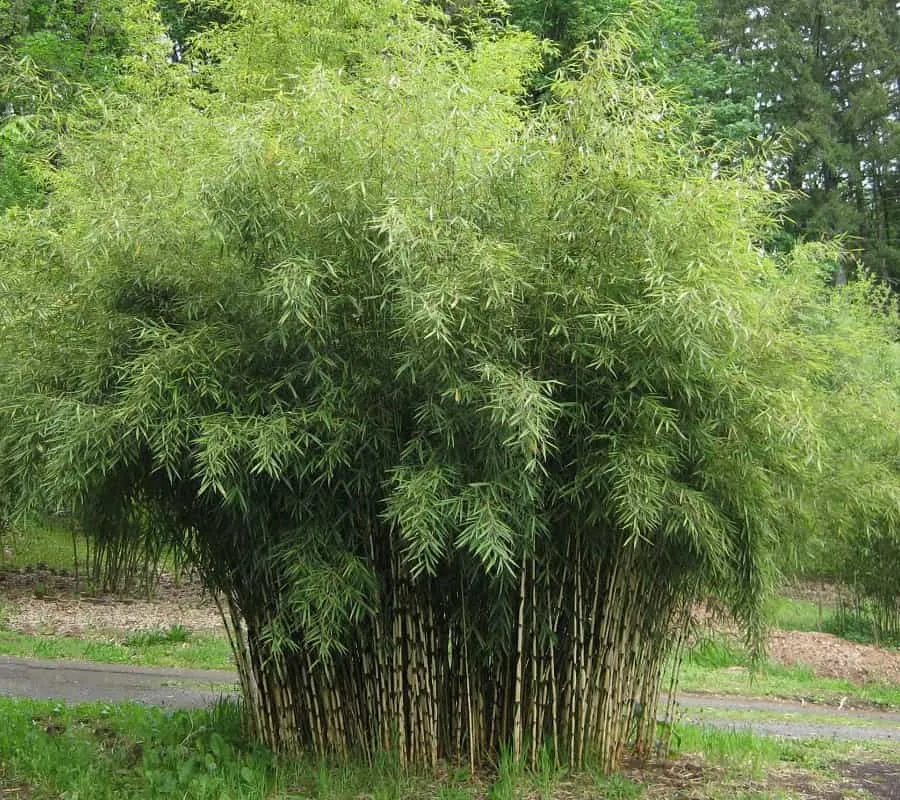
With Fargesia, I would still check the specific cultivar, because mature size, shape, sun tolerance and cold hardiness can differ.
Phyllostachys Is Impressive, but It Needs a Plan
Phyllostachys has a very different presence. This group includes many of the tall bamboos with clearly visible canes and the strong architectural effect people often have in mind.
But this is also the group that includes many running bamboos. In suitable soil and with enough moisture, their rhizomes can begin to spread well beyond the original planting area.
If there is paving, lawn, a nearby fence or a neighbouring property, I would not rely only on cutting back shoots as they appear.
A small garden, a narrow strip beside a fence, paving close by, or any situation where I know I will not be able to monitor the plant's boundary every year.
With Running Bamboo, the Rhizome Barrier Is Part of the Planting
If I do choose bamboo with spreading rhizomes, I would decide how it will be contained before I dig the planting hole.
A physical rhizome barrier should be continuous, durable and deep enough, with its upper edge left visible above the soil. This makes it easier to spot a rhizome attempting to cross over the top.
I leave enough room for a healthy group of canes instead of squeezing the bamboo into an unrealistically small circle.
The material needs to be durable and continuous, without gaps that rhizomes can exploit.
This helps prevent rhizomes from quietly crossing over the barrier.
Even a properly installed barrier does not remove the need for occasional checking.
The Location Determines Whether Bamboo Will Actually Look Good
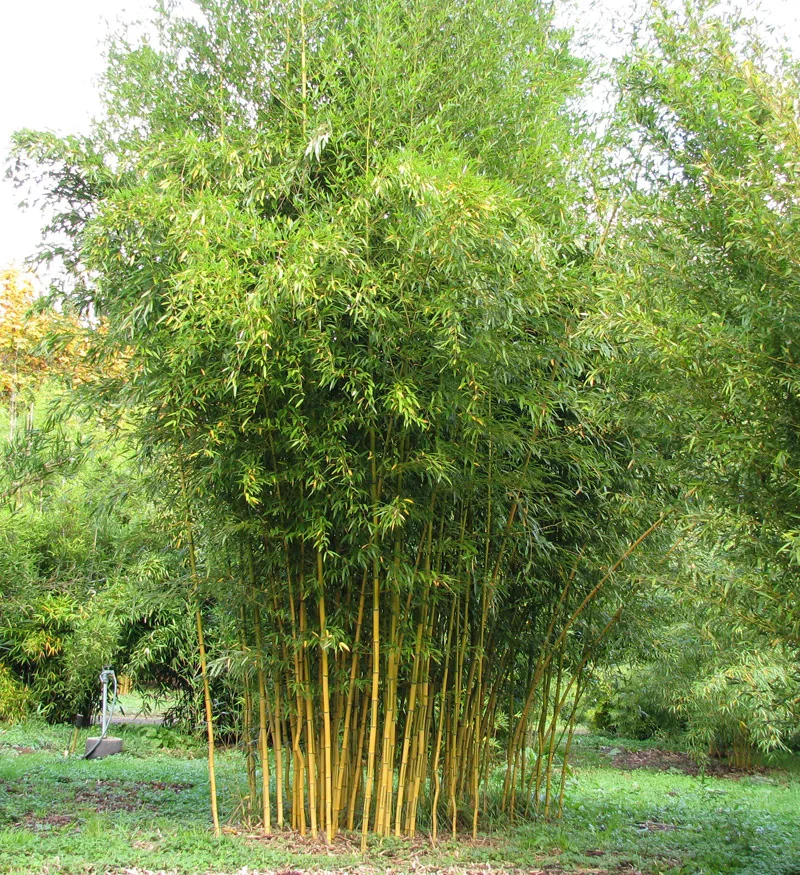
Bamboo is not a plant I would put just anywhere. It works best when it has a clear purpose.
I like it less when bamboo is simply used to fill a huge area without a clear reason. It has a strong enough presence already, and I think it works better when it is given a specific role.
Soil and Water Matter More Than They First Appear To
Most garden bamboos prefer fertile, moisture-retentive but well-drained soil.
Moist does not mean waterlogged. In heavy soil with poor drainage, I would improve the conditions before planting. In a very dry position, the leaves may begin to curl and growth can weaken.
Regular watering is especially important during the first few years. Mulch helps retain moisture and gradually improves the organic content of the soil.
Bamboo Can Be Beautiful in a Container, but It Is Not Maintenance-Free
A large container is a good way to use bamboo on a terrace, in a courtyard or as a separate green accent.
But the plant has access to only a limited volume of soil. That means more frequent watering, occasional feeding and, eventually, division or repotting.
I would choose a genuinely large container, rather than a decorative pot that only looks adequate during the first year.
The bamboo begins to dry out very quickly, growth weakens and the roots gradually fill all of the available space.
Cold Weather Does Not Automatically Mean Bamboo Is Unsuitable for Bulgaria
Its appearance can be misleading. Many bamboos look tropical, but some species are surprisingly cold hardy.
I would not, however, rely on a general label such as “hardy bamboo.” I always check the exact species and cultivar.
Minimum temperature is not the only factor. Winter wind, exposure, soil moisture and how well established the plant is also matter.
After a severe winter, the foliage may look damaged without the entire plant necessarily being dead.
Once Established, Bamboo Care Is Not Complicated
With the right species in the right place, bamboo does not require some mysterious care system.
I remove dry or damaged canes, and in a dense clump I may take out some of the older ones to allow more light in and reveal the structure of the plant.
With running bamboo, however, monitoring the rhizomes remains a permanent part of maintenance.
If I had a small or medium-sized home garden, I would start with a clumping bamboo from a suitable Fargesia cultivar.
If I wanted the tall, dramatic effect of Phyllostachys, I would accept from the beginning that rhizome control is part of the planting itself.
Bamboo can be one of the most beautiful plants in a garden, but only when the choice is made for the actual site rather than because of one beautiful photograph.