
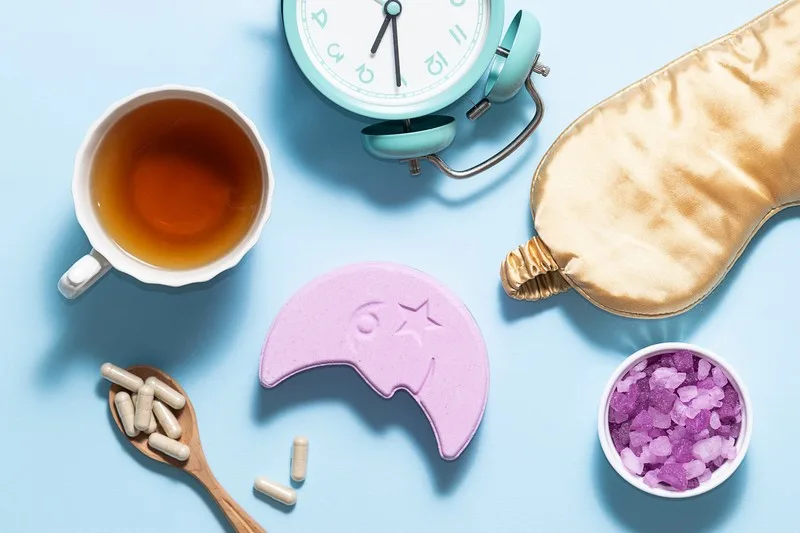
I will start with a confession: I am one of those people who can read about nutrition, herbs, magnesium, antioxidants and evening rituals... and still go to bed too late, phone in hand, thinking, “I will catch up tomorrow.”
Except sleep is not a bank loan. It is not quite that easy to repay. And after spending a while trying to “optimize” everything else, I eventually arrived at a much simpler idea: stop getting in the way of my body's ability to sleep.
It turned out that my most effective biohack was not a new supplement. It was simply going to bed on time.
I came across a sleep protocol, read it and started experimenting with the parts that made sense for my own life. Not fanatically, and not as another self-improvement project. More through trial, error and a reasonable amount of self-irony.
First, I Changed the Most Obvious Thing - My Bedtime
The least convenient truth was that if I wanted to sleep well, I could not keep treating the night as a second working day.
For a long time, I assumed that if I technically spent enough hours in bed, everything was fine. In practice, late nights, the phone and a brain that was still “working” were not particularly impressed by that mathematics.
When I simply started moving my evenings earlier, my mornings became more normal. Not magical. Just more normal - which, during certain periods, is quite enough.
And yes, I still stay up too late sometimes. The difference is that now I no longer try to convince myself that it has no effect whatsoever.
Morning Light Turned Out to Be the Easiest Habit
This may be the simplest change in my entire routine. During the first hour after waking, I try to get outside for a little while.
It is not a workout and it is not an elaborate morning ritual. Sometimes it is the terrace, sometimes the garden, sometimes a short walk with coffee and the expression of someone who is not yet available for conversation.
Natural morning light plays a role in synchronizing our circadian rhythm, so this habit has considerably more logic behind it than its simplicity might suggest.
Afternoon Coffee Was More of a Problem Than I Wanted It to Be
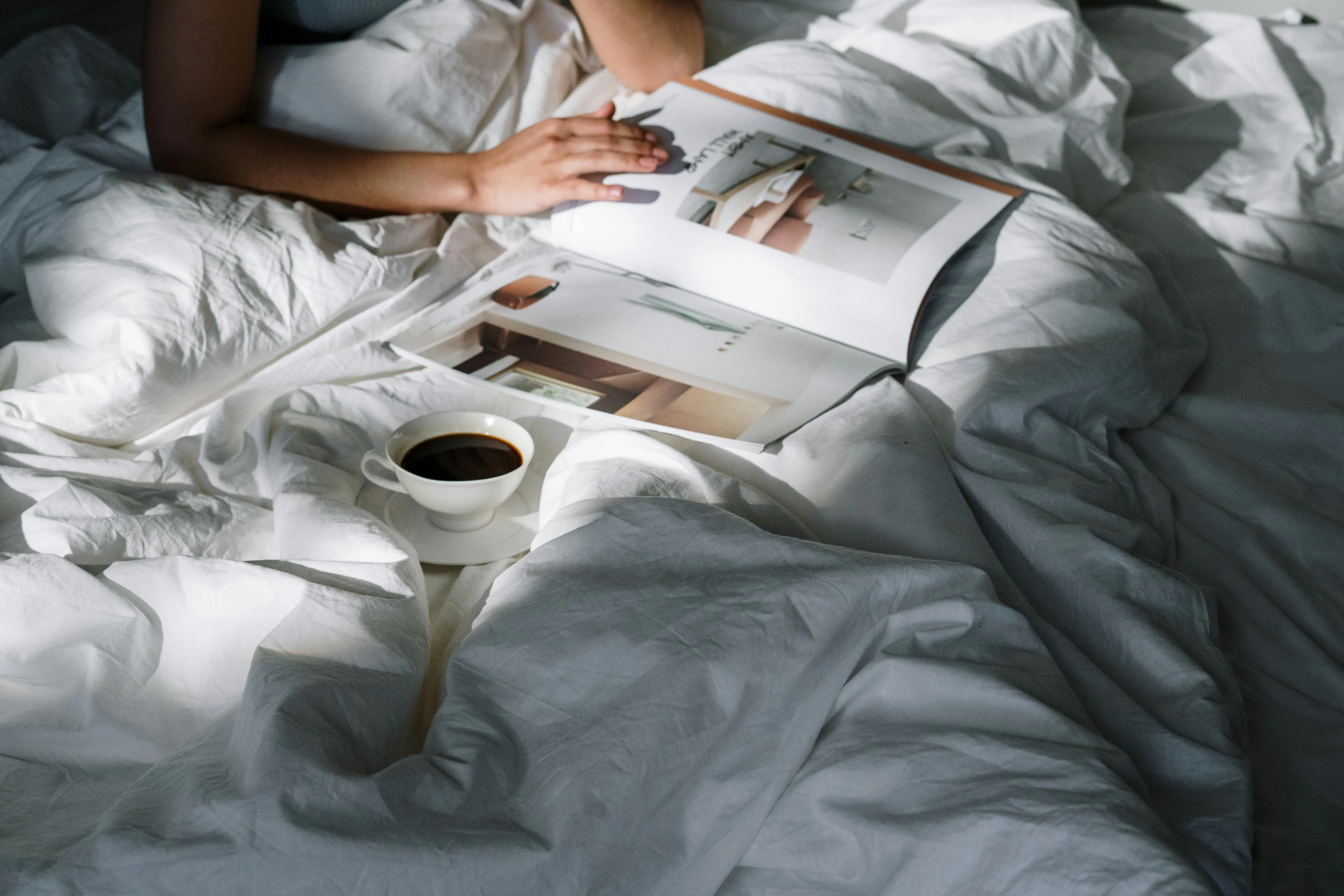
This was the sad part of the experiment, because I like coffee. And I do not particularly enjoy the idea that one perfectly innocent afternoon coffee can still have an opinion about when I fall asleep.
Caffeine, however, stays in the body for hours. For me, cutting it off earlier in the day became one of the changes I could most easily connect with falling asleep more peacefully.
My compromise: I try to have my last coffee around midday. I do not turn it into a religion, but when I stick to it, I usually notice the difference.
Dinner Somehow Became Part of the Story Too
You know that “just something light” in the evening that mysteriously turns into bread, cheese, something sweet and one final tour of the refrigerator? I know it too.
I simply feel better when I leave more time between dinner and sleep. Less heaviness and less of that feeling that just as I am ready to finish the day, my digestive system is beginning the night shift.
Not every evening “reward” is actually a reward. Sometimes it is just poor planning in attractive packaging.
My Phone Does Not Relax Me Quite as Much as It Pretends To
This was the hardest part. The phone looks like relaxation, but it can very quickly turn into news, videos, work, other people's lives and a sudden fascination with a subject that has absolutely no relevance at 11:47 p.m.
I started putting the screen away earlier and replacing the last part of the evening with quieter things - a book, a shower, softer lighting or simply a little time in which nothing particularly happens.
That last option turned out to be surprisingly underrated.
I Made the Bedroom a Place for Sleep Again
A cooler room. Less light. Less noise. Nothing particularly impressive and nothing requiring complicated equipment.
The fewer signals there are around me suggesting that the day is still continuing, the easier it becomes to move toward its end.

What About Supplements?
This is where I am much more cautious. I do not believe that a supplement can compensate for late nights, too much caffeine, a bright screen until midnight and a completely chaotic routine.
I use some products as part of my personal routine, but I do not see them as treatments for insomnia or universal recommendations. Responses to supplements vary, and if medications or health conditions are involved, it makes sense to speak with a doctor or pharmacist first.
Supplements cannot organize a chaotic routine for us. For me, they only make sense once the foundation is already reasonably good.
Magnesium Bisglycinate
Magnesium bisglycinate is one of the forms I use in the evening. The main reason is that this form is generally well tolerated and fits easily into my evening routine.
I do not think of it as a “sleeping pill,” and I do not expect one capsule to compensate for a poor routine.
Products I Look At
Glycine
Glycine is an amino acid that also has a place in my evening routine. For me, the idea is not to take something “strong,” but to make it one small part of a calmer transition toward the end of the day.
Here too, I separate personal experience from promises: the fact that a product fits my routine does not mean it will necessarily have the same effect for someone else.
Collagen - But Not as a “Sleep Supplement”
We usually associate collagen with skin, joints and connective tissue. I mention it here because of its amino acid profile and its glycine content, not because I consider collagen a sleep aid.
Different products have very different formulas, so I would always look at the actual ingredients rather than relying only on the word “collagen” on the label.
Collagen
Melatonin
I approach melatonin more cautiously. For me, it is not an automatic everyday choice and I do not use it as a substitute for a normal sleep-wake rhythm.
If someone takes medication, has a chronic health condition, is pregnant or has persistent sleep problems, I would discuss melatonin with a medical professional before using it.
Melatonin Products
And Sometimes the Problem Is Simply the Pillow
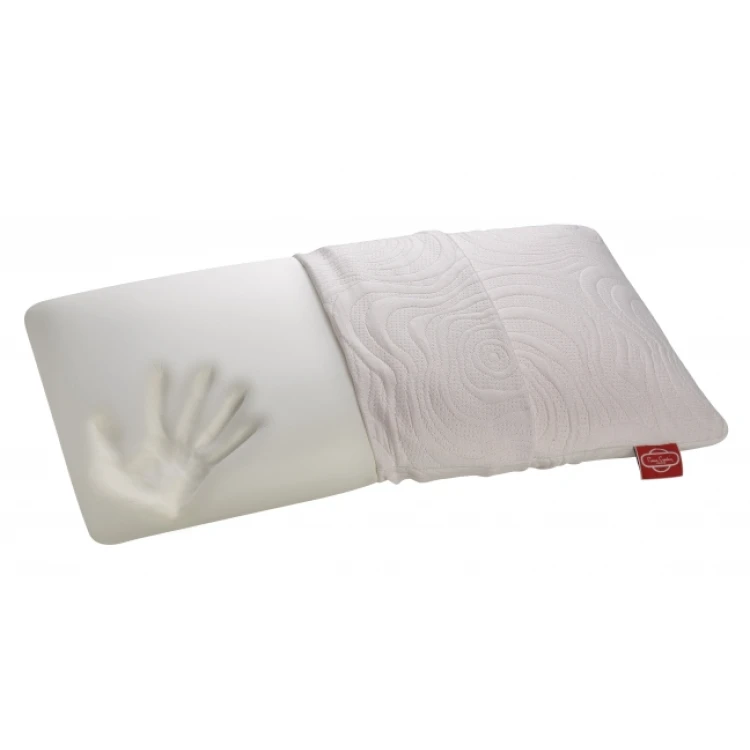
When we think about sleep, it is easy to jump straight to biochemistry, while sometimes the issue is much more physical - an uncomfortable position, a room that is too warm or a pillow that makes every morning begin with negotiations between the neck and shoulders.
The Pillow I Use
A comfortable pillow will not solve every sleep problem, but physical comfort is definitely part of the bigger picture.
Important: this is my personal experience, not medical advice. Persistent or severe insomnia deserves medical evaluation. If you take medication or have a health condition, discuss supplements with a doctor or pharmacist.
What Actually Changed for Me
I did not become a new person. I did not start waking up at five in the morning singing and looking forward to an ice-cold shower. I will not pretend otherwise.
But I did start noticing something more useful: a greater sense of internal order. A clearer head in the morning and less of that feeling that the day has already started me before I have started it.
If I Had to Reduce It to a Few Things
- I try to go to bed earlier and at a reasonably consistent time.
- I get natural light in the morning.
- I cut caffeine off earlier in the day.
- I leave more time between dinner and sleep.
- I reduce phone use and bright light in the evening.
- I keep the bedroom quiet, dark and comfortable.
- I treat supplements as an addition, not the foundation.
Finally
My biggest discovery was that sleep does not require genius. It requires a little more respect.
We do not always need to invent new and complicated strategies in order to feel better. Sometimes it is enough to stop interfering with the body while it does something it already knows how to do.
So this is my sleep protocol - imperfect and entirely human. Created by someone who gradually realized that good sleep is not a luxury.
I am not trying to make my sleep perfect. I am simply trying not to sabotage it every evening.
This article was inspired by “The Sleep Protocol” by Gary te Roller and by my personal experience with some of the habits described above.
Some of the links in this article are affiliate links. If you purchase a product through them, I may receive a small commission at no additional cost to you.