Table of Contents
I love annual plants in the garden. With them, I can create completely different combinations every year and change the colors, heights and overall mood of individual flower beds.
That is probably the most enjoyable thing about them - nothing is permanent. If I do not like a combination, I simply create a different one the following year.
And when chosen well, many of them bloom practically until the first frosts.
Why I Like Annual Flowers
Annual plants give me a freedom that perennials can rarely offer. I can experiment with new colors, shapes and combinations without committing to the same design for years.
They Have Their Downsides Too
Of course, all of this comes at a price. Annual plants usually need more regular care throughout the season.

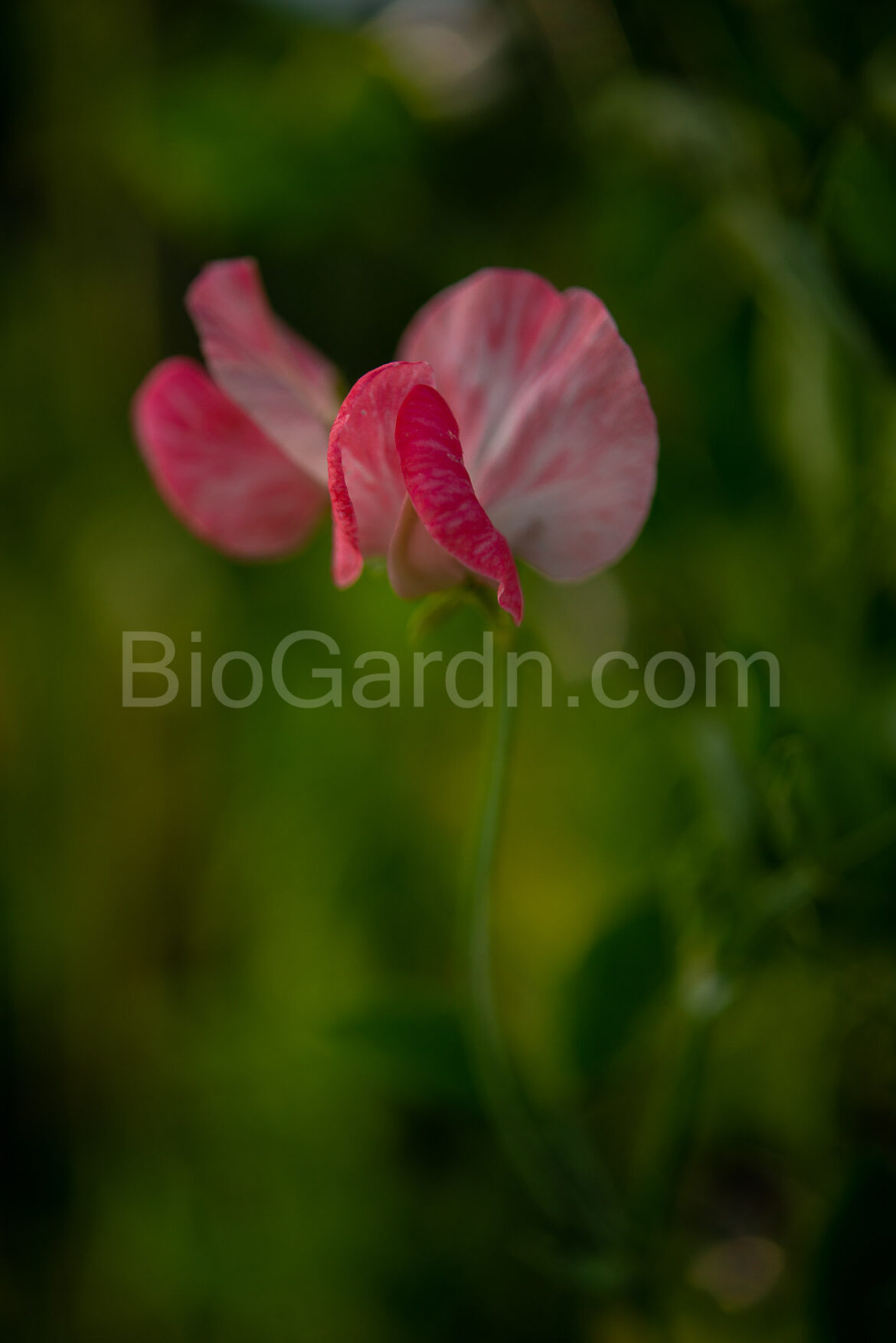

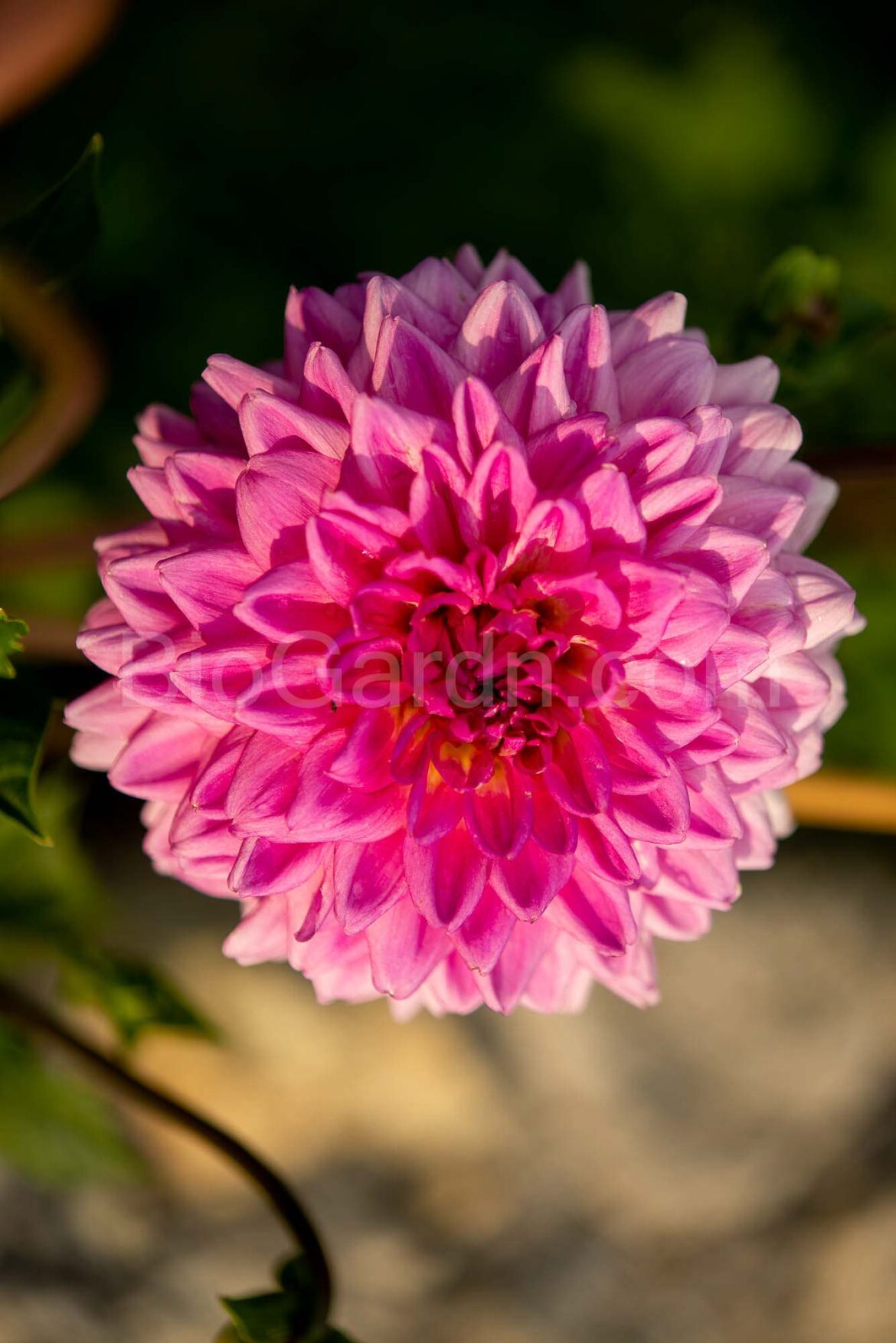
Ready-Grown Plants or Directly from Seed
With annuals, there are two main options: buy ready-grown plants or sow the seeds yourself.
If I want to see the result immediately, I buy ready-grown plants in pots and combine them on the spot.
It gives me that pleasant feeling of being a “garden creator,” because I can compose colors, heights and textures almost on a what you see is what you get basis.
I really like this method because I often do not have the patience to wait.
There is another reason too. Some plants are relatively difficult to raise from seed at home. Petunias, for example, have very fine seeds and need more attention during germination and while the young plants are developing.
One Mistake I Will Not Repeat
One of the mistakes I made when planting ready-grown annuals was placing them too close together.
When they are small, the bed looks sparse and empty, and it is easy to be tempted to add more plants.
Only a few weeks later, however, they begin to grow and suddenly there is no longer enough space for them.
With annuals, a little empty space during the first week is almost always better than an overcrowded bed a month later.
How I Plant Young Annuals
Mulch is useful too - it reduces water loss, suppresses weeds and helps keep soil moisture more even.
How I Combine Annuals in the Garden
Over time, I have learned that more is not always better.
I find combinations of two to four main colors the most effective. If everything is flowering in every possible shade at once, the garden can quickly start to look chaotic.
I also prefer one compact, well-defined area of flowers to lots of individual plants scattered everywhere.
The effect is much stronger that way.
I Work with Height Too
The same or similar species can have both short and tall varieties, so I also look at the composition vertically.
I usually place shorter plants at the front and taller ones at the back, but I do not follow that rule mechanically. A little variation in height makes the bed feel more natural.
Not Everything Has to Flower
Foliage is part of the composition too.
Some plants have such interesting leaf shapes and colors that they make a beautiful background for flowering plants.
Combining flowers with different foliage textures is often much more interesting than a bed in which every plant is trying to be the main character.
Repetition Makes the Composition Calmer
Instead of buying one plant from ten different varieties, I prefer larger groups of a few repeated plants.
This creates rhythm, borders and clearer outlines.
The same applies to texture - mixing fine, dense, upright and more spreading forms gives the composition more energy.
Annual Plants for Sun
Among the plants I use, or would use, in sunny positions are:
Celosia especially impressed me. It created beautiful texture throughout the season and is now one of the plants I definitely want to use again.
Plants for Shadier Areas
There are plenty of options for places with less direct sunlight too.
Begonias, lobelia, fuchsias and coleus are among the plants that can bring plenty of color and foliage texture to areas where typical sun-loving annuals would not be happy.
I always check the specific species and variety, because “shade” does not mean exactly the same thing for every plant.
The Best Part Is That Next Year I Can Start Again
That is exactly what I like most about annual plants.
One year I can make the composition calmer and greener, the next I can focus on coral and purple, and the year after that I may decide everything should be white.
Nothing is permanent.
Annuals give me the freedom to change my mind about my own garden every spring.
And for someone who constantly likes to move things, change things and come up with something new, that makes them almost the perfect type of plant.