
Peonies are one of those plants that are in no hurry to impress during their first season. Give them the right place, the right planting depth and a little time, and they will become fuller and more impressive with every passing year.
In my garden, they are some of the most reliable perennials. They do not need constant attention, which is exactly why it is worth getting the most important part right from the beginning: planting.
When a peony grows but does not flower, develops poorly or seems to remain almost unchanged for years, the reason can often be traced back to the beginning - the planting material, the location or the way it was planted.
So here I have gathered the most important things to know about choosing a peony root and planting herbaceous peonies so that the plant gets the best possible start.
First - What Type of Peony Are We Planting?
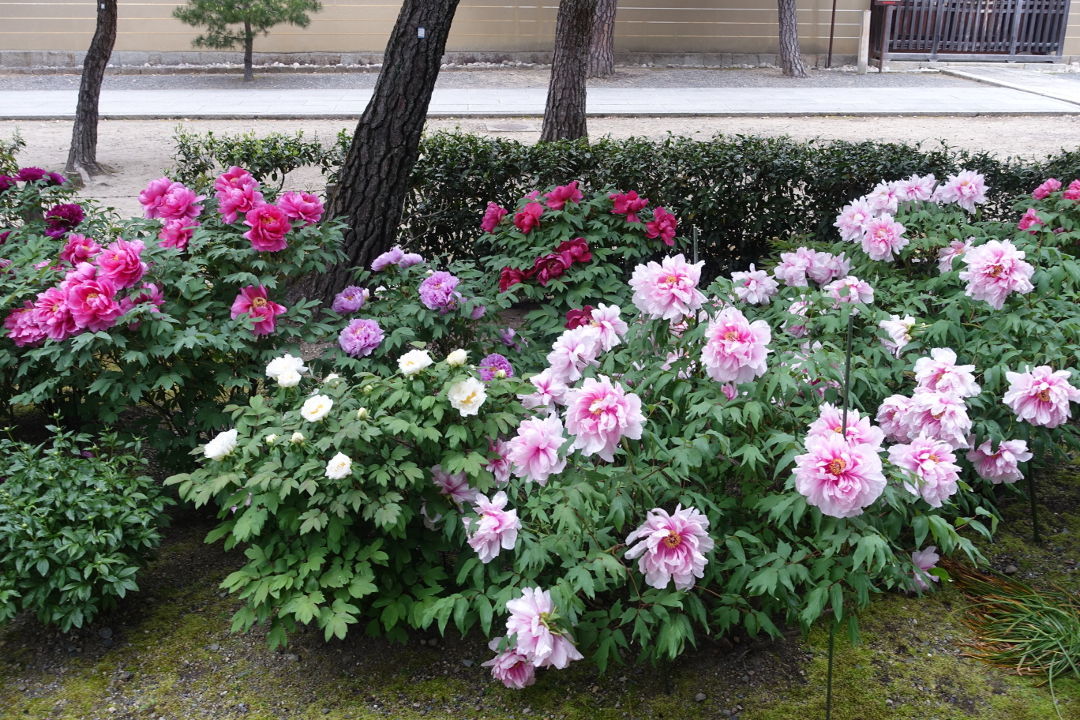
Peonies are a large group of plants, but in gardens you will most often come across three main types.
What Kind of Location Do Peonies Like?
A peony can remain in the same place for many years, so choosing the right location matters far more than constantly fussing over the plant later.
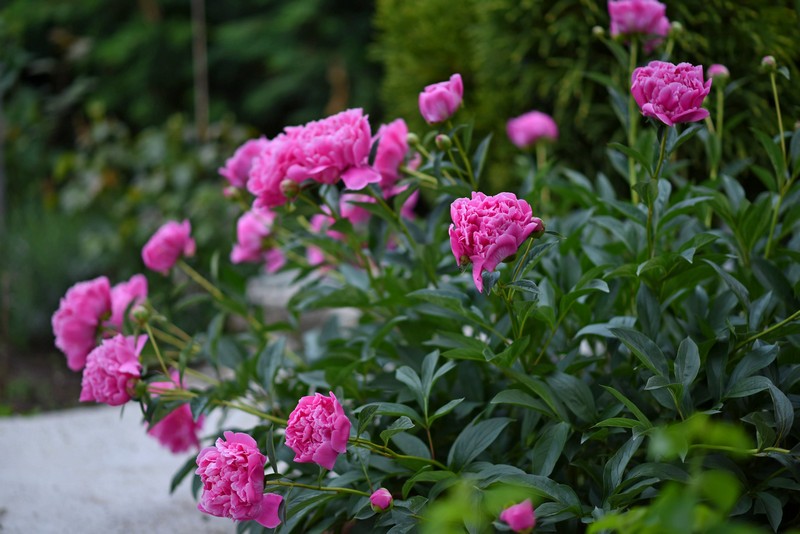
Peonies Actually Need Very Little Care
That is one of the reasons I like them so much. Once they are properly established, they are not plants that require us to constantly hover around them.
They can tolerate periods of dry weather, problems are generally limited, and most maintenance comes down to seasonal cleaning and feeding.
More serious problems usually appear where the soil holds too much moisture. That is why good drainage is more important than constant watering.
Potted Peony or Bare Root?
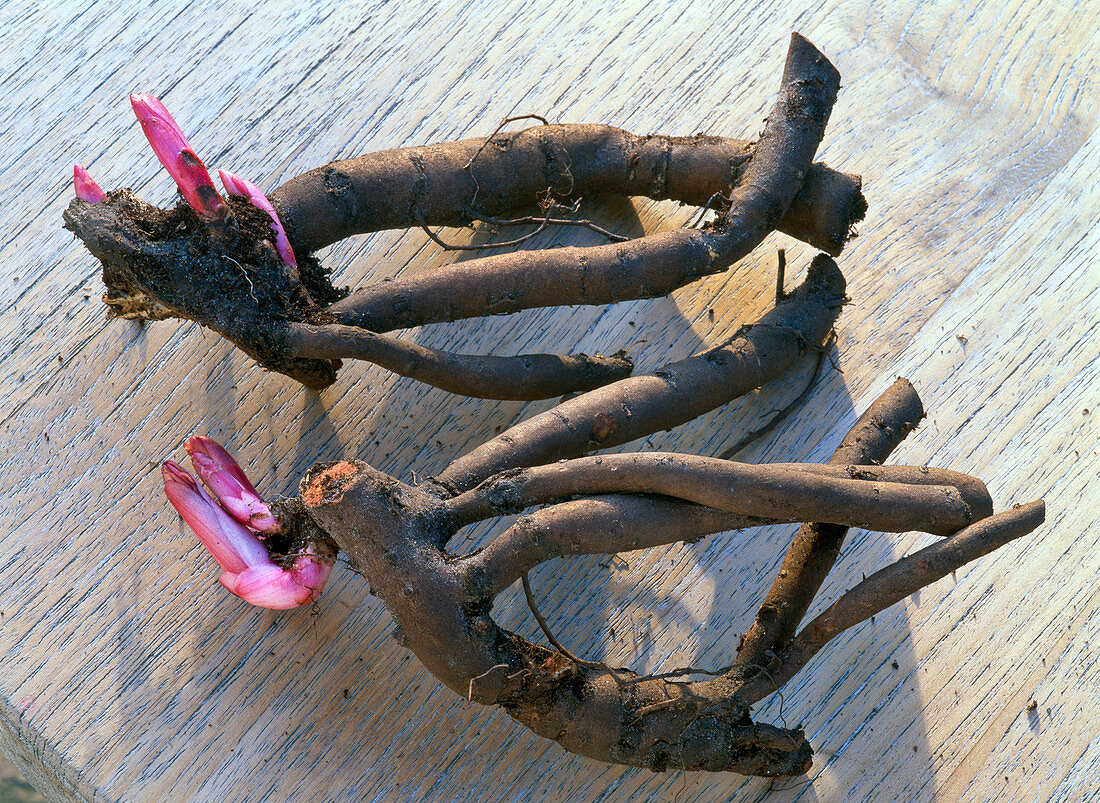
Peonies are most commonly sold either as established container-grown plants or as bare roots.
Bare roots are usually the more affordable option, but price should not be the only consideration. The quality and development of the root have a direct effect on how well the plant gets started.
Why Root Quality Matters So Much
A well-developed peony root is not produced in just a few months. Quality planting material takes years to grow because the plant needs time to build a strong enough root system before it is ready for sale.
In the original material, the production process is described as taking around four years - from planting and growing the young plants, through dividing the root systems, to preparing the finished planting material.
A cheap peony root and a good peony root can sometimes look very similar in your hand. The difference starts to show after planting.
This video shows how peony planting material is produced and prepared.
When Is the Best Time to Plant Peonies?
The best time to plant peonies is in fall.
The soil is still relatively warm while the air has already become cooler. This gives the plant a chance to begin developing its root system without immediately having to cope with summer heat.
There is no reason to rush with peonies. This is a plant that can remain in the same place for decades, so a few extra minutes spent planting it properly are definitely worthwhile.
How to Plant a Peony Correctly
1. Choose the Right Location
I look for a position with plenty of sunlight and no standing water. In the original recommendation, the guideline is at least around 6 hours of sunlight during the active growing season.
2. Prepare the Soil
If the soil is heavy, I improve it with well-rotted compost and, where necessary, material that helps improve drainage.
I prepare a sufficiently wide area around the future root rather than squeezing it into a small hole surrounded by hard, compacted soil.
3. Plant the Root at the Correct Depth
This is one of the most important parts.
The uppermost bud should remain relatively close to the soil surface. In the original recommendation, it is covered with around 5 cm of soil.
If a peony is planted too deeply, it may grow perfectly well but refuse to flower for a long time.
4. Backfill and Firm the Soil Gently
I return the soil around the root and settle it carefully so that there are no large air pockets, but without compacting it heavily.
5. Water Moderately
If the soil is dry, I water after planting. Again, the idea is not to turn the planting hole into mud, but simply to help the soil settle properly around the root.
What If You Have to Plant a Peony in Spring?
Sometimes planting material arrives in spring and there is little point in waiting until fall.
In my original approach, I first give the plant cooler conditions instead of placing it immediately into strongly warmed soil.
One option is to plant it in a container first and keep it in a cooler, more shaded part of the garden for a while. The idea is to give the root a chance to begin developing before the above-ground growth uses too much of its stored energy.
Should We Let a Peony Flower in Its First Year?
In my original practice, the answer is no.
As tempting as it may be to see that first flower, the idea is to encourage the young plant to direct its energy into the root system rather than into supporting a flower bud.
When Will You See the Peony's Real Potential?
Peonies are not plants for impatient gardeners.
There may not be a single flower during the first year. That alone does not mean anything is wrong.
The plant's true potential begins to become visible once it is well established, and in my original experience, by around the third year you usually have a much clearer idea of what that particular variety can do.
With peonies, the first year is a promise. The years that follow show whether we gave the plant a good start.
Then We Let Time Do Its Work
Once planted correctly and properly established, a peony can remain in the same place for many years.
At the end of the season, when the leaves and stems naturally begin to die back, I cut them down low and remove the plant debris.
Then comes the best part - leaving the peony to do what peonies do best: become a little stronger, a little larger and much more impressive with every passing year.