
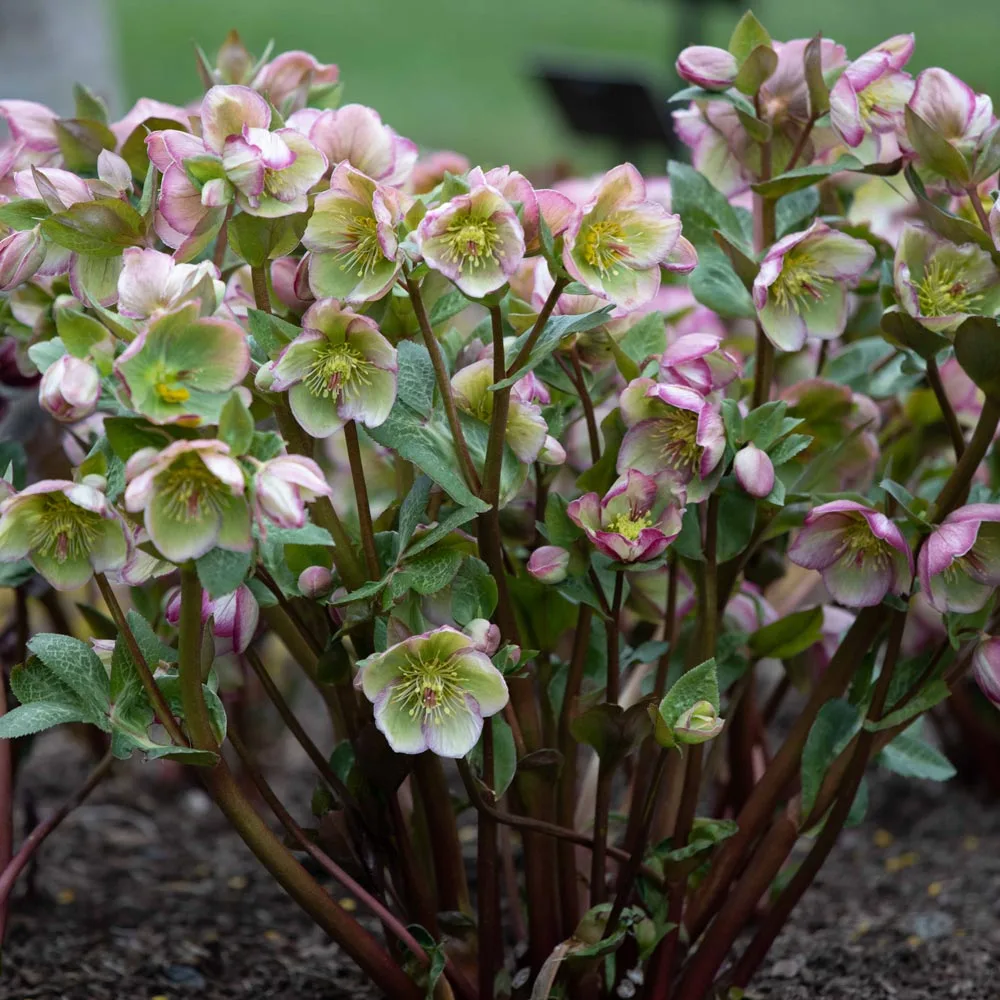
Some plants wait for true spring before they begin to show themselves. Hellebores do exactly the opposite.
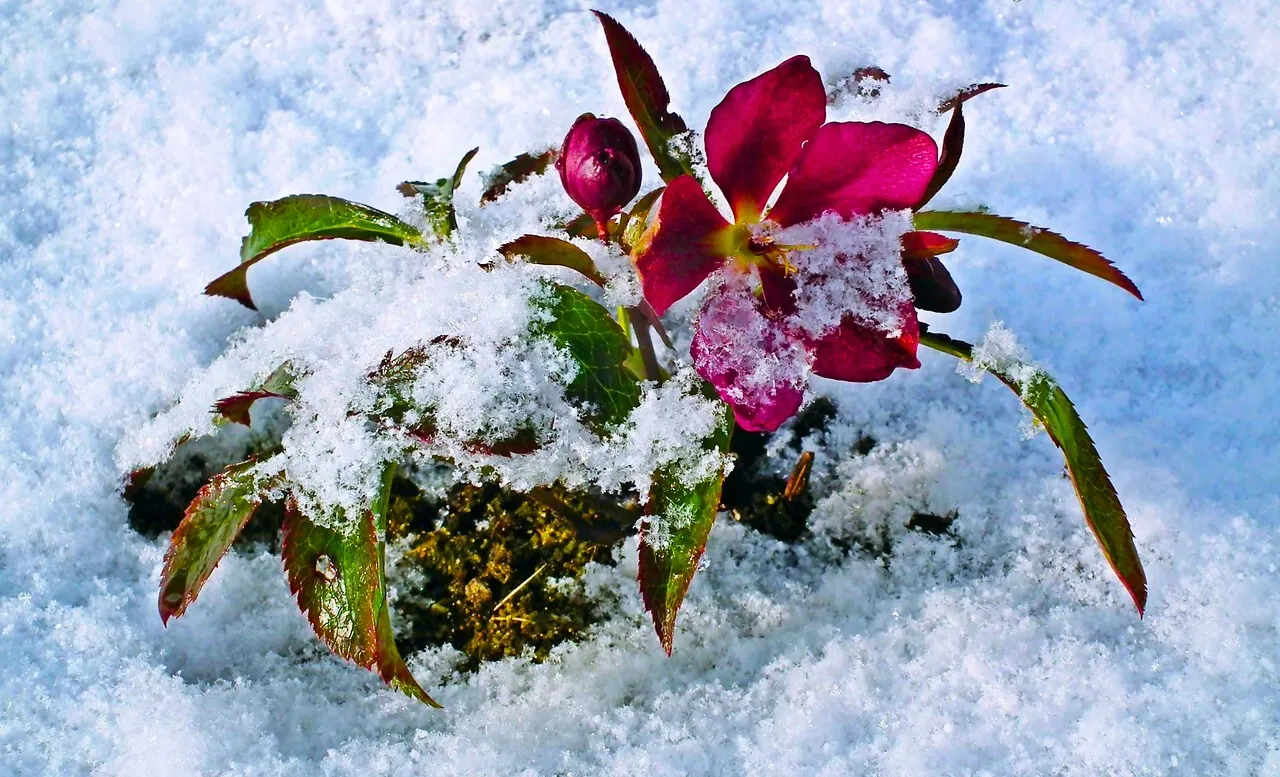
Depending on the species, cultivar and weather, the first flowers can appear in winter or at the very beginning of spring, while the garden is still almost bare.
That is exactly why I like them so much. This is not a plant that has to compete with dozens of other flowers. It appears at a time when just a few blooms are enough to change an entire border.
Hellebores do not wait for the garden to become colourful. They are among the plants that begin the season.
What Are Hellebores?
Hellebores (Helleborus) are a genus of perennial plants in the buttercup family (Ranunculaceae).
Different species occur naturally in parts of Europe and Asia, and today gardens also include a wide range of selected hybrids.
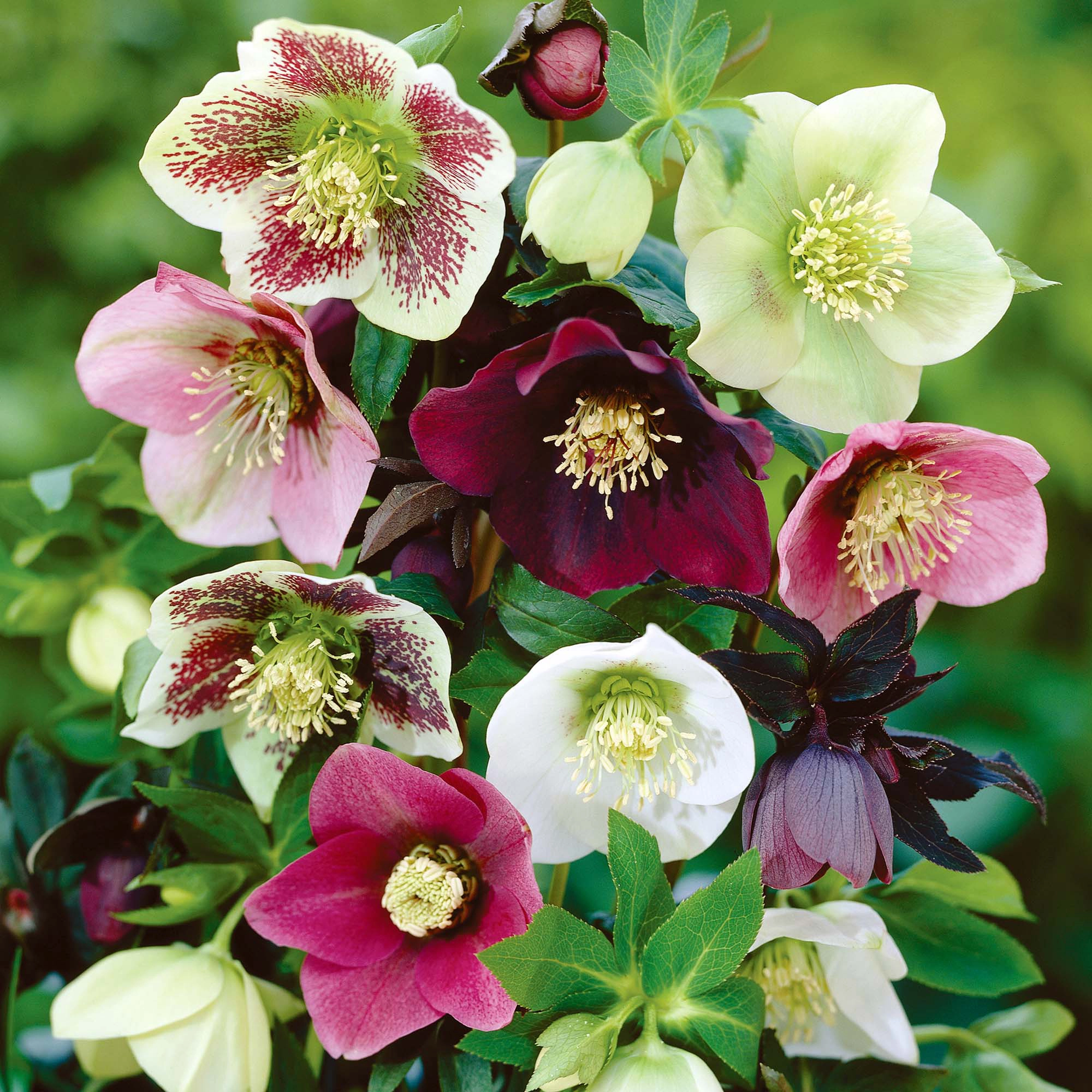
Their flowers can be white, cream, greenish, pink, purple, burgundy and almost black, including bicoloured, spotted and double forms.
When Do Hellebores Actually Flower?
There is no single flowering date for all hellebores.
Some species and plants in milder climates can begin flowering during winter. For others, peak flowering comes in February, March or early April.
That is why I would choose a plant not only by the flower colour on the label, but also by species or series, if flowering time is important to the planting scheme.
Helleborus niger is commonly known as the Christmas rose, while many popular garden hybrids associated with Helleborus orientalis are called Lenten roses. Their flowering periods can also differ.
Where I Would Plant Hellebores
If I had to choose one of the best positions, it would be beneath a deciduous tree or shrub.
In winter, plenty of light reaches the ground because the canopy has no leaves, while in summer the plant receives protection from the strongest sun.
This closely resembles the woodland-edge conditions that suit many hellebores.
The Soil Matters More Than Fertilizer
Hellebores prefer fertile, organic-rich and well-drained soil.
For me, that matters more than constantly adding strong fertilizers.
When planting, I would improve the soil with well-rotted compost, especially if the ground is poor or very compacted.
At the same time, I would avoid a position where water remains around the roots for long periods in winter.
With hellebores, the right position does more work than constantly trying to correct unsuitable conditions.
How I Would Care for Hellebores
Once established, these are not plants that require constant intervention.
New plants need sufficient water while they develop a strong root system.
Good moisture and waterlogging are two very different things.
A moderate layer around the plant is more useful than aggressive feeding.
A well-established hellebore can remain in the same place for many years.
Should Old Hellebore Leaves Be Cut Back?
With many garden hybrids, old or badly damaged leaves can be removed when the flower buds begin to emerge.
This has two advantages: the flowers become easier to see, and leaves with spots or other signs of damage are removed.
I would not automatically remove healthy foliage simply because it is winter. The approach depends on the species, the condition of the plant and the particular season.
Hellebore sap can irritate the skin, so I would wear gardening gloves when cutting back or cleaning the plants.
Diseases and Pests - What I Would Watch For
Hellebores generally do not require a constant spraying programme.
In wet conditions, leaf spotting can occur, while young growth and flowers can sometimes attract aphids.
Rather than using treatments preventively, I would begin with:
- good spacing between plants;
- removing badly damaged leaves;
- clean tools;
- avoiding permanently wet soil;
- monitoring new growth.
How Hellebores Look Through the Seasons
Where I Would Use Hellebores in the Garden
I like them most as part of a natural, partially shaded planting scheme, rather than as a single isolated plant in an otherwise bare bed.
- beneath deciduous trees;
- in partially shaded borders;
- along garden paths;
- in woodland-style or naturalistic gardens;
- in raised beds with good drainage;
- in large containers in a sheltered position.
In groups of several plants, the effect is stronger, especially when the flower colours are similar but not completely identical.
What I Would Plant with Hellebores
Here I would look for plants that use the same space at different times of the season.
- hostas;
- heucheras;
- ferns;
- astilbes;
- daffodils;
- crocuses;
- cyclamen;
- other shade-loving perennials.
I especially like combining them with spring bulbs: hellebores begin the season, and then daffodils, crocuses and other spring flowers gradually take over.
A good shady border should not be interesting only in summer. Hellebores are one way to make it begin much earlier.
Important - Hellebores Are Toxic Plants
This is information that I think belongs in every practical article about Helleborus.
All parts of the plant contain compounds that can be toxic if ingested.
For that reason, I would not plant hellebores where small children or pets are likely to chew on plants.
I would also use gloves when working with them, because the sap can irritate sensitive skin.
Advantages and Disadvantages
- very early flowering;
- well suited to partial shade;
- cold hardy when the right species or cultivar is chosen;
- can live for many years in the same place;
- available in many beautiful colours and forms;
- requires relatively little care once established.
- does not like permanently waterlogged soil;
- strong summer sun can be a problem in hot locations;
- does not appreciate unnecessary frequent transplanting;
- some selected cultivars can be expensive;
- the plant is toxic if ingested.
Are Hellebores Suitable for Bulgarian Gardens?
Yes. Many species and garden hybrids can be grown successfully in Bulgarian conditions, although the planting position still matters.
In colder regions, I would pay attention to the hardiness of the exact species or cultivar.
In hotter parts of the country, summer is often a greater challenge than winter.
There I would choose partial shade, protection from strong afternoon sun and soil that does not remain completely dry for long periods.
For me, hellebores are among the most useful plants if I want the garden to have real interest at the end of winter.
They do not need constant feeding or annual transplanting. What matters more is finding them a good position with suitable light, drainage and enough moisture.
Once established, they can become those quiet perennials that return every year exactly when we have been waiting for the garden to begin again.