
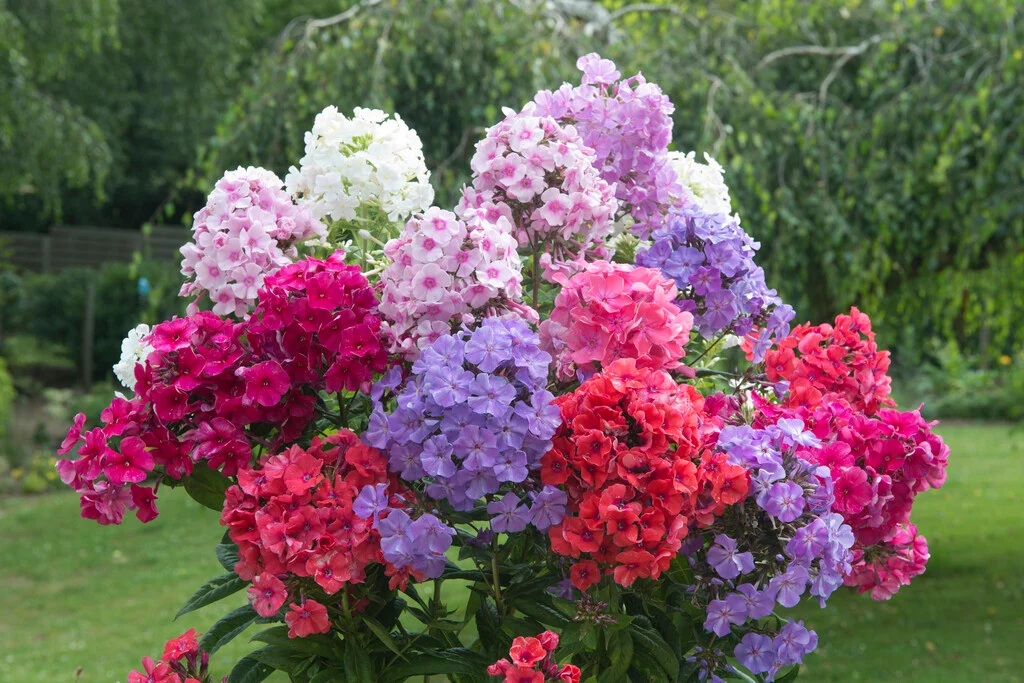
Phlox – Why Some Plants Become the Heart of the Summer Garden
Some flowers impress with their size.
Some flowers impress with their colors.
And then there are those you notice first because of their fragrance.
Phlox belongs to that last group.
At the height of summer, it creates dense clouds of color and scent that are impossible to ignore. Even when you do not immediately see it, you often notice its presence in the air first.
Perhaps that is why Phlox has remained a favorite among gardeners for generations. It does not rely solely on its appearance. It creates an atmosphere, something many plants struggle to achieve.
“Some flowers attract the eye. Phlox attracts all the senses.”
The more gardens I visit, the more I appreciate plants that create a feeling rather than simply filling space. Phlox is one of those plants.
What Is Phlox?
Phlox is a long-lived perennial ornamental plant known for its fragrant flowers and extended summer bloom period. The genus contains numerous species and cultivars, although the tall garden phlox varieties are the most commonly grown.
Native to North America, Phlox has been a staple of cottage gardens, perennial borders, and traditional landscapes for decades.
Depending on the variety, flowers can be white, pink, purple, lavender, red, or even bi-colored.
- hardy perennial plant;
- known for its fragrance;
- forms dense flowering clumps;
- blooms for an extended period during summer;
- attracts butterflies and bees;
- returns reliably every year.
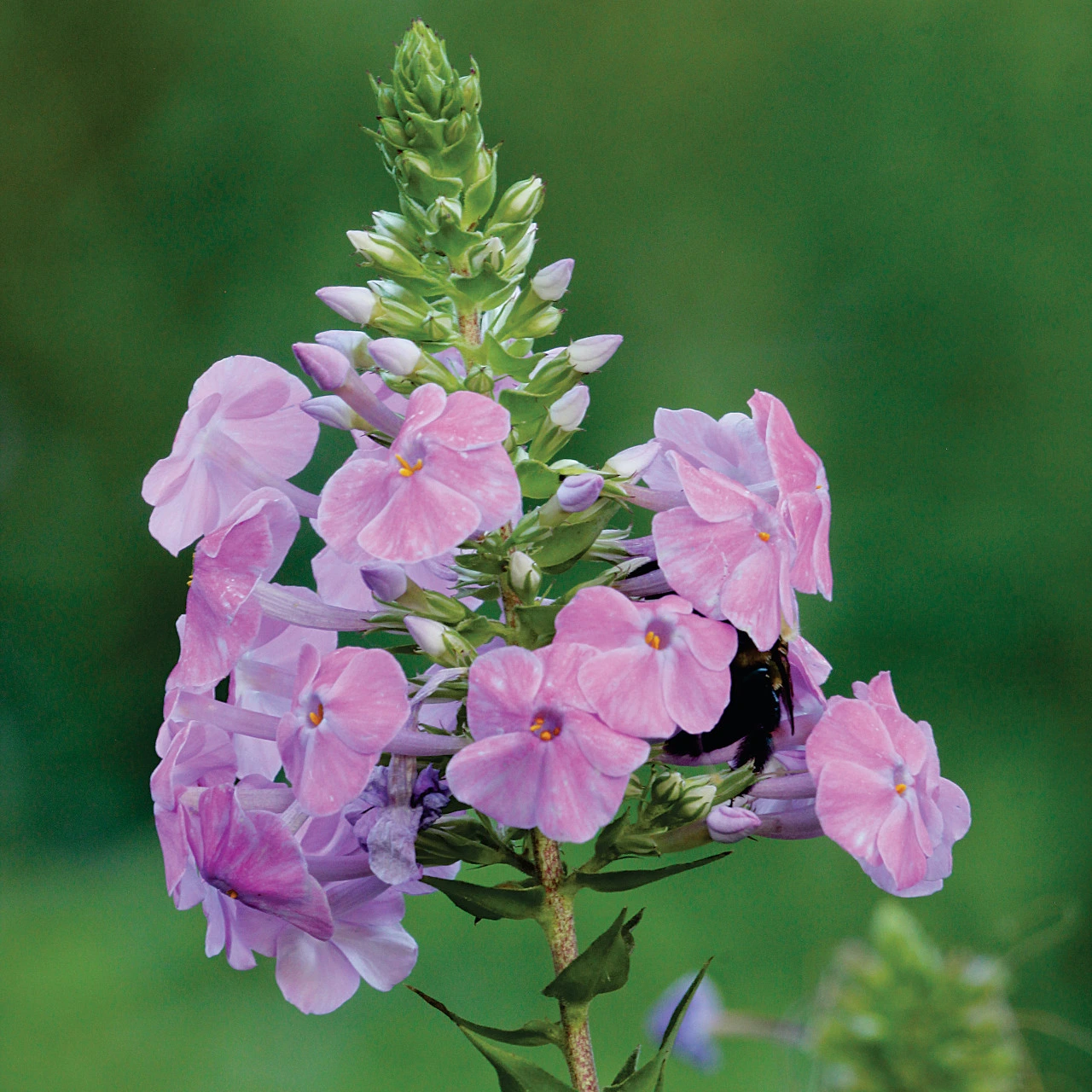
This is one of those plants that becomes more impressive with age. Mature clumps often produce significantly more flowers than young plants, creating an even stronger visual impact.
Why So Many Gardeners Plant Phlox
The answer is not just one thing.
First comes the fragrance. Few perennials can fill a summer garden with such a pleasant and recognizable scent.
Then come the flowers. Phlox blooms for weeks and often becomes one of the most colorful parts of the garden during midsummer.
- pleasant fragrance;
- abundant flowering;
- excellent cut flowers;
- attracts pollinators;
- creates a classic cottage-garden atmosphere;
- long lifespan.
Personally, I admire how Phlox combines a romantic appearance with remarkably dependable performance year after year.
What Does Phlox Need to Thrive?
Soil
Phlox prefers fertile, well-drained soil. Rich soil containing organic matter usually results in stronger growth and more impressive flowering.
Heavy, constantly wet soils can create problems, particularly during humid seasons.
Sunlight
Phlox performs best in full sun. In areas with extremely hot summers, some light afternoon shade can also be beneficial.
Too much shade often results in weaker flowering and taller, less stable stems.
Watering
Phlox appreciates consistent moisture. This does not mean constantly wet soil, but rather regular watering during extended dry periods.
Established plants can tolerate short dry spells, but they look their best when moisture levels remain reasonably stable.
“A beautiful Phlox is usually the result of the right conditions rather than constant maintenance.”
Common Mistakes When Growing Phlox
Although Phlox is not difficult to grow, several mistakes are surprisingly common.
- planting too densely;
- poor air circulation;
- excessive shade;
- allowing plants to dry out during summer;
- failing to divide older clumps;
- ignoring mildew prevention.
When plants become overcrowded, air circulation decreases and disease pressure often increases.
In many cases, simply providing more space between plants is enough to solve potential problems before they begin.
Does Phlox Need Fertilizer or Treatments?
Phlox is not among the most demanding perennials, but it certainly appreciates fertile soil and occasional feeding.
Adding compost in spring is often enough to support healthy growth and abundant flowering throughout the season.
In poorer soils, a balanced fertilizer can be applied early in the growing season.
The most common issue affecting Phlox is powdery mildew, especially where air circulation is poor and humidity remains high.
For this reason, proper spacing between plants remains one of the best preventive measures.
How Phlox Looks Throughout the Seasons
Spring
Fresh shoots emerge from the soil and quickly form healthy green clumps that signal the start of another growing season.
Summer
This is when Phlox truly shines. Large clusters of flowers appear and fill the garden with color and fragrance.
Autumn
After the main flowering period ends, the foliage continues contributing structure and texture to the border.
Winter
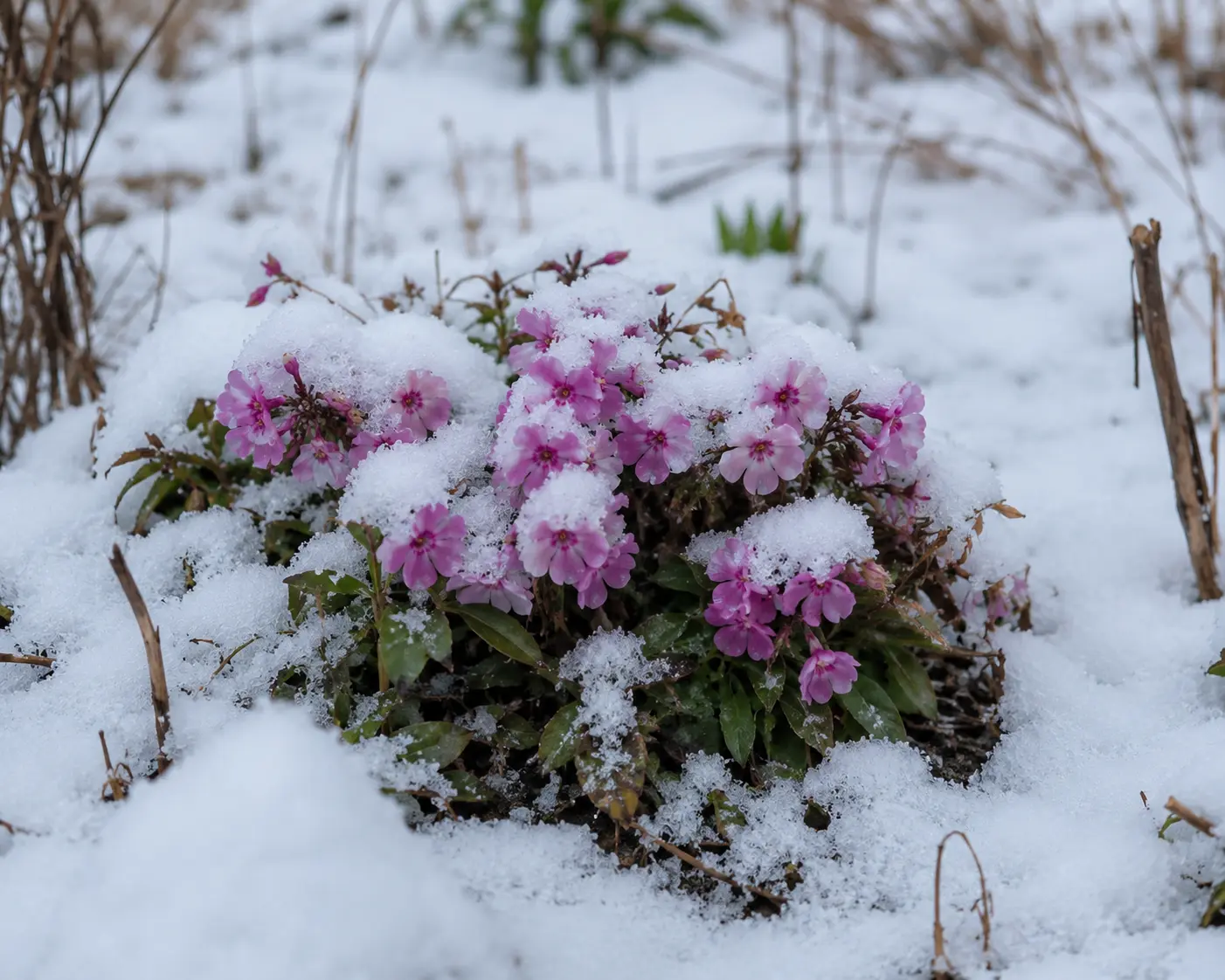
The plant enters dormancy and rests beneath the soil, preparing for the following year.
One of the reasons gardeners love Phlox is its reliability. Every year you know it will return and once again provide the same generous display of flowers and fragrance.
What Plants Would I Pair with Phlox?
Phlox combines beautifully with many other perennials and flowering plants.
It adds color, fragrance, and height, making it a valuable component in almost any garden border.
- Echinacea;
- Rudbeckia;
- Salvia;
- Lavender;
- Catmint;
- Verbena;
- Ornamental grasses;
- Yarrow.
I especially enjoy pairing Phlox with Echinacea. The two complement each other beautifully in both color and seasonal interest.
“The most memorable gardens combine not only colors but also fragrances.”
Advantages and Disadvantages of Phlox
Advantages
- wonderful fragrance;
- long flowering period;
- attracts butterflies and bees;
- easy to divide;
- long-lived perennial;
- classic cottage-garden appeal.
Disadvantages
- can be susceptible to powdery mildew;
- prefers consistent moisture;
- some varieties require significant space.
Is Phlox Suitable for Different Climates?
In my opinion, Phlox adapts well to many climates and garden conditions.
It tolerates winter temperatures without difficulty and performs exceptionally well where it receives plenty of sunlight and moderate moisture.
During extended summer heat, additional watering helps maintain the best appearance and flowering performance.
Overall, it is one of those plants that successfully combines beauty and reliability in a very convincing way.
My Opinion on Phlox
The more gardens I visit, the more I appreciate plants that can be trusted.
Phlox is exactly that kind of plant.
Every year it returns with the same generosity of flowers and fragrance, becoming one of the most dependable features of the summer garden.
It is not the most exotic plant, nor does it try to be. Instead, it does something far more valuable—it performs beautifully season after season.
If you are looking for a perennial flower that combines fragrance, beauty, and longevity, Phlox deserves serious consideration.
“Some plants decorate the garden. Phlox gives it fragrance and character.”
