Plant protection in the home garden is about much more than spraying products. It begins with good growing conditions, regular observation and early recognition of problems.
Diseases and pests can appear even in a well-maintained garden, but the risk often increases when plants are overcrowded, leaves remain wet for long periods, drainage is poor, nitrogen is overused or plants are already under stress.
Good plant protection therefore starts not with a product, but with the question: what exactly is the problem, and what conditions helped it develop?
The best treatment begins with the right diagnosis. A spot, a yellow leaf or an insect is not enough on its own to choose the correct solution.
Prevention Starts With Growing Conditions
Healthy plants have their own natural defense mechanisms, but that does not mean they are immune to diseases or pests.
What matters more is that plants growing with suitable light, water, nutrition and healthy root conditions are generally better able to tolerate stress.
Before Treating, Understand What You Are Looking At
Many plant problems look very similar.
Yellow leaves, for example, may be caused by nutrient deficiency, waterlogging, damaged roots, high soil pH or disease.
Leaf spots do not automatically mean a fungal infection either. The cause may be bacterial, physiological or even mechanical.
A useful diagnosis depends on the crop, plant age, recent weather and growing conditions, where the symptoms appear and how quickly the problem is progressing.
Main Groups of Plant Diseases
Infectious plant diseases can be caused by different groups of pathogens, and they are not managed in exactly the same way.
| Group | What you may see | What matters |
|---|---|---|
| Fungal and oomycete diseases | Spots, coatings, rots, wilting or fruit damage. | Moisture, temperature and the amount of time leaves stay wet can be very important. |
| Bacterial diseases | Spots, tissue death, rotting or damaged plant tissue. | Water, wounds and handling wet plants can help spread some bacterial diseases. |
| Viral diseases | Mosaic patterns, distortion, stunted growth or unusual coloration. | There is no universal product that cures an already infected plant. |
| Noninfectious problems | Yellowing, scorching, distortion or weak growth. | The cause may be water, temperature, pH, nutrition or a root problem. |
Not All Pests Are Controlled the Same Way
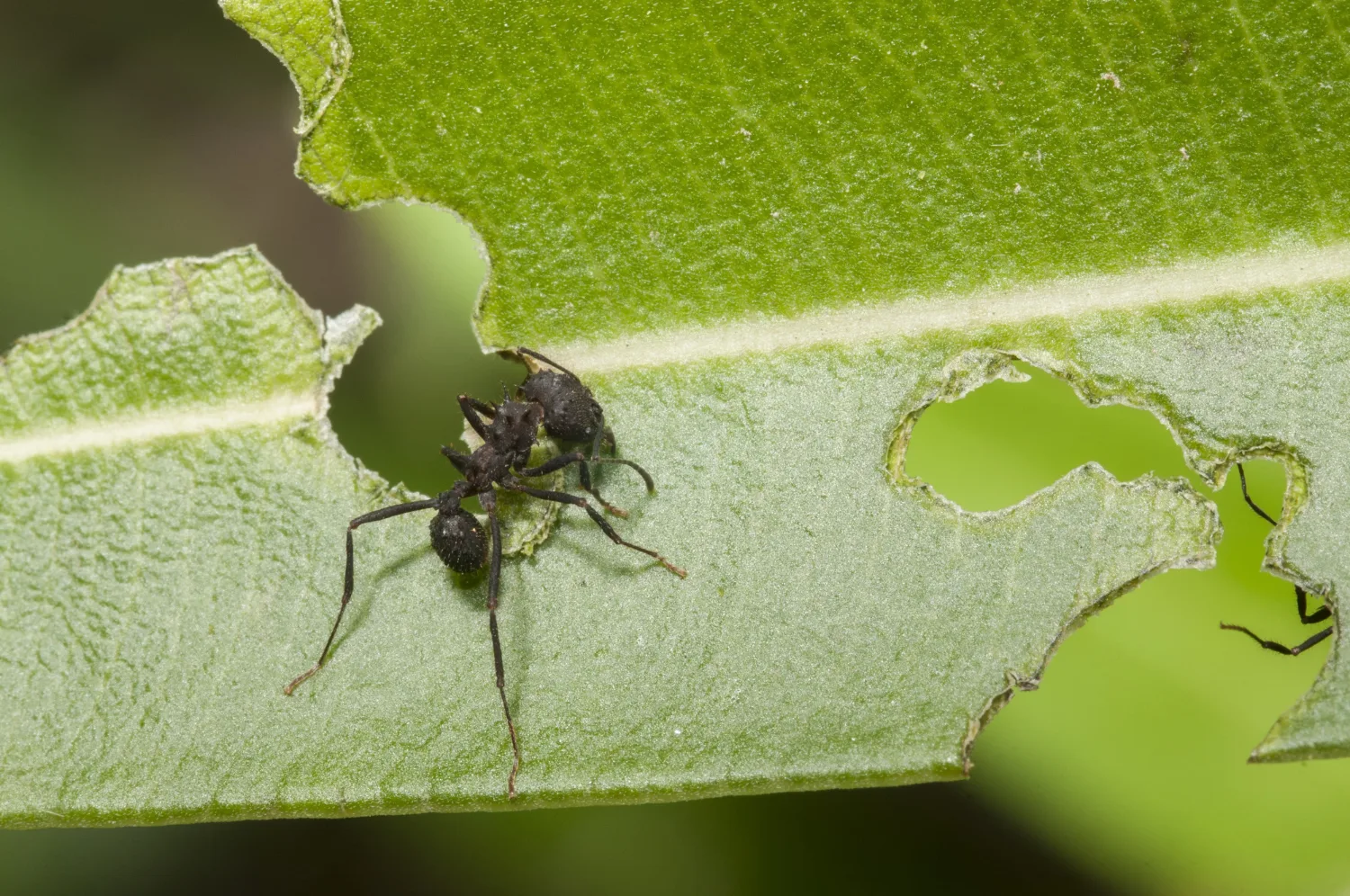
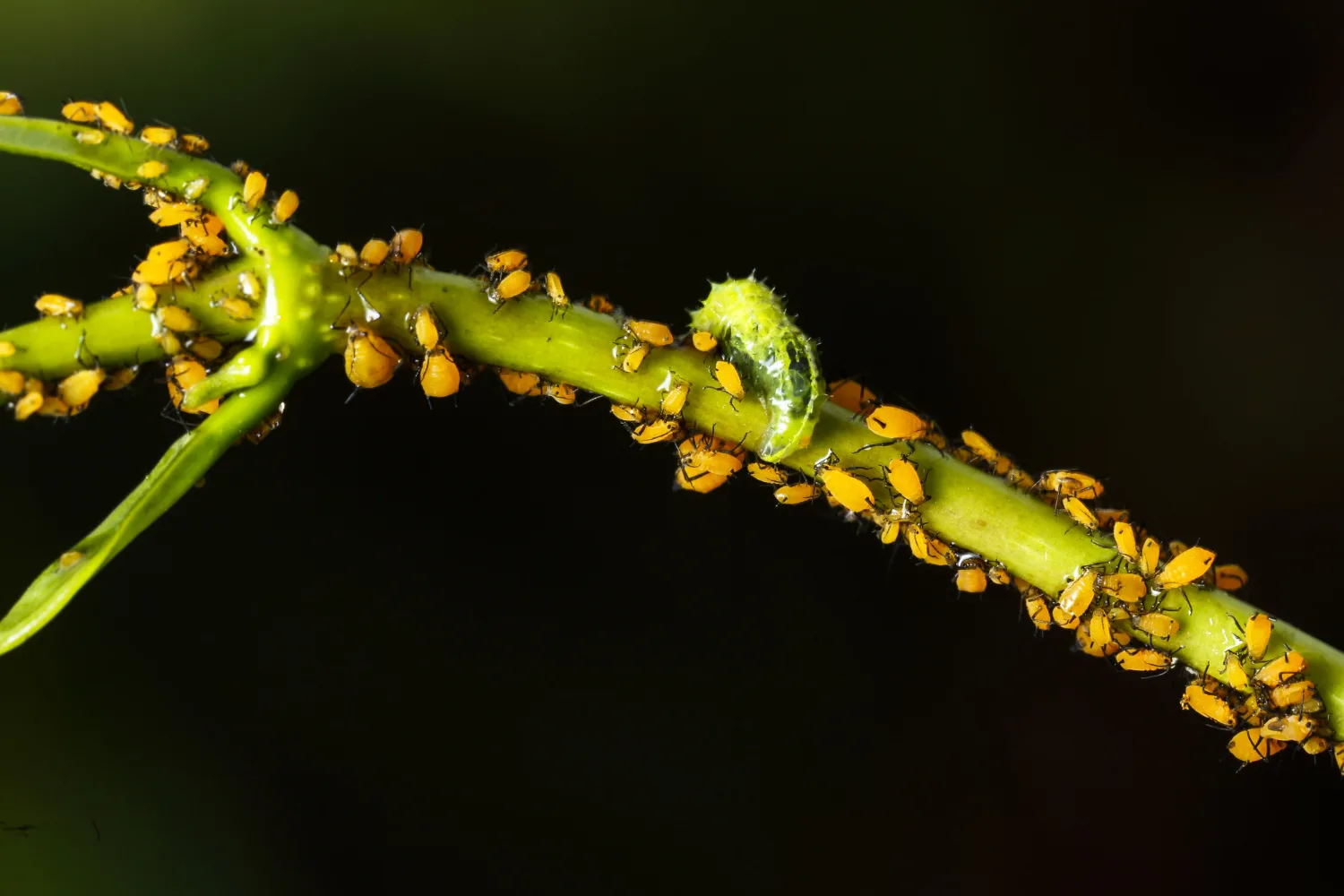
Aphids, whiteflies, caterpillars, thrips, mites and slugs all have different biology.
For that reason, simply saying “there are pests” is not enough to choose an effective control method.
Mites, for example, are not insects, so a product designed for insects is not automatically appropriate for mites.
Start With the Least Intervention Needed
In a home garden, it makes sense to begin with the least intervention that can realistically solve the problem.
A small aphid colony, for example, may sometimes be removed with a strong stream of water or by removing heavily infested shoots.
A rapidly spreading disease is different and may require removing infected tissue, changing the growing conditions and, when necessary, using an authorized treatment.
| Problem | First step | When further action may be needed |
|---|---|---|
| Yellowing and weak growth | Check watering, drainage, roots, pH and nutrition. | After identifying a specific cause. |
| Leaf spots | Check how quickly they are spreading, which leaves are affected and the recent conditions. | When infection is likely and symptoms continue to progress. |
| Small pest colony | Mechanical removal, washing off pests or removing heavily infested parts. | When the population continues to increase and causes meaningful damage. |
| Severely infected plant | Isolate the problem and decide whether the plant should be removed. | When there is a significant risk to nearby plants. |
When Plant Protection Products Are Used
Biological and conventional plant protection products are tools, not substitutes for diagnosis.
Before treating, you need to know the crop, the actual problem and whether the specific product is authorized for that use.
Use only a product labeled for the specific crop and target problem. Follow the current label for application rate, number of treatments, pre-harvest interval, personal protective equipment and all other directions.
If you are not sure what is causing the symptoms, getting an accurate diagnosis from a horticultural specialist, plant health professional or local extension service is often the better next step.
A treatment should be chosen for the diagnosed problem, not simply because it happens to be the product already sitting on the shelf.
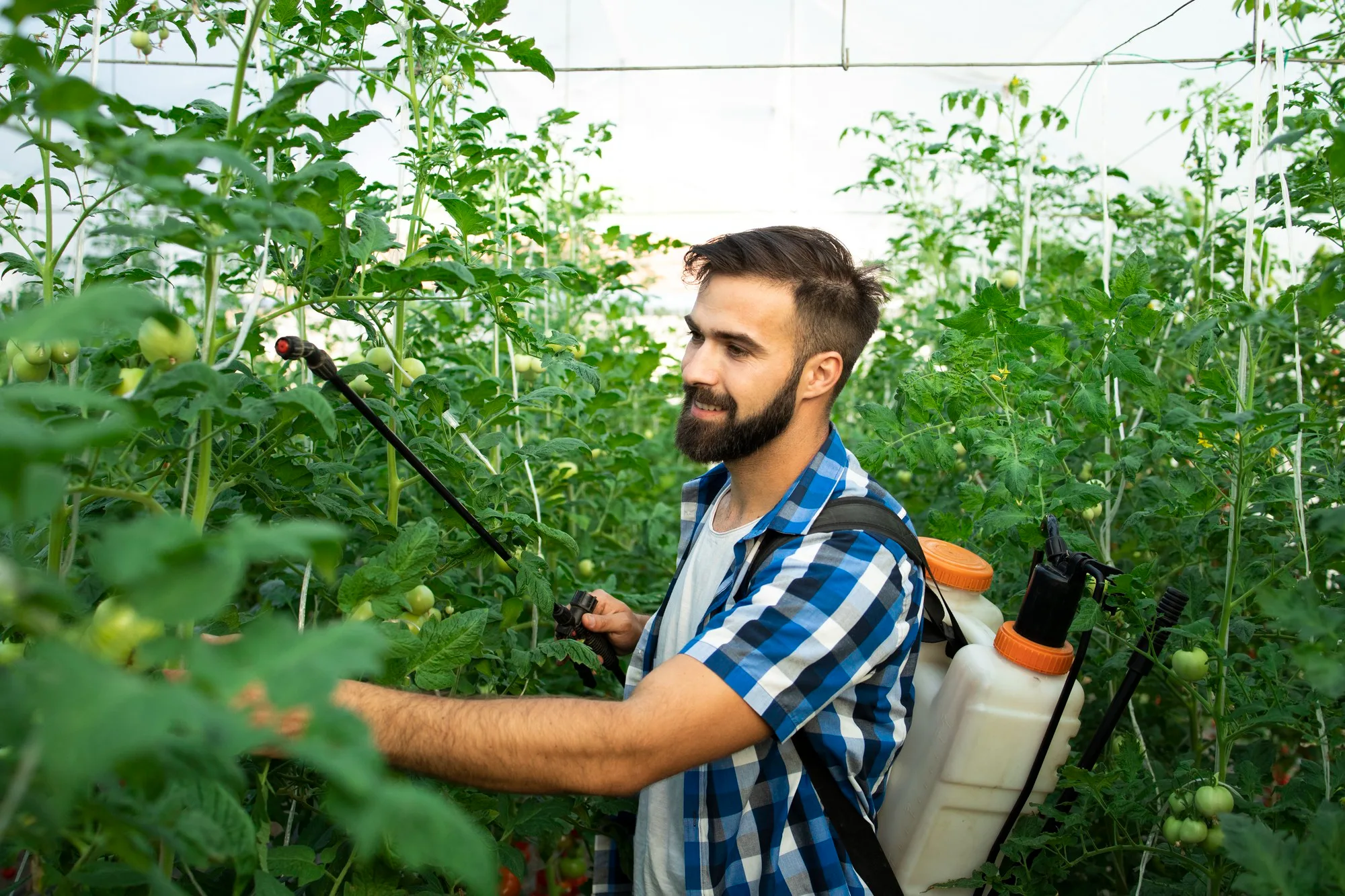
Good Spraying Technique Matters Too
Even the right product may perform poorly when it is applied incorrectly.
Coverage, treatment timing, the development stage of the pest or disease and weather conditions can all affect results.
- use equipment that provides even coverage;
- calibrate application volume according to the area and label directions;
- avoid spraying in strong wind;
- consider temperature and the chance of rain;
- never increase the dose because you assume “stronger” will work better;
- protect pollinators and other beneficial organisms according to the product directions.
Prevention That Actually Makes Sense
Prevention does not automatically mean spraying on a calendar.
In the home garden, the conditions that reduce the chance of a problem becoming severe are often more important.
Common Plant Protection Mistakes
Good plant protection is a system: observation, accurate diagnosis, suitable growing conditions and intervention only when needed.
Diseases and pests cannot be completely excluded from a garden, but early detection and good growing practices often allow a problem to be managed with less intervention.
When a plant protection product is genuinely necessary, choose it for the specific crop and diagnosed problem, and follow the current label exactly.