
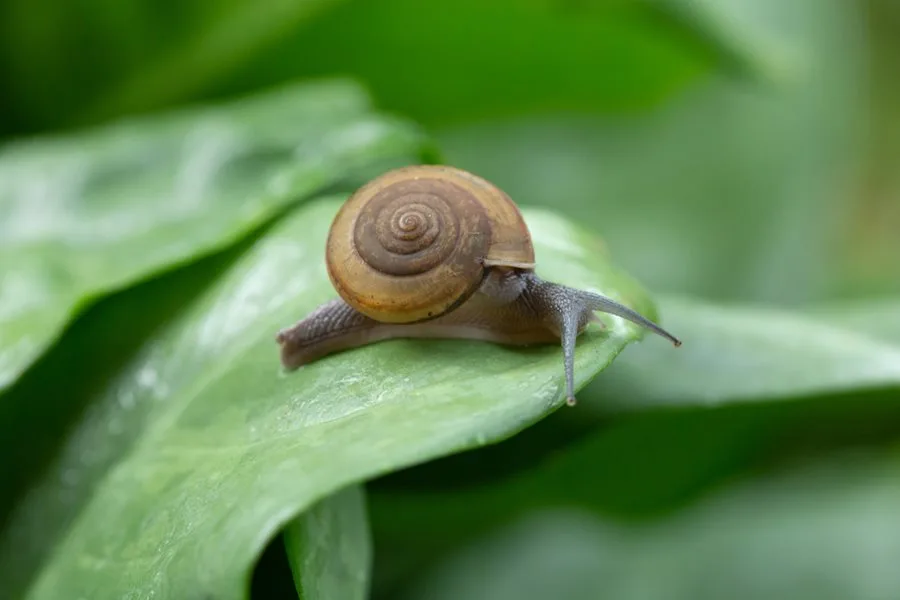
Slugs and Snails in the Garden: How to Control Them Safely Without Harming the Soil
Slugs and snails are among the most persistent pests in the home garden. They usually appear during wet periods in spring and autumn, but in irrigated gardens they can be active for much of the growing season.
Although they may seem slow and harmless, they can destroy young seedlings overnight. They feed on soft leaves, stems, flowers and even fruits, leaving irregular holes and shiny slime trails behind them.
The damage is often underestimated because it happens while we are not watching. Young transplants and seedlings are especially vulnerable because they do not have enough leaf mass to recover from heavy feeding.
“Slugs and snails are not only a pest problem. They are often a sign that moisture, shelter and soft growth are out of balance.”
Why Slugs and Snails Appear
The appearance of slugs and snails is almost always linked to garden conditions. They prefer damp, shaded and sheltered places with plenty of organic matter.
Overwatering, dense planting, thick wet mulch, plant debris and hidden corners all create ideal conditions for them. In many gardens, the problem is not only the presence of slugs and snails, but the environment that allows them to multiply.
When They Are Most Active
Slugs and snails are mostly active at night and during cool, damp weather. They often come out after rain or after evening watering, when the soil surface stays wet for many hours.
This explains why damage is usually discovered in the morning, even though the pests themselves are rarely visible during the day.
Main conditions that encourage slugs and snails
- high soil moisture;
- dense planting with poor airflow;
- thick mulch that stays wet for long periods;
- plant debris and decaying organic matter;
- evening watering that keeps the surface damp overnight;
- shaded hiding places such as boards, stones and pots.
How to Recognize Slug and Snail Damage
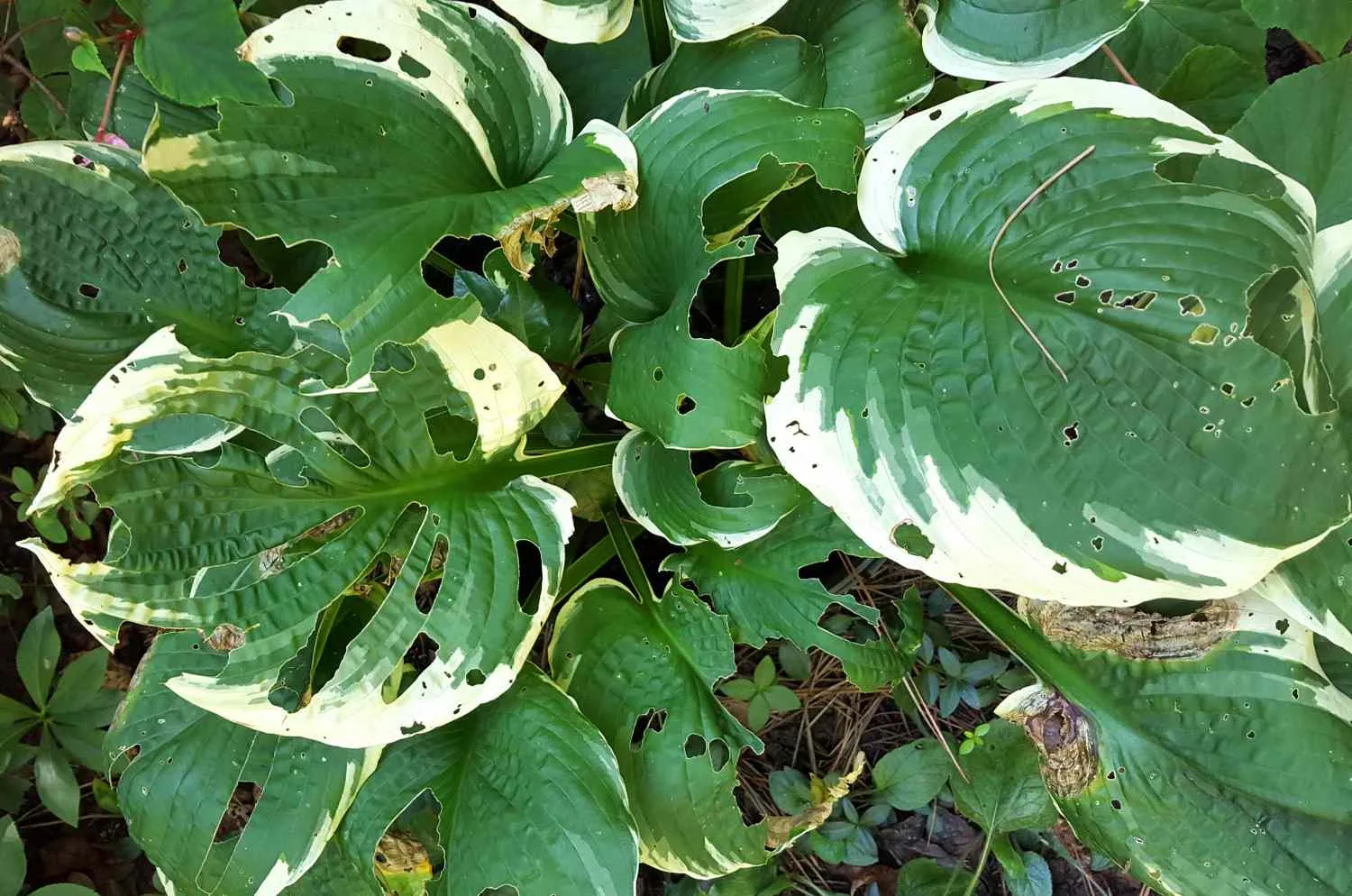
Slug and snail damage is fairly easy to recognize once you know what to look for. The most typical signs are irregular holes in leaves, missing seedling tops and shiny slime trails on leaves, soil, pots or paths.
Young plants are the most vulnerable, especially soon after transplanting. Lettuce, basil, cabbage seedlings, beans, hostas, dahlias, strawberries and many tender ornamentals can be badly damaged in a single night.
- irregular holes in leaves;
- seedlings cut down or partly eaten;
- shiny slime trails on leaves or soil;
- damage that appears overnight;
- feeding on soft fruits close to the ground.
Natural and Low-Impact Control Methods
The first step in slug and snail control should always be changing the conditions, not reaching immediately for bait. When the garden surface becomes less damp and less sheltered, slug and snail activity usually decreases.
Hand-picking in the evening or early morning can be very effective in small gardens. It may not sound glamorous, but it works, especially when repeated for several days during wet periods.
The most sustainable control is not a single action. It is a regular process of reducing shelter, managing moisture and protecting the most vulnerable plants at the right time.
Practical approach:
Change watering habits, remove hiding places and check plants regularly during wet weather. These steps can reduce slug and snail pressure without relying only on products.
Barriers and Physical Protection
Physical barriers can be useful around seedlings, raised beds and individual vulnerable plants. They work best when combined with moisture control and regular checking.
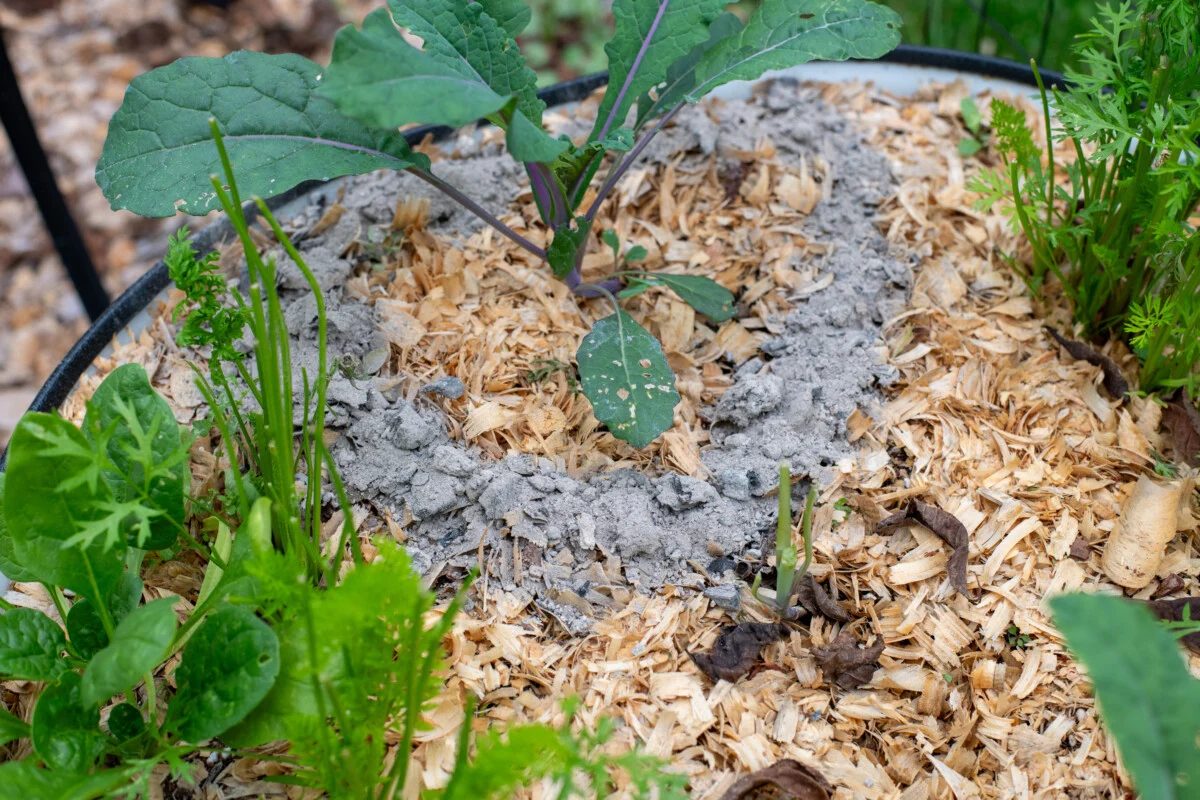
Some traditional barriers, such as ash or lime, may work only while dry and may affect soil pH if overused. Eggshells are popular, but their effectiveness is inconsistent. Copper barriers can help in some situations, especially around pots or raised beds, but they must form a continuous barrier to be useful.
| Method | How it helps | Important note |
|---|---|---|
| Hand-picking | directly reduces active adults | best in evening, early morning or after rain |
| Removing hiding places | reduces daytime shelter | check under boards, pots, stones and dense debris |
| Copper tape or barriers | can discourage movement across protected edges | must be continuous and kept clean |
| Dry surface management | makes movement less favourable | avoid keeping mulch constantly wet around seedlings |
| Protective collars | protects individual young plants | use around transplants during the first vulnerable weeks |
When Stronger Control Is Needed
If seedlings are being destroyed repeatedly or slug pressure is very high, a slug bait may be necessary. In a home garden, this should still be a targeted measure, not a permanent routine.
Choose a product that is labelled for the area and crop you are treating, and follow the label exactly. Product availability, active ingredients and legal uses vary by country and region, so local guidance matters.
Read the Label First
Slug and snail baits must be used exactly as the label says. Check the crop, application area, dose, timing, reapplication rules and restrictions around pets, children, wildlife and edible crops.
If you are unsure, ask a local garden centre, extension office, master gardener programme or qualified horticultural adviser before applying any product.
Iron Phosphate Baits
Iron phosphate slug baits are often preferred in home gardens where a lower-impact option is desired. They are used as scattered bait around vulnerable plants and should still be applied only according to the label.
Metaldehyde Baits
Metaldehyde baits can be effective against slugs and snails, but they require strict caution. They may pose risks to pets, wildlife and children if misused, and their legal status varies between countries.
Nematodes for Slugs
In some markets, biological control products containing beneficial nematodes are available for slug control. They are usually applied to moist soil and work best when soil temperature and moisture are suitable.
Targeted Placement
Baits should not be thrown everywhere as a routine habit. Place them only where damage is active and where the label allows, especially around seedlings and vulnerable plants.
Pet and Wildlife Safety
Always consider pets, birds, hedgehogs, amphibians and other wildlife when using slug products. Store baits securely and never leave piles of product where animals can access them.
Bait Is Not the Whole Solution
Slug bait works best when combined with moisture control, removal of hiding places and regular monitoring. If the garden remains constantly damp and sheltered, the problem is likely to return.
Practical Solutions Table
| Problem | Low-impact solution | Product-based solution |
|---|---|---|
| Active slug or snail damage on young plants |
Hand-pick in the evening, early morning or after rain, when activity is highest. Remove hiding places such as boards, stones, old pots and dense wet mulch. Water in the morning rather than late evening to reduce overnight surface moisture. |
Use a labelled slug bait only when pressure is high and plants are at risk. Iron phosphate baits are often preferred for lower-impact home garden use, but the label remains essential. |
| Seedlings damaged soon after transplanting |
Use protective collars, copper barriers or temporary covers around young plants. Keep the surface around seedlings less sheltered and avoid thick wet mulch directly against stems. Check plants daily during the first vulnerable weeks. |
Apply bait only locally around vulnerable plants if the label allows it. Avoid creating piles of bait and keep products away from pets and children. |
| Recurring slug and snail problems every wet season |
Improve drainage and reduce constantly damp hiding places. Lift pots, boards and debris regularly to check for hiding slugs. Encourage a more balanced garden with birds, ground beetles, frogs and other natural predators where suitable. |
Use bait only during peak risk periods and only in targeted areas. Long-term control still depends on changing the conditions that favour slugs and snails. |
| Damage to soft fruits near the ground |
Keep fruit off damp soil with straw, supports or clean mulch that does not stay waterlogged. Harvest ripe fruit promptly and remove damaged fruit. |
Use only products labelled for edible crops and check any harvest restrictions before applying bait nearby. |
Prevention
Slugs and snails are controlled most successfully by managing the environment, not by constant product use.
- water in the morning instead of late evening where possible;
- remove hiding places and plant debris;
- avoid keeping mulch constantly wet around seedlings;
- keep vulnerable young plants protected during wet periods;
- check the garden after rain and during cool, damp evenings;
- improve airflow and drainage in dense planting areas;
- use baits only as a targeted last step when needed.
Common Mistakes
- watering heavily in the evening and leaving the soil wet overnight;
- leaving boards, pots and plant debris as hiding places;
- using thick wet mulch directly around young seedlings;
- relying only on bait without changing the garden conditions;
- placing bait in piles instead of following the label;
- forgetting about pets, children and wildlife safety;
- expecting barriers to work when they are broken, wet or incomplete.
In vegetable and fruit gardens, slug and snail problems often become worse when several factors combine: constant irrigation, dense planting, thick mulch and a lack of natural predators.
Conclusion
Slugs and snails are part of the garden ecosystem, but they become a serious problem when moisture, shelter and soft plant growth are out of balance.
The best control is a combination of prevention, regular observation, physical protection and targeted action when necessary.
When the garden is well structured and the most vulnerable zones are kept less damp and less sheltered, slug and snail pressure naturally decreases.
Related Plant Protection Topics in Biogardn
- Plant Protection in the Home Garden: Diseases, Pests and Prevention
- Powdery Mildew: How to Recognize and Control It
- Aphids: Natural and Conventional Solutions
- Spider Mites on Plants: Why They Appear During Hot Weather
- Apple and Pear Scab: How to Identify and Prevent It
- How to Spray Plants Properly in the Home Garden

