

How to Protect Garden Plants from Pests and Diseases: A Practical Home Gardener’s Guide
Plant protection in a home garden is much more than spraying products. At its best, it is a system for keeping the soil, plants and surrounding environment in balance. When that balance is stable, most pests and diseases appear less often and usually cause less damage.
In real gardens, problems often begin long before we notice the first yellow leaf, sticky shoot or black spot. Crowded planting, poor air circulation, irregular watering, stressed roots and excessive nitrogen can all weaken plants and make them easier targets for insects and diseases.
That is why modern plant protection is not only about reacting to problems. It is about observing, preventing and choosing the least disruptive solution that actually fits the situation.
“Healthy plants are not created by sprays. They are created by good growing conditions.”
What Plant Protection Really Means
Plants have their own natural defence systems. They can resist many pests and pathogens when they are growing in suitable soil, receiving the right amount of water and developing at a steady pace.
When the growing conditions are poor, those defences become weaker. A plant that receives too much nitrogen, for example, may produce fast, soft growth that looks impressive at first but is more attractive to aphids and more vulnerable to disease.
This explains why two identical plants can behave very differently in two different gardens. One may stay healthy all season, while the other becomes a magnet for pests. The difference is often not the plant itself, but the environment around it.
The Main Groups of Plant Diseases
Most plant diseases in home gardens fall into three broad groups: fungal, bacterial and viral. Fungal diseases are usually the most common because they develop quickly in humid conditions, especially when foliage stays wet for long periods.
| Disease type | Typical signs | Favourable conditions |
|---|---|---|
| Fungal diseases | spots, powdery coating, mould, rot | high humidity, poor airflow, wet leaves |
| Bacterial diseases | water-soaked spots, soft rot, rapid spread | humidity, wounds, splashing water |
| Viral diseases | mosaic patterns, deformation, stunted growth | spread by insects or infected plant material |
Common Garden Pests and Why They Appear
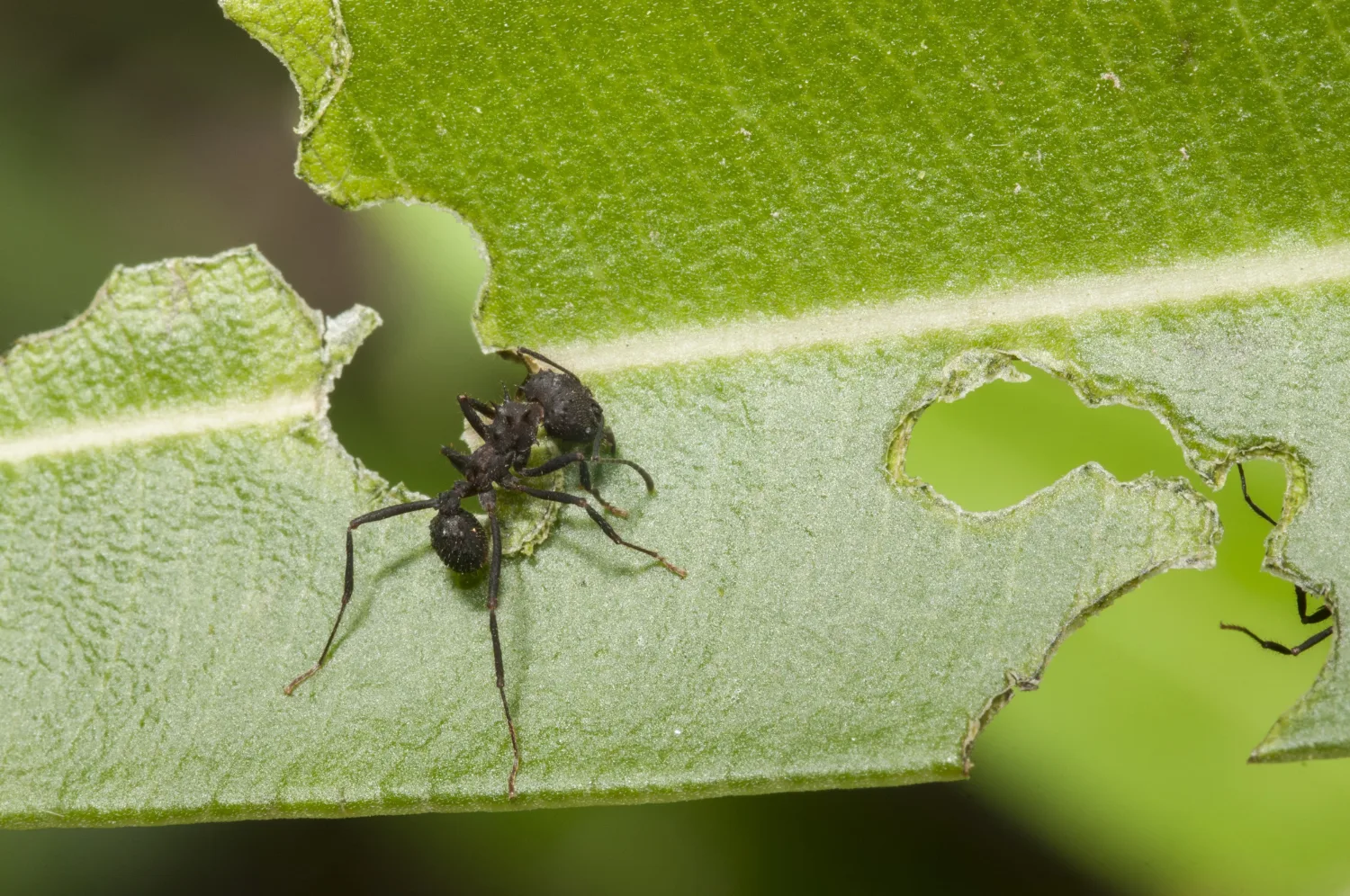
Garden pests are not simply “enemies” of the garden. They are part of the ecosystem. They become a problem when the natural balance is disturbed or when plants are too weak to tolerate a certain level of feeding.
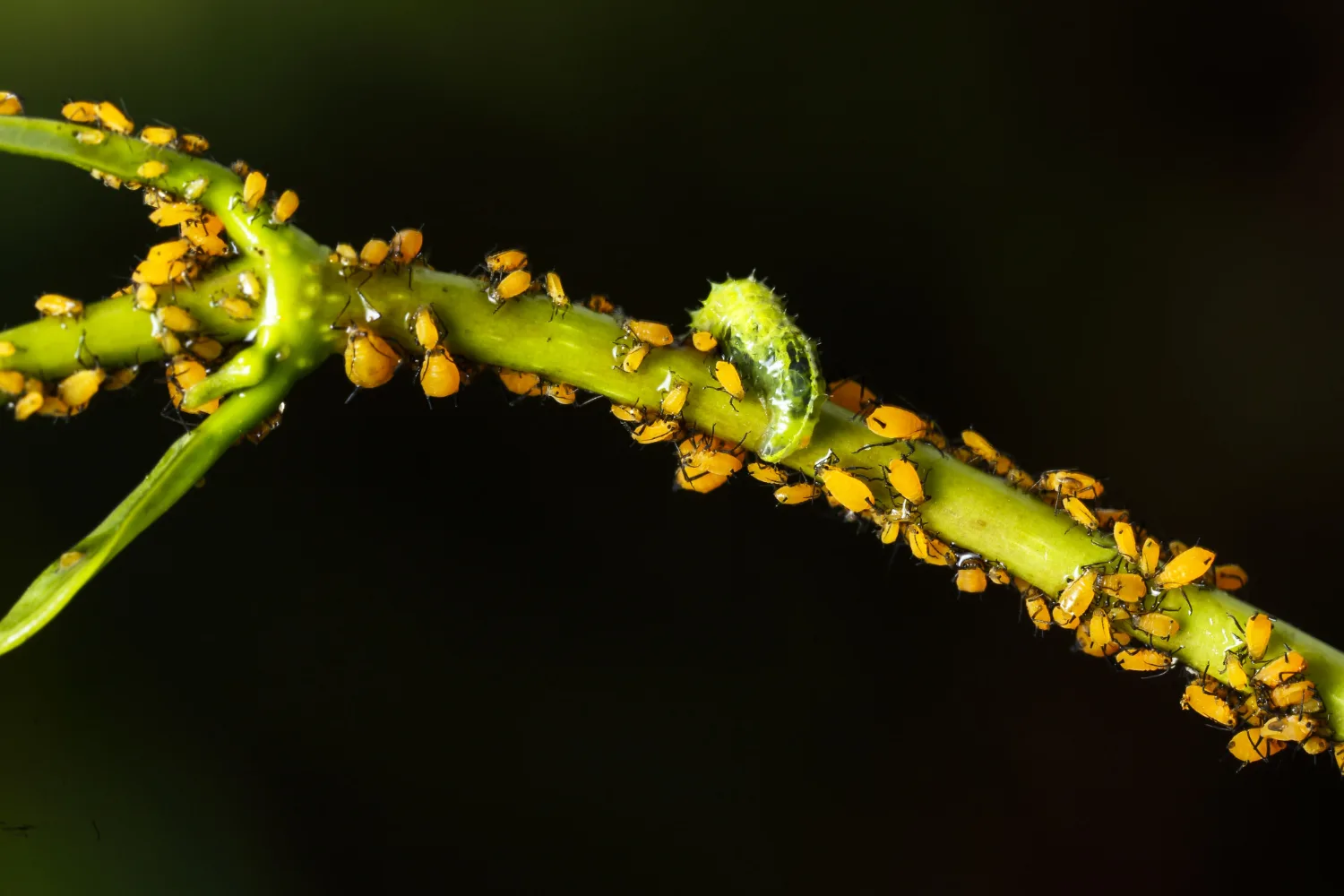
Aphids, for example, often appear on soft new growth, especially after heavy nitrogen feeding. Spider mites thrive in hot, dry conditions. Slugs and snails become more active in damp, sheltered spaces. In many cases, the pest is not the original cause of the problem. It is a symptom of the conditions in the garden.
Understanding this principle is the foundation of effective plant protection. Before asking “What should I spray?”, it is often better to ask: “Why did this problem appear here?”
Integrated Pest Management: The Smarter Approach
Integrated Pest Management, often called IPM, is a practical approach that combines observation, prevention, cultural methods, biological controls and, only when needed, targeted products.
The goal is not to eliminate every insect from the garden. A completely sterile garden is not a healthy garden. The goal is to keep problems below the level where they seriously damage the plants.
The IPM mindset
- Identify the problem before treating it.
- Improve growing conditions first.
- Use mechanical and biological methods where possible.
- Choose chemical products only when necessary.
- Always follow the product label and local regulations.
Spraying Equipment and Practical Application
The effectiveness of any treatment depends heavily on coverage. A poorly applied spray may miss the underside of leaves, growing tips or hidden pest colonies, which makes the treatment less effective even when the correct product is used.
For small gardens, a simple hand sprayer may be enough. For medium-sized gardens, a battery-powered sprayer can make the job easier by providing more consistent pressure and a finer, more even spray pattern.
A practical option for this type of work is a battery-powered garden sprayer, which can help cover larger areas more evenly without constant manual pumping. See a suitable battery-powered garden sprayer.
Before Using Any Garden Product
Before using any pesticide, fungicide, insecticide, miticide, herbicide or slug bait, identify the problem as accurately as possible. Many symptoms look similar, but the causes can be completely different. Yellow leaves can be caused by nutrient deficiency, overwatering, drought stress, root damage or disease. Spraying without a diagnosis often wastes time and can make the problem worse.
If you are unsure, ask a local garden centre, extension office, master gardener programme or qualified horticultural adviser. Take clear photos of the whole plant, the affected leaves, the underside of the leaves and the surrounding growing conditions.
Read the Label First
Product labels are not just instructions. They tell you where, when and how the product can be used safely and legally. Always check that the product is labelled for your plant, your pest or disease, and your country or state.
Protect Pollinators
Avoid spraying when bees and other pollinators are active. Be especially careful with flowering plants. Even products sold for home gardens can harm beneficial insects if they are used at the wrong time or in the wrong way.
Use the Least Disruptive Option
Start with the method that solves the problem with the least disturbance to the garden ecosystem. Better airflow, pruning, hand removal, water sprays and biological controls are often enough in the early stages.
When Chemical Control Is Necessary
Chemical control can be part of plant protection, but it should not be the first or only tool. It works best when it is targeted, correctly timed and supported by good gardening practices.
Instead of choosing a product by brand name, choose it by the problem it is designed to solve. Product names, active ingredients and legal uses vary widely between countries, so a product that is common in one market may not be approved, available or appropriate in another.
Fungicides
Fungicides are used against plant diseases such as powdery mildew, blight, rust, leaf spots, scab and some rots. They work best when used early, before the disease spreads heavily through the plant.
Insecticides
Insecticides are used against pests such as aphids, whiteflies, caterpillars, thrips and other insects. Before using one, identify the pest and check whether beneficial insects are already helping to control it.
Miticides
Miticides are used against spider mites, which often appear in hot, dry weather. General insect sprays are not always effective against mites, so correct identification is important.
Slug and Snail Baits
Slug and snail products are used when physical barriers, hand-picking and moisture control are not enough. Iron phosphate baits are often preferred in wildlife-conscious gardens, but every product must still be used according to the label.
Horticultural Oils and Soaps
Horticultural oils and insecticidal soaps can help with soft-bodied pests such as aphids, whiteflies and mites. They usually require good direct coverage and are most effective in the early stages of infestation.
Biological Controls
Biological controls include beneficial insects, predatory mites, nematodes and microbial products. They are often most successful when used preventively or early, before pest populations become too large.
The Practical Logic of Plant Protection
The most important principle is to start with the cause, not just the symptom. In many cases, the visible pest or disease is only the final stage of a deeper imbalance.
If a plant is stressed by poor watering, weak roots or overcrowding, spraying alone will rarely solve the problem for long. The same issue will return because the conditions that allowed it are still present.
Practical Problem-Solving Table
| Problem | Low-impact approach | Product-based approach |
|---|---|---|
| Weak plants caused by poor watering or feeding |
Balance watering according to soil moisture, not by a fixed calendar. Add compost to improve soil structure and moisture stability. Avoid excessive nitrogen, which encourages soft and vulnerable growth. |
Use foliar feeds only when deficiency or stress is likely. Choose fertilisers according to the plant’s growth stage and avoid overfeeding. |
| Fungal diseases such as spots, mildew, rust or rot |
Improve airflow by pruning and spacing plants properly. Remove heavily infected leaves to reduce the source of spores. Water at the base of the plant and avoid wetting the foliage. |
Use a fungicide only if it is labelled for the crop and disease. Preventive products work best before the disease becomes advanced. |
| Bacterial infections such as water-soaked spots or soft rot |
Remove infected tissue as early as possible. Avoid working with wet plants, because bacteria can spread through wounds and splashing water. Improve drainage where water sits around the roots. |
Some copper-based products may be used preventively where labelled. They are not a cure for advanced bacterial infections and should be used only according to local regulations. |
| Viral symptoms such as mosaic patterns, distortion or stunted growth |
Remove severely affected plants where necessary, because viral diseases usually cannot be cured. Control insect vectors such as aphids and leafhoppers. Avoid using saved seed or plant material from infected plants. |
There is no spray cure for viral disease. Products may only help by controlling insects that spread the virus. |
| Insect pests such as aphids, whiteflies, caterpillars or thrips |
Encourage beneficial insects such as ladybirds, lacewings and hoverflies. Use water sprays or hand removal in the early stages. Reduce excessive nitrogen feeding, which often attracts aphids. |
Use insecticidal soap, horticultural oil or another labelled insecticide only after identifying the pest. Avoid broad-spectrum products when beneficial insects are active. |
| Spider mites in hot, dry weather |
Increase humidity around vulnerable plants where appropriate. Wash the undersides of leaves to reduce mite numbers. Avoid drought stress and dusty conditions. |
Use a miticide or labelled oil product only if the problem is correctly identified as mites. Repeat treatment may be needed according to the label and mite life cycle. |
| Slugs and snails damaging young plants |
Remove hiding places such as boards, dense debris and overly wet mulch. Hand-pick in the evening or early morning. Use barriers around young plants. |
Use slug bait only where necessary and only according to the label. Take extra care around pets, children and wildlife. |
| Frequent recurring problems in the garden |
Improve soil structure with organic matter. Use mulch carefully to stabilise moisture without creating constant dampness. Observe plants regularly instead of reacting only when damage is severe. |
Use seasonal treatments only when there is a clear history of recurring problems. Avoid unnecessary spraying, which can disturb beneficial insects and soil life. |
Prevention
The best plant protection is prevention. When the growing environment is stable, most pests and diseases do not develop into serious outbreaks.
- maintain good airflow through pruning and spacing
- avoid excessive nitrogen feeding
- water according to soil needs, not by habit
- remove diseased leaves and plant debris promptly
- check the undersides of leaves regularly
- support beneficial insects with diverse planting
- choose resistant varieties where possible
Key Principles of Prevention
Regular observation, moderate feeding, good spacing and healthy soil reduce the need for chemical intervention more than any single spray programme.
Common Mistakes in Plant Protection
One of the most common mistakes is reacting only when symptoms are already severe. By that time, a fungal disease may have produced many spores, or a pest population may have already multiplied through several generations.
Another mistake is using products too often or too broadly. This can disturb beneficial insects, affect soil organisms and create a garden that becomes more dependent on repeated intervention.
- spraying without identifying the problem
- using a product that is not labelled for the plant or pest
- spraying in heat, wind or strong sunlight
- forgetting the undersides of leaves
- overfeeding with nitrogen
- removing all insects, including beneficial ones
- expecting one spray to fix poor growing conditions
Conclusion
Plant protection is not a separate task. It is part of the whole way the garden is managed. The best results come when soil, water, nutrition, airflow and biodiversity work together.
In that kind of garden, plants become more resilient, pest outbreaks are easier to control and the need for intervention is much lower.
The smartest question is not always “What should I spray?” Sometimes it is: “What is the garden trying to tell me?”
Related Plant Protection Topics
- Powdery Mildew: How to Recognise and Control It
- Aphids on Plants: Natural and Conventional Solutions
- Spider Mites on Plants: Why They Appear in Hot Weather
- Apple and Pear Scab: How to Recognise and Prevent It
- Slugs and Snails in the Garden: How to Control Them Safely
- How to Spray Garden Plants Correctly

