
July is the month when yard pests stop being a minor nuisance. Mosquitoes bite even during the day, ticks hide in the grass, fleas find comfortable places around pets, and ants roam the house as if they own the property.
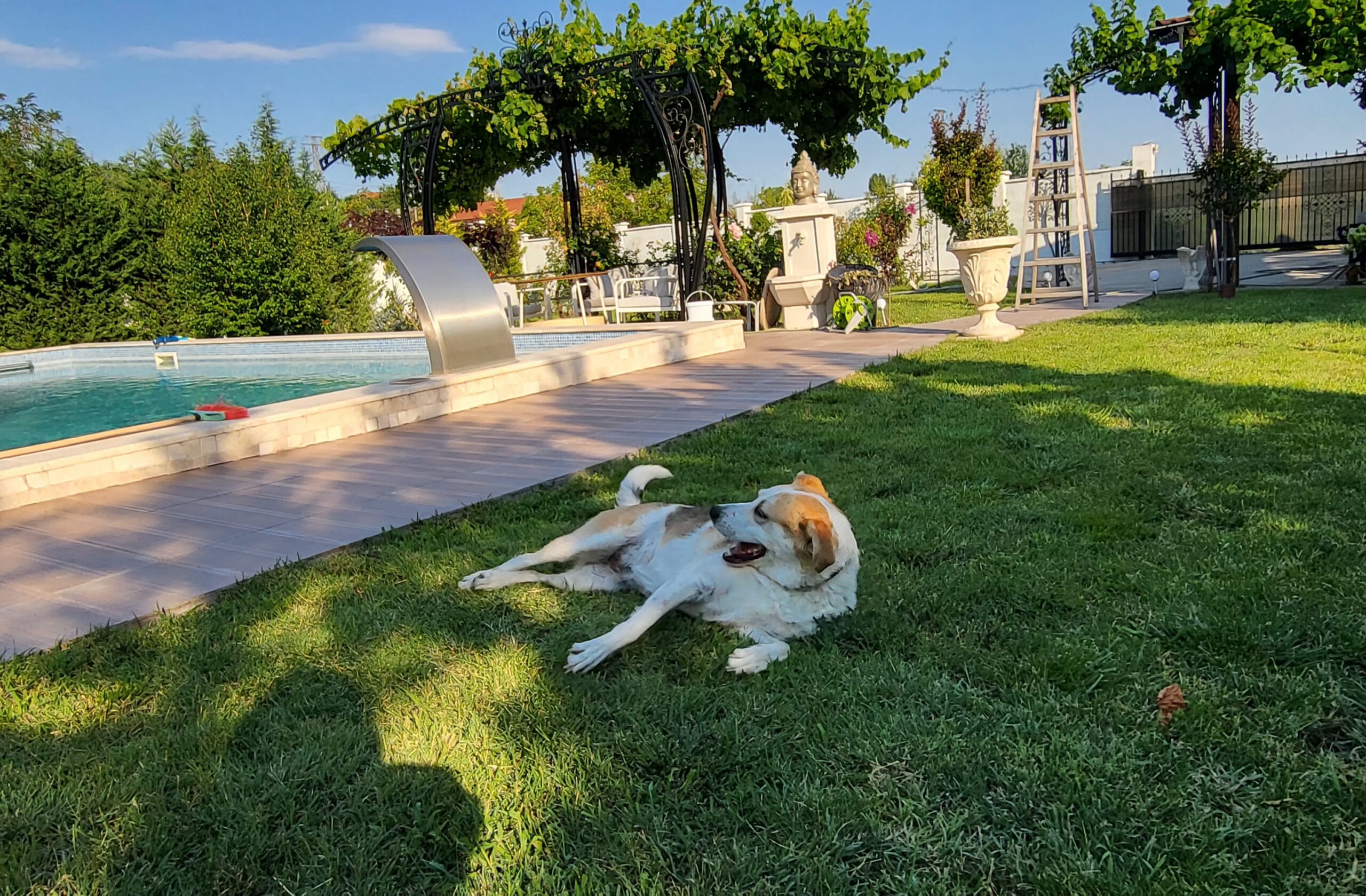
Our yard has a large lawn, a vine-covered seating area, a greenhouse and a dog that spends a lot of time outdoors. That is why I do not wait for the problem to become serious. I combine prevention, mechanical control, removal of standing water and targeted treatments where they are actually needed.
The goal is not to create a yard with no insects at all. The goal is to use the spaces around the house comfortably without ignoring mosquitoes, ticks and fleas.
The Tiger Mosquito Is No Longer Exotic
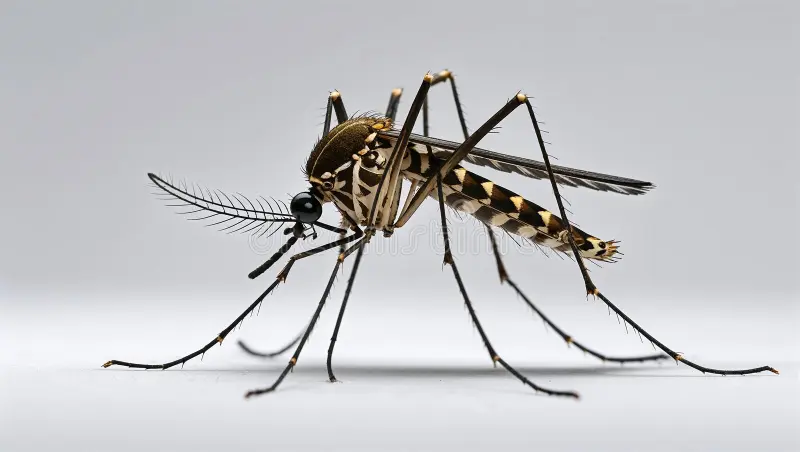
The Asian tiger mosquito, Aedes albopictus, is recognizable by its black body, white-striped legs and the pale line running along its back.
Unlike many mosquitoes we associate mainly with evenings, tiger mosquitoes are active during the day, including mornings, afternoons and early evenings.
Originally from Southeast Asia, the species has spread widely around the world. In the United States, it was first detected in the mid-1980s and is now established across many areas of the South, East and Midwest.
In the UK, it has been closely monitored as an invasive mosquito species.
The tiger mosquito matters for more than its painful, itchy bite. It is capable of transmitting viruses including dengue, chikungunya and Zika.
That does not mean every mosquito is infected or that every bite causes disease. It does mean this species deserves more attention than an ordinary summer nuisance.
A surprisingly small amount of standing water can be enough: a flowerpot saucer, toy, bucket, clogged gutter, discarded tire or another forgotten container.
It Is Not Just Mosquitoes
In midsummer, I keep an eye on several different pests because each tends to prefer slightly different parts of the yard.
Spiders are actually useful predators, so I do not try to eliminate everything with more than four legs. I only deal with specific areas when webs and insects build up around doors, windows or places where we sit.
Where I Focus Treatment in Our Yard
I do not spray the entire property at random. I concentrate on places where there is a clear reason to intervene or where we spend the most time.
- Exterior walls and house foundations;
- Areas around doors, windows and outdoor lights;
- The dog house and surrounding area;
- Grass where the dog regularly plays and rests;
- Shady areas around shrubs and fences;
- Outdoor seating areas when insect pressure is high.
Pets should be kept away during treatment. Remove water bowls, food, toys and bedding beforehand. Do not allow pets back onto treated areas until the product label says it is safe to do so.
The First Step Is Removing Standing Water
Spraying alone will not solve a mosquito problem if the yard continues producing new mosquitoes.
Once a week, I check anything that can hold rainwater.
- Flowerpot saucers;
- Buckets, watering cans and empty containers;
- Gutters and clogged drains;
- Tarps or covers where rainwater collects;
- Outdoor pet bowls;
- Children's toys or garden equipment that can hold water.
A dog's water bowl obviously stays. The difference is that fresh water is replaced and the bowl cleaned regularly, while forgotten standing water can quietly become a mosquito nursery.
Products I Consider for Different Situations
There is no single product that makes sense for every yard, every pest and every situation.
Some people prefer a plant-based yard treatment. Others want a localized mosquito repellent around a patio. A more serious infestation may call for a product intended for residual pest control.
Plant-based yard treatment
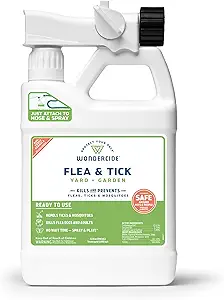
Wondercide Flea, Tick & Mosquito Yard Spray
Wondercide is a popular plant-based option for people looking for a yard spray aimed at fleas, ticks and mosquitoes.
It uses cedarwood oil and is designed for outdoor pest treatment. As with any product used around pets and children, I would still follow the exact label directions rather than treating “natural” as meaning unlimited use.
View on AmazonFor the terrace or another defined seating area, I sometimes prefer a completely different approach: creating a localized mosquito-repellent zone instead of treating the entire yard.
Patio mosquito protection
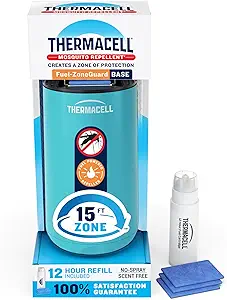
Thermacell Patio Shield
Thermacell is intended to create a localized mosquito-repellent zone around patios and outdoor seating areas.
I see this type of product as an addition to mosquito prevention, not a replacement for removing breeding water or managing a larger yard problem.
View on AmazonIf the problem is more serious, I would look at products intended specifically for residual outdoor pest control and pay much closer attention to where they may legally and safely be applied.
Residual pest control
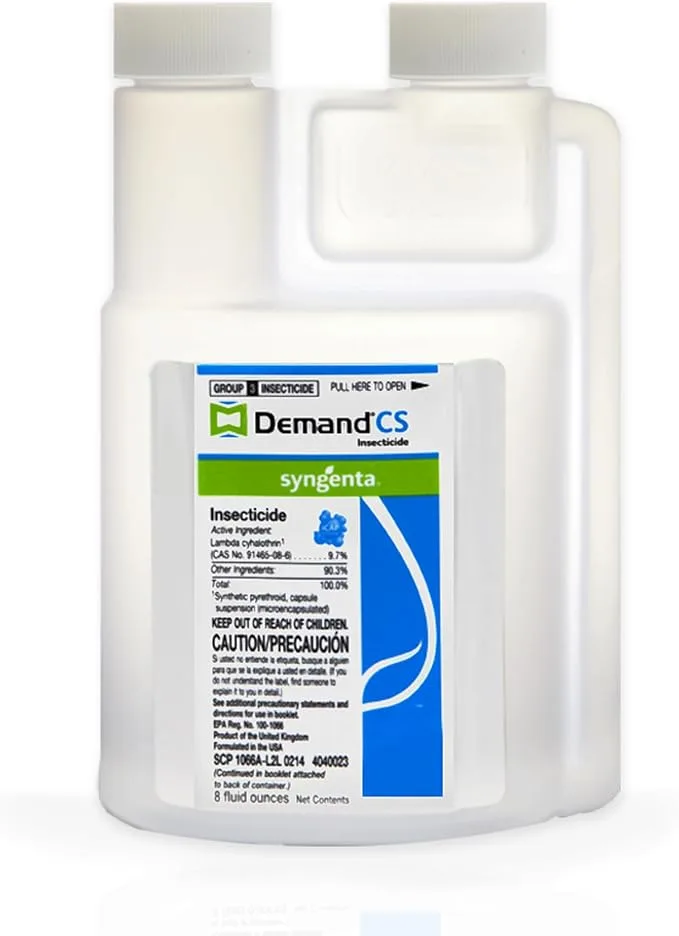
Syngenta Demand CS
Demand CS is a professional-style residual insecticide used for a range of pest-control applications according to its label.
This is the type of product where correct dilution, approved treatment areas, protective equipment and re-entry instructions matter much more than simply choosing a “strong” product.
View on AmazonHow I Treat the Yard Without Turning the Treatment Into a Risk
With outdoor pest-control products, the most important part is not the brand. It is using the product correctly.
I read the label before each application, even when I have used the same product before.
- I avoid treating in strong wind.
- I follow the product instructions regarding rain and drying time.
- I use the protective equipment specified on the label.
- I do not mix products unless the label specifically allows it.
- I avoid unnecessary treatment of flowering plants visited by pollinators.
- I do not use a yard or structural pesticide on edible plants unless that use is specifically allowed.
- I remove pet bowls, food, toys and bedding before treatment.
- People and pets stay away for the required re-entry period.
The correct rate can vary by product concentration, pest, surface and approved use. The label on the exact product you own is the instruction that matters.
My Practical July Routine
I do not rely on one treatment at the beginning of summer and assume the yard is protected for the rest of the season.
In July, I keep watching the conditions and adjust what I do.
For me, yard pest control does not begin with a sprayer.
It begins with standing water, lawn maintenance, clean pet areas and noticing where the real problem is.
If a treatment is needed, I choose it for the specific pest and the specific area rather than expecting one product to solve everything.
That keeps the yard usable and comfortable without turning it into a sterile outdoor space.