
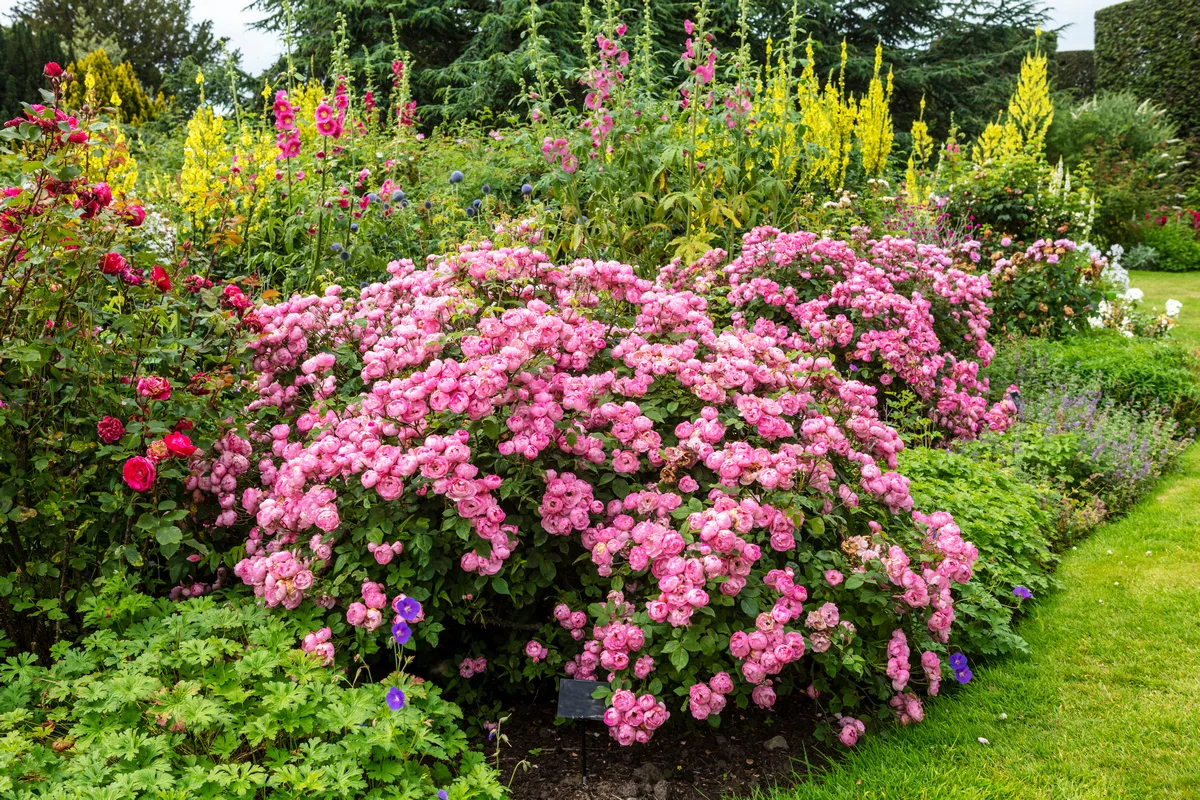
Roses do not need the same care throughout the year. That is probably the most important thing I would tell someone who is just starting to grow them.
In spring, we want strong new growth. In early summer, the plants need to support abundant flowering. After the first flush, they often need a little help, while toward the end of the season we begin doing exactly the opposite - gradually encouraging them less and less to grow.
In other words, we do not feed roses simply because “it is time to fertilize.” We look at the stage the plant is in and what we want to achieve.
With roses, the season matters more than routine. What helps them in April may be exactly the opposite of what they need in September.
Early spring: start with the soil
As the weather begins to warm consistently and roses come out of winter dormancy, active growth begins.
Before reaching for fertilizer, first take a good look at the plants. Remove winter protection if you used any, clear away dry leaves, and check which shoots have come through winter well.
This is also the time for the main spring pruning.
After pruning, the rose begins producing new shoots and foliage. At this stage it needs adequate nutrients, including nitrogen.
You can use:
- a fertilizer formulated specifically for roses;
- a balanced all-purpose fertilizer;
- well-rotted compost or another suitable organic material.
I do not combine several different fertilizers at once on the assumption that more food must mean more flowers. With roses, overfeeding can produce plenty of lush green growth without necessarily improving flowering.
The spring essentials
Before the first bloom
Once the roses have developed strong shoots and begin forming buds, nutrition remains important.
At this stage, nitrogen is not the only consideration. Healthy plants and good flowering also depend on other macro- and micronutrients.
For most home gardens, the most practical choice is usually a good-quality complete fertilizer formulated for roses or flowering plants, used according to the manufacturer's directions.
This post contains affiliate links. As an Amazon Associate, I earn from qualifying purchases at no extra cost to you.
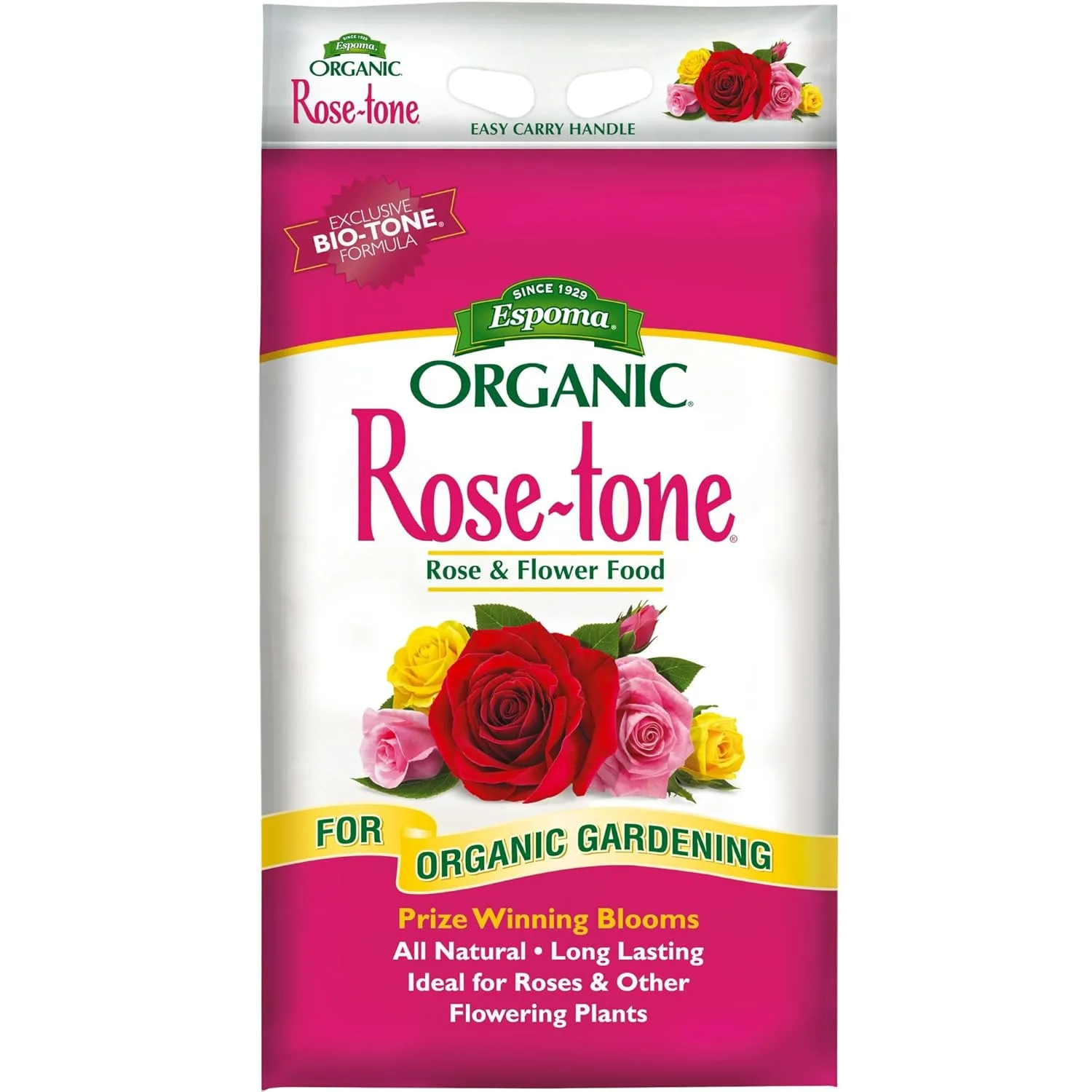
If you are feeding several established rose bushes, Espoma Rose-Tone 4-3-2 is a practical rose-specific option rather than another general garden fertilizer.
I would still use it according to the label and adjust feeding to the season and condition of the plants. The aim is to support healthy growth and flowering, not to keep pushing soft new growth late in the season.
I would not turn feeding roses into a chemistry project involving ten separate products. If the soil is good and the plants look healthy, a simpler routine is often more than enough.
After the first flush of flowers
After the first strong flush of blooms, roses can sometimes look a little tired.
This is the time to remove spent flowers from repeat-flowering varieties and check the overall condition of the plants.
If needed, you can give them another moderate feeding to support the next round of flowers.
But check the moisture level first.
Applying fertilizer to very dry soil is not a good idea. If the soil is dry, water first, then feed according to the product instructions.
Watering is part of feeding
You can buy the best fertilizer in the world, but if the rose is constantly moving between drought stress and waterlogged soil, the result will not be good.
I prefer deeper watering rather than wetting only the soil surface every day.
How often you need to water depends on:
- temperature;
- rainfall;
- soil type;
- the size of the plant;
- whether the rose is newly planted;
- whether it is growing in the ground or in a container.
During hot summers, check the soil regularly. I do not water by the calendar. The garden has no idea whether today is Tuesday.
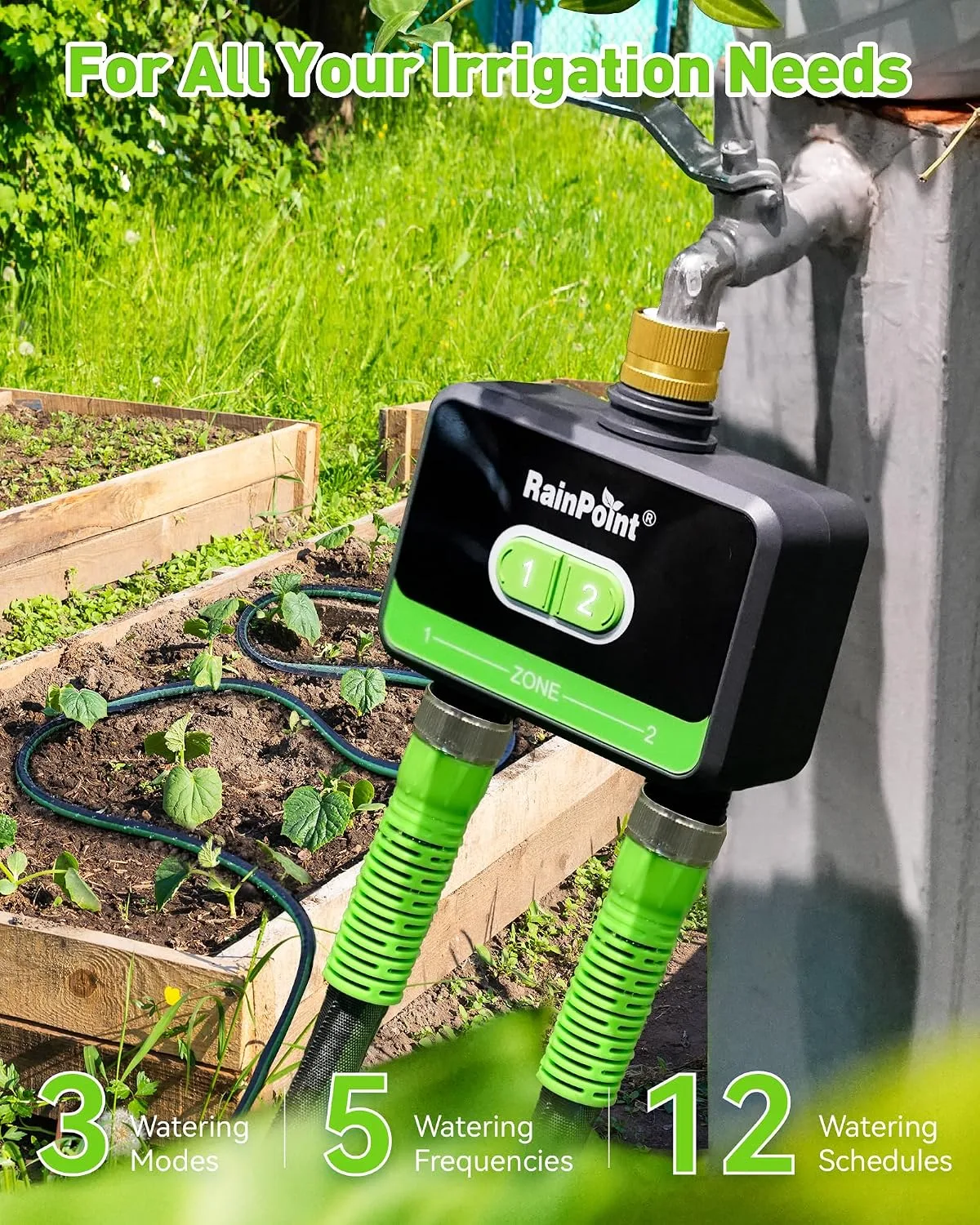
If the rose beds, containers and surrounding plants do not all need water at the same time, a two-zone timer can make the routine much easier to manage.
It allows two watering zones to run on separate schedules. I would use it as a convenience tool, not as a replacement for checking the soil, rainfall and actual weather conditions.
When is the best time to water?
Whenever possible, water in the morning.
This gives the plants the moisture they need before the hottest part of the day, while any leaves that accidentally get wet have time to dry.
It is best to direct the water toward the soil around the plant rather than repeatedly wetting the foliage.
Good air circulation and dry leaves can help reduce some fungal problems.
If the leaves are showing signs of trouble: Rose Diseases and Pests: How to Recognize Problems and When to Act
Mulch helps more than you might think
A layer of organic mulch around roses can help retain moisture and reduce how quickly the soil dries out during summer.
It also suppresses some weeds and gradually improves soil structure.
However, mulch should not be piled tightly against the stems.
Leave a little space around the base of the plant rather than creating a damp mound directly against it.
Watch the leaves, but do not diagnose from a single leaf
The leaves are often the first part of the plant to show that something is changing.
Pale green foliage, yellowing, spots, or weak growth can indicate a problem, but the cause is not always a lack of fertilizer.
It could be:
- too much or too little water;
- a soil problem;
- a nutrient deficiency;
- disease;
- pests;
- the natural aging of older lower leaves.
So I do not automatically add fertilizer every time I see a yellow leaf. First, I look at the whole plant.
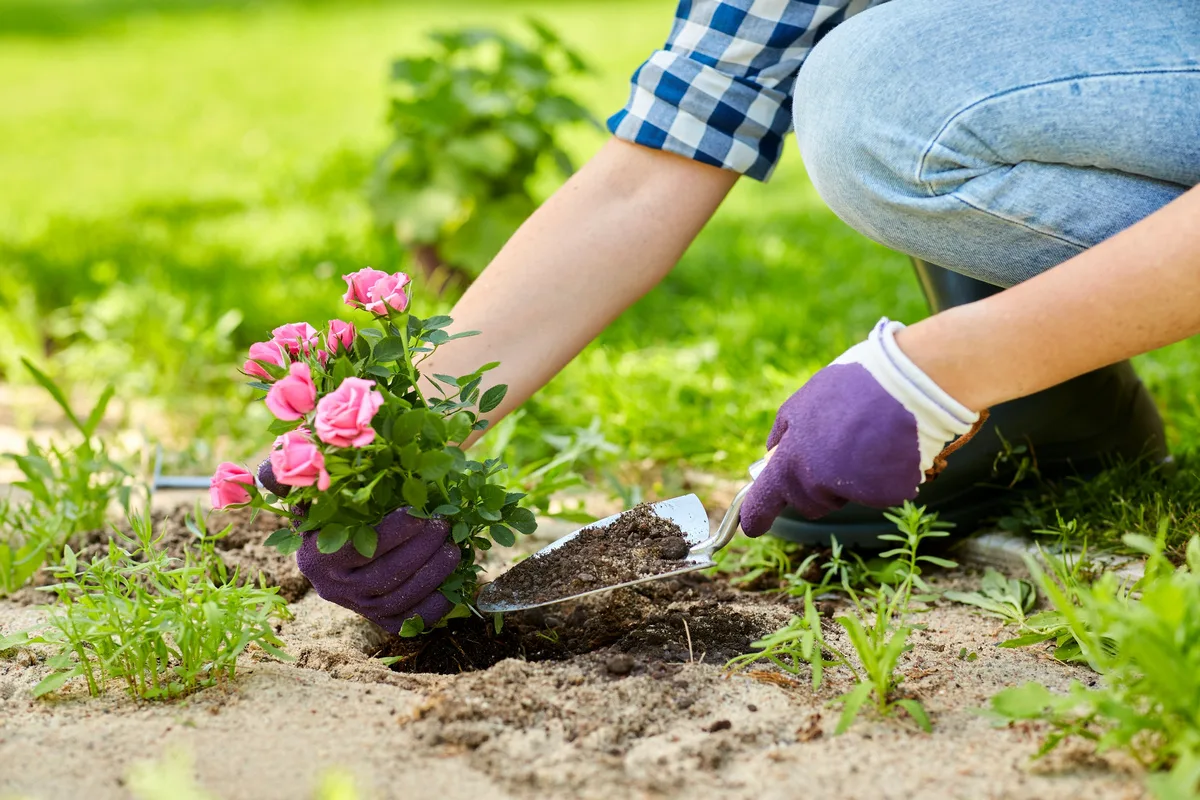
Young roses need a little more attention
With newly planted roses, conditions around the roots are especially important. Until the plant becomes well established, it does not have the same extensive root system as a mature rose bush.
That means monitoring moisture a little more closely without keeping the soil permanently wet. The soil around the roots should also remain loose, well drained, and free from strong weed competition.
Roses in containers need more attention too
Conditions are different for roses growing in containers.
A smaller volume of soil dries out faster, and nutrients are depleted more quickly.
Container roses usually need:
In very hot weather, a small container can dry out surprisingly quickly.
Size matters here too - not just the size of the plant, but also the amount of soil available to its roots.
Late summer: start slowing things down
From late summer onward, the strategy gradually changes.
We no longer want roses to produce large amounts of soft new growth that will not have enough time to mature before cold weather arrives.
So we reduce and gradually stop high-nitrogen feeding.
If the condition of the plants and your feeding routine call for it, you can use a fall fertilizer with less nitrogen and more potassium.
Again, follow the product label rather than universal recipes involving spoonfuls and handfuls.
Do not push roses to bloom until December
During the active growing season, we remove spent flowers to encourage repeat flowering.
Toward the end of summer, we gradually stop doing this.
We can leave some flowers to develop into rose hips and allow the plant to begin its natural transition toward dormancy.
There is no need to convince a rose in October that it is still June.
Fall: feeding ends and winter preparation begins
As fall arrives, active feeding gradually comes to an end.
Now the focus shifts: remove fallen and diseased leaves, monitor soil moisture, secure climbing roses, and begin preparing the plants for cold weather.
I have covered this separately, because preparing roses for winter is about much more than their final feeding of the year.
Rose care through the year at a glance
| Season | Main task |
|---|---|
| Early spring | Pruning, cleanup, and the beginning of feeding |
| Spring | Support active growth and bud formation |
| Early summer | Watering, observation, and the first strong flush of flowers |
| After the first flush | Deadheading and, if needed, another moderate feeding |
| Summer | Manage moisture, diseases, and pests |
| Late summer | Reduce nitrogen and stop encouraging soft new growth |
| Fall | Stop active feeding and prepare the plants for winter |
Three easy mistakes to avoid
The simplest approach
There is no need to build a complicated routine involving ten different products.
For most home gardens, it is enough to begin with good soil, a suitable complete fertilizer, adequate water, and observation.
Roses are fairly good at showing us how they feel.
With time, we begin to understand when a plant genuinely needs something and when it is better simply to let it get on with growing.
For me, this was one of the biggest changes in gardening: I stopped constantly asking, “What else should I add?” and started asking more often, “Does it actually need anything?” Sometimes it does not.