
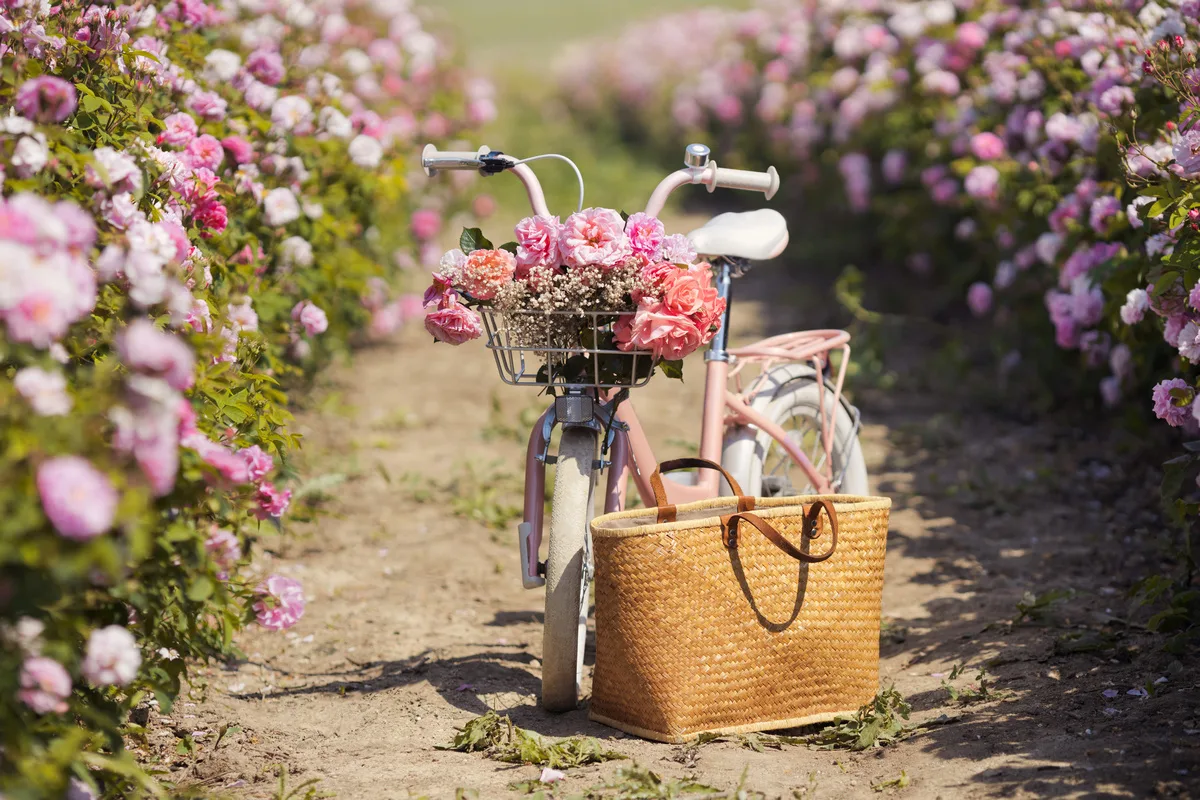
Roses have a reputation for being plants that demand constant attention, specialized knowledge, and almost daily rounds with pruning shears and a sprayer. In reality, things are not quite that dramatic.
Over the years, I have gathered a lot of information about roses, tried different ways of growing them, and, most importantly, learned which things genuinely matter and which ones simply make gardening more complicated.
So I have brought together the basics I think are worth knowing if you are just beginning to grow roses.
This is not an encyclopedia. Think of it more as a map for growing roses: how to choose the right type, where to plant it, when to water, feed and prune, how to recognize problems, and how to prepare your plants for winter.
One of the most useful things you can learn about roses is what they actually need, instead of constantly looking for something else to add.
First: what kind of rose do we actually want?
Before buying the first beautiful rose that catches our eye at the garden center, it helps to know where we are going to plant it and what we expect it to do.
Different groups of roses have very different habits. There are compact floribundas, large shrub roses, hybrid teas with impressive individual blooms, groundcover roses, climbers, and ramblers that can cover entire structures.
So the question is not simply, “Which rose do I like?” We also need to decide what role we want it to play in the garden:
Making this decision at the beginning can save quite a few disappointments later. It is also much easier to compare roses once we know whether we are looking for a compact border rose, a large shrub, or a climber for a structure.
This article contains affiliate links. As an Amazon Associate, BioGardn may earn from qualifying purchases, at no additional cost to you.
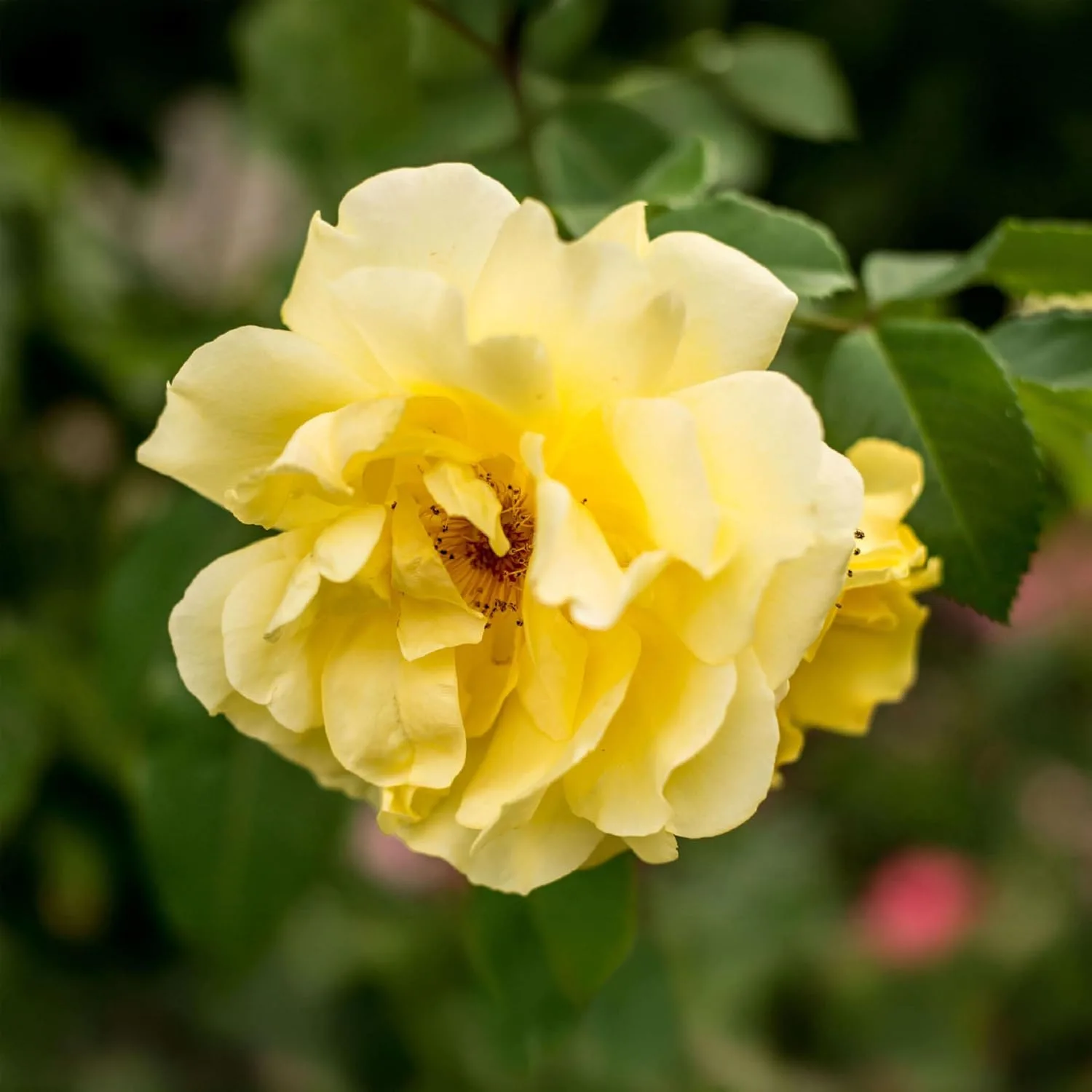
If you are still deciding between shrub roses, hybrid teas, floribundas, climbers, and other types, browsing them by growth habit is more useful than choosing only by flower color.
The Heirloom Roses Amazon store groups several rose types together, which makes it easier to compare plants for different parts of the garden.
The right place, water, and feeding
Choosing the right locationMost roses love light. Ideally, the site should receive several hours of direct sun each day and have good air circulation.
This matters for more than flowering. Roses planted too densely in a stuffy, constantly damp location are much more likely to develop leaf problems.
The soil should be fertile but well drained. Roses appreciate water, but they do not like having their roots sitting continuously in heavy, wet soil.
If you are creating a rose garden from scratch, choosing the right location is probably more important than any fertilizer you will buy later.
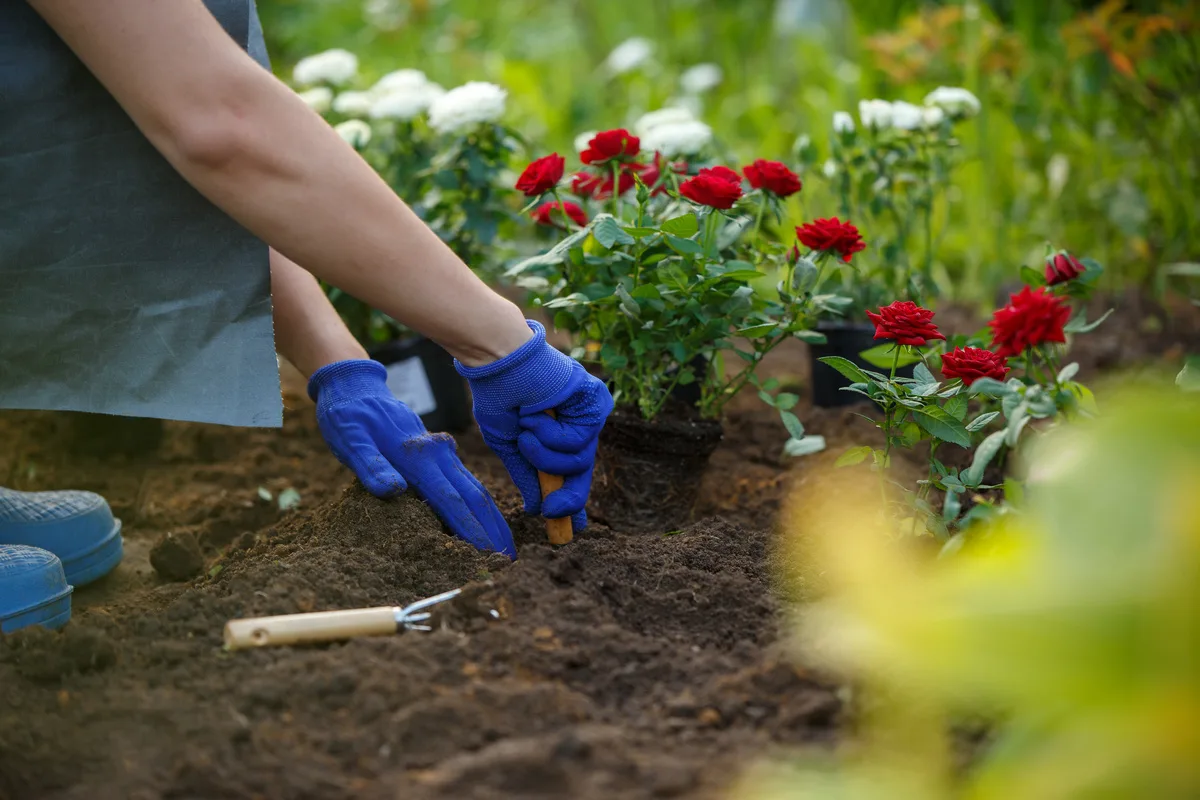
One of the most common mistakes is giving roses a little water every day. This mainly keeps the upper layer of soil moist and encourages a shallower root system.
A better approach is to water less often but more deeply, allowing moisture to reach farther down into the root zone.
How often you need to water depends on:
- temperature;
- soil type;
- the size and age of the rose;
- rainfall;
- whether the plant is growing in the ground or in a container.
Newly planted roses naturally need closer attention. As established plants develop stronger root systems, we can gradually allow their roots to search for moisture deeper in the soil.
Feeding roses through the seasonsWith fertilizer, it is very easy to do more than necessary. Roses do not have the same nutritional needs throughout the entire growing season.
Spring begins with active growth. Then comes bud formation and the first strong flush of flowers. After that first flush, some repeat-flowering roses may benefit from moderate feeding to support another round of blooms.
By late summer, the strategy changes. At that point we no longer want to encourage a lot of soft, fresh growth just before winter.
So there is no single “rose fertilizer” that should simply be used in exactly the same way from March through November.
Detailed guide: Feeding and Caring for Roses Through the Seasons
Pruning, deadheading, and propagation
Pruning is not the same for every roseThis is usually the point where a beginner picks up the pruning shears and starts worrying. Where do I cut? How low? Above which bud? What if I cut the wrong branch?
The good news is that roses are much more forgiving than they appear. The important thing is to first know what type of rose you are growing.
A hybrid tea, a large shrub rose, and a climbing rose should not automatically be pruned in exactly the same way.
The main pruning is usually done in spring, when we can see how the plant came through winter. During the growing season we remove spent flowers and damaged growth, while in fall we avoid heavy shaping.
Spent flowers matter tooRemoving spent blooms during the active growing season encourages many repeat-flowering roses to produce new buds.
But I would not continue doing it automatically into late fall. Toward the end of summer, we gradually allow the plants to slow down, and some flowers can be left to develop rose hips.
This is part of the plant's natural transition into dormancy.
How to propagate a rose you loveThere are some roses we simply want another one of. It may be an old rose growing in our parents' yard, a wonderful plant in a friend's garden, or a variety that performs particularly well in our own conditions.
In that case, it can be worth trying propagation from cuttings. Not every cutting will root, and different varieties behave differently, but the process itself is not especially complicated.
The most important things are choosing the right shoot, making a clean cut, using a suitable growing medium, and managing moisture while roots develop.
Step by step: Pruning and Propagating Roses
Not every rose is equally practical in a container. Starting with varieties suited to smaller spaces is much easier than trying to keep a very vigorous shrub or climber permanently confined.
Heirloom Roses has a separate Amazon collection focused on roses suitable for containers, which can be useful when comparing options for patios, terraces, and smaller gardens.
Diseases and pests: identify first, treat second
Rose diseasesAt the first spot on a leaf, there is no need to bring out the entire chemical arsenal. First, we need to work out what we are actually looking at.
Common problems include:
- black spot;
- powdery mildew;
- rust;
- yellowing leaves.
Yellow leaves, for example, do not automatically mean disease. The problem may be related to watering, nutrition, or soil, and sometimes it is simply the natural aging of the oldest lower leaves.
Diagnosis is more useful than random spraying.
Rose pestsAphids are probably the first pest most people notice on roses. Spider mites, thrips, and other unwanted visitors can also appear.
The principle is the same: identify first, then act.
With a small infestation, mechanical removal may sometimes be enough. A more serious problem may require an appropriate product for the specific pest.
I do not use treatments preventively just because “there might be something there.”
Identifying symptoms: Rose Diseases and Pests: How to Recognize Problems and When to Act
Preparing roses for winter starts in late summer
We cannot suddenly decide in November that it is time to “winterize” the roses and make up for everything else with one operation.
Starting in late summer, we gradually begin to:
- reduce and then stop high-nitrogen feeding;
- stop encouraging continuous new growth;
- adjust watering according to the weather;
- allow some flowers to develop rose hips;
- remove diseased and fallen leaves;
- secure climbing roses;
- treat specific problems if necessary;
- protect the base of the plant after consistently cold weather arrives.
Fall care calendar: How to Prepare Roses for Winter: Fall Care Step by Step
Climbing roses and planting companions
Climbing roses have their own rulesOnce a rose begins climbing over an arch, fence, or pergola, caring for it gradually becomes different from caring for a compact shrub.
Now we are thinking not only about flowers, but also about structure. The main canes need to be well distributed and tied in, and the way we train them also influences the development of flowering side shoots.
With large plants, it is important to leave enough room for pruning, tying, and working around them.
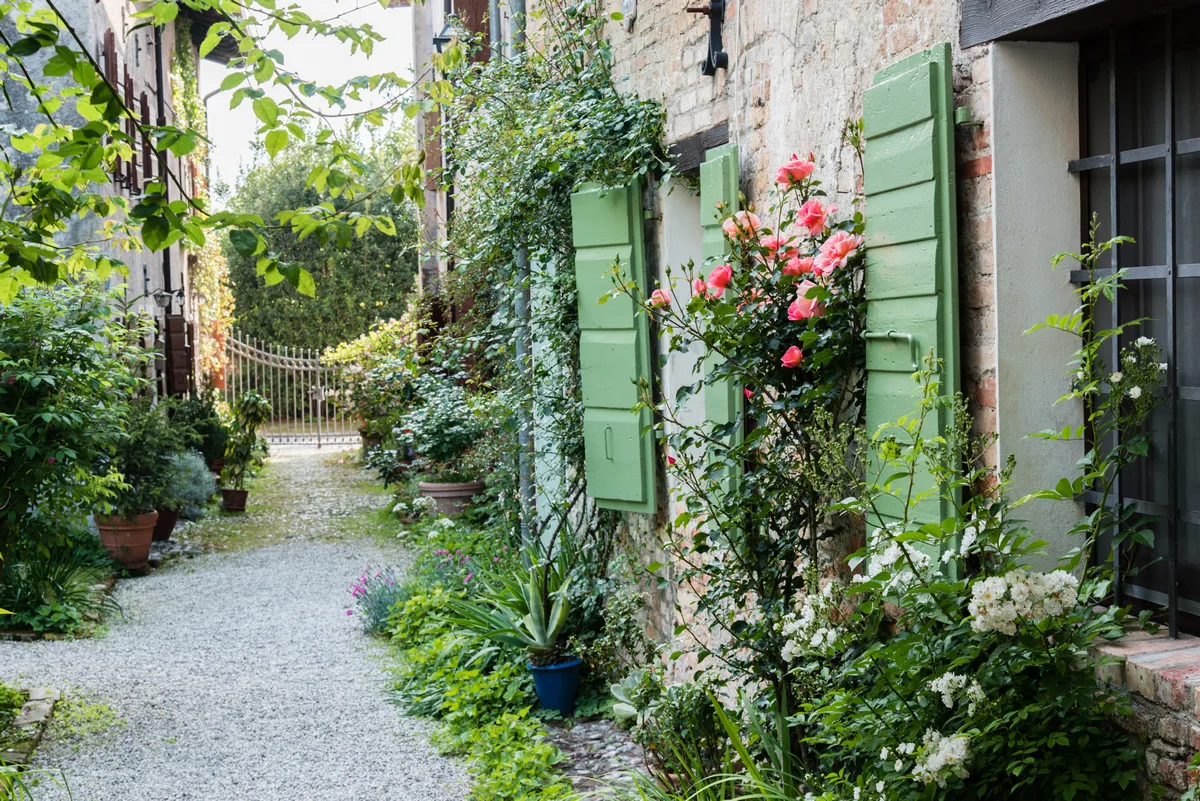
This is one of those subjects where there are far too many lists along the lines of “10 plants roses love.”
For me, the more useful question is whether the plants prefer reasonably similar conditions and whether they will compete with or crowd each other.
When choosing companion plants, I look at a few basic things:
That is how we create a planting that is both beautiful and reasonably easy to maintain.
Ideas for the flower border: What to Plant with Roses: Beautiful and Practical Combinations
Not every rose garden has to be planted directly in the ground. A patio, terrace, or smaller garden can work very well too, provided we choose a rose whose mature size suits container growing.
In a pot, the plant has access to a much smaller volume of soil, so drainage, container size, watering, and the eventual size of the rose become especially important.
A few rules worth remembering at the beginning
- Give your rose plenty of sun.
- Do not keep the soil constantly wet.
- Do not feed more simply because you want more flowers.
- Know what type of rose you are growing before you prune it.
- Keep the area around the plants reasonably clean.
- If you see disease or pests, identify the cause before treating.
- Do not expect every rose to look perfect every single day of the season.
That last one probably saves the most frustration.
Roses are not as complicated as they seem
The more we read about roses, the easier it is to come away with the impression that caring for them requires an entirely separate profession.
In reality, a few basic principles solve a large part of the problem: the right location, sensible watering, appropriate feeding, proper pruning, and paying attention to the plants.
The rest comes with time.
This page brings together the detailed rose-growing guides on BioGardn - not everything that could possibly be written about roses, but the information I have found genuinely useful in a real garden.