After years of growing tomatoes in my own garden, I have reached a fairly simple conclusion: good results do not come from adding more fertilizer, but from knowing when the plant actually needs it.
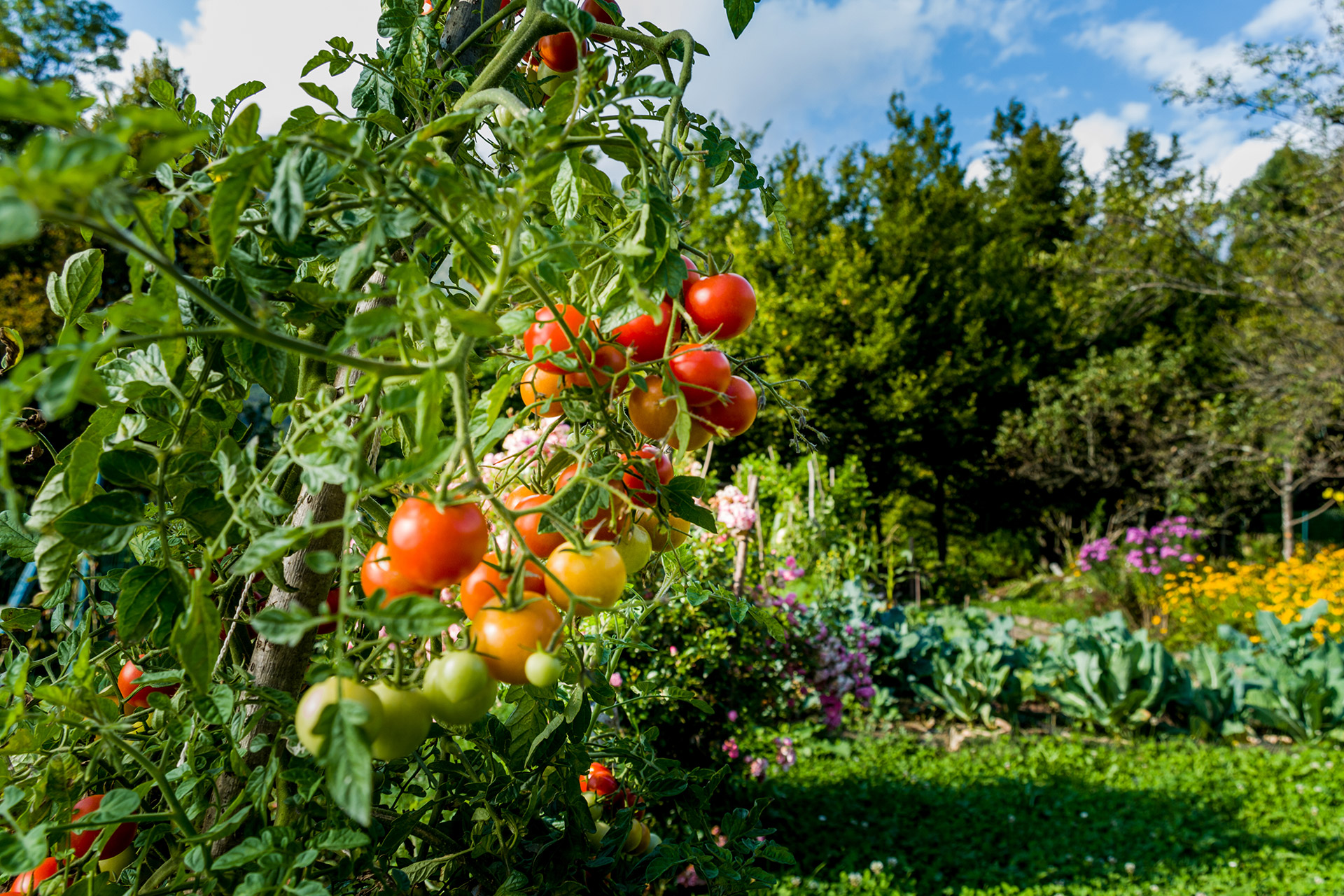
My tomatoes grow in raised beds filled with a mixture of soil, organic matter and worm castings. During the season I combine organic and mineral feeding, but I always prefer moderate doses to the idea that “more fertilizer means more tomatoes.”
In the end, the goal is not to grow the largest plant in the neighborhood. I want a healthy plant that flowers, sets fruit and produces tomatoes with real flavor.
It All Starts With the Soil
Fertilizer cannot compensate for poor soil. So before thinking about a particular NPK ratio, I start with soil structure, organic matter and good drainage.
In my raised beds I use a mixture that includes soil and worm castings. I also add suitable soil amendments depending on the needs of the particular soil.
Organic matter improves soil structure, water retention and conditions around the roots. For me, this is the foundation that makes mineral feeding useful later on.
With tomatoes, I feed the soil first and the plant second.
Organic or Mineral Fertilizer?
I do not see them as two competing methods.
Compost, worm castings and other organic materials work more slowly and improve the soil itself. Mineral fertilizer allows nutrients to be supplied more precisely during periods when the plant needs them most.
For me, the best approach is a combination of the two, without overdoing either one.
What Do the NPK Numbers Mean?
The three numbers on a fertilizer package indicate the relative amounts of nitrogen, phosphorus and potassium.
How I Feed Tomatoes Through the Season
After Planting
At the beginning, I do not rush to apply high doses of fertilizer. The seedlings first need to develop a good root system and adjust to their new position.
If the soil has been prepared well, it often already contains enough nutrients for this first stage.
During Active Growth
Once the plants begin growing strongly, I watch the color of the leaves, the development of the stems and the overall condition of the plants.
I do not want excessively high nitrogen levels because this often creates impressive green growth, but not necessarily more tomatoes.
During Flowering and Fruiting
When the plants begin to flower and set fruit, I move toward a fertilizer with more emphasis on potassium and a moderate amount of nitrogen.
In my own garden, I prefer smaller doses at sensible intervals rather than one heavy application.
With mineral fertilizers, I always follow the concentration and instructions given by the manufacturer. More fertilizer does not mean more fruit, and an overly concentrated solution can damage the plants.
Toward the End of the Season
Toward the end of summer, I gradually reduce feeding.
At this point I do not want to encourage large amounts of new leafy growth that will not have enough time to mature before cooler weather arrives. My attention shifts to the fruit already developing on the plants.
The Most Common Tomato Fertilizing Mistakes
Most of the problems I have seen in my own garden have not come from a lack of fertilizer, but from overfeeding or using the wrong balance.
- Too much nitrogen. The plant becomes huge and green but flowers and fruits poorly.
- Fertilizing too often. Excess salts can build up in the soil and interfere with normal water and nutrient uptake.
- Feeding without looking at the plant. The same schedule does not work equally well in different soils, temperatures and stages of development.
- Trying to solve every problem with fertilizer. Yellow leaves or falling flowers can have many causes, including watering, temperature or root problems.
Foliar or Soil Feeding?
I have used both methods, but I do not consider them interchangeable.
The main source of nutrition comes through the root system. Foliar feeding can be useful as a supplement in particular situations, but I would not use it as a substitute for well-prepared soil and normal root feeding.
The best guide is still the plant itself - how it is growing, the color of the leaves, how well it flowers and how successfully it sets fruit.
Watering Is at Least as Important as Fertilizer
My tomatoes are watered with a drip irrigation system. During hot periods this means regular watering, but I would not turn my own schedule into a universal rule for every garden.
Soil type, temperature, plant size and rainfall all change how much water tomatoes need.
Keeping moisture reasonably consistent is more important than following a fixed watering schedule regardless of the weather.
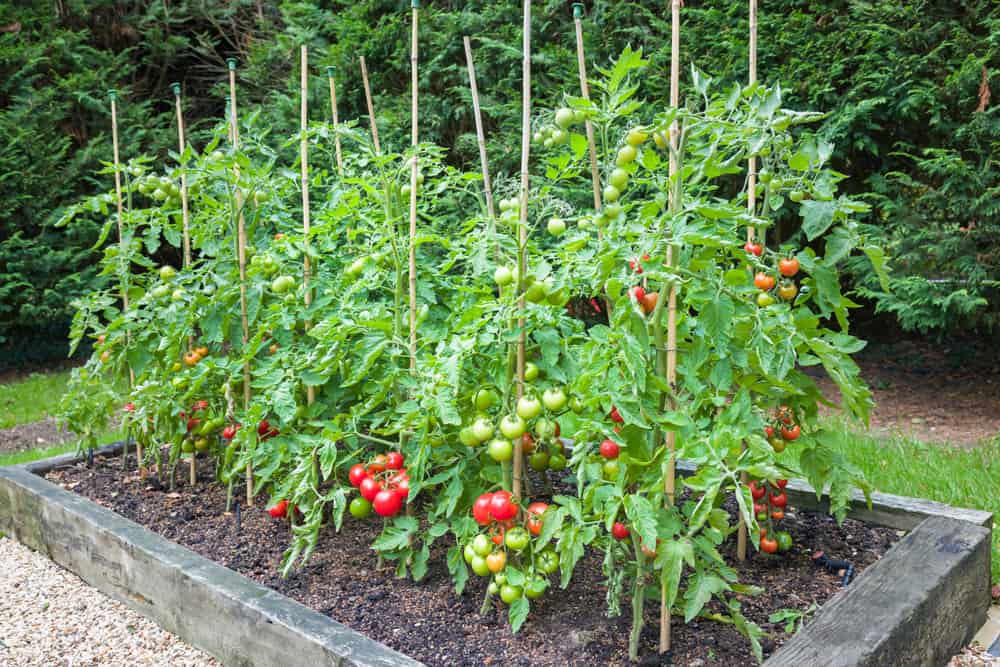
Tomatoes like water, but they do not like their roots sitting permanently in waterlogged soil.
What I Do During Extreme Summer Heat
When temperatures become excessively high, I use shade netting. In my garden, 40% shade has proved useful during the most difficult periods of summer.
Besides reducing the intensity of direct sun, the netting also provides some physical protection during unfavorable weather.
How Far Apart I Plant Tomatoes
I have a natural tendency to use every bit of free space in the garden, but tomatoes taught me fairly quickly not to be greedy with spacing.
A small plant in May can look perfectly harmless, and by July it may already resemble a small tree.
In my beds I usually leave around 50 cm between plants. The exact spacing also depends on the variety, the growing method and whether the plants are pruned and trained vertically.
What I Plant Around Tomatoes
Over the years I have combined tomatoes with beans, basil, mint, marigolds and other plants.
For me, companion planting makes most sense when the plants do not compete too heavily for light, space and water.
Basil, for example, is a convenient neighbor simply because it enjoys similar summer conditions, and the kitchen gets two useful crops from the same area.
Tomatoes remind me every summer that a good garden is not managed by the calendar. I watch the plants, the weather and the soil - and then decide whether they need water, fertilizer or simply to be left alone.
How I Use Tomatoes at the End of Summer
When the harvest becomes larger than what we can eat fresh, my other favorite part begins - the kitchen.
I make a thick tomato sauce for pizza with garlic, basil, salt, pepper and spices. Once it has cooked down enough, I portion it into prepared bottles or jars.
During winter I use this sauce for pizza, pasta, bruschetta or a quick tomato soup.
And when tomatoes are at their absolute summer peak, gazpacho is almost compulsory. Cold, fresh and exactly as complicated as I feel like cooking on a 35°C day.
I do not throw away the remaining green tomatoes at the end of the season either - some of them become preserves for winter.
The Most Important Thing About Fertilizing Tomatoes
If I had to reduce everything to one rule, it would be this: do not start with the fertilizer.
Start with healthy soil, organic matter, consistent watering and enough room for the roots. Then use fertilizer as a tool, rather than as the solution to every problem.
This more moderate approach gives me the best balance between healthy plants, a good harvest and tomatoes that actually taste like summer.