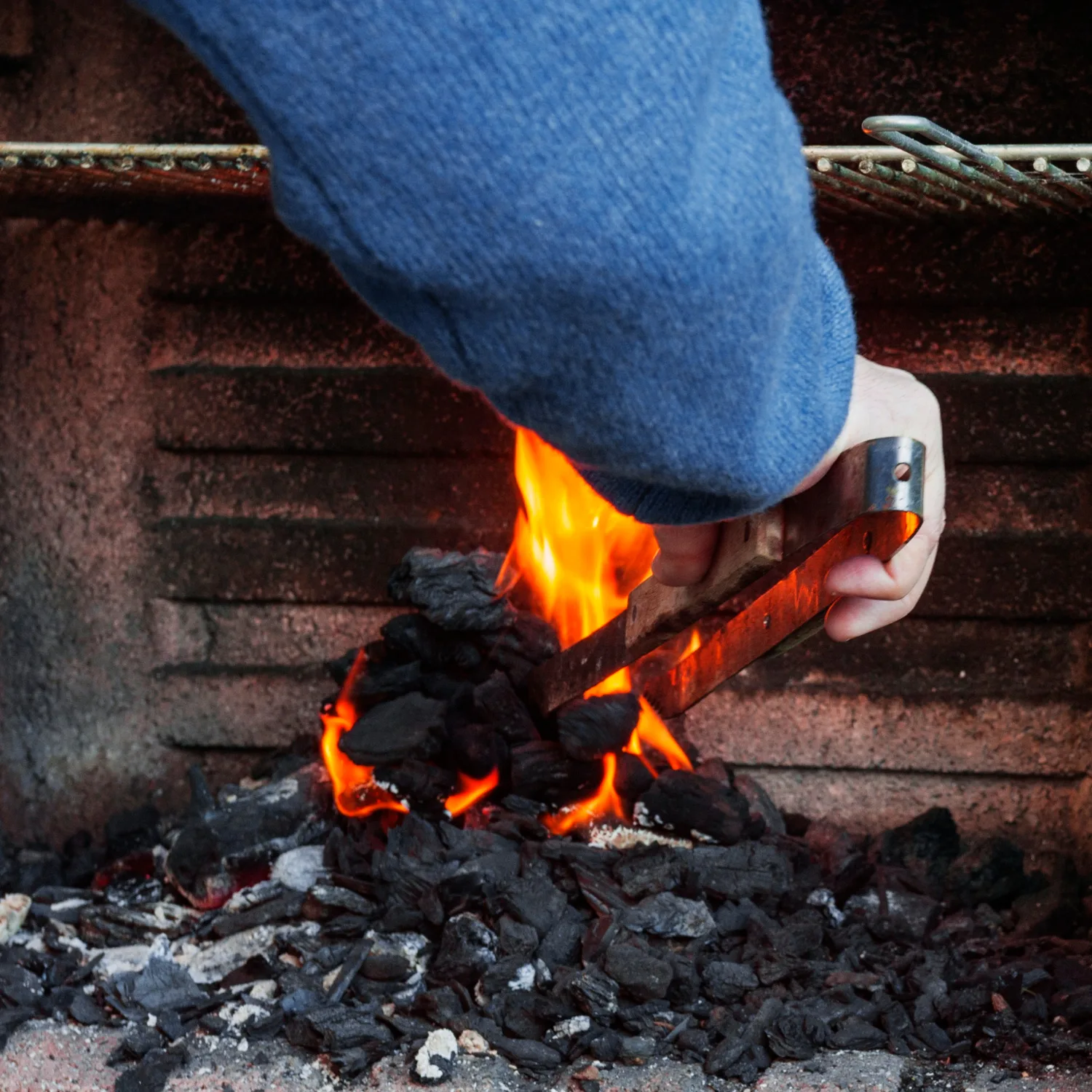
Wood ash can be a useful material in the home garden, but only when it is used for a clear reason.
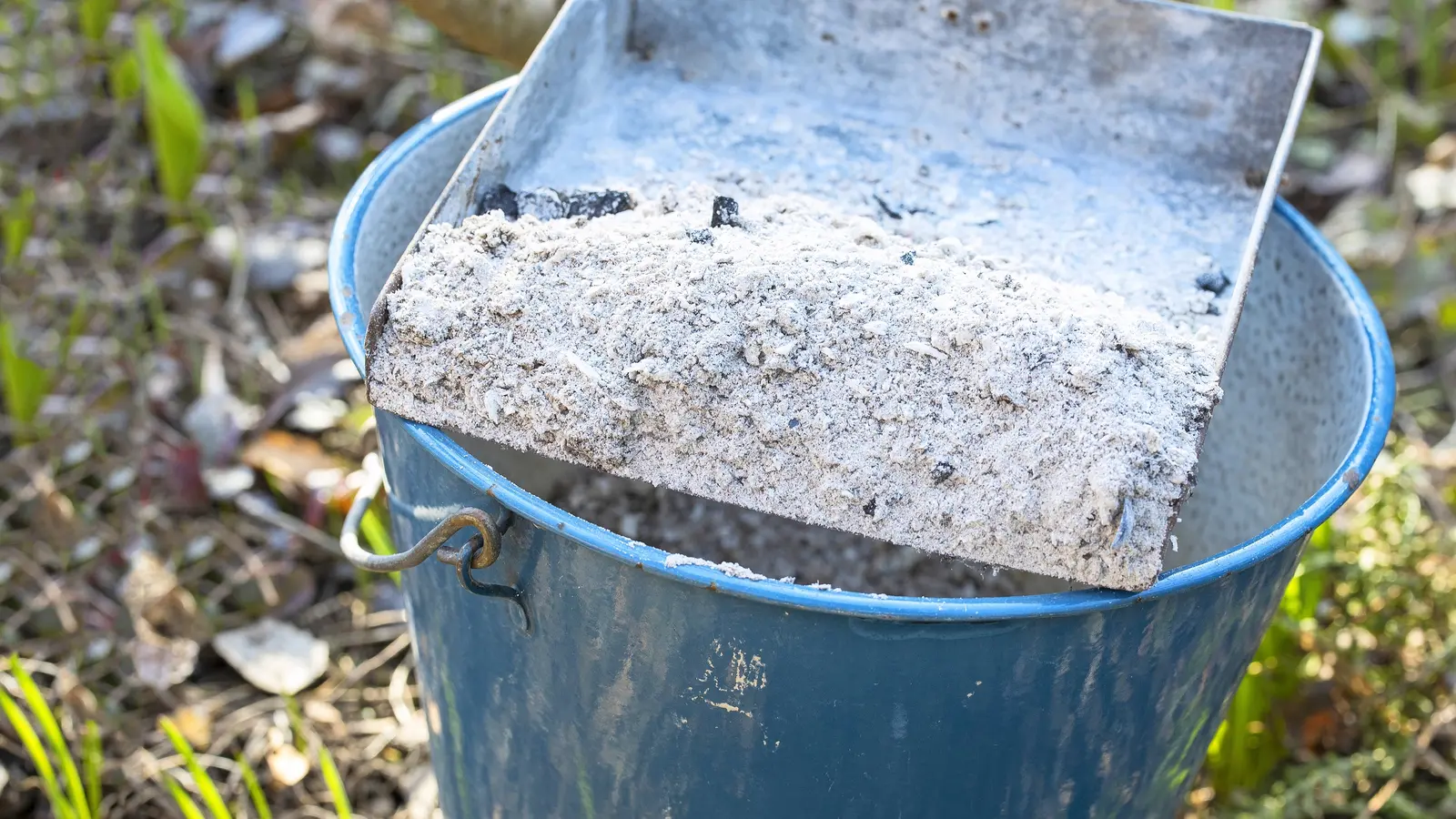
It contains mineral elements left behind after wood is burned, including potassium, calcium and smaller amounts of other nutrients.
Its most important characteristic, however, is its strong alkalizing effect. For that reason, wood ash should not be viewed as a universal fertilizer, but as a material that both adds minerals and changes soil pH.
With wood ash, the question is not only what it contains, but whether the soil actually needs a higher pH.
What Does Wood Ash Contain?
When clean wood is burned, most of its organic material disappears, while the mineral elements remain concentrated in the ash.
The composition is not the same in every batch. It depends on the type of wood, the part of the tree, combustion temperature and how the ash has been stored.
Its Most Important Effect Is on Soil pH
Wood ash has an alkaline effect and can raise the pH of acidic soil.
This can sometimes be useful, but in neutral or already alkaline soil it may create problems.
When soil pH becomes too high, some nutrients become less available to plants, even when they are present in the soil.
If you do not know whether your soil is acidic, adding wood ash every year “just in case” is not a good idea. A simple soil test can help prevent gradually pushing the soil pH too high.
When Wood Ash Can Be Useful
Wood ash makes the most sense when the soil is acidic and there is a genuine need to raise the pH gradually.
In that situation, ash can both supply certain minerals and reduce soil acidity.
The decision, however, should not be based only on the crop. Tomatoes, for example, can grow very well in slightly acidic soil and do not automatically need wood ash.
- when soil testing shows a relatively low pH;
- when moderate alkalizing is needed;
- around crops that do not require strongly acidic conditions;
- when the ash comes from clean, untreated wood;
- in modest amounts spread evenly over the soil.
When You Should Not Use Wood Ash
Wood ash can be especially unsuitable around plants that prefer acidic soil.
This includes blueberries, rhododendrons, azaleas and other acid-loving plants.
Ash is also unnecessary when the soil already has a high pH.
What Kind of Wood Ash Is Safe to Use?
In the garden, use only ash from clean, untreated wood.
Avoid ash from painted, varnished, pressure-treated or chemically treated wood.
Do not use ash from burned household waste, plastics or other unknown materials.
If you do not know exactly what was burned, it is better not to use the ash around vegetables, fruit trees or other edible crops.
How to Use Wood Ash in the Garden
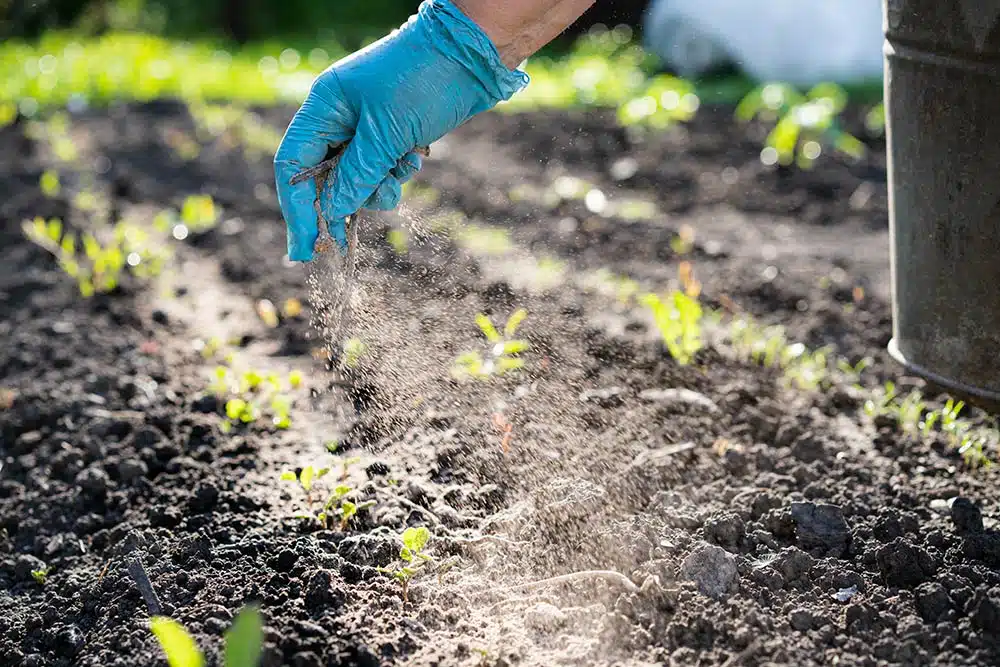
Wood ash should be used in small amounts and spread evenly.
It is not good practice to pour it into thick piles around roots or directly against plant stems.
After spreading, it can be lightly incorporated into the top layer of soil.
| Use | Reasonable approach | What to avoid |
|---|---|---|
| Vegetable beds | Apply lightly and evenly, only when soil pH makes it appropriate. | Thick layers or annual applications without testing the soil. |
| Fruit trees | Apply to the soil over the root zone if the soil conditions indicate a need. | Piling ash directly against the trunk. |
| Compost | A small amount can be distributed among the other materials. | Large amounts that change the compost environment too strongly. |
Why You Should Not Mix It Directly With Nitrogen Fertilizers
A strongly alkaline environment around freshly mixed materials can increase nitrogen losses as ammonia.
For that reason, it is not good practice to mix wood ash directly with ammonium-based nitrogen fertilizers or fresh manure immediately before application.
If you use several soil amendments, it is better to apply each one according to the actual needs of the soil, rather than mixing everything together.
Wood ash is not something that needs to be added to every fertilizer. It has its own strong effect on soil chemistry.
Can You Add Wood Ash to Compost?
A small amount of clean wood ash can be added to a compost pile, but there is no reason to use large quantities.
Too much ash can raise the pH of the compost and alter conditions for decomposer organisms.
If you have a large amount of ash, the compost pile is not simply a place to dispose of all of it at once.
Wood Ash Does Not Replace Compost
Wood ash adds almost no organic matter to the soil.
It can provide mineral elements and alter pH, but it does not build soil structure in the way compost does.
| Compost | Wood ash | |
|---|---|---|
| Organic matter | Yes, in meaningful amounts. | Almost none. |
| Effect on soil structure | Significant with regular use. | Limited. |
| Effect on pH | Usually moderate. | Can be strong and alkalizing. |
| Main use | Long-term soil improvement. | Mineral supplement and pH adjustment for acidic soil when needed. |
Common Mistakes When Using Wood Ash
Wood ash can be useful in the garden, but it is not a universal fertilizer.
Use only ash from clean, untreated wood and first determine whether your soil actually needs a higher pH.
Small, evenly distributed amounts are more sensible than heavy applications. Compost, organic matter and balanced fertilizing remain the foundation of good soil care.