
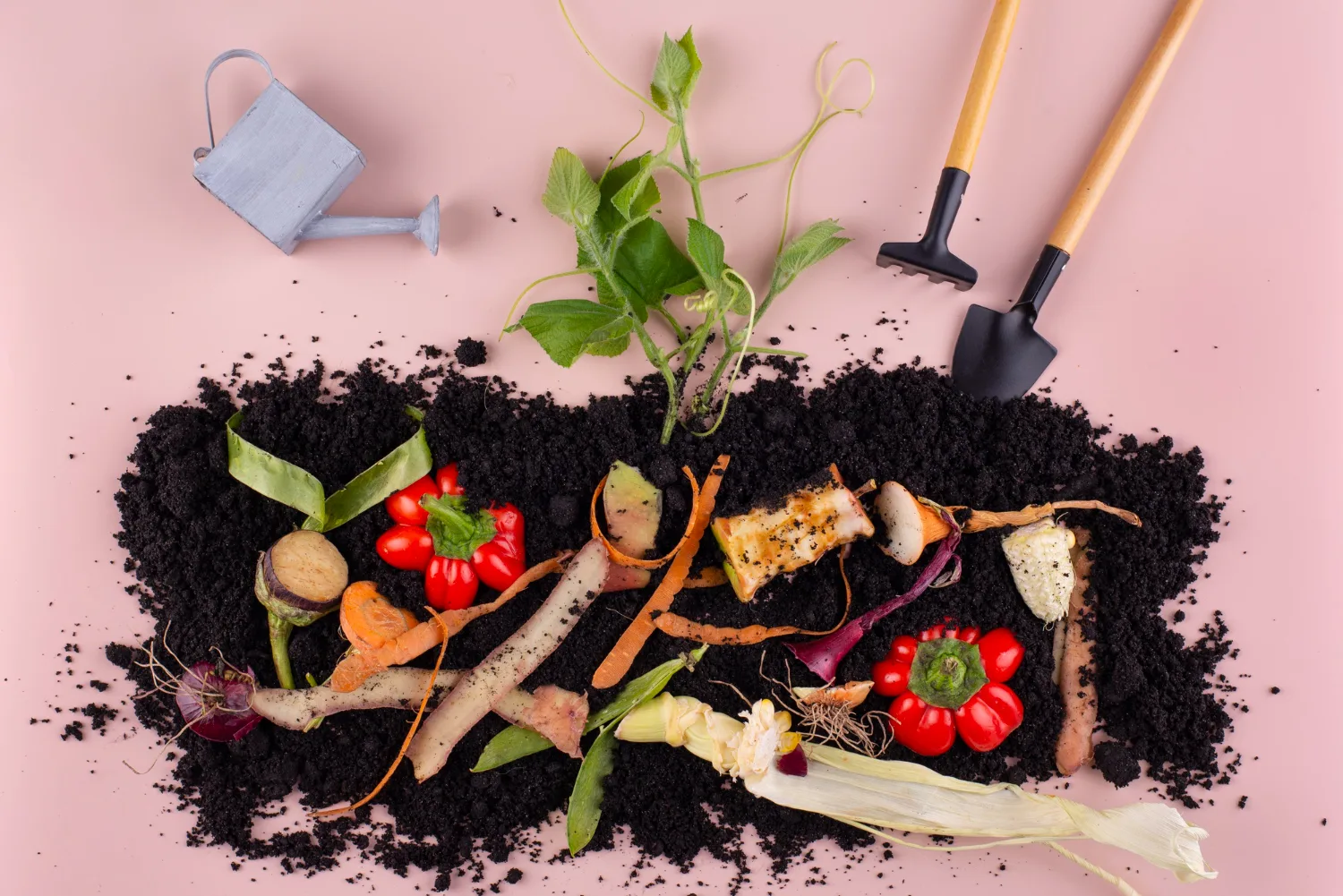
Compost is one of the best ways to return organic matter to garden soil. Instead of treating fallen leaves, grass clippings and kitchen vegetable scraps as waste, we can turn them into a valuable soil amendment.
Compost does not act like a fast-release mineral fertilizer. Its role is broader: it improves soil structure, helps the soil hold moisture, adds organic matter and creates better conditions for soil organisms.
The process is not complicated. The most important factors are a good balance of materials, enough moisture and access to air.
Compost is not simply a way to use garden waste. It is a way to build better soil gradually and over the long term.
What Compost Actually Is
Composting is a biological process in which microorganisms break down organic materials in the presence of oxygen.
Bacteria, fungi and many other organisms take part in the process, gradually transforming mixed organic material into a more stable form of organic matter.
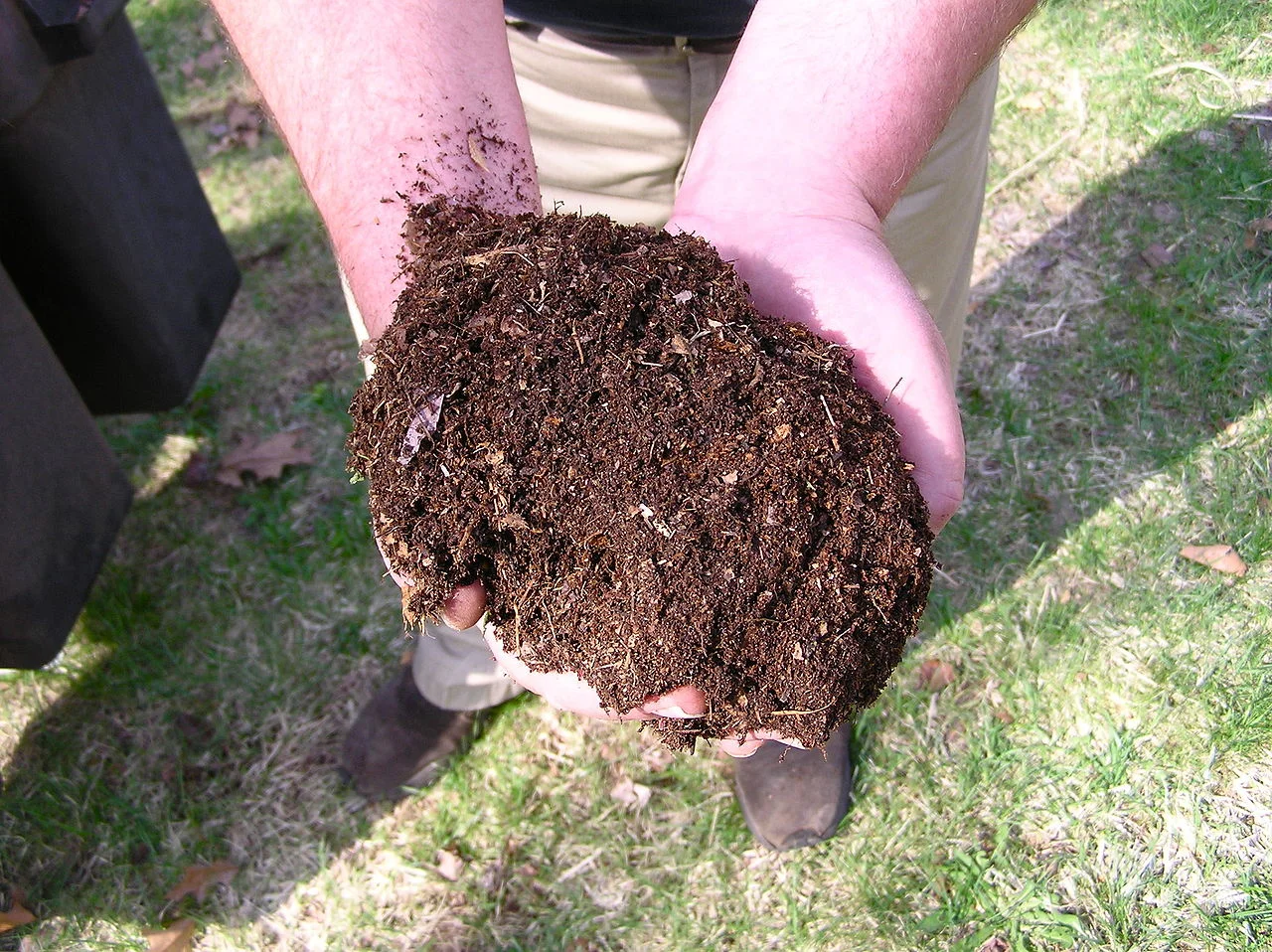
Mature compost is usually dark, crumbly and has a pleasant, earthy smell.
Green and Brown Materials
One of the easiest ways to understand compost materials is to divide them loosely into “greens” and “browns.”
Green materials are generally richer in nitrogen and moisture, while brown materials contain more carbon and are usually drier.
| Green materials | Brown materials |
|---|---|
| Fresh grass clippings | Dry leaves |
| Vegetable kitchen scraps | Shredded cardboard without plastic coating |
| Fruit and vegetable peelings | Straw |
| Fresh plant trimmings | Small twigs and woody materials |
| Coffee grounds | Dry stems and dead plant material |
In a home compost pile, you do not need to calculate the carbon-to-nitrogen ratio exactly. A practical rule is simply to avoid adding a huge amount of wet green material without enough dry and structural material.
What Not to Put in a Home Compost Pile
Not everything that is organic is a good choice for a typical backyard compost pile.
Some materials attract pests, others create odors, and some can introduce plant diseases or unwanted seeds.
- meat, fish and animal fats;
- dairy products;
- large amounts of cooked or greasy food;
- dog and cat waste;
- plants treated with products that are not suitable for home composting;
- heavily diseased plant material when you cannot be sure the pile reaches and maintains sufficiently high temperatures;
- weeds with mature seeds in a cold compost system.
A backyard compost pile does not always reach or maintain a high enough temperature to destroy all pathogens and weed seeds. For heavily infected plants, it is usually safer not to add them to an ordinary cold compost pile.
How to Build a Compost Pile
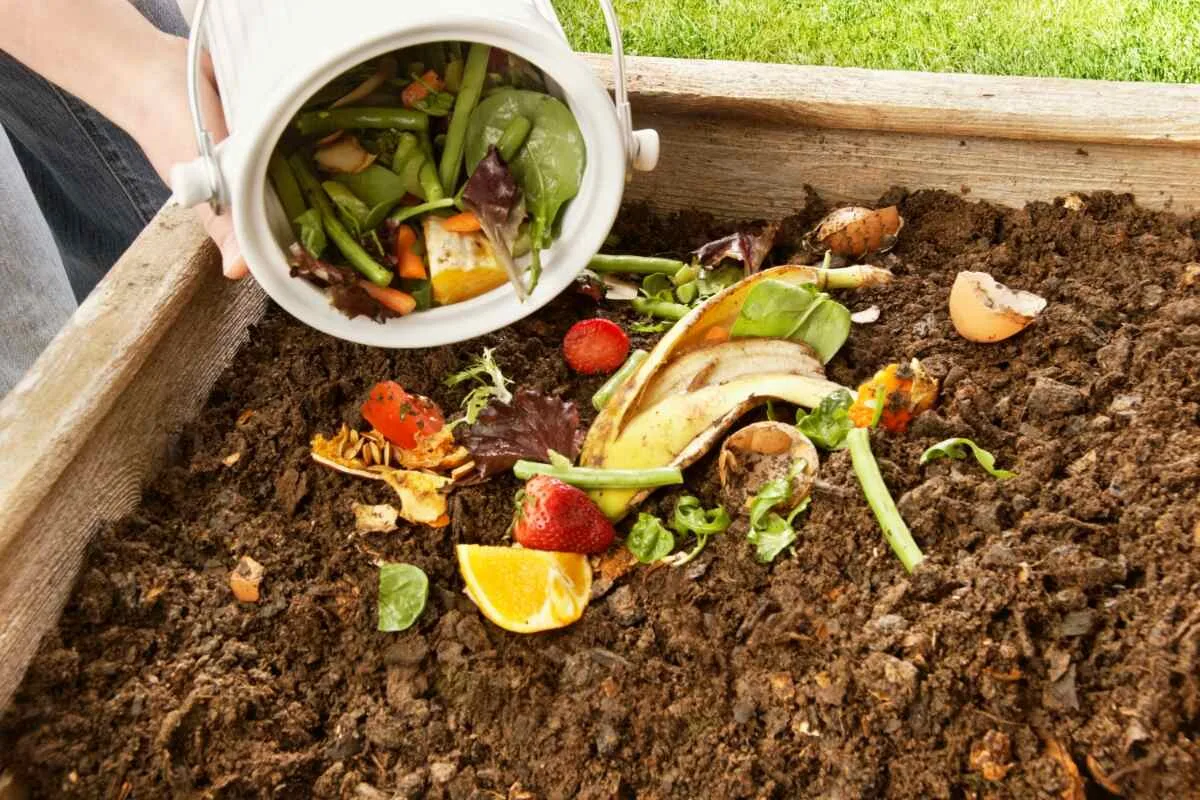
You do not need a special compost bin. Compost can be made in a container, a wooden enclosure or simply in a pile, as long as the material has access to air and does not stay waterlogged.
For faster decomposition, it helps to cut larger materials into smaller pieces, especially coarse stems and twigs.
- choose a convenient location with access to the ground;
- begin with some coarse material to help maintain airflow;
- mix moist green materials with dry brown materials;
- keep the pile moderately moist;
- turn periodically if you want a more active composting process;
- avoid compacting the materials too tightly.
If compost smells bad, the problem is usually not “too much waste,” but too much moisture and too little air.
How Moist Should the Compost Be?
The microorganisms responsible for decomposition need moisture, but they do not thrive in a constantly waterlogged environment.
If the compost is too dry, decomposition slows down. If it is too wet, oxygen levels fall and unpleasant odors can develop.
Do You Need to Turn Compost?
Turning the pile is not absolutely necessary, but it speeds up decomposition by adding oxygen and mixing more decomposed material with fresher material.
If you want faster compost, turning is useful. If you are not in a hurry, the pile can simply decompose more slowly.
Compost does not fail because you do not turn it every week. In most cases, the process simply takes longer.
How Long Does Composting Take?
There is no single exact composting time. The speed depends on temperature, moisture, the balance of materials, particle size and whether the pile is turned.
| Approach | What to expect |
|---|---|
| Active composting | With good moisture, a suitable mix and regular turning, materials can break down within a few months. |
| Moderately maintained pile | Around 6-12 months is common. |
| Slow composting | With little turning and coarse materials, the process may take more than a year. |
How to Tell When Compost Is Ready
Mature compost should no longer look like a pile of kitchen scraps and garden waste.
Some coarse material may still be visible, but most of the pile should be dark, crumbly and relatively uniform.
- it has an earthy smell, not an unpleasant one;
- it no longer heats up after being mixed;
- most original materials are no longer recognizable;
- the texture is crumbly and fairly uniform;
- there are no large amounts of fresh kitchen scraps remaining.
How to Use Finished Compost
Compost can be used in several ways, but it is most valuable as a soil amendment.
It does not need to be dug deeply into the soil. In many cases, it is enough to spread it over the surface and lightly incorporate it into the upper soil layer.
| Where | How to use it |
|---|---|
| Vegetable beds | Spread over the soil before planting or between growing seasons. |
| Fruit trees and shrubs | Apply over the root zone, but avoid piling it directly against the trunk or stems. |
| Ornamental plants | Use as a surface layer or mix lightly into the topsoil. |
| Potting mixes | Compost can be one component of a potting mix, but usually should not be the only growing medium. |
Nutrient levels in homemade compost can vary considerably. Compost is excellent for building healthy soil, but crops with high nutrient demands may still require additional, balanced feeding.
Common Composting Mistakes
Compost is one of the most accessible ways to improve garden soil using materials you already have at home and in the yard.
Mix green and brown materials, keep the pile moderately moist and allow enough air. The process does not need to be perfect in order to work.
Once compost is fully mature, it can be used in vegetable beds, around fruit trees and with ornamental plants as part of long-term soil care.