
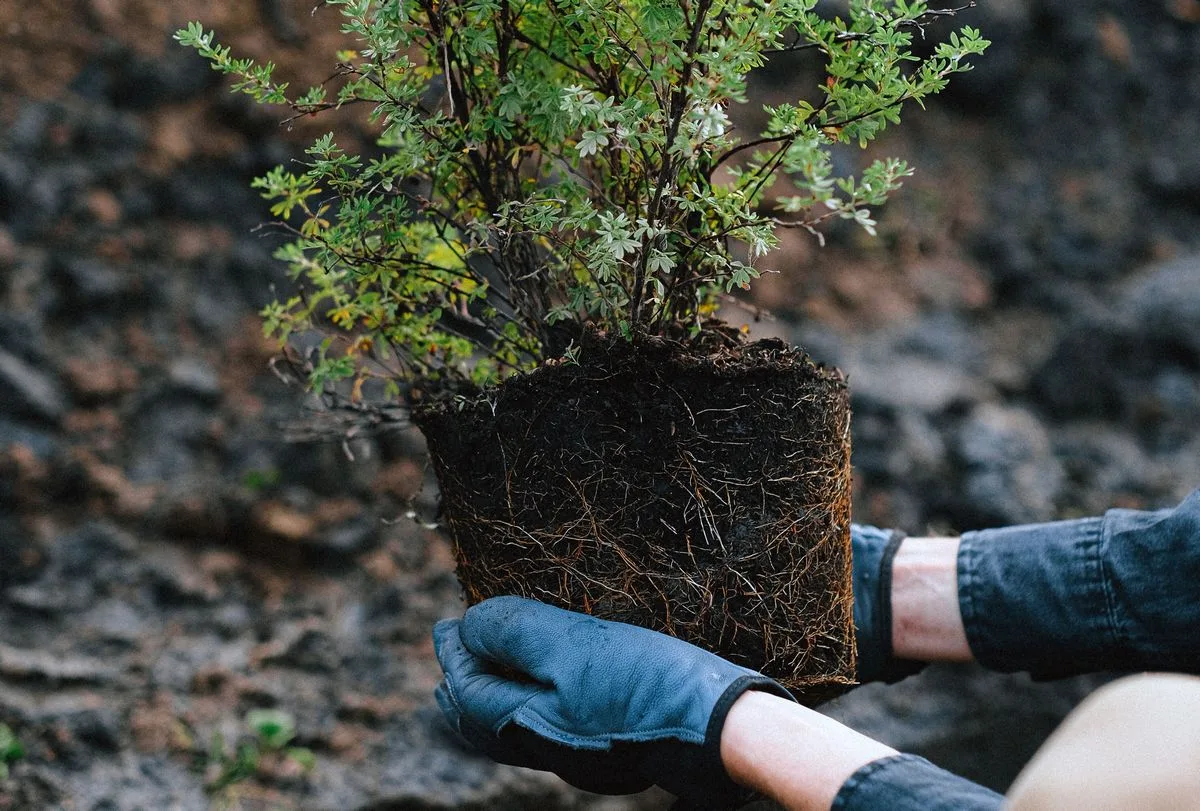
November is the month when the garden visibly slows down, but that does not mean there is nothing left to do.
This is exactly when we begin to see what was planned well, what is missing and which areas of the garden look empty once the summer flowers and foliage disappear.
When the weather allows, November is an excellent month for planting fruit trees, deciduous shrubs, hedges and some hardy perennials.
In May everything is green and it is easy for the garden to look beautiful. In November the garden is much more honest.
November Is One of the Main Months for Planting Fruit Trees
For bare-root fruit trees, November is often an excellent time for planting. The plants are already dormant, while in many regions the soil is still workable.
Apples, pears, plums, sweet cherries, sour cherries, quinces, medlars, walnuts and hazelnuts can all be planted. With more sensitive species, or in areas with heavy, cold soils, it may sometimes be better to wait until early spring.
Before Choosing the Variety, Look at the Site and RootstockA label with a beautiful photo is not a good enough reason to buy that particular tree.
First we need to know how large it will become, what rootstock it is grafted onto, whether it needs a pollinator, what kind of soil it prefers and whether the chosen location receives enough sunlight.
If we already have an apple, pear, cherry and plum, the next plant does not necessarily have to be another large tree.
Quince, medlar, aronia, hazelnut, Cornelian cherry, blackcurrants or gooseberries can add different fruit, a different height and more seasonal interest.
| Plant | What It Adds to the Garden |
|---|---|
| Quince | Fragrant fruit and a strong autumn presence. |
| Medlar | An unusual old fruit tree with very late fruit. |
| Aronia | Fruit, autumn color and the option of using it in a mixed hedge. |
| Hazelnut | A productive shrub or a more informal boundary in a larger garden. |
| Cornelian cherry | Very early flowers and edible fruit. |
| Blackcurrant | Fruit without needing the space required for a large tree. |
The roots should not be left exposed to the air for long. The planting hole should be wide enough for the roots to spread comfortably, but there is no need to turn it into a pit filled with concentrated fertilizer.
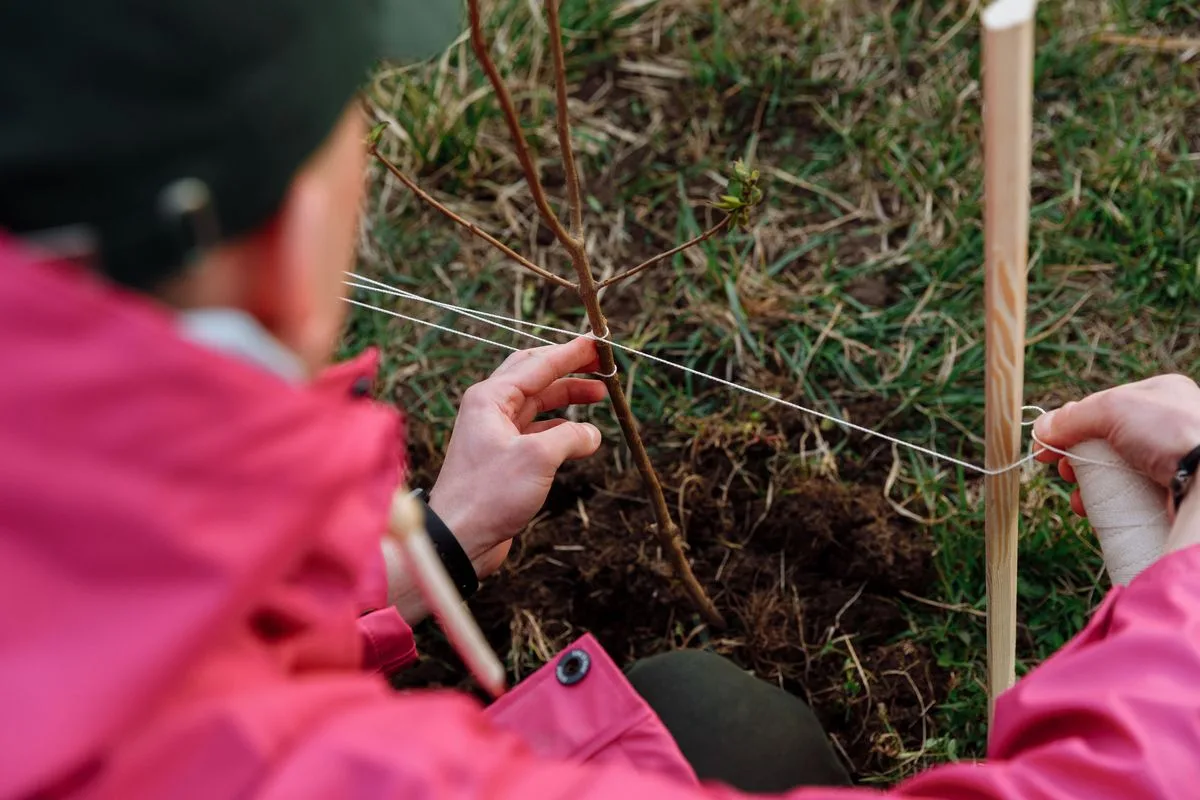
After planting, firm the soil gently, water thoroughly and add a stake if necessary. The graft union should remain above soil level, and mulch should not touch the trunk directly.
If the site is windy or the sapling is tall, staking makes sense until the root system begins to hold the plant securely. The tie should not cut into the bark or constrict the trunk.
Older Fruit Trees Need Observation, Not Panic Pruning
After leaf fall, the structure of the trees becomes much easier to see. That does not automatically mean it is time to begin major winter pruning.
- remove broken branches;
- remove mummified fruit;
- collect heavily diseased leaves;
- inspect the bark;
- check stakes and ties;
- protect young trunks if rabbits or rodents are a risk.
For some fruit trees, a specific autumn treatment may also be appropriate after leaf fall. But we do not use the same product throughout the entire garden simply because it is November.
In plant protection, November is not automatically “spraying month.” Treat a specific problem, at the correct stage and according to the instructions for the particular product.
After Leaf Fall, We Can See What the Ornamental Garden Is Missing
November is one of the best months to look at the garden without being distracted by flowers.
If the garden suddenly looks completely empty, perhaps the problem is not the lack of more flowers, but the lack of structure.
| What Is Missing | What We Can Consider |
|---|---|
| Winter greenery | Yew, juniper, holly, mahonia, cherry laurel or a suitable euonymus. |
| Early spring color | Witch hazel, forsythia, flowering quince, Cornelian cherry, early spireas. |
| Fragrance | Sarcococca, some viburnums, lilac or mock orange for later in the season. |
| Autumn color | Barberry, aronia, serviceberry, ornamental maple, viburnum. |
| Winter structure | A small tree, a group of shrubs, interesting bark or winter berries. |
If we are planting something for fragrance, it makes sense to place it near an entrance, path or terrace. Fragrance in the farthest corner of the garden is mainly a wonderful idea for the neighbors.
Bark and Berries Can Be Decorative TooBirches with white bark, dogwoods with brightly colored young stems, some maples and ornamental cherries can provide interest during months when almost nothing is flowering.
The same is true of plants with berries for birds: pyracantha, cotoneaster, hawthorn, viburnum, rose hips, holly and aronia make the winter garden both more lively and more useful.
The entire winter structure of the garden does not need to be one green wall of arborvitae.
Hedges, Roses and Bulbs Can Still Be Planted
For many bare-root deciduous hedges, November can be an excellent time for planting. Hornbeam, beech, privet, hawthorn or a mixed informal hedge are all options depending on the site and the style of the garden.
With evergreen species, however, we now need to pay more attention to the forecast and the amount of time available for root establishment before severe cold arrives.
Roses Gradually Enter DormancyRemove diseased leaves and infected plant debris. Very long shoots can be secured so winter winds do not whip them around.
Major pruning is not necessary now. In colder regions, preparation around the base of the plants for winter may also begin, but do not rush to add protection over warm, wet soil.
For the complete autumn routine: How to Prepare Roses for Winter
If the soil is not frozen, tulips, daffodils, crocuses, muscari, ornamental alliums and hyacinths can still be planted in November.
Tulips cope well with relatively late planting. Good drainage is more important.
For tulips: Tulips - A Practical Growing Guide
Prepare Plants for Cold Without Smothering Them
During a dry autumn, evergreen plants should enter winter well hydrated. If the soil freezes while completely dry, winter desiccation can become a serious problem.
Do Not Aim for Sterility in Lawns and Flower Beds
Mowing is now much less frequent. If the grass continues to grow, one final mowing may be appropriate, but do not cut it too short.
Leaves should be removed from the lawn when they form a thick, wet layer. A few leaves are not a problem. A wet blanket that leaves the grass without light and air is.
We do not cut back every perennial either. Diseased, rotten or badly collapsed growth should be removed, but healthy dry flower heads can remain.
A tidy garden does not have to be a sterile garden.
The Vegetable Garden Is Not Finished Yet
Depending on the region and the weather, winter garlic, green onions, spinach and some winter lettuces can still be planted in November.
Cold-hardy leafy vegetables can tolerate the first light frosts, while a low tunnel or cold frame can extend the growing season considerably.
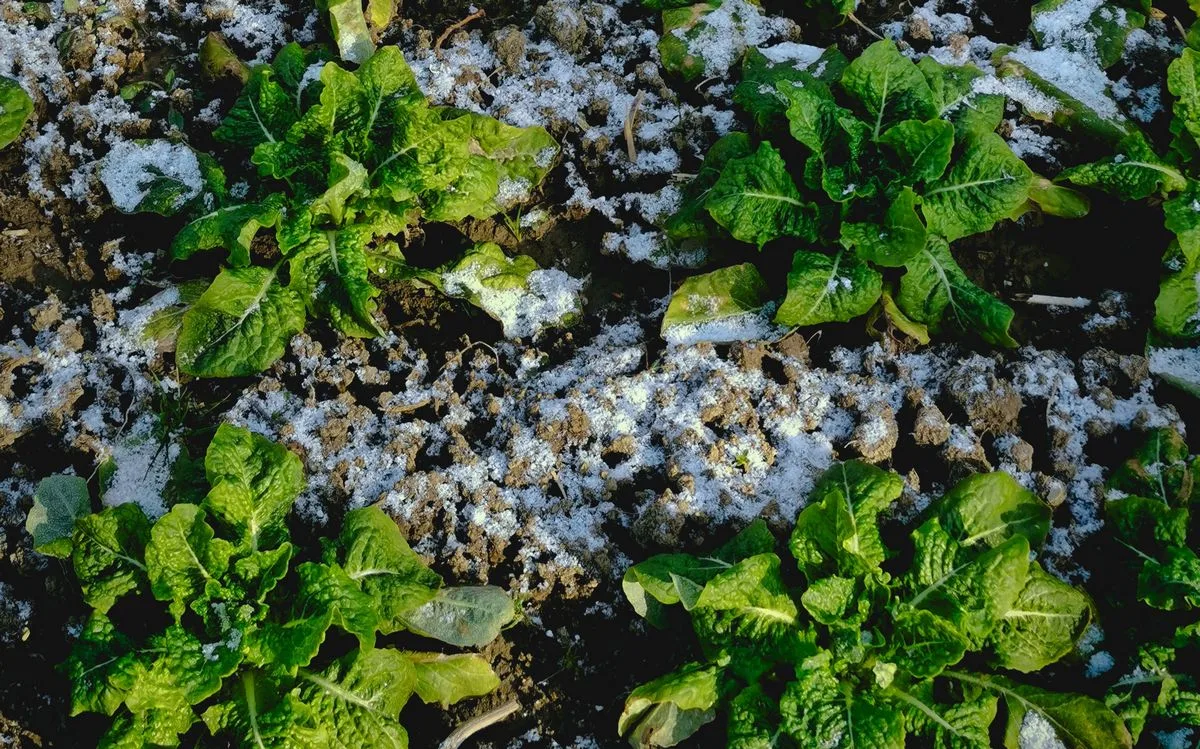
Empty beds can be mulched, covered with compost or otherwise protected instead of being left as bare, eroding soil through winter.
If we use covers, we also need to watch for excessive humidity. Protection from cold should not turn into a permanently wet, enclosed environment.
What Not to Do in November
November Is a Good Month for a New Plan
It is now easy to see whether the garden is missing an evergreen accent, spring color, fragrance, a fruiting shrub or simply some structure in an empty corner.
There is no need to buy everything immediately. One of the most useful November tasks is simply to see what is genuinely missing.
And not to buy a plant simply because it is discounted at the garden center. First, there needs to be a place for it.
November is not the end of the gardening year. It is the month when we can see very clearly what the next one should become.