
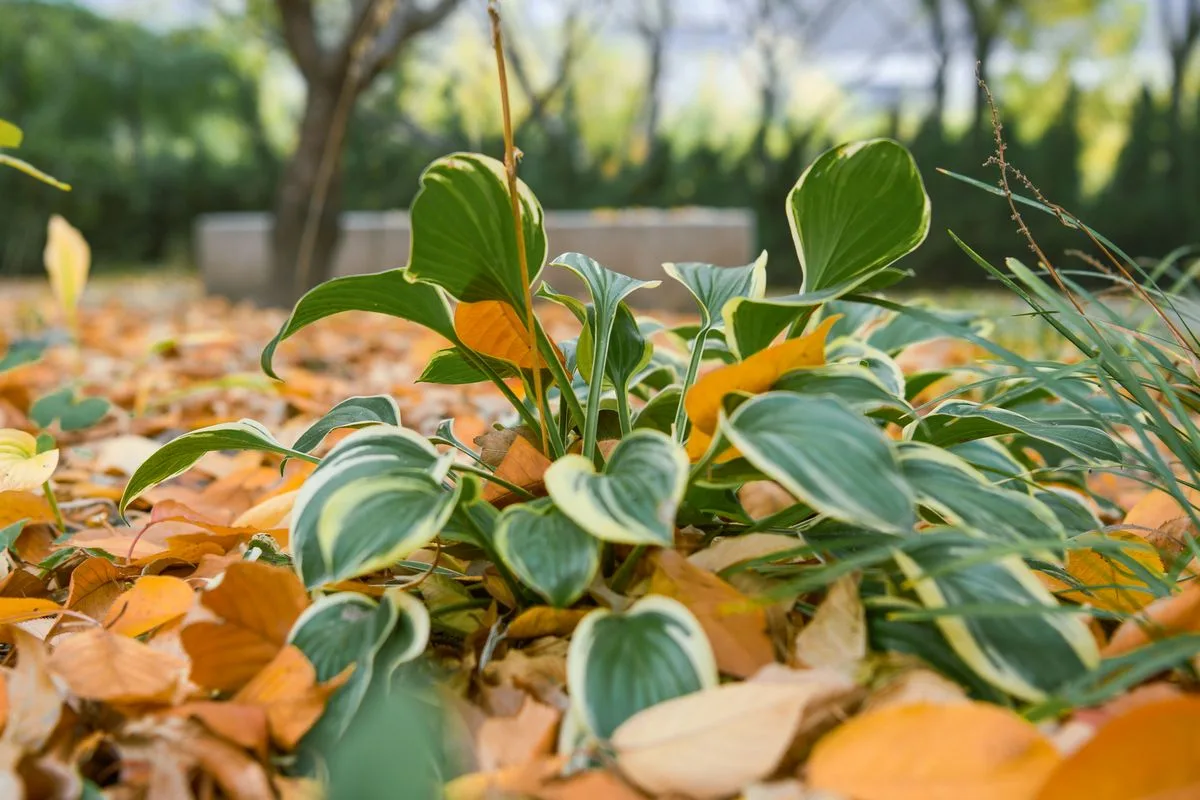
October is now truly autumn, but the garden has by no means finished its season.
This is one of the strongest months for planting, moving plants, spring bulbs, sanitary cleanup and preparation for winter. At the same time, there are quite a few things we should not rush.
If in September we were still deciding when to begin, in October many decisions can now be made with confidence.
October is a month for putting the garden in order, not for shutting it down.
Fruit Trees Are Entering the Planting Season
For fruit trees, October is much more suitable for autumn planting than September, especially in the second half of the month and once leaf fall has begun.
Bare-root trees are planted once the plant has entered dormancy and the soil is still not frozen. The exact timing depends on the region and the weather, but it often falls in late October and November.
Container-grown trees offer more flexibility. They can be planted earlier, as long as the weather is not very hot and they receive enough water after planting.
Once the harvest is finished, we gradually move on to sanitary cleanup.
- remove mummified and rotten fruit;
- clear away heavily diseased plant debris;
- remove broken and dangerous branches;
- inspect the bark and any visibly damaged areas.
Heavy pruning, however, is not the main October task. We do not prune a tree simply because its leaves are beginning to fall. Major winter pruning for many fruit trees comes later and should be adapted to the particular species and tree.
Remove what is broken, dry or clearly problematic. Major shaping can wait.
October is also the time when many gardeners begin thinking about whitewashing tree trunks.
The goal is not simply to make the tree white. Whitewashing is mainly used to reduce temperature fluctuations and the risk of winter sun damage to the bark. It can be particularly useful for young trees and in places with strong winter sunlight.
Before doing this, inspect the bark carefully. Do not scrape it aggressively or damage healthy tissue in an attempt to “clean” it.
Copper Treatments Are Not Used Just Because the Calendar Says SoOne of the most common autumn mistakes is automatically spraying with copper simply because it is October.
The right timing depends on the type of tree, diseases during the season, the stage of leaf fall and the specific product.
For some autumn treatments, the right moment comes after substantial or complete leaf fall, not while the tree is still actively holding green foliage.
October Is Excellent for Ornamental Trees and Shrubs
For many ornamental plants, October is one of the best months for planting.
The soil still holds the warmth accumulated during summer, while evaporation is much lower. This gives the roots time to begin establishing before winter.
| Plant or Situation | How to Approach It in October |
|---|---|
| Deciduous shrubs | Many species can be planted successfully in October. |
| Container-grown trees | A good time if the soil is workable and we can water after planting. |
| Evergreen shrubs | They can be planted, but not immediately before severe cold. |
| Perennials | Early in the month, many hardy species can still be divided and transplanted. |
| Waterlogged soil | Do not plant until conditions improve. |
| Cold-sensitive plants | If in doubt, it is usually better to wait until spring. |
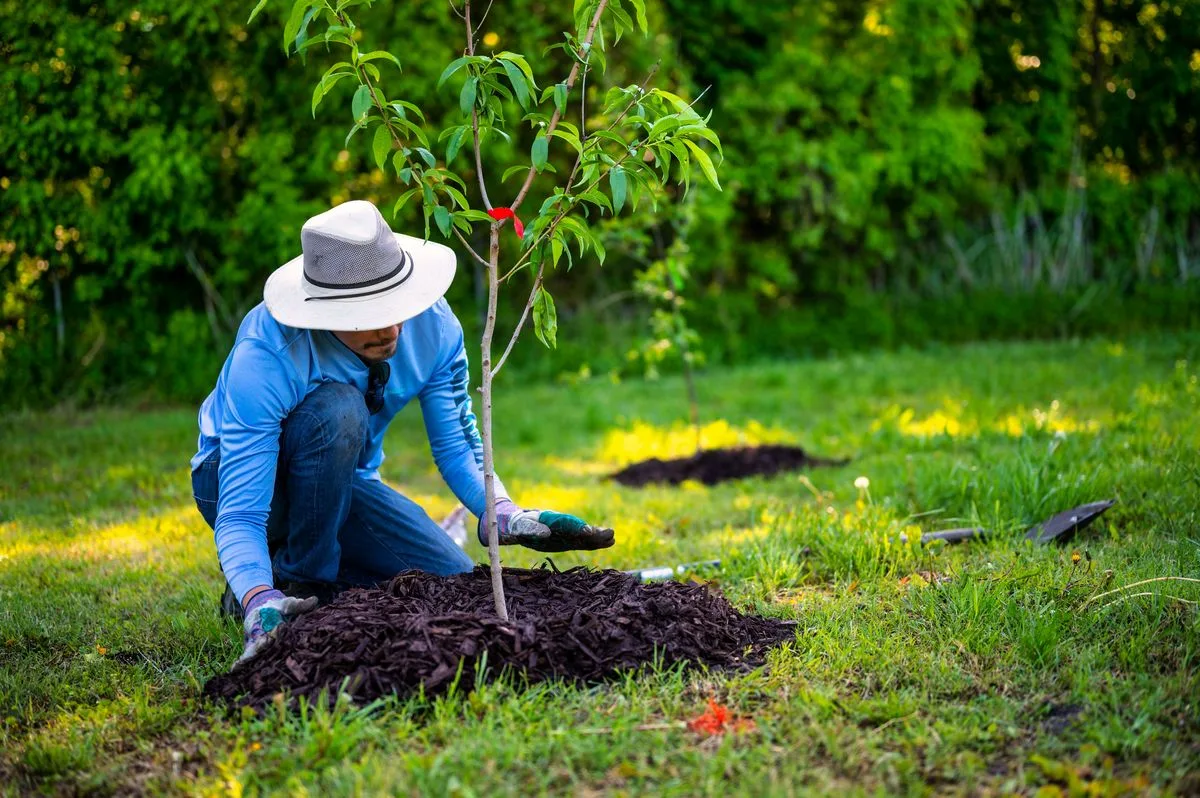
October is a better time than September for moving many deciduous shrubs, especially once they begin to lose their leaves.
With a young plant, the job is usually easier. With a large, established shrub, we should preserve as large a root ball as possible and water thoroughly after moving it.
Spring-Flowering Shrubs Still Require Care With the Pruning ShearsLilacs, forsythias, some spireas and some hydrangeas may already have formed buds for the following season.
Heavy autumn pruning can literally remove next year’s flowers. So first identify the specific species, then decide whether pruning is needed at all.
Fallen leaves are not an automatic invitation to start cutting every branch in sight.
Evergreens Should Enter Winter Well Hydrated
October is an important month for evergreens because they will continue losing water long after deciduous plants have entered dormancy.
Inspect them for dry sections, broken branches, diseases, pests and signs of dehydration. During a dry autumn, watering remains important.
- do not allow plants to enter winter dehydrated;
- avoid aggressive late pruning;
- check newly planted plants;
- make sure young hedges are stable.
Roses Do Not Need a Major Autumn Haircut
In October, roses gradually finish their active season. Remove diseased leaves, broken shoots and infected plant debris around the plants.
Do not carry out heavy autumn pruning. If there are very long shoots that are constantly being moved by the wind, they can be shortened slightly or secured.
Nitrogen feeding is no longer necessary. At this stage, we want the plant to move toward dormancy, not produce another flush of soft new growth.
For winter preparation: How to Prepare Roses for Winter
For proper pruning: Pruning and Propagating Roses
Spring Bulbs Are Now Firmly on the Schedule
October is a classic month for planting many spring-flowering bulbs.
- tulips;
- daffodils;
- crocuses;
- muscari;
- ornamental alliums;
- hyacinths.
For tulips, cooler soil can actually be an advantage. The more important issue is drainage.
A bulb tolerates winter cold much better than constantly wet, waterlogged soil.
For spring bulbs, heavy wet soil is often a bigger problem than the cold itself.
In the Flower Garden, We Clean Up Selectively
In early October, some hardy perennials can still be divided and transplanted. The further the month progresses, the more we need to consider whether the plant will have enough time to establish roots.
Remove diseased stems, rotten parts and badly damaged plants, but there is no reason to cut every bed down to the ground.
Mulch, but Do Not Build a Volcano Around the TrunkNot every fallen leaf is waste.
October is a good time to mulch around newly planted trees, shrubs and perennials.
Leave some open space around the bark itself. Piling a thick layer of mulch directly against the trunk traps excess moisture and can create more problems than benefits.
A “mulch volcano” around the trunk is not extra care. It is more like an invitation to trouble.
The Lawn and Garden Prepare for Winter
Grass can still be actively growing, especially during a mild autumn. Mow as needed, but gradually raise the mowing height.
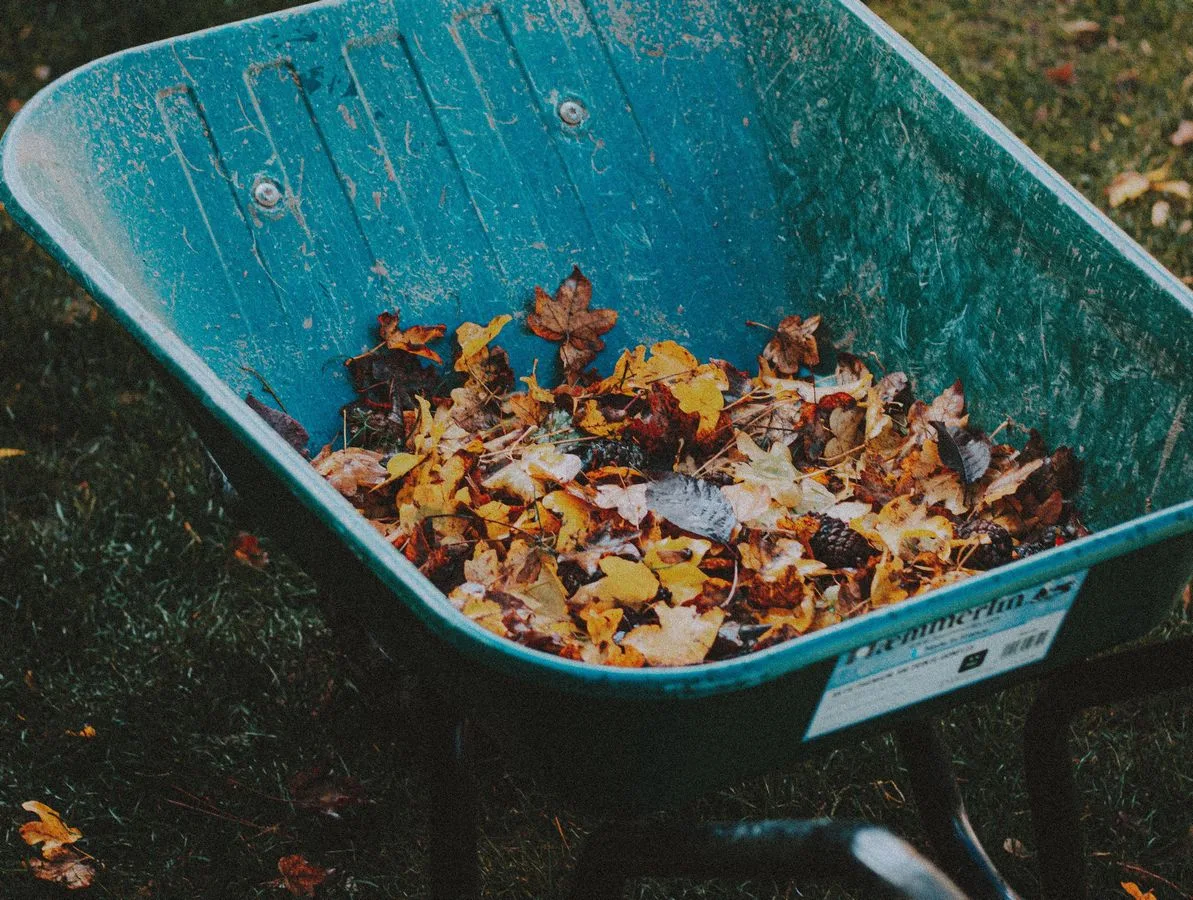
Thick layers of leaves should be removed from the lawn. Early in the month, in some regions, there may still be time to overseed if the soil is warm enough.
This is also a good time to check stakes on young trees, ties, protection against rodents, containers, the irrigation system and garden hoses.
Sensitive plants do not need to be wrapped at the first cool day. Covering too early for winter can trap moisture and create a completely new set of problems.
Autumn Planting Begins in the Vegetable Garden
Depending on the region and weather, some cold-hardy crops can be planted or sown in October.
- winter garlic;
- green onions;
- spinach;
- winter lettuce;
- some cold-hardy leafy greens.
A low tunnel or cold frame can extend the growing season.
Empty beds do not need to remain bare through winter. Compost, mulch or a suitable cover crop can protect the soil and add organic matter.
What Not to Do in October
October Puts the Garden in Order Before Winter
October is one of the best months for planting trees, shrubs and spring bulbs.
At the same time, we remove diseased plant debris, monitor moisture, mulch and prepare young and sensitive plants for the coming cold.
But we do not prune everything, we do not spray automatically, and we do not turn the garden into an empty field simply because the leaves are beginning to fall.
October is a month for putting things in order, not for shutting the garden down.