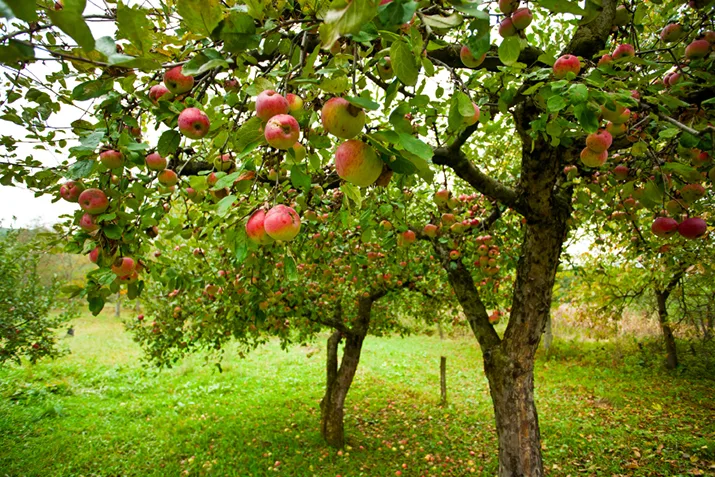
Apple trees are among the most familiar fruit trees in home gardens, and that familiarity often makes them seem almost effortless to grow. We plant one expecting that a few years later we will simply start picking apples.
In reality, a reliable crop depends on several decisions made before the tree ever goes into the ground - variety, rootstock, a suitable pollination partner, location and enough room for the mature canopy. Get those decisions right and an apple tree can become one of the most dependable trees in a home orchard.
One of the great advantages of apples is the enormous choice of varieties. There are early summer apples, fall varieties, late-season apples for storage, sweet and tart fruit, strongly aromatic varieties and cultivars with better resistance to certain diseases.
But that diversity also means that “an apple tree” is not a very useful description. Two trees of different varieties and on different rootstocks can have completely different mature sizes, cropping habits and care requirements.
Variety and Rootstock Matter More Than They First Appear
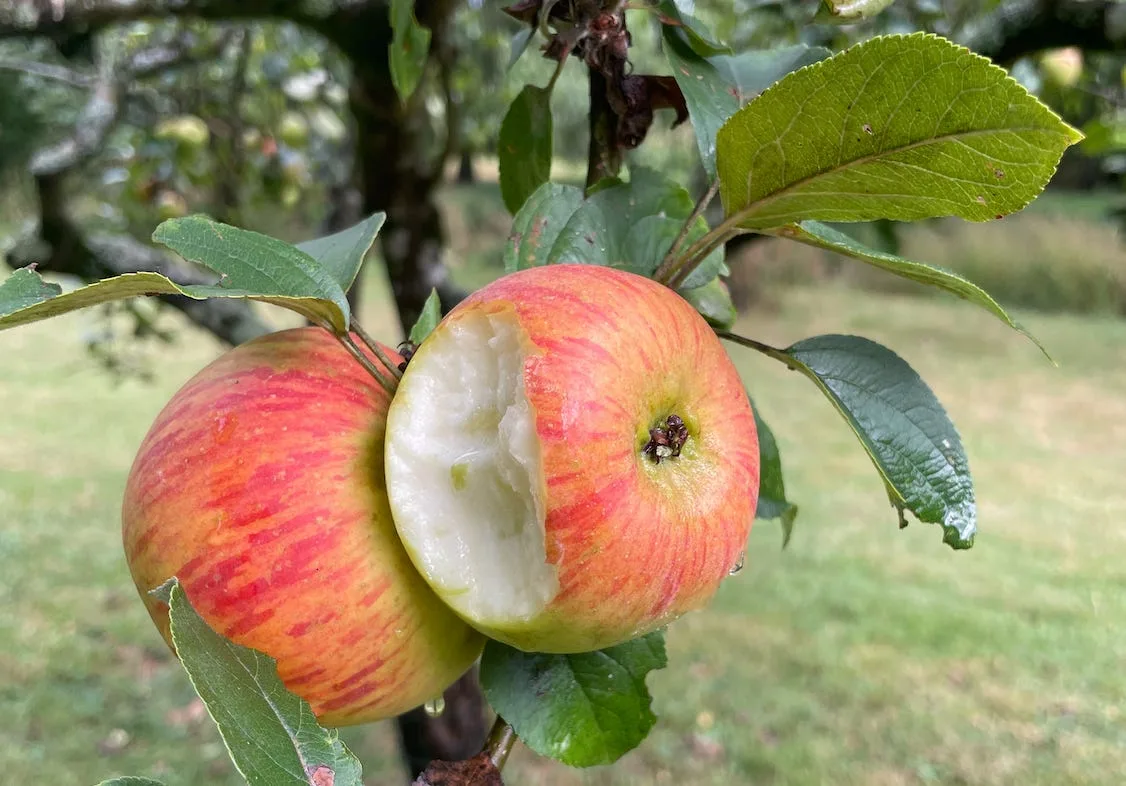
When choosing an apple tree, most of us naturally look at the variety first. It determines flavor, color, ripening season, storage potential and, to some extent, susceptibility to certain diseases.
But the rootstock is just as important. It influences the final size of the tree, how vigorously it grows, how early it begins to fruit and how much space it will eventually need.
Dwarfing and less vigorous rootstocks can produce compact trees that are much easier to prune and harvest. The trade-off is that they often have smaller root systems and may need more consistent irrigation, better soil conditions and permanent support.
More vigorous rootstocks produce larger trees with stronger root systems, but they require more space and often take longer to begin producing substantial crops.
That answer may tell you more about the future size of the tree than the photograph on the plant label.
| Variety | Ripening season | What to keep in mind |
|---|---|---|
| Golden Delicious | Fall | A widely grown sweet apple. Good pollination is important, and the variety can be susceptible to apple scab. |
| Granny Smith | Late fall | Tart fruit with good storage potential. It needs a sufficiently long growing season to ripen well. |
| Florina | Fall | Known for good resistance to apple scab and an interesting choice for home gardens. |
| Idared | Late fall | Good storage and productivity, but regular canopy management and disease monitoring are still important. |
This table is only a starting point. When buying a tree, check the rootstock, pollination requirements and whether the particular variety is well suited to your local climate.
Site, Soil and Planting
Apple trees are more adaptable than apricots or peaches, but that does not mean they will perform equally well in every corner of the garden.
Good fruit quality requires plenty of sunlight. An apple tree may survive in partial shade, but the canopy tends to stay more humid, fruit coloration can be poorer and overall production is rarely as good.
Choose a site with good air circulation and soil that does not remain permanently wet. Low areas can be more problematic both because cold air settles there and because drainage is often poorer.
- aim for at least 6-8 hours of direct sunlight;
- allow good air movement around the future canopy;
- avoid soil that remains waterlogged for long periods;
- leave enough space from buildings and mature trees;
- make sure the tree remains accessible for watering, pruning and harvesting.
When planting, avoid placing fresh manure or concentrated fertilizer directly against the roots. Spread the roots naturally, keep the graft union above the final soil level and water thoroughly after planting.
You can find the planting process in more detail in our guide to when and how to plant fruit trees.
Pollination Is Why a Flowering Apple Tree May Still Produce Very Little Fruit
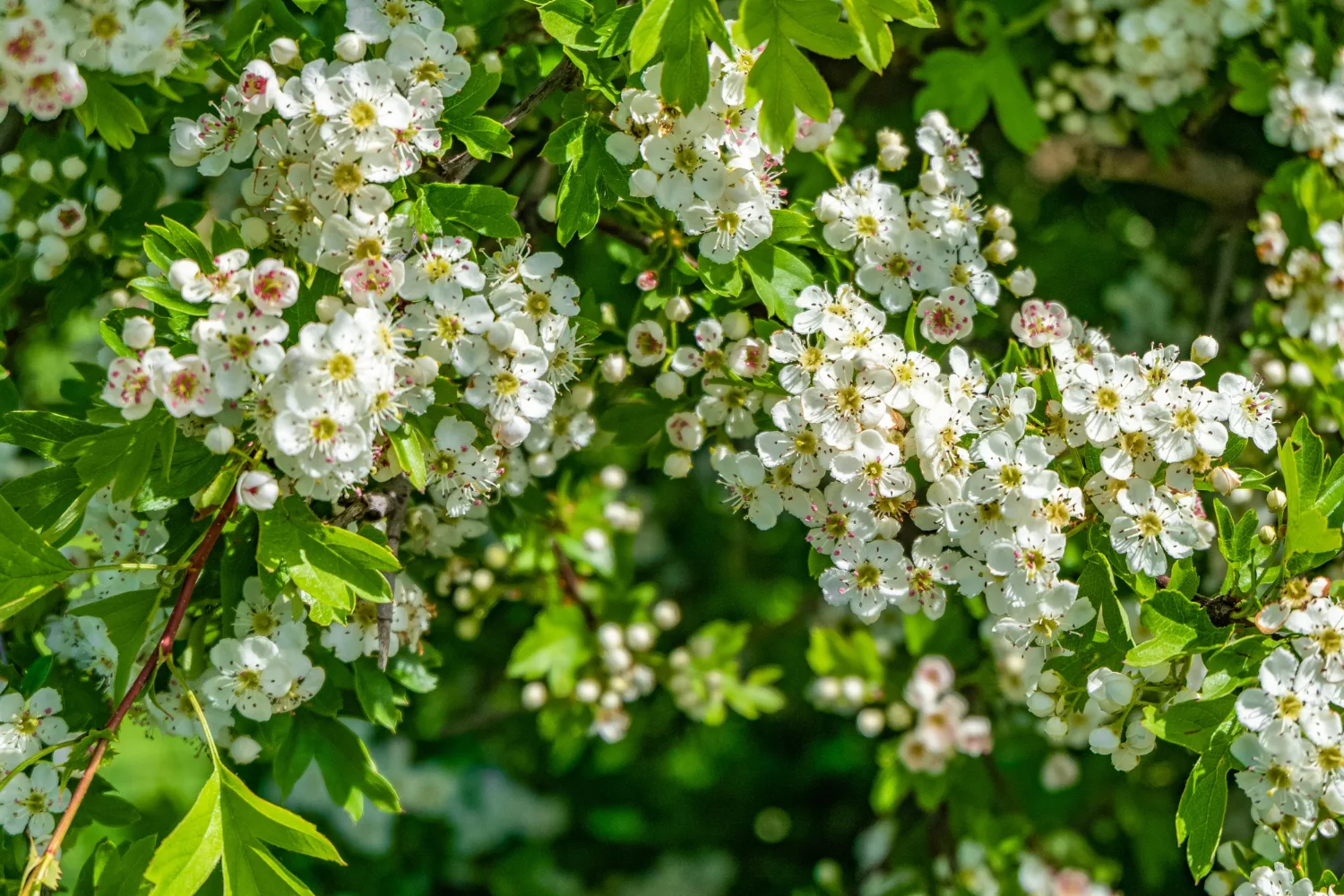
With apples, abundant flowers do not automatically mean an abundant harvest. Most varieties perform best with cross-pollination from another compatible apple variety flowering at roughly the same time.
That does not necessarily mean the second tree must stand directly beside the first. A suitable apple tree in a neighboring garden may provide pollen if the variety is compatible and the distance is reasonable.
When planning a new orchard, though, it is much better to plan pollination than to leave it to chance.
Watering, Fruiting and Why Apples Sometimes Stay Small
Young apple trees have relatively limited root systems and are more vulnerable to prolonged dry periods during their first few years.
It is usually better to water deeply and less frequently rather than wet only the surface every day. Mulch can help conserve soil moisture, but it should not be piled directly against the trunk.
On a fruiting tree, lack of water can lead to smaller apples and premature fruit drop. Too much water can also cause problems, particularly in heavy soil.
There is another common reason apples stay small: the tree may simply be carrying too much fruit.
After very heavy flowering, an apple tree can set more fruit than it can realistically support. Some will drop naturally, but additional thinning can sometimes be useful.
Excessive cropping can produce many small fruits, place too much weight on branches and drain the tree's reserves. In some varieties it can also contribute to alternating heavy and light crops from one year to the next.
For gardens with several fruit trees or different watering zones, automating the routine can make irrigation easier to manage. The important part is that a timer or controller should support observation, not replace it. Soil type, rainfall and temperature still determine whether a tree actually needs water.
This post contains affiliate links. As an Amazon Associate, I earn from qualifying purchases at no extra cost to you.
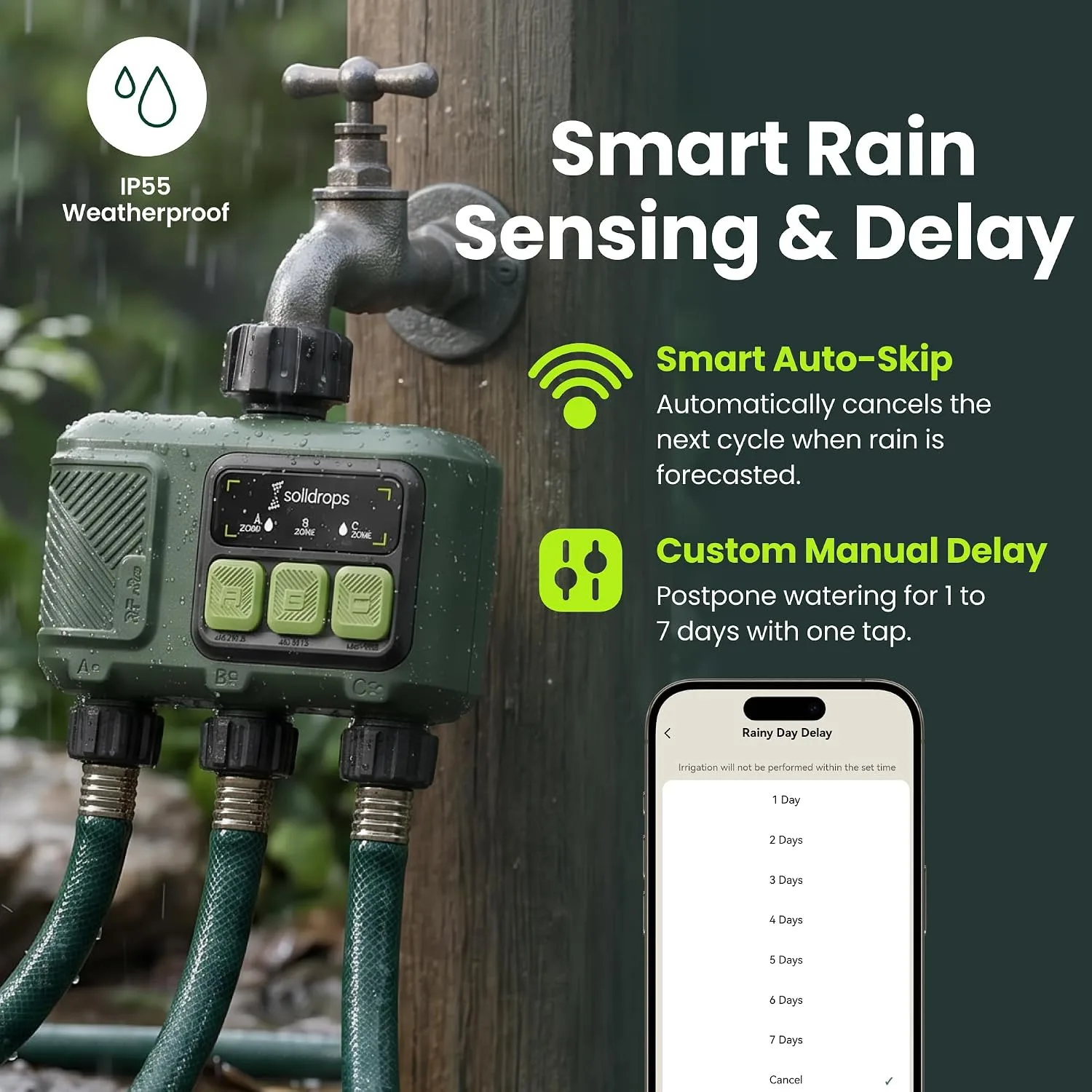
If the orchard, vegetable beds and other parts of the garden do not all need water at the same time, a multi-zone controller can make the routine easier to organize.
This Soildrops controller includes weather-aware rain delay features, which can help avoid an automatic watering cycle when rain is expected. I would still check the soil and actual weather conditions rather than treating automation as a substitute for observation.
Pruning and the Balance Between Growth and Fruit
Apple trees respond strongly to pruning. Leave a tree unpruned for too long and the canopy gradually becomes dense. Prune too severely and the tree can respond with large numbers of vigorous upright shoots.
The goal is therefore not to “reduce” the tree every year, but to maintain a canopy with enough light, good air movement and plenty of productive fruiting wood.
Start with dead, broken and diseased branches. Then look for branches that cross, grow inward or create excessive congestion.
- do not automatically remove every vigorous shoot;
- avoid severe one-time pruning;
- work with sharp, clean tools;
- preserve useful fruiting wood;
- observe how the tree responds during the following season.
If you are new to pruning, use our more detailed guide to fruit tree pruning for beginners.
Once an apple tree is established, some branches will eventually become too thick for ordinary hand pruners. That is where a long-handled bypass lopper becomes more useful, particularly when you want a controlled cut without immediately moving to a pruning saw.
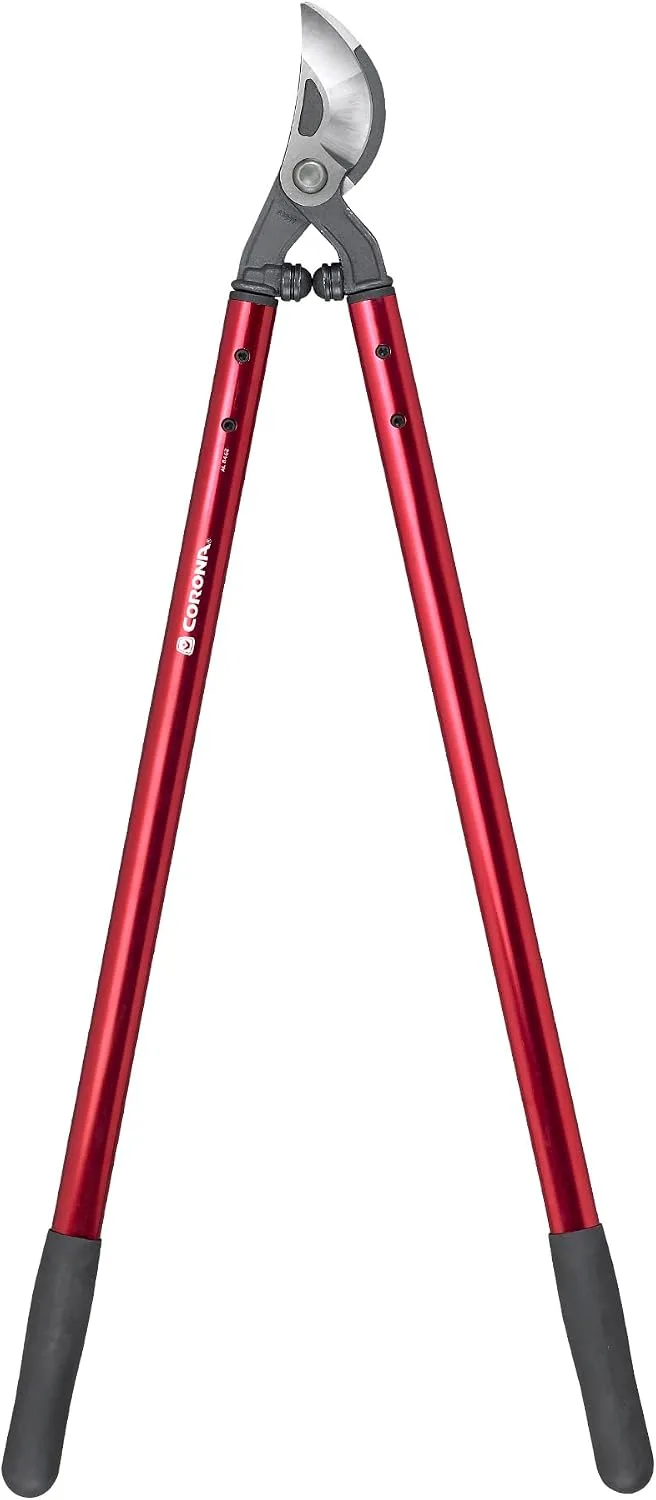
For branches that have moved beyond the comfortable range of hand pruners, long handles provide much better leverage and control.
This Corona orchard lopper fits that middle ground between ordinary bypass pruners and a pruning saw. I would still match the tool to the branch and switch to a proper saw when the wood is clearly too thick for a clean lopper cut.
Apple Diseases and Problems Worth Recognizing
An apple tree can remain productive for many years, but several common diseases can cause recurring problems. Risk tends to be higher in dense canopies, during prolonged wet weather and with susceptible varieties.
| Problem | What it may look like | What to watch for |
|---|---|---|
| Apple scab | Olive-green to dark spots on leaves and fruit; fruit may become cracked or distorted. | Wet spring weather, infected leaves and susceptible varieties. |
| Powdery mildew | Whitish coating on leaves, young shoots and buds. | Affected growing tips and repeated symptoms during the season. |
| Brown rot and fruit rot | Brown rotting areas that gradually spread across the apple. | Damaged fruit, humid conditions and mummified fruit remaining on the tree. |
| Fire blight | Young shoots and blossoms may suddenly look scorched, and shoot tips can bend over. | Rapid dieback of flowers and young shoots requires attention. |
Not every spot needs an immediate spray. The first step is identifying the problem. Apple scab, powdery mildew, nutrient problems and physical damage look very different once you know what to look for, but they are easily lumped together as “disease” when you are new to fruit trees.
Removing diseased and mummified fruit, cutting out clearly affected material when appropriate and keeping the canopy open are all part of sensible prevention.
For seasonal treatments, see our fruit tree spraying calendar.
Why Apple Trees Sometimes Crop Heavily One Year and Lightly the Next
Some apple trees develop a pattern of alternating heavy and light crops. One year the branches are loaded with fruit; the following season the tree produces far fewer flower buds.
This is known as biennial or alternate bearing. It is influenced by variety, crop load, pruning, nutrition and growing conditions.
Thinning an excessive fruit set can help not only with apple size but also with maintaining a better balance for the following season.
A branch carrying too many apples can bend or break. A smaller number of well-spaced fruits is often a better result than dozens of undersized apples crowded onto one weak branch.
Apple Trees Are Easier When the Planning Is Right
That is probably the simplest way to describe growing apples at home. The tree itself is adaptable, but good results come from the right combination of variety, rootstock, location and pollination.
After that, care is mainly about consistency - water when it is needed, prune moderately and regularly, watch for diseases and thin an excessive crop when necessary.
If you are just starting a home orchard, there is no need to buy five apple varieties at once. Two well-chosen compatible trees with enough light and space are usually a much better start than five trees crowded together.