
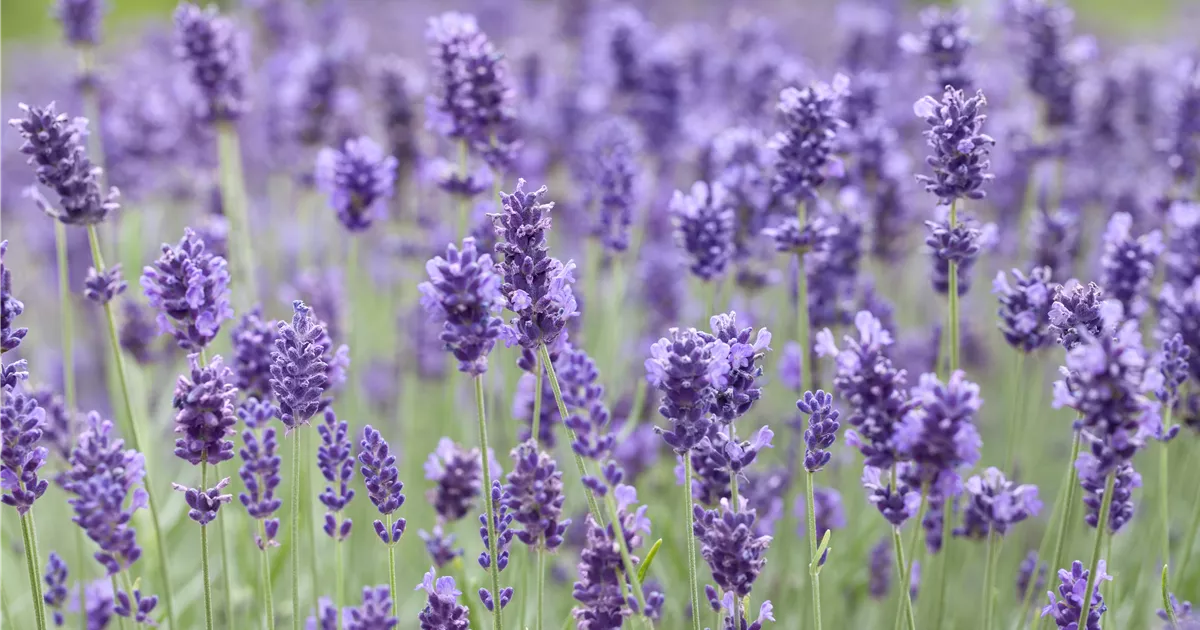
Lavender is one of the most popular plants for sunny, dry and aromatic gardens. It looks delicate, but in reality it prefers tough conditions — plenty of sun, poor soil, good drainage and moderate care.
Among plants for sun, heat and easier maintenance, lavender stands alongside perovskia, santolina, yucca, buddleia and ornamental grasses. But it has its own image — fragrance, silvery foliage, purple flowering and that Mediterranean feeling many people want to bring into their garden.
The problem is that lavender is often planted in the wrong place. It is watered too much, placed in heavy soil, fertilized like a tomato plant — and then we all wonder why it turns brown, falls apart or rots. With lavender, the secret is not more care, but the right care.
What Is Lavender?
Lavender is a perennial subshrub with narrow grey-green leaves and aromatic flowers. The most commonly used lavender in gardens is Lavandula angustifolia, known as English lavender, as well as different hybrids and cultivars.
It is valued for its fragrance, flowers, silvery foliage and ability to attract bees, butterflies and other pollinators. It is suitable for borders, sunny beds, dry compositions, along paths, in herb gardens and in Mediterranean-style planting.
Lavender is a plant that does not want to be spoiled. It wants sun, air, dry feet and a little discipline with the scissors.
Why Lavender Is Valuable in the Garden
Lavender has several qualities that make it very useful. First — it looks good even when it is not flowering, because its leaves have a silvery tone and fine texture. Second — its flowering is clear, fragrant and instantly recognizable. Third — it is fairly drought tolerant once established.
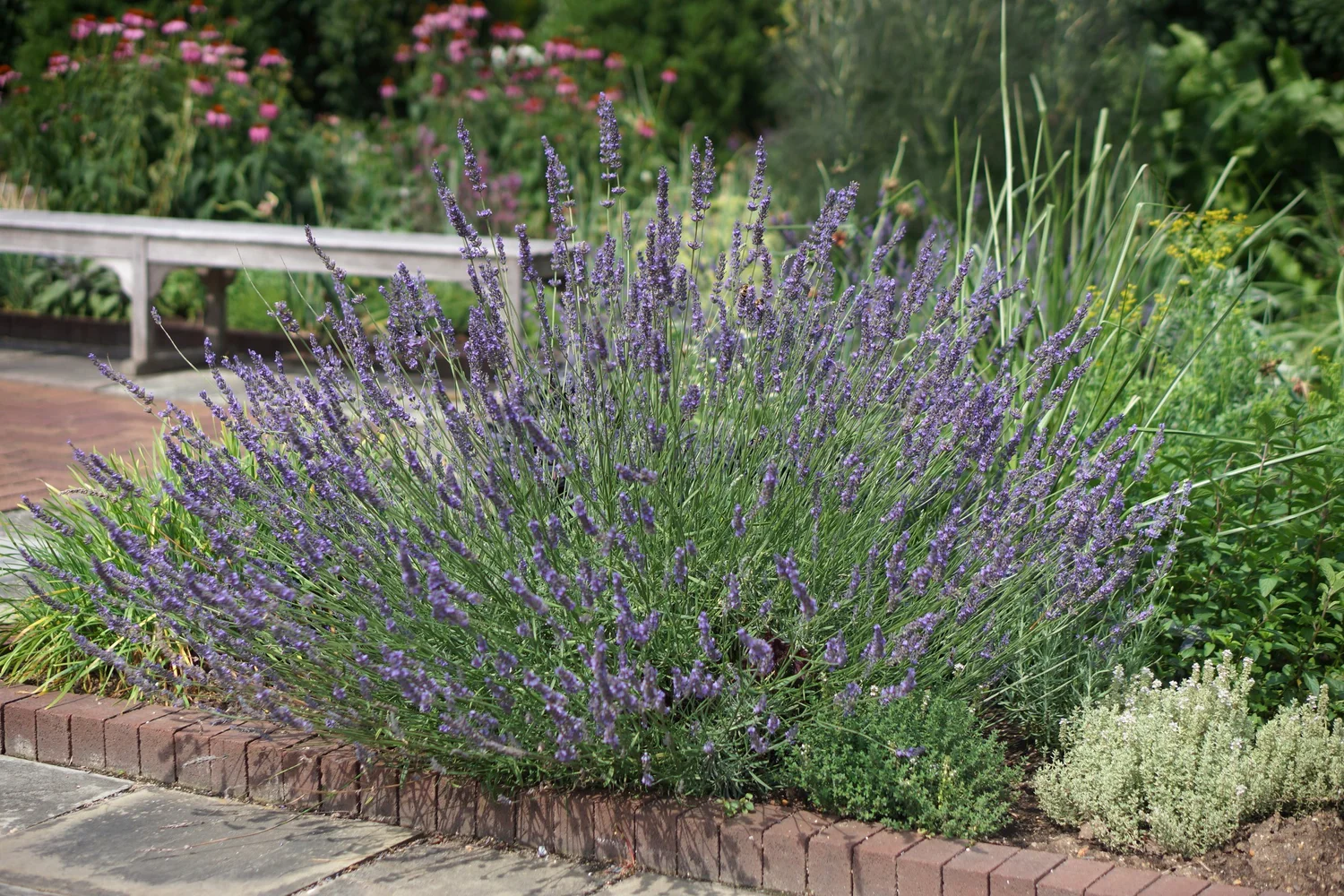
In design, lavender works very well as repetition. One lavender plant is simply a plant. A row of lavender along a path already creates a mood. A group of several plants next to stone, gravel or a terrace brings Mediterranean lightness.
It is also suitable for pollinator-friendly gardens. Its flowers are actively visited by bees and butterflies, which makes it a good part of organic and nature-friendly gardens.
Where to Plant Lavender
Lavender needs full sun. This is the most important condition. If we plant it in partial shade or in a place where the sun appears only briefly, the plant becomes looser, flowers less and is more prone to problems.
The best places are southern and western exposures, dry beds, raised areas, places along paths, stone walls, gravel compositions, around terraces and in herb gardens. Lavender also looks very good as a low border.
It is not suitable for heavy, wet, shady soil. If the site holds water in winter, the risk of rot is high. It is better to plant lavender in a raised bed or in a lighter, well-drained area.
Practical tip: if there is a place in your garden where the grass burns out and the soil is drier and poorer, this may be a better place for lavender than the “nice” moist bed next to the irrigation system.
What Soil Does Lavender Like?
Lavender prefers light, well-drained soil that is rather poor to moderately fertile. It does not like heavy clay, standing water or constantly wet roots.
If the soil is very rich and moist, the plant may produce overly soft growth, which falls apart more easily and suffers in winter. With lavender, we are not aiming for a lush green shrub, but for a tight, aromatic and resilient form.
In heavy soil, fine gravel, sand, a moderate amount of compost and materials that improve drainage can be added. A raised bed is also a very good option. The important thing is that water drains away, especially in winter.
Popular Types and Cultivars of Lavender
Lavandula angustifolia is the best-known and most widely used garden lavender. It is relatively hardy, compact and suitable for borders, beds and herb gardens.
'Hidcote' is a popular cultivar with more compact growth and deep purple flowers. It is suitable for low borders and more orderly compositions.
'Munstead' is another classic cultivar, often used in gardens and herb beds. It has a pleasant fragrance and good resilience.
Lavandula x intermedia, known as lavandin, usually grows larger and produces longer flower stems. It is suitable for larger spaces, but is not always the best choice for small, tight borders.
| Type / Cultivar | What It Looks Like | Where It Works Best |
|---|---|---|
| Lavandula angustifolia | Classic lavender, aromatic, relatively compact | Borders, herb gardens, sunny beds |
| 'Hidcote' | Compact cultivar with deep purple flowers | Low borders, paths, small gardens |
| 'Munstead' | Aromatic, reliable, classic cultivar | Herb beds, groups, dry sunny places |
| Lavandula x intermedia | Larger, with longer flower stems | Larger beds, free groups, fragrant compositions |
Watering and Feeding
After planting, lavender should be watered until it roots well. But after that, watering should be moderate. Constant moisture around the roots is one of its biggest enemies.
With established plants, it is better to water rarely and more deeply than often and superficially. If lavender is part of an automatic irrigation system that wets the soil around it every day, this can be a problem.
Feeding should be minimal. Lavender does not need rich fertilizing. Too much nitrogen leads to soft, lush growth, weaker fragrance and poorer form. In most cases, a little compost or almost no feeding is enough.
How to Prune Lavender
Pruning is key if we want lavender to remain compact. Without pruning, it gradually becomes woody, bare at the base and starts to look collapsed.
Usually, the main pruning is done after flowering, removing the faded flower stems and part of the green growth. It is important not to cut deeply into old wood, because lavender has difficulty regenerating from completely woody parts.
In early spring, light shaping can be done if there are frozen or dry parts. But the most important thing is regular summer pruning after flowering. This keeps the shrub denser and tidier.
This post contains affiliate links. As an Amazon Associate, I earn from qualifying purchases at no extra cost to you.
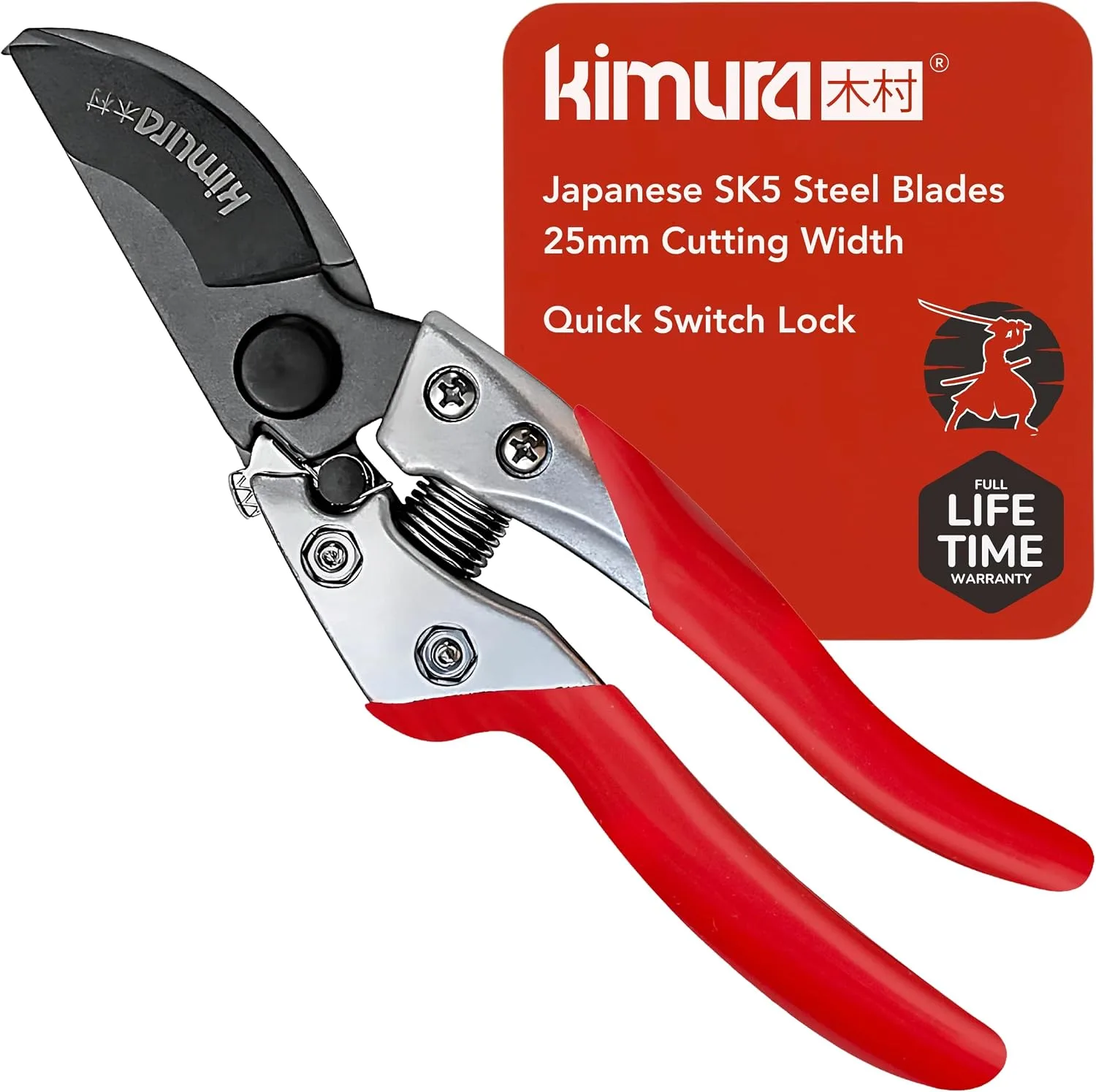
Lavender responds much better to regular, moderate pruning than to being ignored for several years and then cut back hard into old wood. Clean hand pruners make it easier to remove spent flower stems and shape smaller plants carefully.
These Kimura bypass shears use Japanese SK5 steel blades and are suitable for routine garden pruning. With lavender, I would still keep the cuts in healthy green growth rather than trying to force an old woody plant back into shape in a single session.
Can Lavender Be Grown in a Container?
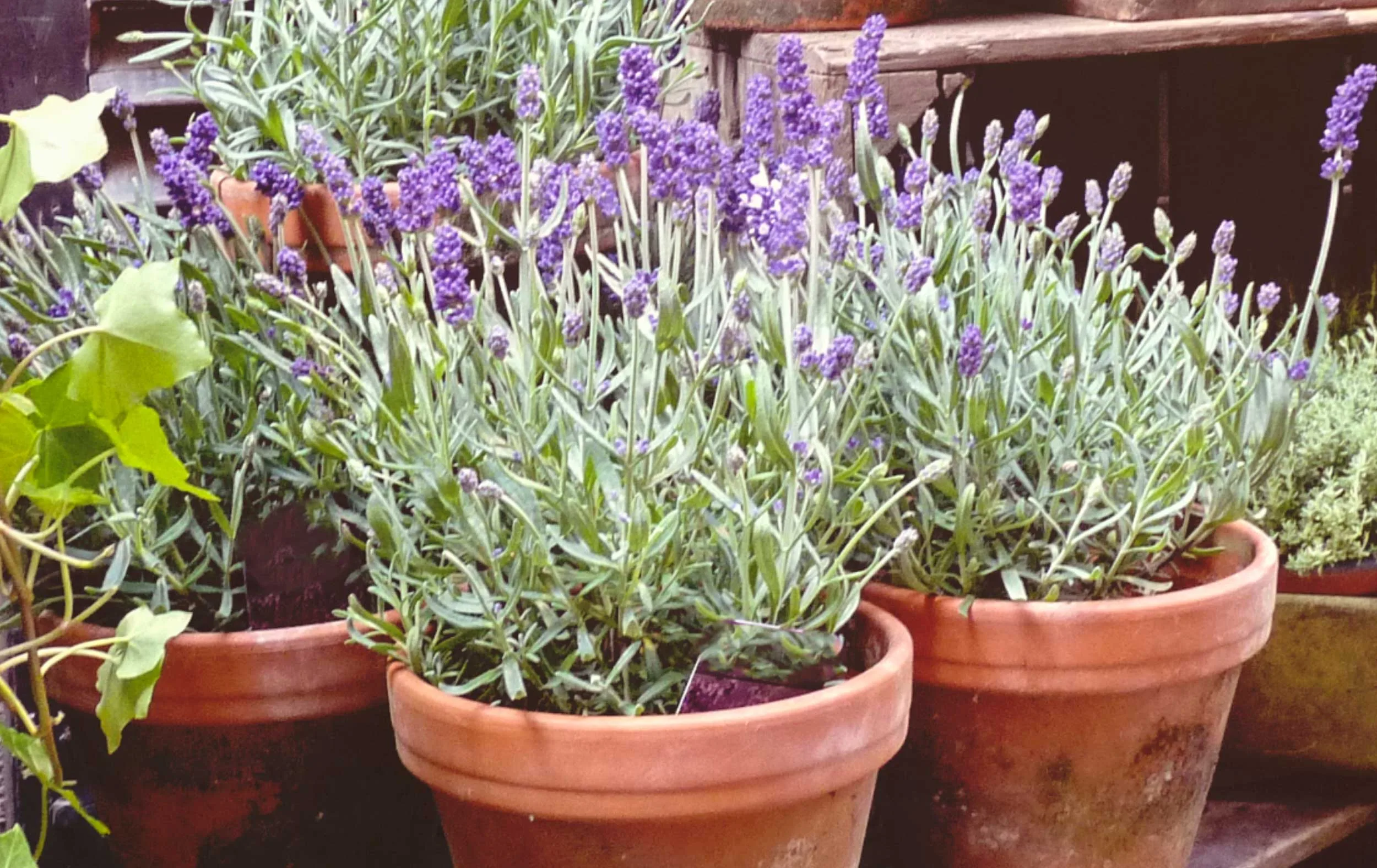
Yes, lavender can be grown in a container if the pot is placed in full sun and has excellent drainage. This is a good option for terraces, entrances and small gardens.
The container should have drainage holes, and the substrate should be light and free-draining. It is not a good idea for lavender to sit in a decorative pot without drainage, because the roots can rot easily.
In winter, a container is more vulnerable than plants in the ground. It is best kept in a protected but bright place where excess moisture does not collect.
Why Lavender Dies
The most common reason is too much water. Lavender rarely dies because it has not been cared for enough. More often, it dies from wet soil, poor drainage, heavy clay, overwatering or a damp winter.
Another reason is lack of sun. In shade, lavender becomes weak, loose and more vulnerable to disease. A third reason is lack of pruning. If it is not pruned for years, the shrub becomes woody and loses its shape.
Sometimes the problem is also overly rich soil. Lavender is not a plant for a luxurious, moist and heavily fertilized bed. It looks better in tougher conditions.
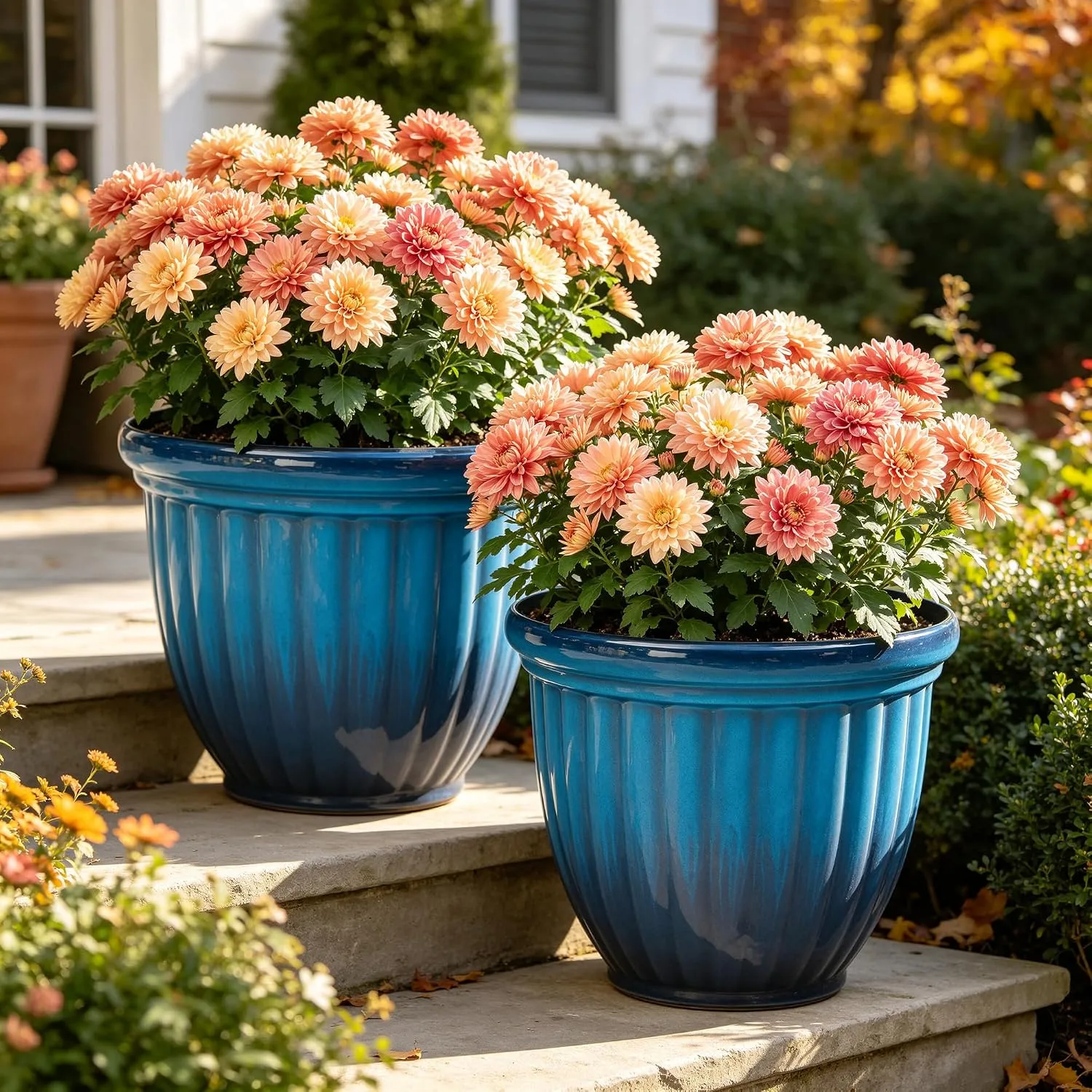
Container lavender can work very well when the garden soil is heavy or stays too wet, because the growing mix and drainage are much easier to control. A substantial pot also gives the root system more room than a small decorative container.
These 15-inch outdoor planters are suitable for larger seasonal container displays. For lavender, I would keep the planting simple, use a light free-draining mix and make sure excess water can leave the container quickly after rain.
What to Combine Lavender With
Lavender combines beautifully with plants that love sun and well-drained soil. Good partners include perovskia, santolina, yucca, ornamental grasses, salvia, rosemary, thyme, catmint, echinacea, rudbeckia, roses and barberry.
In modern gardens, it looks good with gravel, stone, low grasses and silvery plants. In more romantic gardens, it can be combined with roses, but only if the place is sunny enough and the soil is not too wet.
Along paths, lavender has one more advantage — its fragrance is released when touched. But if you do not like bees close to seating areas, it is better not to place it immediately next to sun loungers, a table or a pool. It will attract life, and that is beautiful, but it should match the way the space is used.
Is Lavender Worth Growing?
Yes, if you have sun, air and well-drained soil.
Lavender is aromatic, beautiful, drought tolerant and very useful in sunny gardens. It brings color, texture, a silvery background and attracts pollinators.
The most important thing is not to overcare for it. With lavender, the right place is more than half the success.