
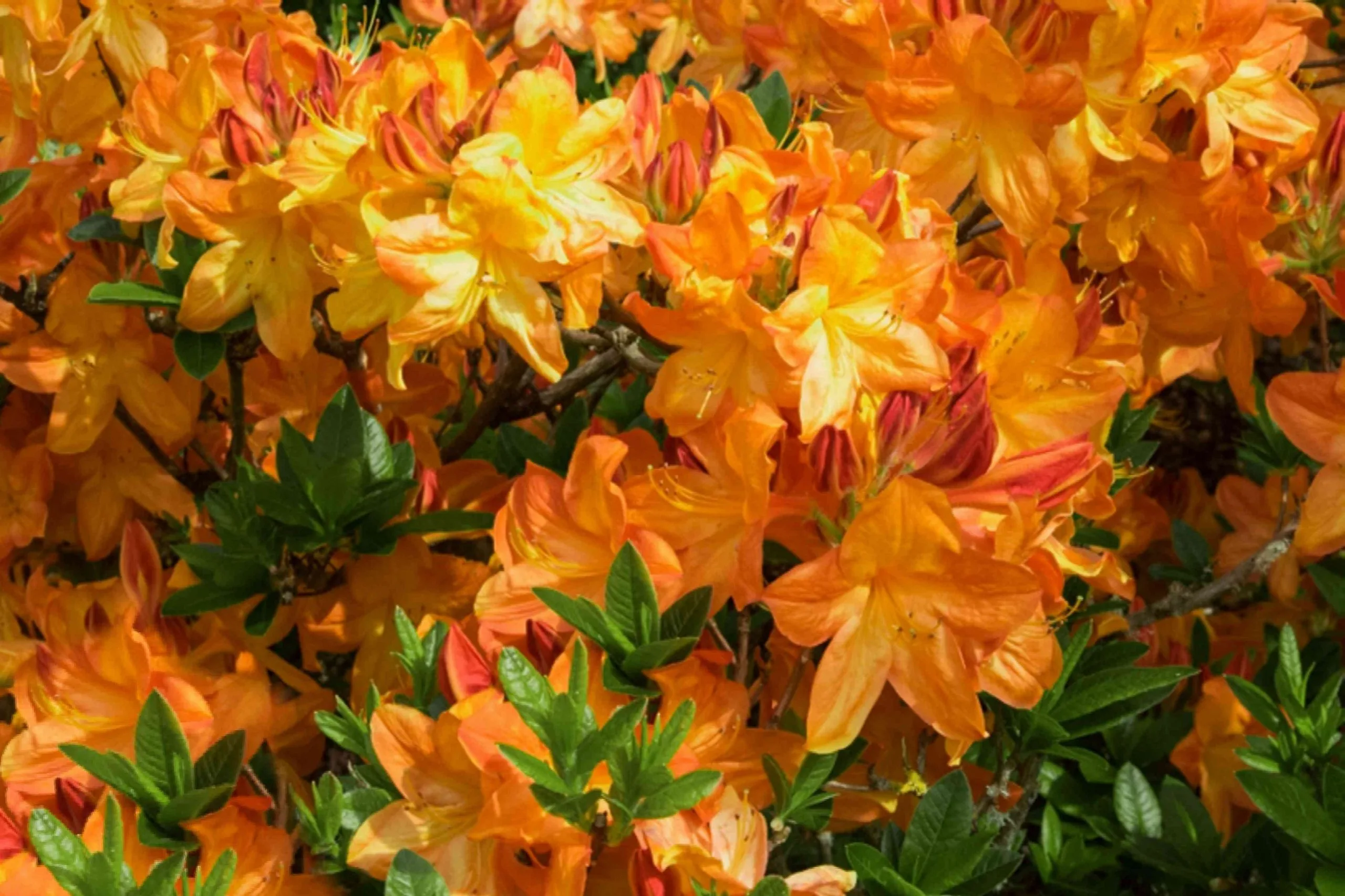
Azalea is one of the most delicate flowering shrubs for the garden. It does not create strong architecture like rhododendron and does not have the graphic line of Japanese maple, but it has another quality — it turns partial shade into a colorful, soft and very lively corner.
In the “Designer Accents in the Garden” series, azalea stands alongside plants such as rhododendron, Japanese maple, magnolia and ornamental grasses. It is finer, lower and often more colorful. It is suitable for the foreground of compositions, borders, shaded parts of the garden, Japanese gardens, woodland corners and large containers.
Azalea, however, is not a plant that likes to be planted “where there is space”. Like rhododendron, it has clear preferences — acidic soil, good moisture, partial shade and protection from strong sun and dry wind.
What Is Azalea?
Azaleas are part of the large genus Rhododendron, which is why it is often said that every azalea is a rhododendron, but not every rhododendron is an azalea. In garden practice, however, we usually treat them separately because they create a different feeling in a composition.
Azalea is usually lower, lighter and more airy. Some cultivars are evergreen, while others are deciduous. The flowers can be white, pink, red, orange, purple, peach or two-colored. In the right place, flowering can be so abundant that the leaves are almost hidden.
Azalea is a plant for those places in the garden that do not need noise, but light, color and a little spring drama.
The Difference Between Azalea and Rhododendron
The difference is not always strict botanically, but it is useful for the gardener. Rhododendrons are most often larger, with bigger leathery leaves and a more solid presence. Azaleas are finer, often more compact and very suitable for the foreground.
If rhododendron is the dense evergreen volume in the shaded corner, azalea is the colorful gesture in front of it. It can soften the edge of a path, bring color under trees or create a transition between taller shrubs and low perennials.
| Plant | Usually Looks Like | Best Use |
|---|---|---|
| Azalea | Lower, finer, very colorful shrub | Foreground, border, container, partial shade, Japanese garden corner |
| Rhododendron | Larger, dense, often evergreen shrub | Background, larger groups, shaded compositions, woodland-style garden |
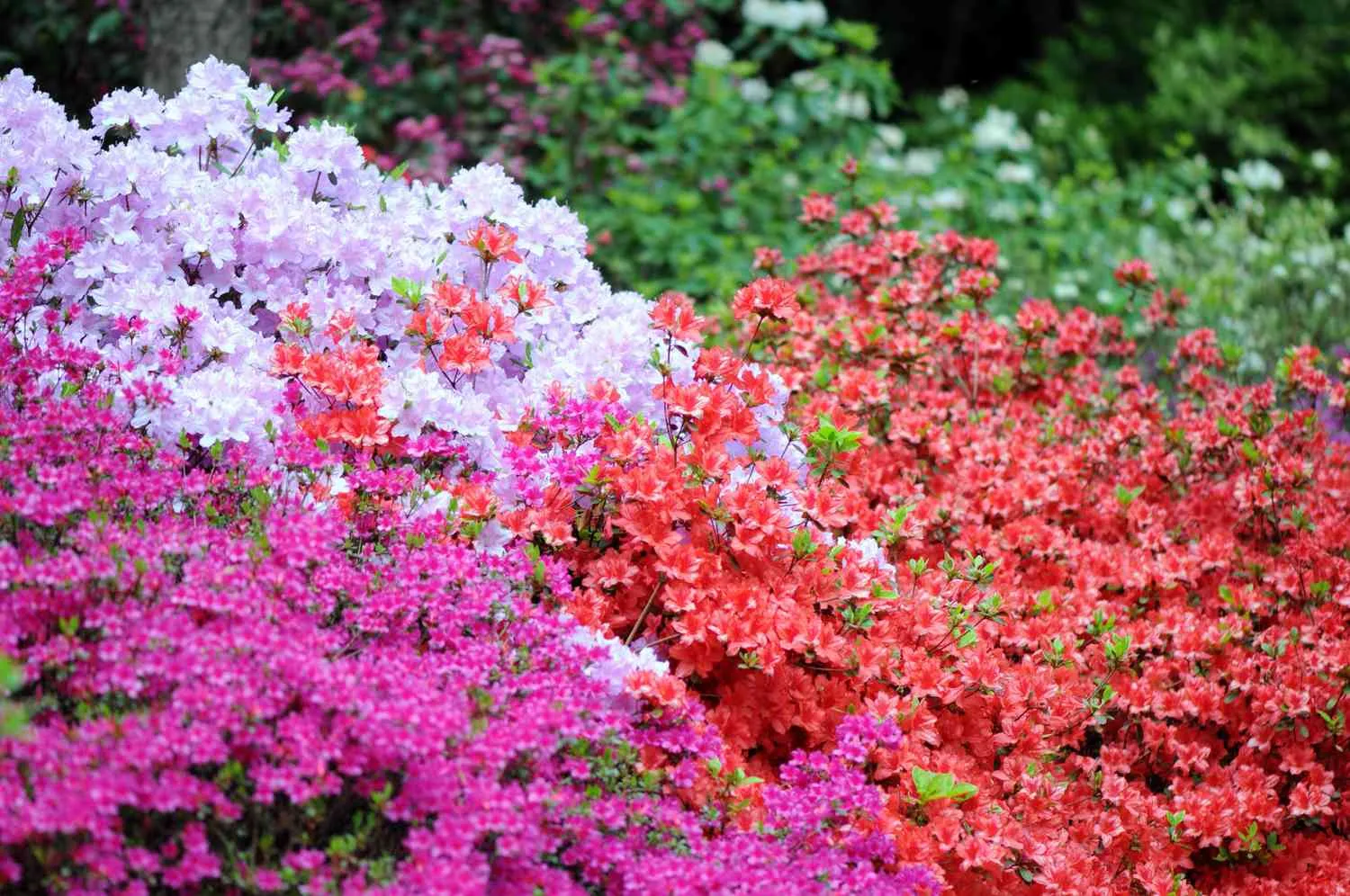
Where to Plant Azalea
The best place for azalea is light partial shade. Morning sun and afternoon shade is a very good option. Dappled shade under tall trees is also suitable, as long as the soil is not too dry and the roots of the large trees do not take all the moisture.
Full southern sun is not a good choice, especially in warmer regions. The leaves can scorch, the flowers can fade quickly, and the plant may look exhausted. On the other hand, deep shade is not ideal either, because azalea may flower less.
Good places include corners around a terrace, northeastern or eastern exposure, partial shade along a path, a place in front of rhododendrons or a composition with Japanese maple, ferns and hostas. In a small garden, azalea can be a beautiful seasonal accent, especially if planted in a group of several plants.
Practical guide: if the place feels pleasant for a person on a summer afternoon — bright, but not hot and burning — it is often good for azalea too.
What Soil Does Azalea Like?
Azalea is an acid-loving plant. This means it prefers acidic, loose, organic-rich and well-drained soil. In heavy, chalky or alkaline soil, problems begin — yellowing leaves, weak growth and poor flowering.
When planting, it is good to use a substrate for rhododendrons, azaleas or other acid-loving plants. You can add acidic peat, leaf mould, composted conifer litter or well-rotted organic matter. It is important for the soil to retain moisture, but not turn into a muddy, waterlogged mass.
Do not use lime, wood ash or strongly alkaline soil improvers around azaleas. They may be useful for other plants, but with azalea they can worsen the uptake of nutrients.
Planting and Mulching
Azalea has a shallow root system, so it should not be planted too deeply. The root collar should remain close to soil level. It is better for the plant to be planted slightly raised than buried deeply in heavy soil.
After planting, mulch is very useful. Suitable materials include pine bark, conifer litter, leaf mould or wood chips. Mulch preserves moisture, reduces root overheating and gradually improves the upper soil layer.
As with rhododendron, do not pile the mulch tightly against the stems. Leave a little free space around the base so moisture does not collect there.
This post contains affiliate links. As an Amazon Associate, I earn from qualifying purchases at no extra cost to you.
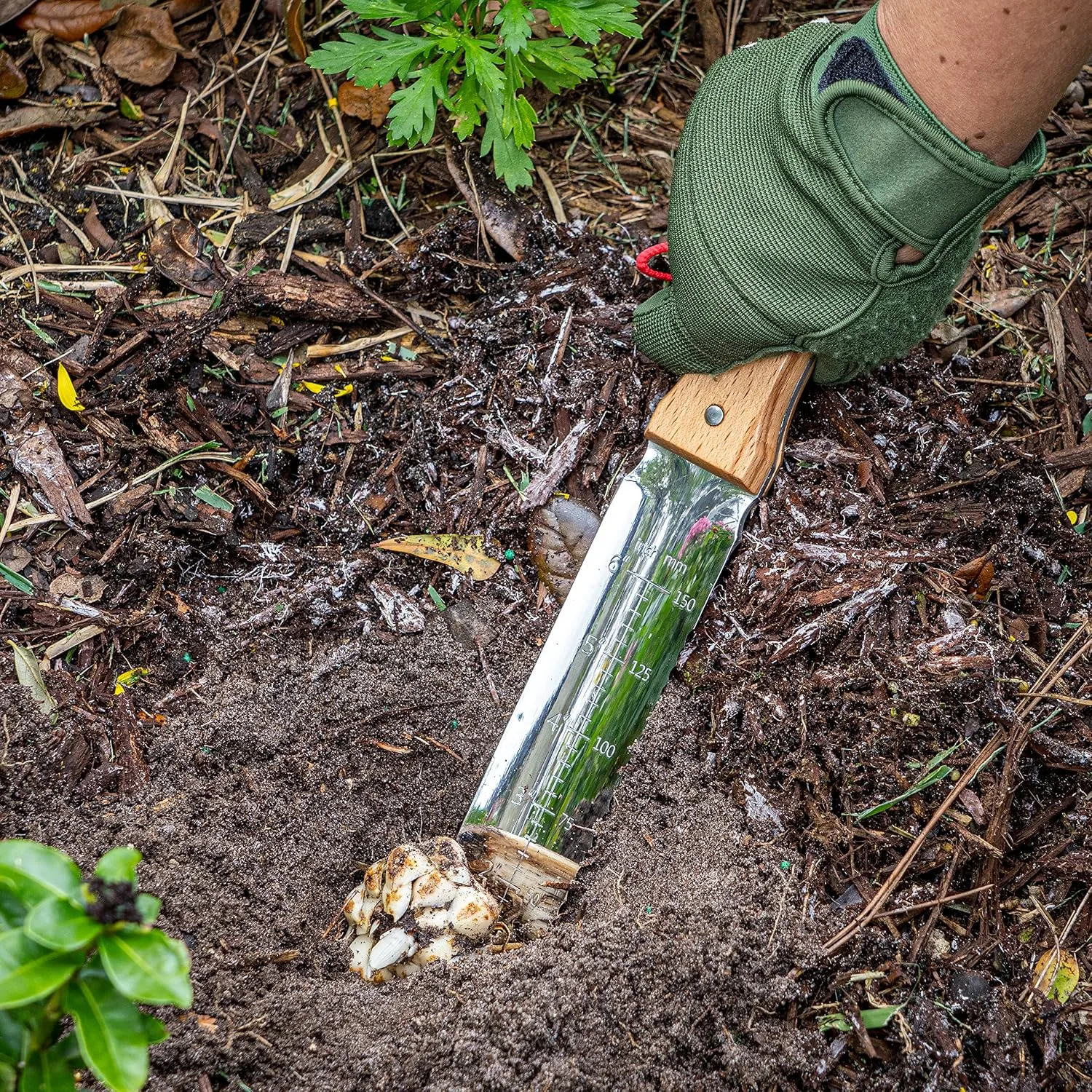
Azaleas have relatively shallow roots, so planting and later work around the base of the shrub should be done carefully. A narrow hand tool is useful when opening planting pockets, adding organic matter or removing weeds without disturbing a large area of soil.
The Nisaku hori hori combines a digging blade with depth markings and a narrow profile that is useful for planting and detailed work in established beds. Around azaleas, I would still avoid deep cultivation once the roots have spread through the upper soil layer.
Watering and Feeding
Azalea likes even moisture, but does not tolerate constantly wet soil. In the first year after planting, regular watering is especially important. If the plant dries out often, it may set fewer flower buds for the next season.
In a hot summer, it is better to water less often but more deeply, rather than very superficially every day. This way the moisture reaches the roots instead of staying only in the top layer.
Feeding should be moderate. Fertilizers for azaleas, rhododendrons and acid-loving plants are the most suitable. Feeding is usually done in spring or soon after flowering. Late and heavy fertilizing is not a good idea because it can stimulate soft growth that does not mature well before winter.
Why Azalea Does Not Bloom
If azalea does not bloom, the reason is often one of several things: too much deep shade, unsuitable soil, summer drought, frost-damaged buds or incorrect pruning.
Many azaleas set their flower buds for the following year soon after flowering. If we prune them late in summer or autumn, we may remove the future flowers ourselves. That is why pruning, if needed, is done immediately after flowering.
| Problem | Possible Cause | What to Do |
|---|---|---|
| Weak or missing flowering | Deep shade, late pruning or drought | More soft light, pruning only after flowering, regular moisture |
| Yellowing leaves | Alkaline or chalky soil | Substrate and fertilizer for acid-loving plants |
| Brown leaf edges | Dry air, strong sun or irregular watering | Partial shade, mulching, more even moisture |
| Weak growth | Heavy soil, poor drainage or overly deep planting | Improve the soil and plant slightly raised |
Pruning Azalea
Azalea does not need heavy pruning. Most often, it is enough to remove dry, diseased or broken branches. If the shape needs correcting, this is done immediately after flowering.
It is not a good idea to prune late in the season, because this may remove the buds for the following spring. With azaleas, the secateurs should be careful, not ambitious.
After flowering, the old flowers can be removed if the plant is small and easy to reach. This is not essential, but it helps the shrub look cleaner and neater.

Can Azalea Be Grown in a Container?
Yes, and this is often a very good option. In a container, it is easier to provide the right acidic substrate, especially if the garden soil is chalky or heavy.
The container should be large enough, with good drainage and a hole for water to escape. Use a substrate for acid-loving plants. In summer, the container should not overheat, and in winter it is best protected from severe cold and dry wind.
Azalea in a container looks beautiful on a terrace, by an entrance, in a shaded courtyard or as a seasonal accent near a seating area. It is important not to forget watering, because plants in containers dry out faster.
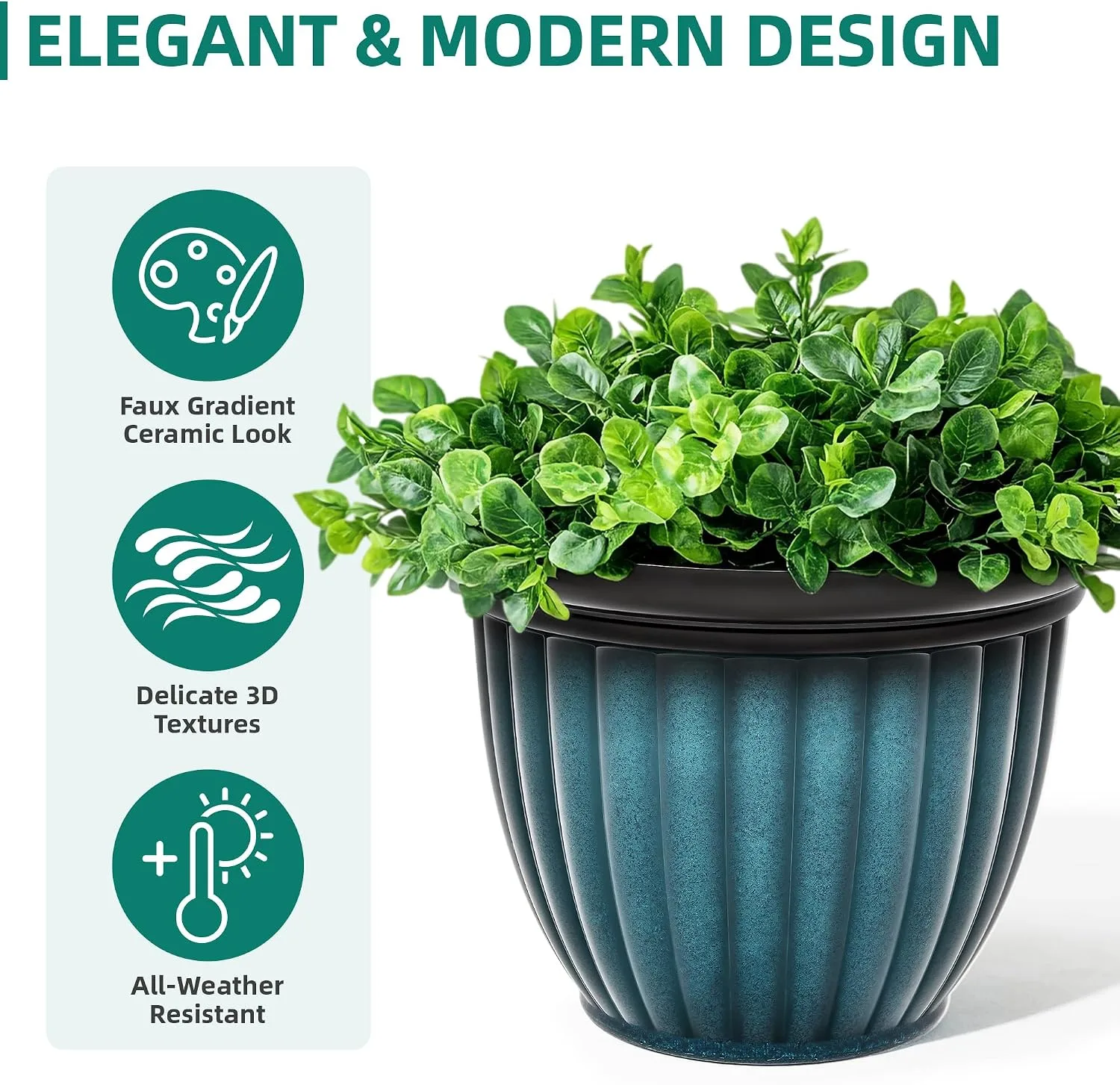
Container growing is particularly useful when the garden soil is too alkaline for azaleas, because the substrate can be controlled from the beginning. Compact cultivars can also make a strong seasonal display near an entrance or shaded terrace.
These 15-inch outdoor pots provide more root space than a small decorative planter and can work for compact shrubs. For azaleas, good drainage remains essential, and the final container size should always be matched to the root ball and mature size of the cultivar.
What to Combine Azalea With
Azalea combines very well with plants that like similar conditions. Suitable partners include rhododendrons, Japanese maple, ferns, hostas, hydrangeas, heathers, dwarf conifers and low ornamental grasses.
In a composition, it looks best in the foreground or in a group. It can be used along a path, under trees, in a Japanese corner, next to stone, around a terrace or as a flowering transition in front of taller evergreen shrubs.
If you want a more natural effect, do not plant just one azalea lost in the middle of the bed. Small groups of two or three shrubs, or repetition of the same color in several places in the garden, look much better.
Is Azalea Worth Growing?
Yes, if you have the right place and are ready to work with the soil.
Azalea is not a universal shrub for every garden, but in partial shade, with acidic and loose soil, it can be one of the most beautiful spring accents.
It is especially valuable where we want color, softness and a finer garden composition, without the plant looking heavy or intrusive.