

You cannot simply walk past an English rose. First, you will turn around to look at it again, like a beautiful woman. Then you will come closer, touch it and almost inevitably breathe in its fragrance. You simply have to.
David Austin’s English roses are among those plants that do not merely sit in the garden. On the contrary, they make their presence felt. And once you have planted one, there is a very good chance that you will soon start looking for space for another.
“Everyday, I marvel at my good fortune to have been able to make a life out of breeding roses. My greatest satisfaction is to see the pleasure my roses give to gardeners and rose lovers worldwide.”
David AustinWho Was David Austin and How Were English Roses Created?
David Austin was an English rose breeder who devoted his life to creating new rose varieties. The term “English Rose” was coined by him.
Although he was not particularly impressed by the newer Hybrid Tea roses, Austin still recognized their undeniable qualities: an enormous range of colors and the ability to flower repeatedly. These were exactly the qualities missing from the old rose varieties he loved and wanted to bring back into gardens.
This is how his work began - first as a hobby, and later as a true passion. In 1961, he succeeded in creating a new type of rose that he offered for sale. At first, hardly anyone was interested, and he had to make his own way through the enormous competition among rose growers in Britain.
English Roses: Old-Fashioned Beauty Meets Repeat Flowering
A few years later, in 1969, David Austin had refined his breeding process and introduced his first range of repeat-flowering “English Roses.” It was a true revival of the old, forgotten and neglected varieties.
His idea was very clear: to combine the fragrance, flower form and romantic appearance of old roses with the advantages of modern varieties - more colors, a longer season and repeat flowering.
In 1983, David Austin achieved a major breakthrough when he introduced three English roses at the Chelsea Flower Show. Among them was a rose named after his good friend and mentor, the gardener Graham Thomas.
The Graham Thomas rose was striking and later became one of the best-loved roses among gardeners.
How David Austin Turned Roses Into a Family Business
Following this success, David Austin’s popularity continued to grow. He converted old barns into large greenhouses for breeding his varieties. Supported by his wife, he never stopped his breeding work, and his roses received recognition after recognition.
The David Austin Roses nursery remains a family business, with admirers and loyal customers all over the world. After David Austin’s death, leadership of the company passed to his son, David Austin Jr.
David Austin’s Favorite Roses
Austin said that he never really had true favorites among his roses, although he had a particular affection for Claire Austin.
“It is named after my daughter, an exceptional white rose. But if I had to choose a favorite, it would be the pink Olivia Rose Austin, named after my granddaughter. It is one of the finest roses I have ever created.”
Beautiful David Austin English Rose Varieties
There are many David Austin varieties, but some names almost immediately start living in your head. Some because of their color, others because of their fragrance, and others simply because of the name itself.
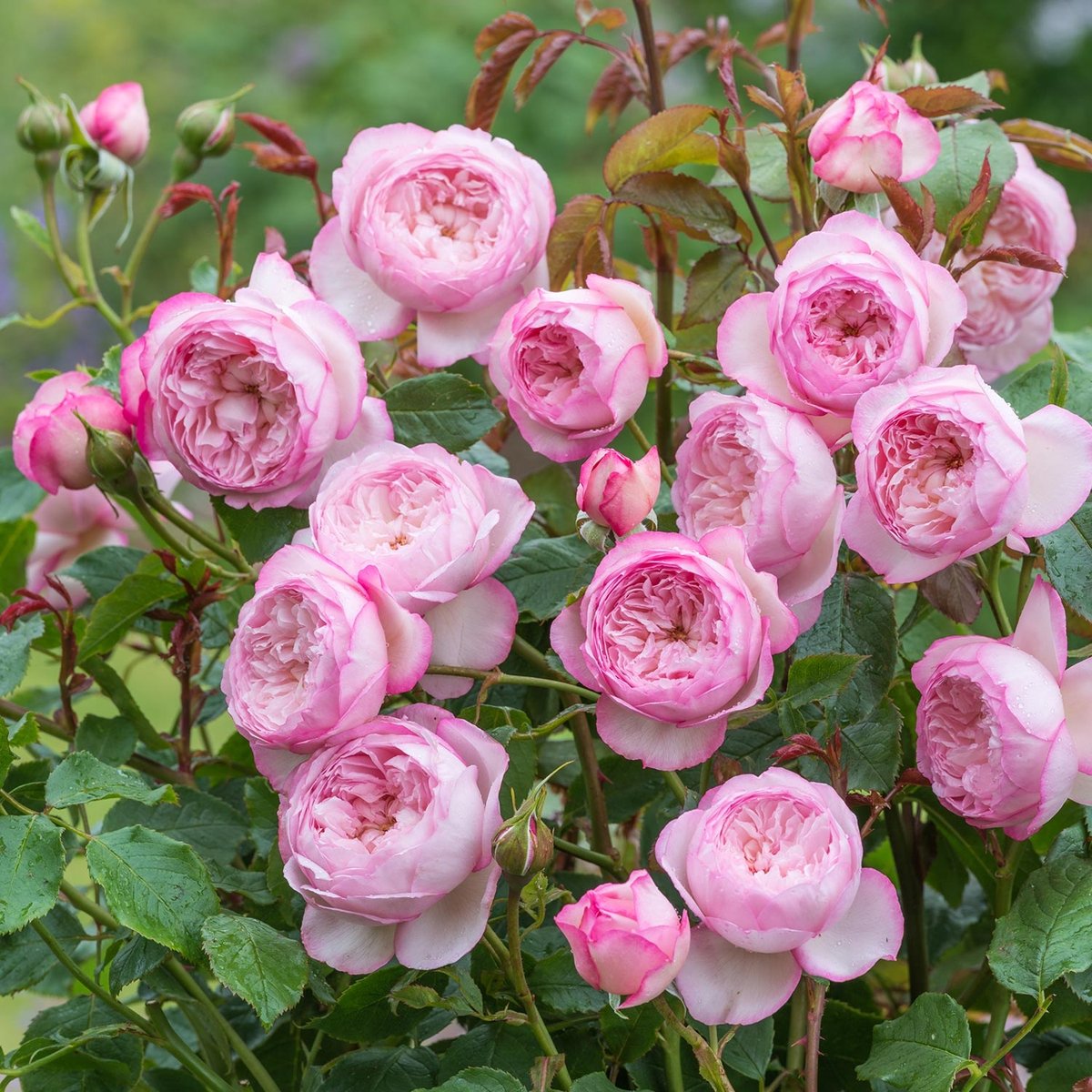
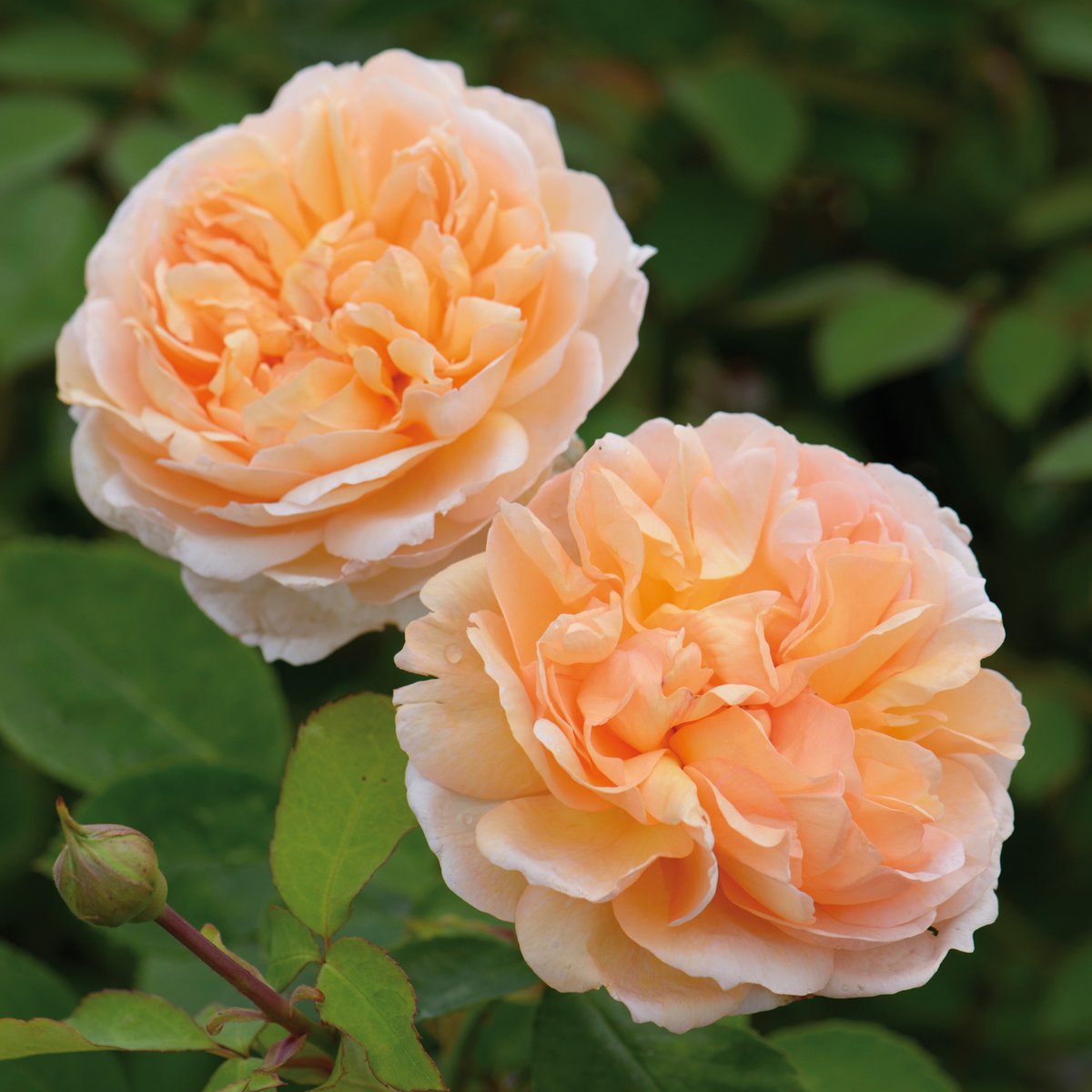
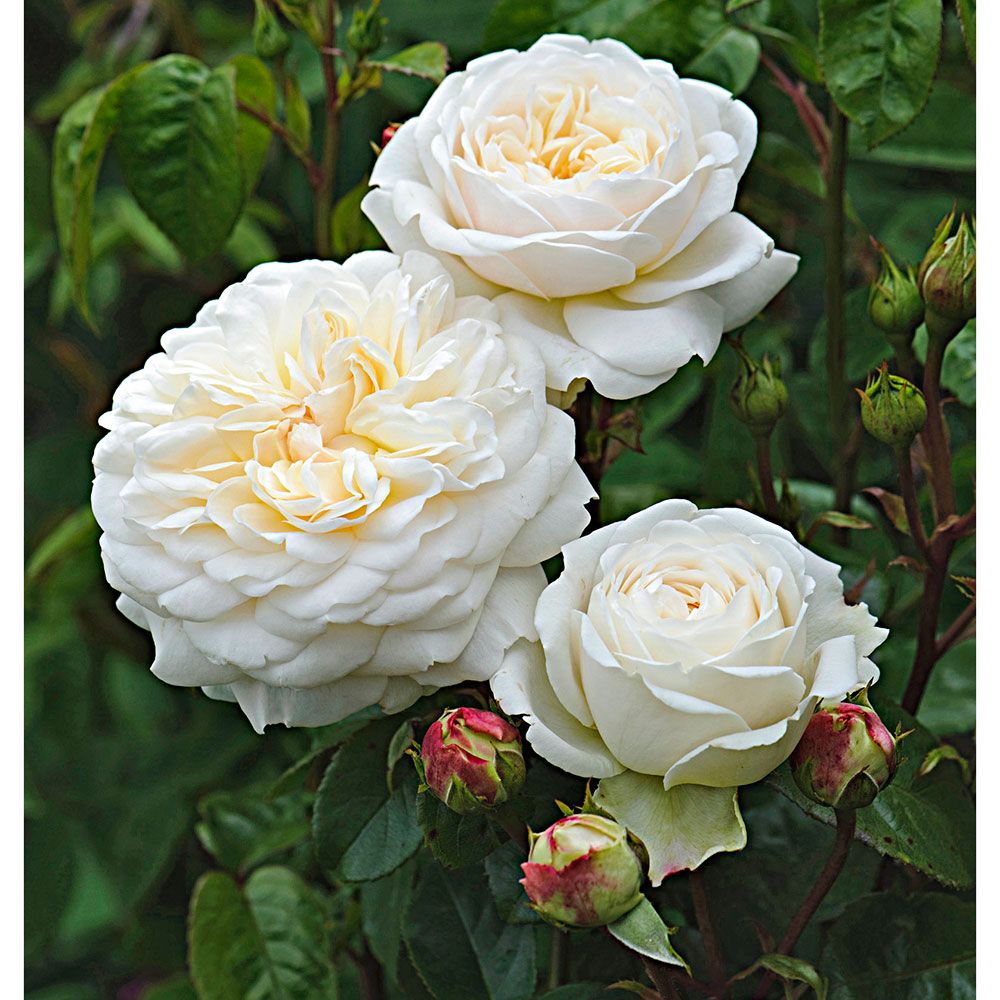
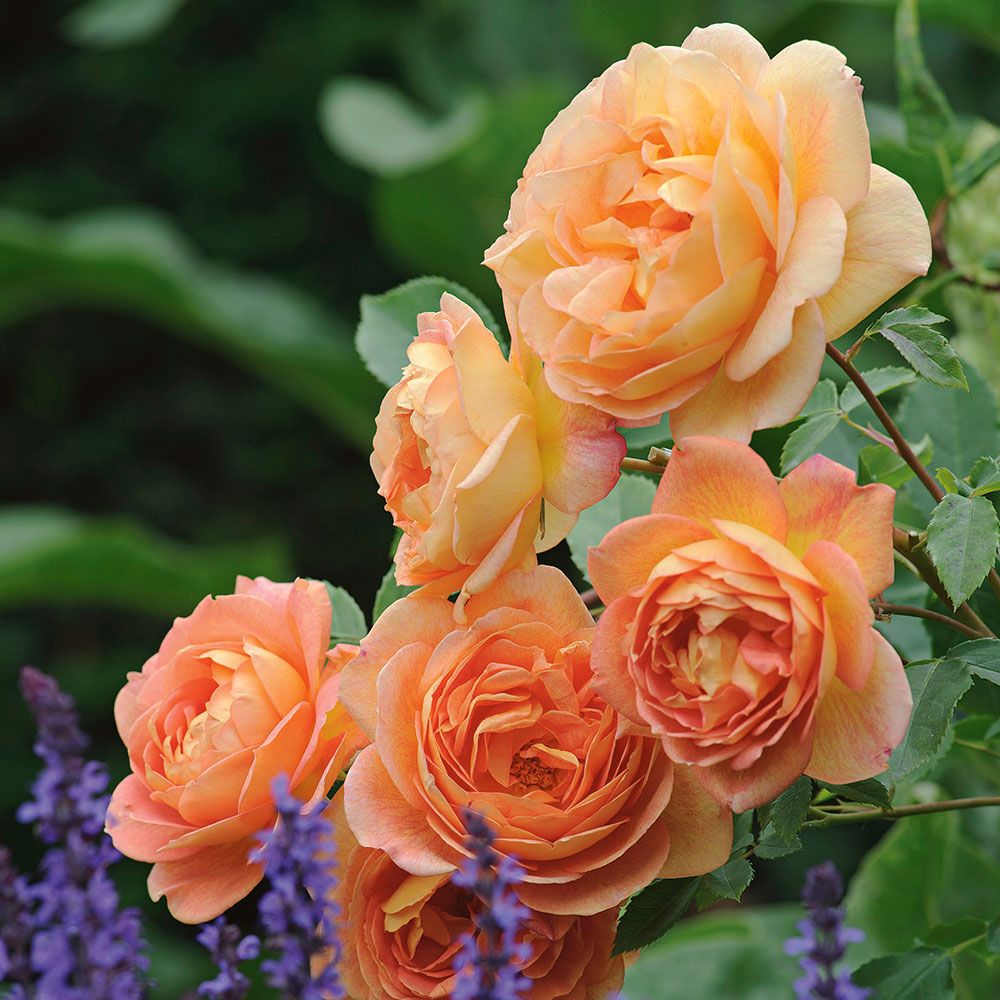

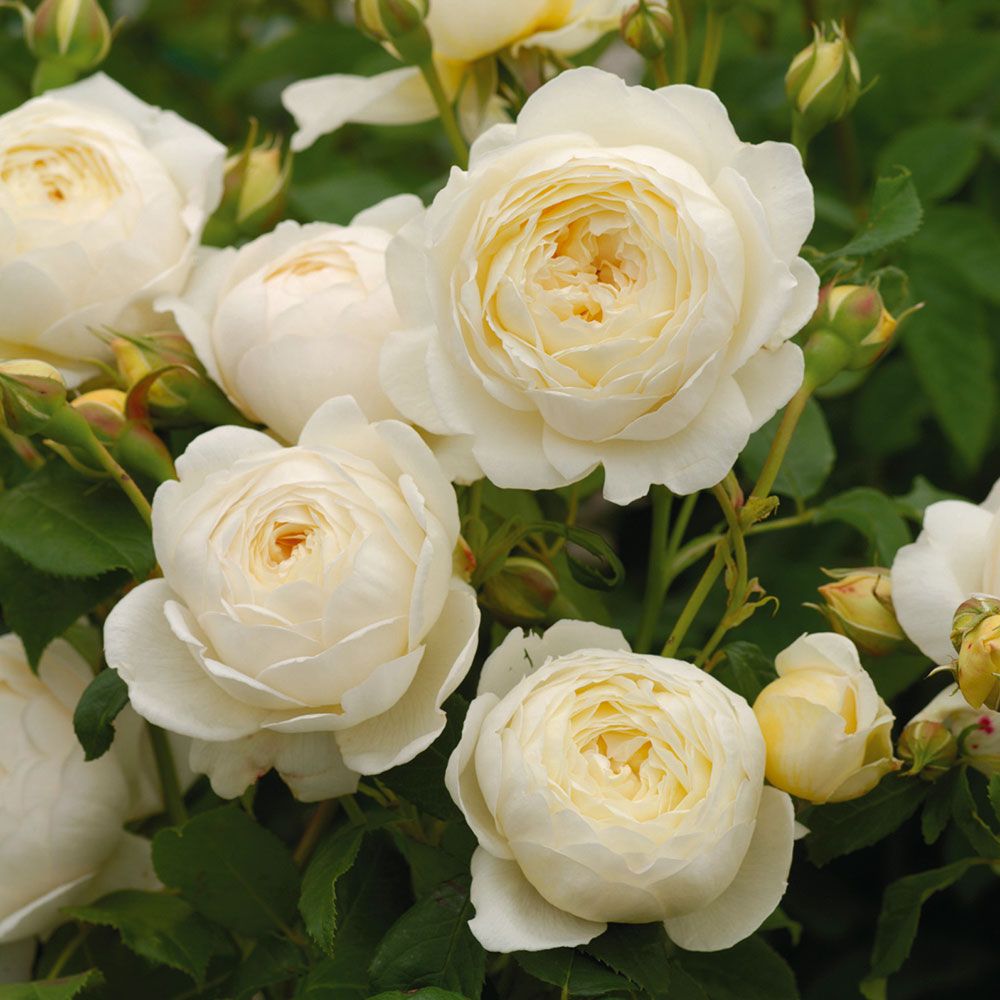
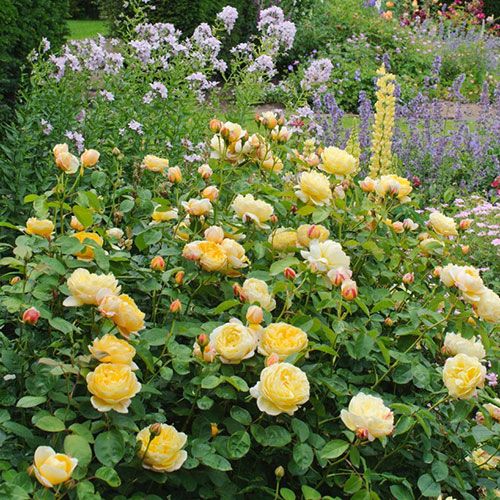
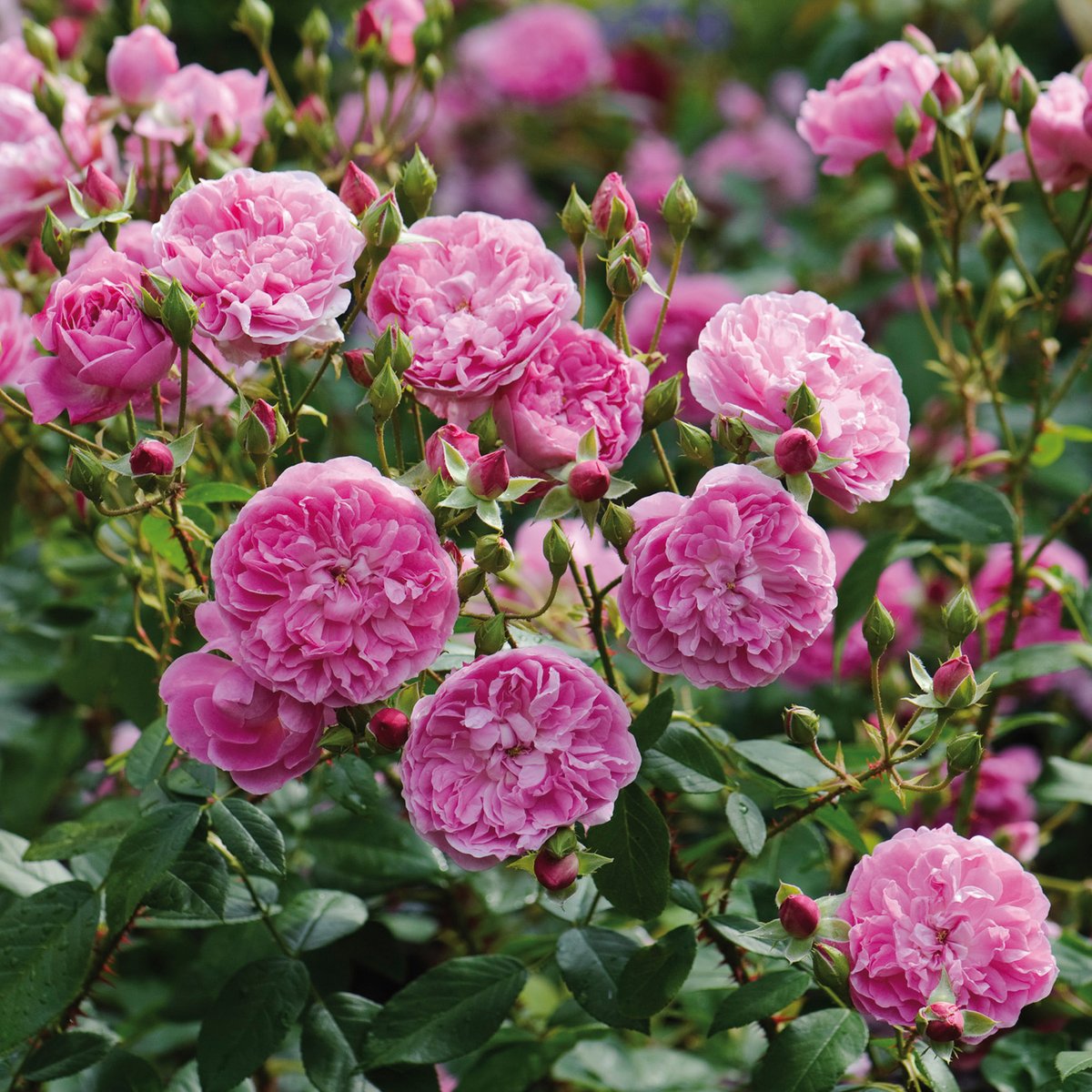
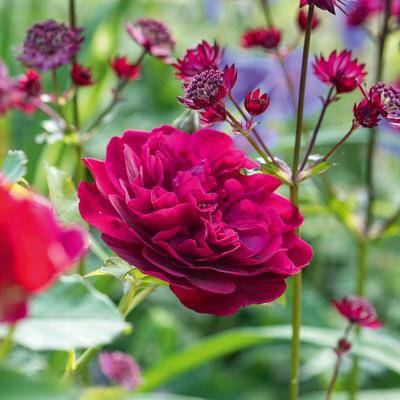
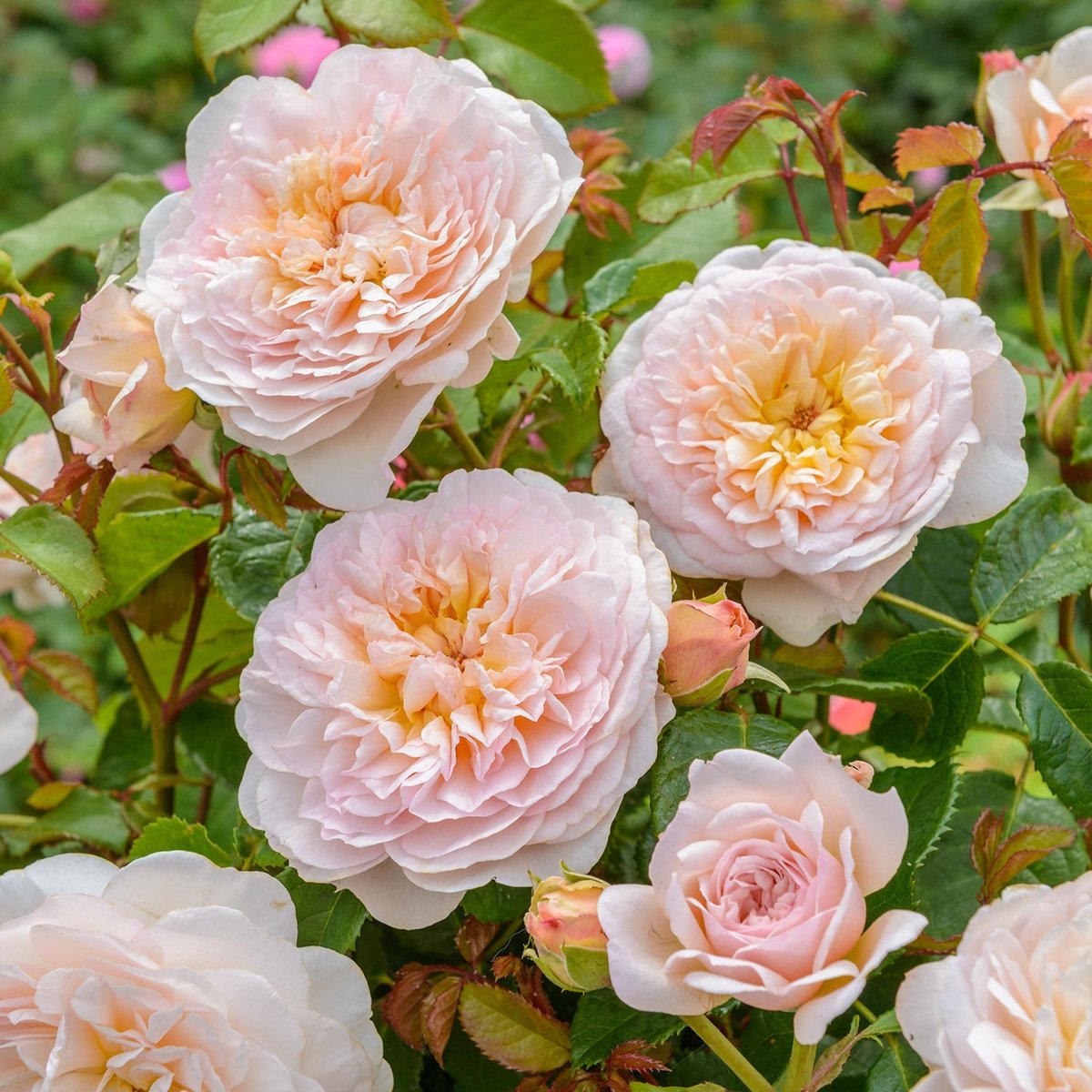
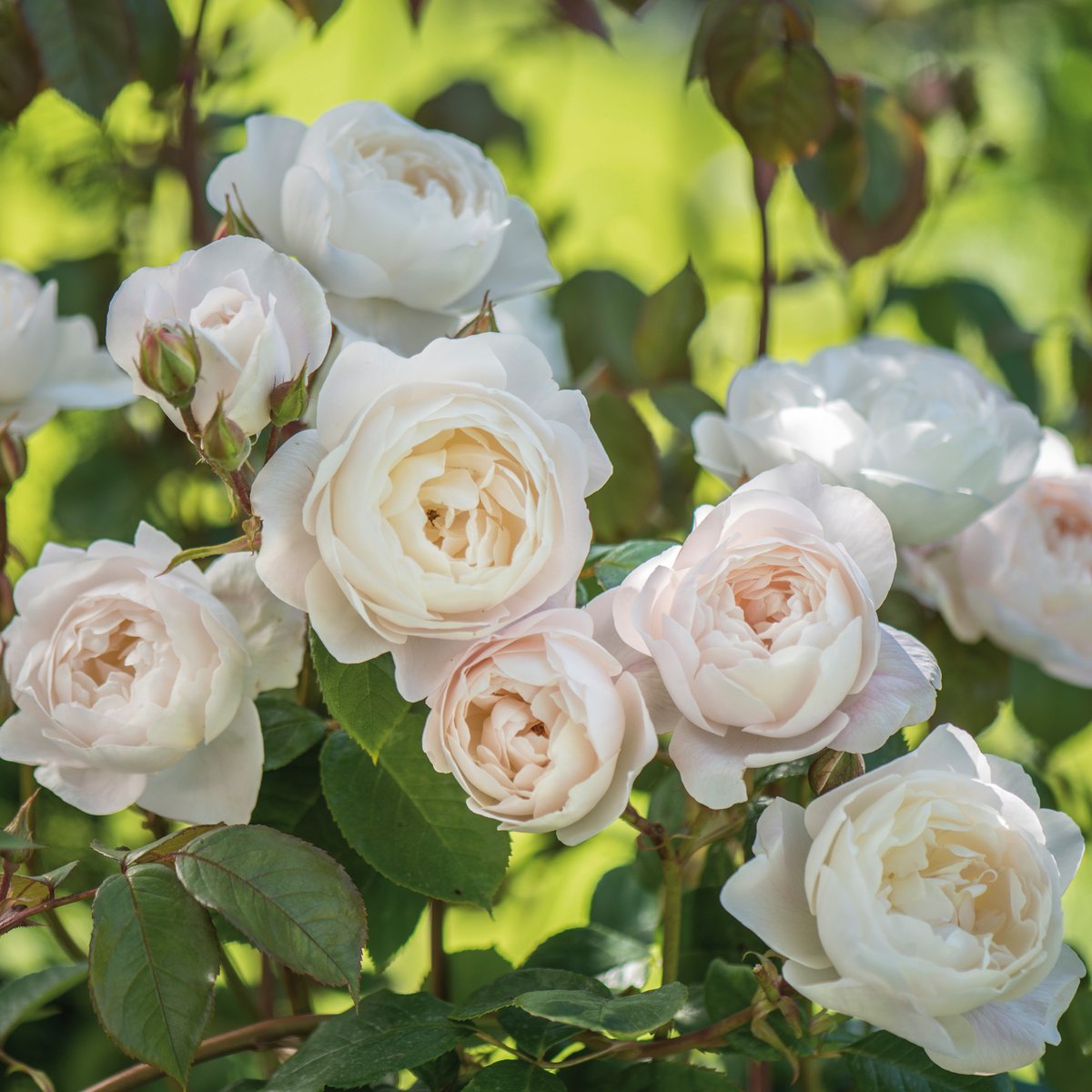
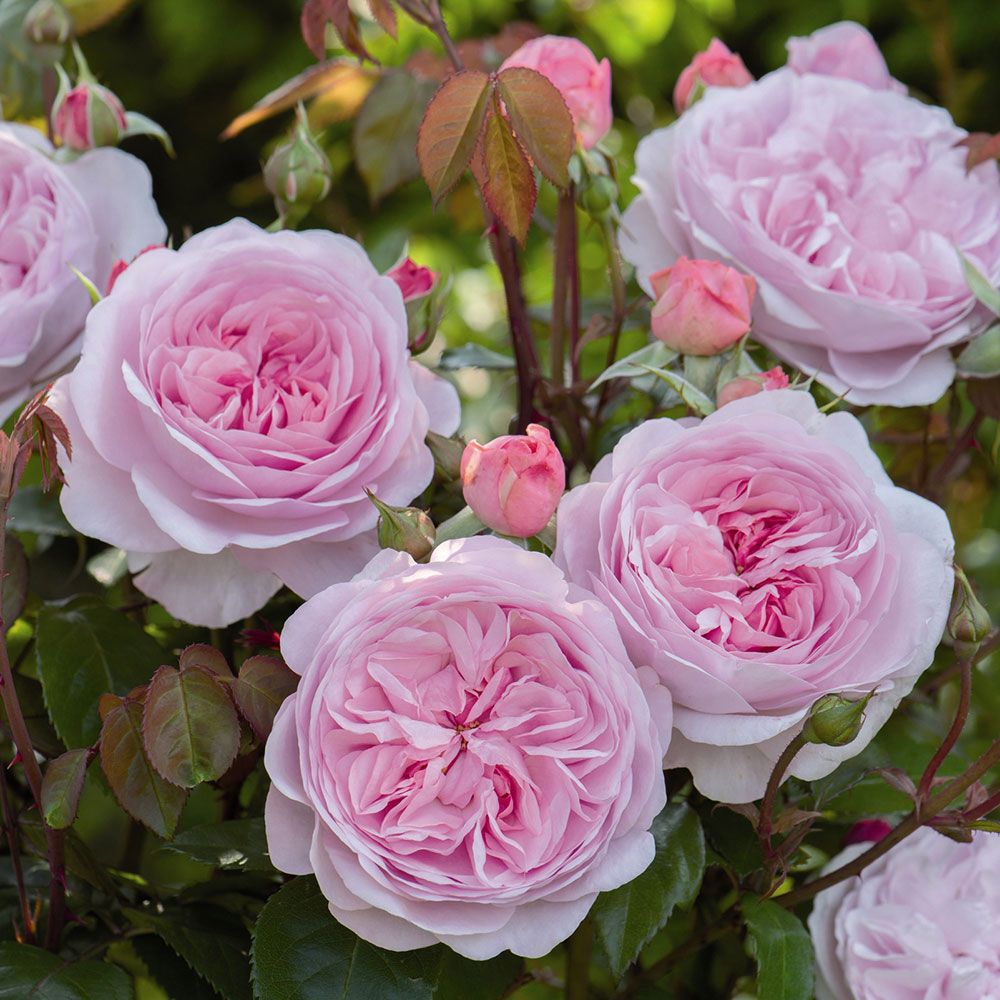
The names themselves already sound like a small literary garden. And here I have to admit something - the English are very good at this. They do not simply create a plant; they give it a story.
My First Experience With an English Rose
My first experience with English roses began with Graham Thomas. I was looking for a yellow rose because I love the color - a climbing rose suitable for an arch. I bought rooted plants from a Bulgarian importer.
The plant looked very well cared for and established immediately.
My Observations of Graham Thomas
An exceptionally healthy plant. It does not suffer much from disease, and it handles both rain and intense heat well. The canes are flexible and easy to train. It flowered abundantly throughout the summer.
This was my first English rose, but it certainly will not be my last. I plan to create a collection of English roses when I find the right place for them in the garden.
Why Rose Names Matter
In November, I also planted around 50 roses from local growers - Bulgarian roses. Do you know what they were called? Rose No. 4, Rose No. 7, Rose No. 28, 45, 53, or simply “red with yellow stripes” and “orange rose.”
A truly brutal lack of imagination.
And it does matter. Of course, a name does not make a rose healthier. But it makes it memorable, gives it character and makes you want to look for it, photograph it and tell its story. In the end, plants in the garden are not only about botany. They are also about emotion.
Where to Learn More About English Roses
You can read more about David Austin roses on the nursery’s official website: David Austin Roses.
There you can find information about varieties, care, planting, pruning and choosing roses for different places in the garden.
Here is also a useful tip from the nursery’s head gardener on how to plant a bare-root rose. This is particularly important if you order roses outside the active growing season and want them to establish well from the beginning.
English Roses in a Bulgarian Garden
English roses are not only for English gardens with mist, stone paths and tea at five in the afternoon. They can also do well in a Bulgarian garden, as long as they receive enough sun, good soil, regular watering and enough room to develop.
Some varieties tolerate heat better than others, so choosing the right one matters. But if you find a healthy variety and plant it properly, an English rose can become one of the most beautiful plants in the garden.
I would love to hear about your experience with English roses. Which varieties have you planted, which ones performed well and which ones were temperamental? Write to me.