
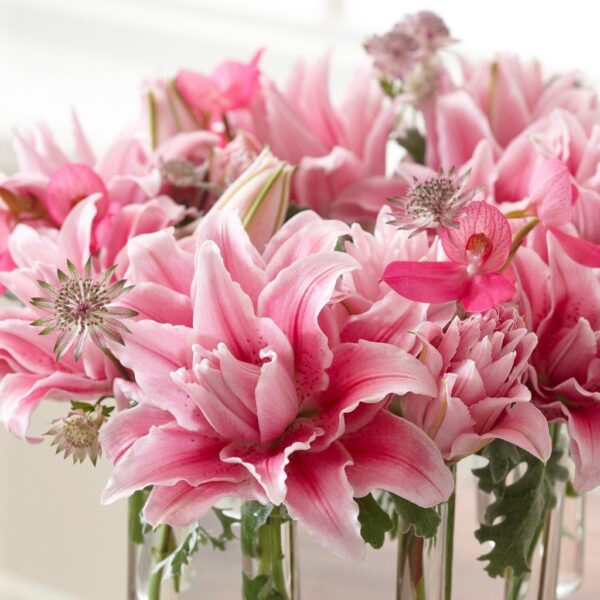
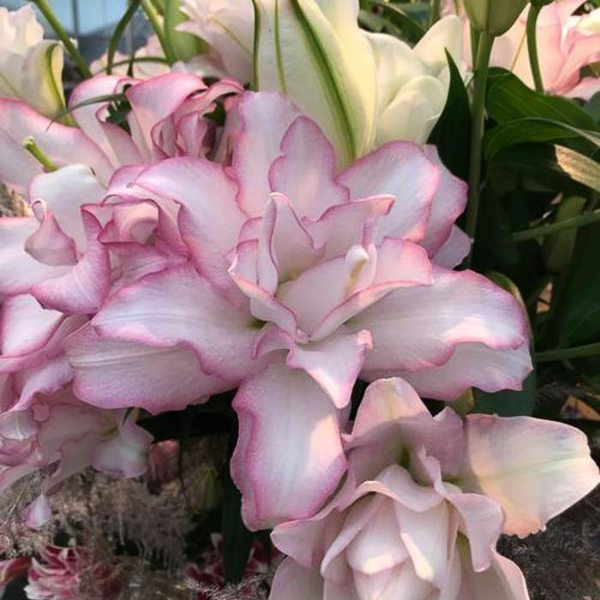
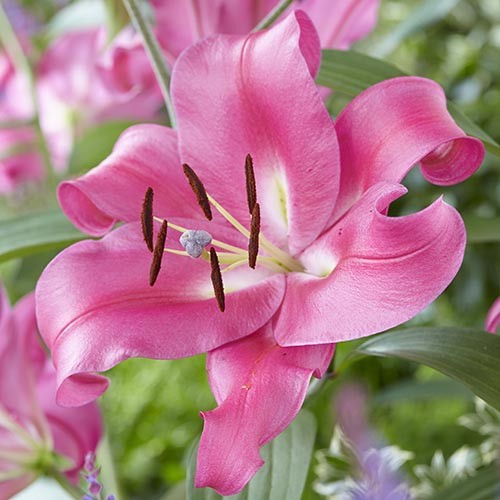
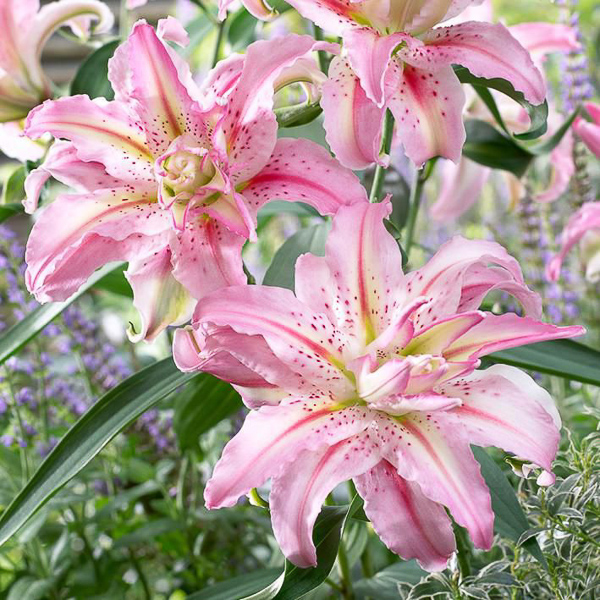
Where to Grow Lilies
Lilies grow well in fertile garden soil as long as excess water drains away reasonably quickly. Prolonged waterlogging is one of the greatest risks to the bulbs.
I choose a sunny position or light partial shade. For taller varieties, I also prefer some protection from strong winds.
One practical rule is to keep the soil around the base of the plants relatively cool, while allowing the stems and flowers to receive plenty of light.
When to Plant Lilies
Lily bulbs can be planted in fall or in early spring, when the soil is workable and not waterlogged.
I do not leave the bulbs out of the soil for long after buying them. Lily bulbs can lose moisture relatively easily, so it is better to plant them as soon as possible.
How to Plant Lilies
I prefer to plant lilies in groups of three to five bulbs. A single stem can be beautiful, but several plants together create a much more complete display.
If the soil tends to hold water, I improve the drainage first or create a slightly raised area.
In heavy soil, I add compost and suitable coarse material to improve the structure.
In the original material, the guideline is around two to three times the height of the bulb, often approximately 15-20 cm.
The pointed end faces upward and the roots downward. A slightly curved shoot will find its own way toward the light.
I cover the bulbs carefully with soil, firm it gently and water moderately.
This saves me from accidentally digging directly into the bulbs several months later.
Growing Lilies in Pots and Containers
Lilies also grow well in containers. This is a practical option for heavy soil, a small garden, balcony or terrace.
I choose a deep, stable container with plenty of drainage holes. Stability is particularly important for taller varieties because the heavy flowers can easily tip over a lightweight pot.
I use a good-quality potting mix with plenty of air space and make sure water does not remain around the bulbs.
Care During the Growing Season
Watering
I water moderately and regularly during active growth and while the flower buds are forming. The soil should remain evenly moist, but never constantly wet.
I check container-grown lilies more often because the potting mix dries out faster.
Feeding
Well-rotted compost or a balanced fertilizer can be added in spring. When the buds begin to form, in my original practice I use a feed with a higher potassium content.
I avoid too much nitrogen. Excessive feeding can produce lots of foliage and softer, less stable stems.
Supporting Taller Varieties
Shorter varieties usually manage without support. Tall Oriental, trumpet and OT hybrids, however, can develop very heavy flowers.
If I am going to use a support, I prefer to put it in place while the stems are still young rather than trying to rescue a plant after it has already fallen over.
What I Do After Lilies Finish Flowering
I remove the faded flowers but leave the green stems and foliage in place.
While they remain green, they continue feeding the bulb. I wait until they naturally turn yellow and dry before cutting them back.
The flowers are the show, but the leaves quietly do the work for next season.
Lilies as Cut Flowers
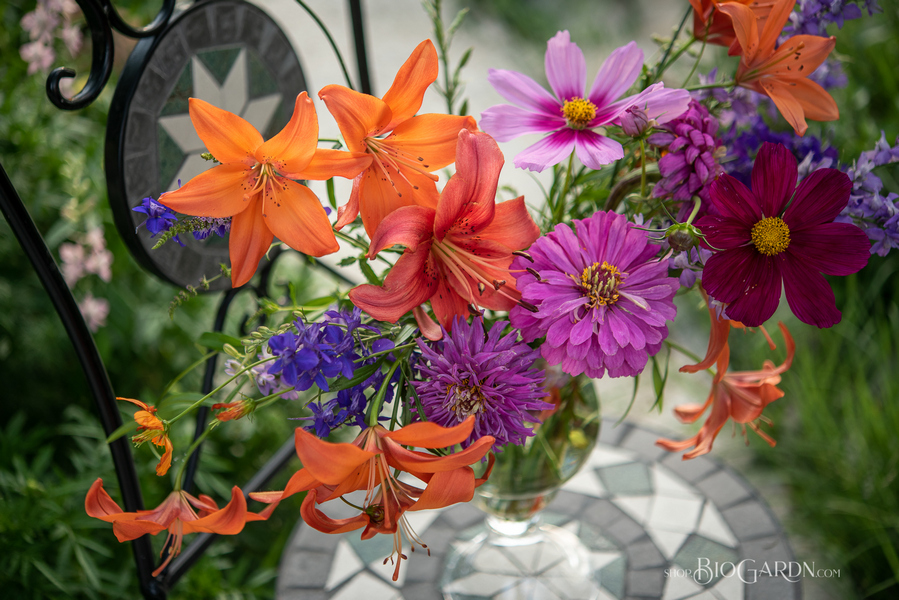
For bouquets, I cut the stems when the first bud is beginning to open while the remaining buds are still closed.
This allows the flowers to open gradually in the vase.
I do not cut the stem too low. I leave enough foliage on the plant so the bulb can continue rebuilding its reserves.
The stamens can be carefully removed from open flowers. Lily pollen can leave stubborn stains on fabric, so I avoid rubbing it with a wet cloth.
Common Problems With Lilies
Most lily problems tend to come back to a few recurring causes: too much water, insufficient light, unstable tall stems or pests.
Important for homes with cats: true lilies from the genus Lilium are extremely toxic to cats. The flowers, leaves, pollen and even the water in a vase can be dangerous. Never leave lily bouquets or potted lilies where a cat can reach them.
What to Plant With Lilies
In the garden, lilies work well among plants that hide the base of the stems and help keep the soil around them cooler.
For more shaded positions, they can be combined with hostas and hardy geraniums. In sunny areas, I like them with salvias, nepeta and other lower-growing perennials.
They can also work well among roses when the colors are chosen carefully, while annual flowers are useful for filling the gaps once the lilies have finished flowering.
The Most Important Things to Know About Growing Lilies
Lilies are not particularly subtle plants, and that is exactly part of their appeal. They arrive with height, color, fragrance and a certain amount of confidence.
The foundation, however, is very practical: fertile, well-drained soil, enough light, moderate watering and enough time for the foliage to do its job after flowering.
When those few things are right, the amount of work lilies require is relatively small compared with the display they give us every summer.