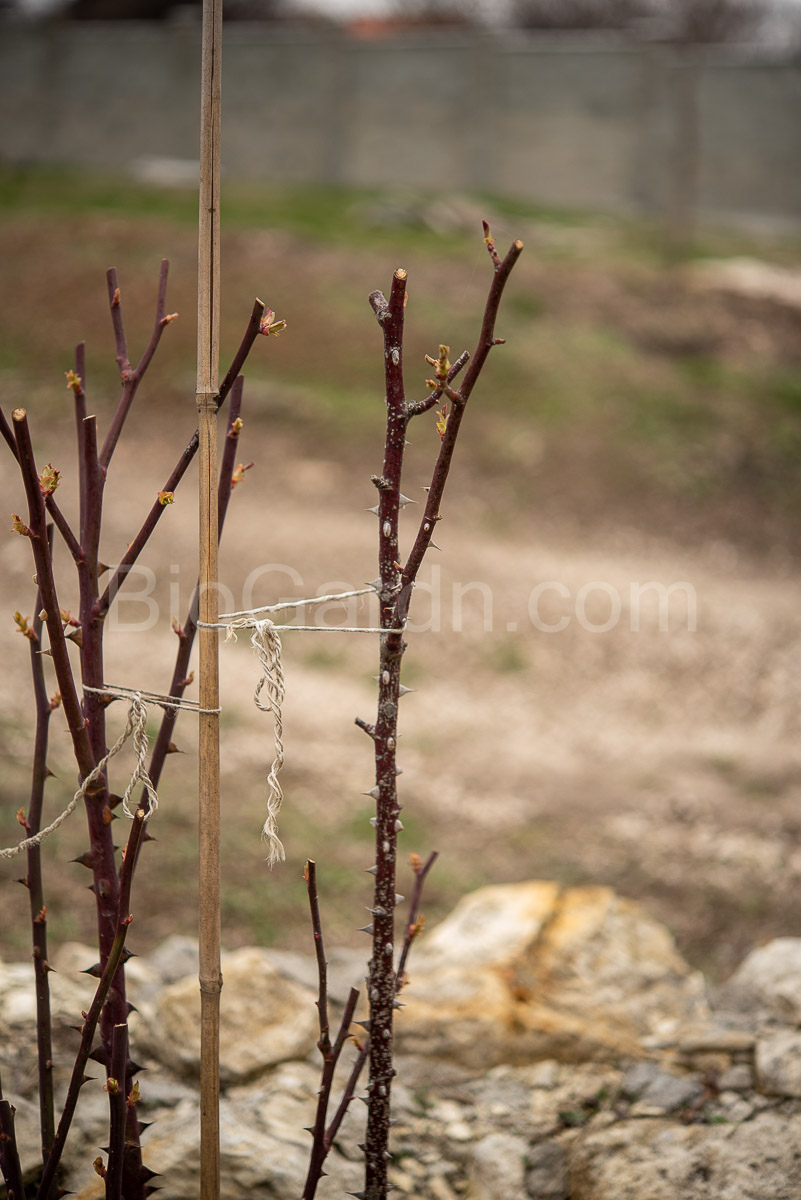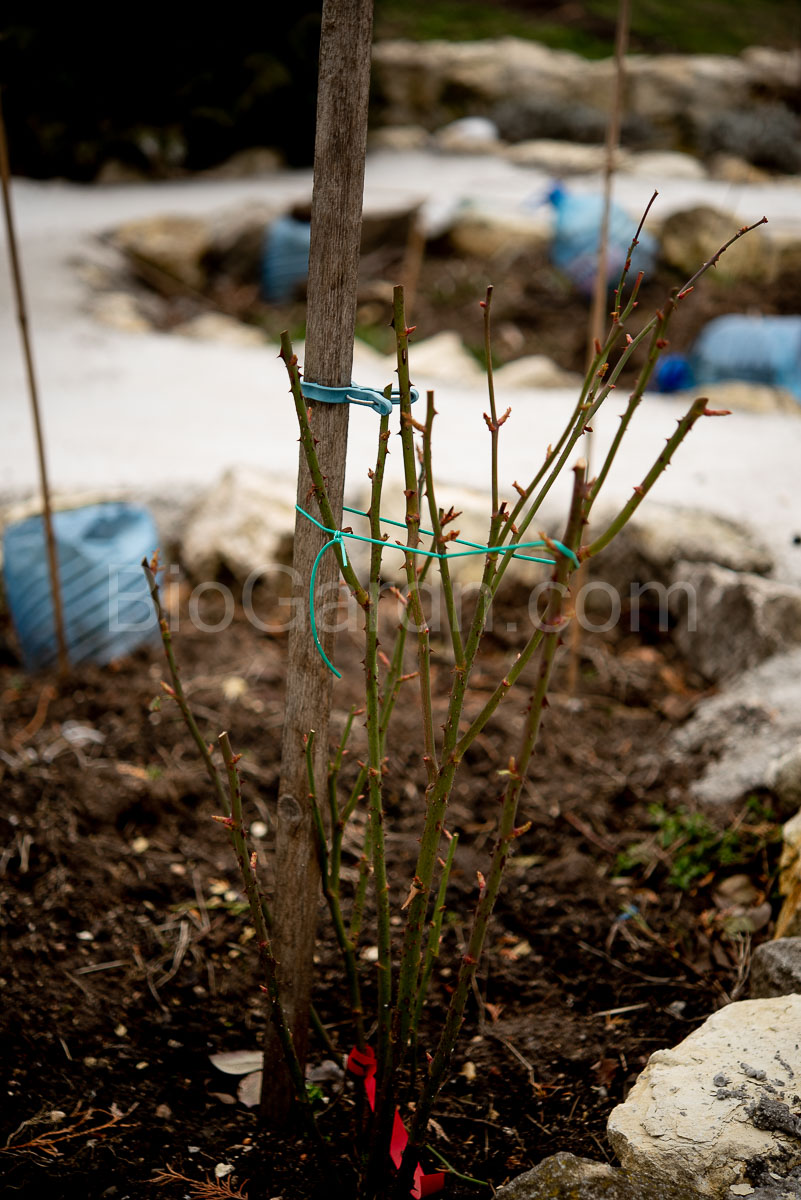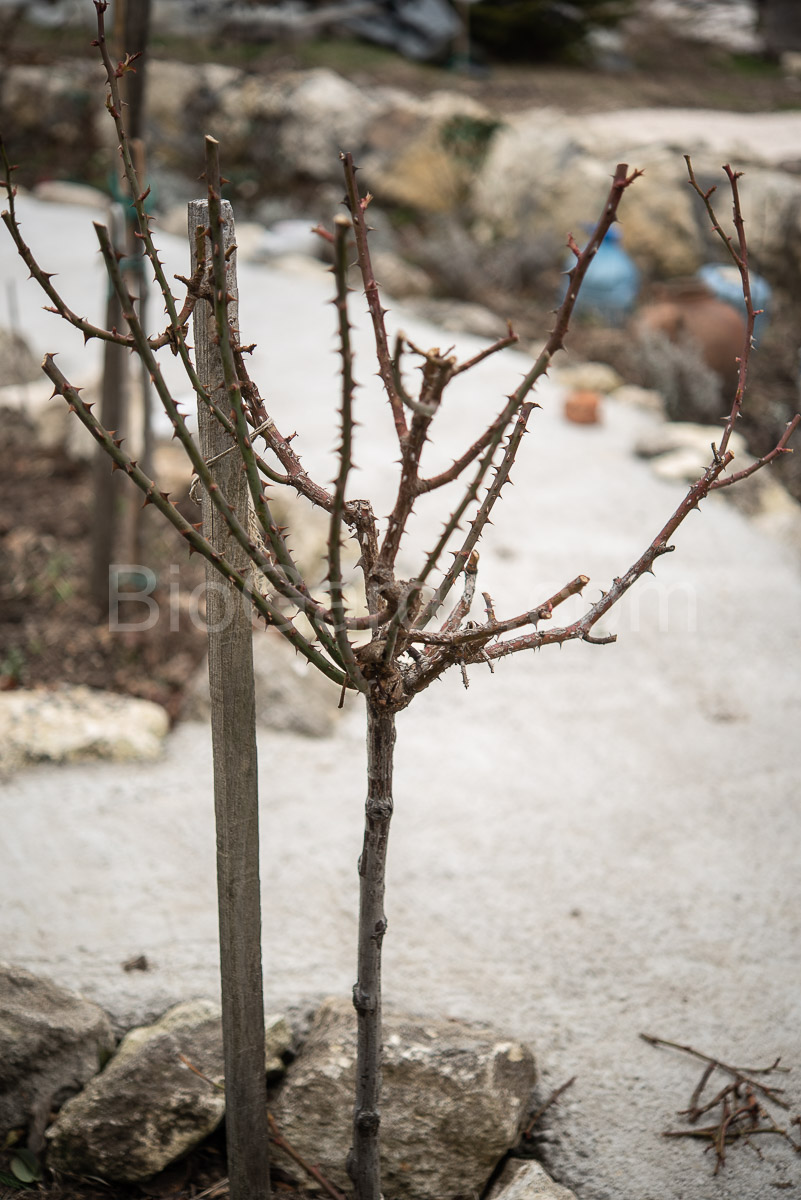
When pruning roses, I usually rely on a little common sense too. If I were a rose, what would I want to take with me into my next “artistic” season?
I would probably get rid of everything old and unnecessary, refresh my hairstyle, and give myself a little more air and space.
And then I would bloom at full strength.
Do Roses Need Pruning?
Yes. Pruning is one of the most important parts of rose care because it is not only about shape. It removes old and damaged growth, opens up the shrub, and encourages new growth.
For me, pruning has three main purposes:
In other words, pruning helps the rose rejuvenate, improves airflow through the shrub, and keeps it vigorous for years to come.
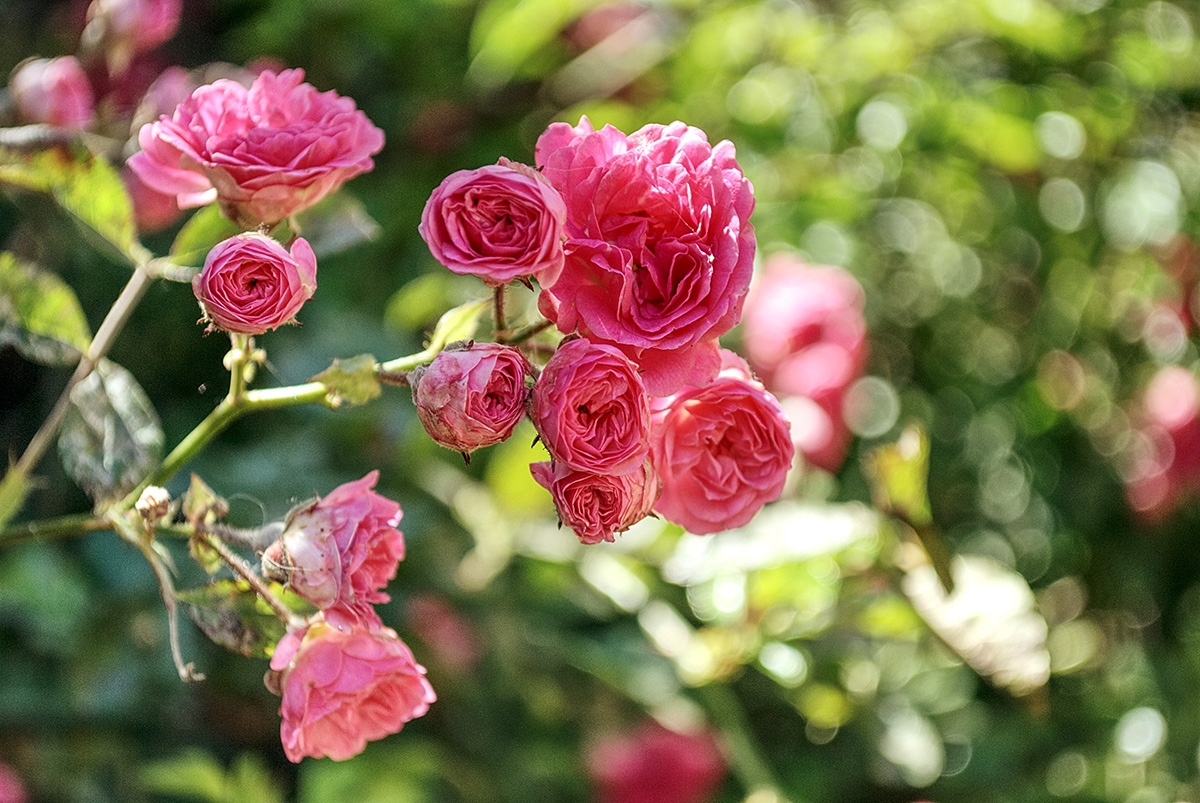
When to Do the Main Rose Pruning
In his book Decorative Roses, Prof. Vasil Staykov recommends carrying out the main pruning of the different groups and varieties of roses in early spring - after the buds begin to swell, but before the new shoots develop.
This is the point when the plant is beginning to wake up after winter and we can see more clearly which parts are healthy and which need to be removed.
I do not rush to prune simply because the calendar says it is spring. Swollen buds and the condition of the plant itself tell me much more.
Advice from Prof. Vasil Staykov
Prof. Vasil Staykov was a Bulgarian agronomist and plant breeder who worked for many years at the Rose Experimental Station in Kazanlak.
His work was connected both with lavender breeding and with ornamental roses. Together with Ivan Kalaydzhiev and Hristo Chorbadzhiyski, he took part in creating around 30 varieties of ornamental roses.
One of them is “Marista,” named after his wife and awarded a gold medal at the exhibition in Erfurt in 1981.
I bought his book Decorative Roses long before I decided to plant around 50 roses in my garden.
Apparently, I knew it was going to happen.
How hard you prune a rose also depends on what you want from it. For large flowers and long stems, prune more severely. For a greater number of smaller flowers on the shrub, leave more of the branches intact.
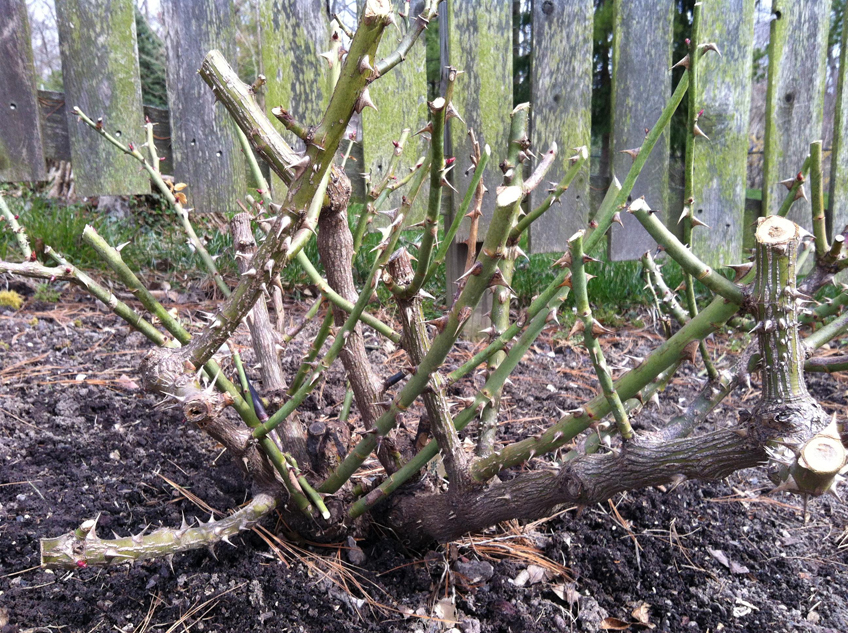
How to Make the Cut Correctly
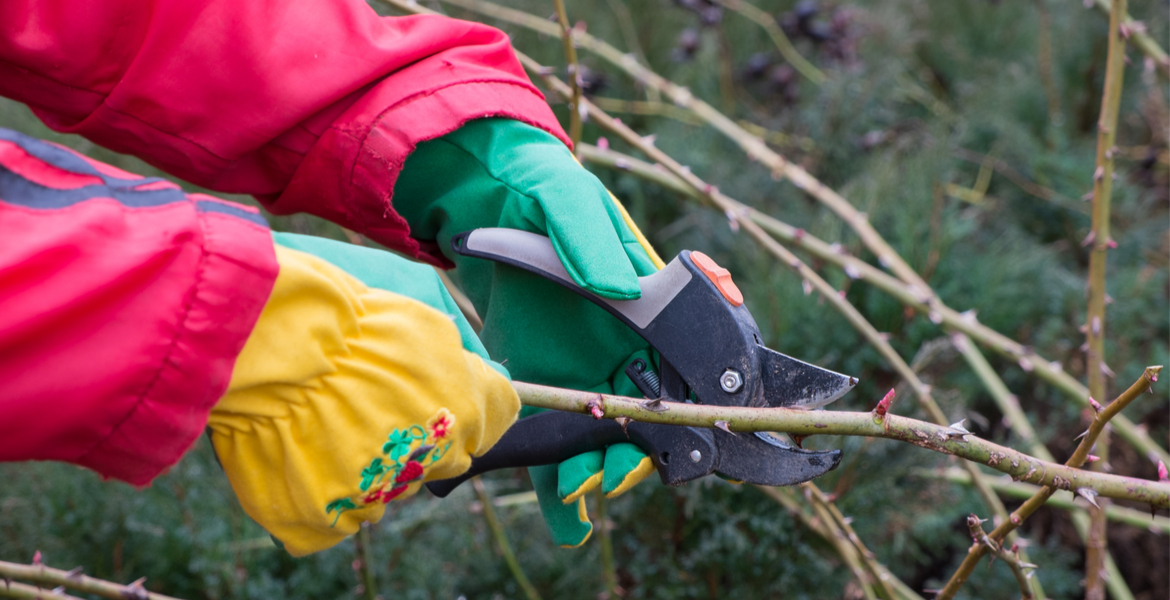
One of the most useful rules is simple: cut above an outward-facing bud.
Make the cut approximately half a centimeter above the outward-facing bud, with a slight slope away from it. Always use sharp, clean tools.
An outward-facing bud directs the new shoot away from the center of the shrub. Instead of creating more crowded growth inside the plant, this gradually produces a more open structure.
Basic Rules for Pruning Roses
- Strong, well-developed stems can be left longer, while weaker stems should be cut back more severely.
- Remove weak and underdeveloped stems, dry tips, and anything that looks damaged or has a suspicious color.
- If two branches cross or grow inward and crowd the center, one of them usually has no reason to be there.
- On older shrubs, gradually removing some of the oldest stems encourages new growth from the base.
How to Prune Different Types of Roses
Not all roses are pruned in the same way. How hard you prune depends on the type of rose, its age, and the effect you want to achieve.
Shrub Roses
With shrub roses, remove frost-damaged, dry, and weak stems. Older stems can periodically be removed low down near the base to encourage new shoots and gradually rejuvenate the shrub.
Polyantha Hybrid Roses
For these roses, the source recommends medium to fairly hard pruning - approximately back to 3-5 buds, and down to 1-2 buds on weaker stems.
Hybrid Tea Roses
If your aim is to cut roses with long stems for a vase, pruning can be more severe, leaving shorter stems.
If you prefer a fuller ornamental shrub with more flowers in the garden, leave more of the branches intact.