Table of Contents
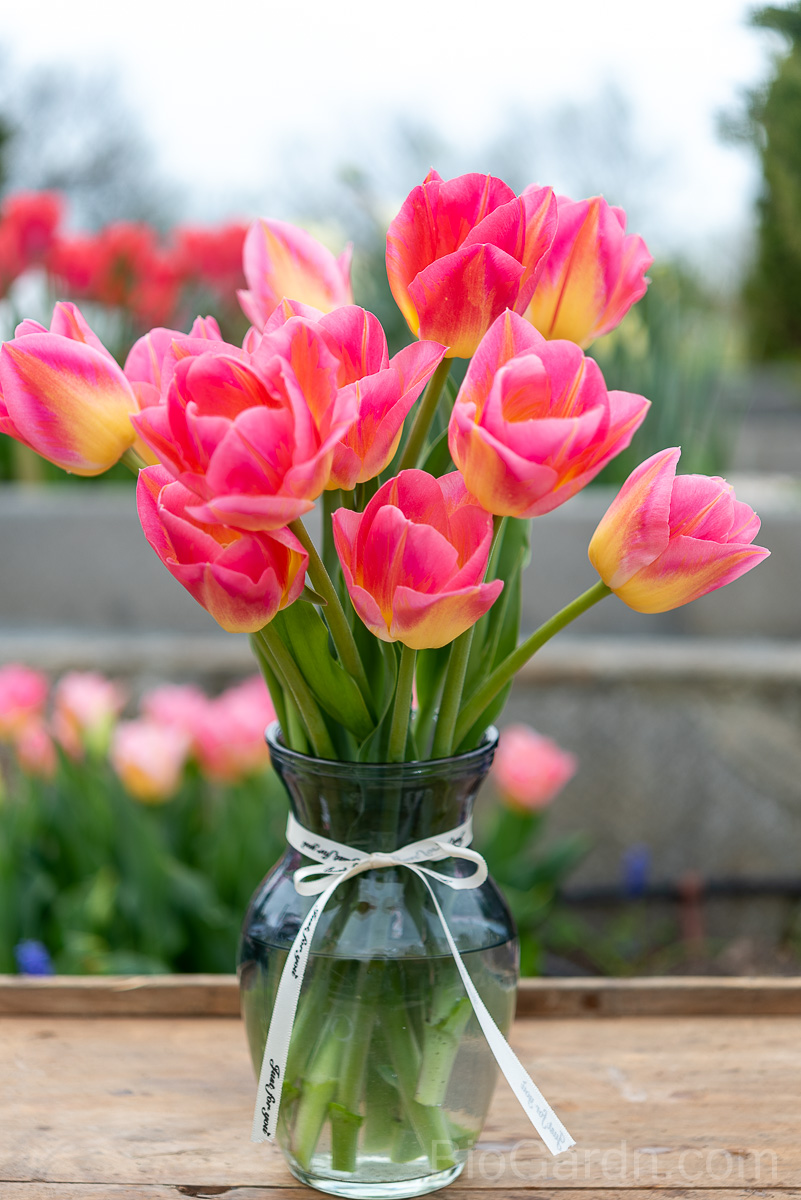
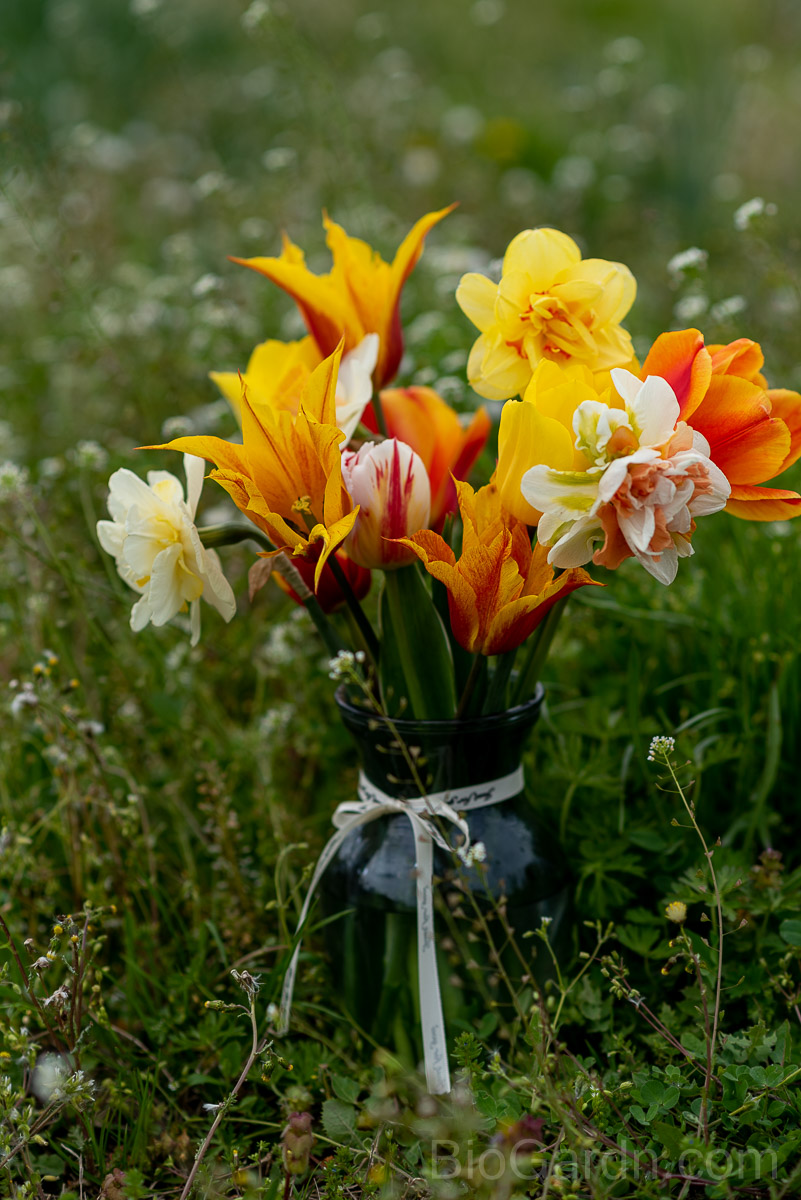
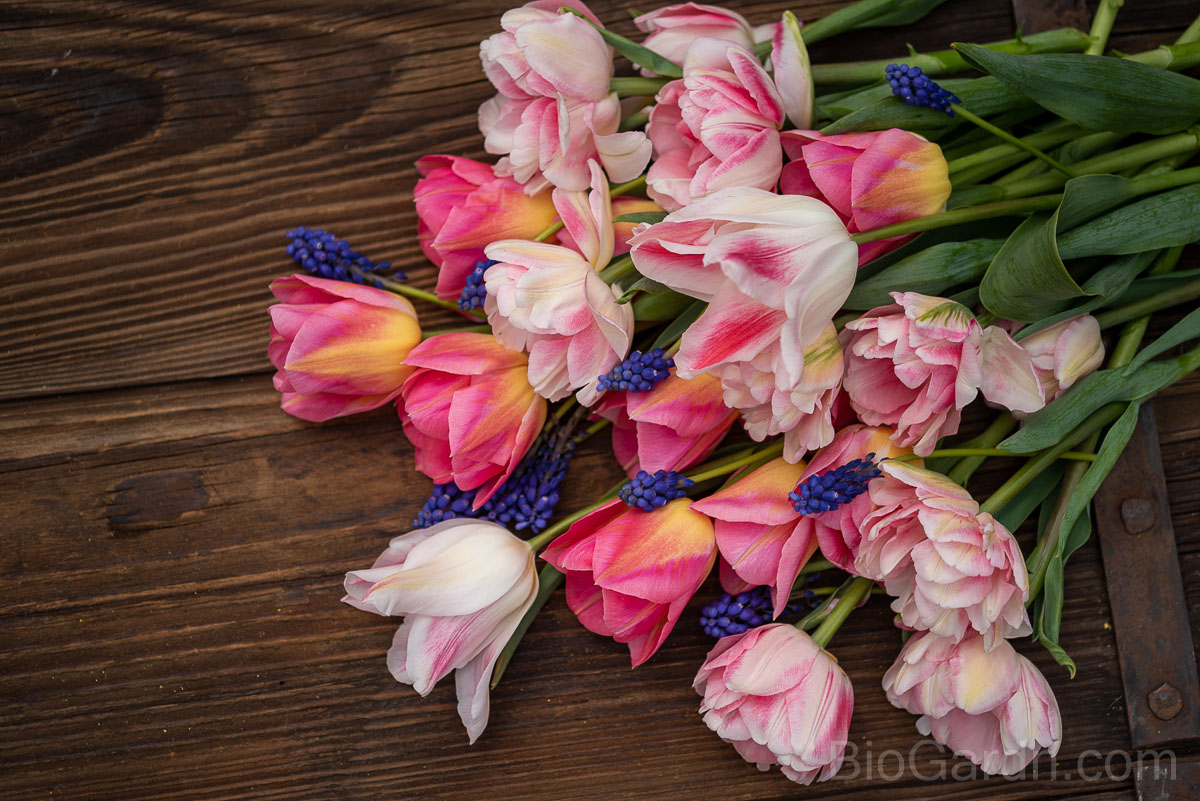
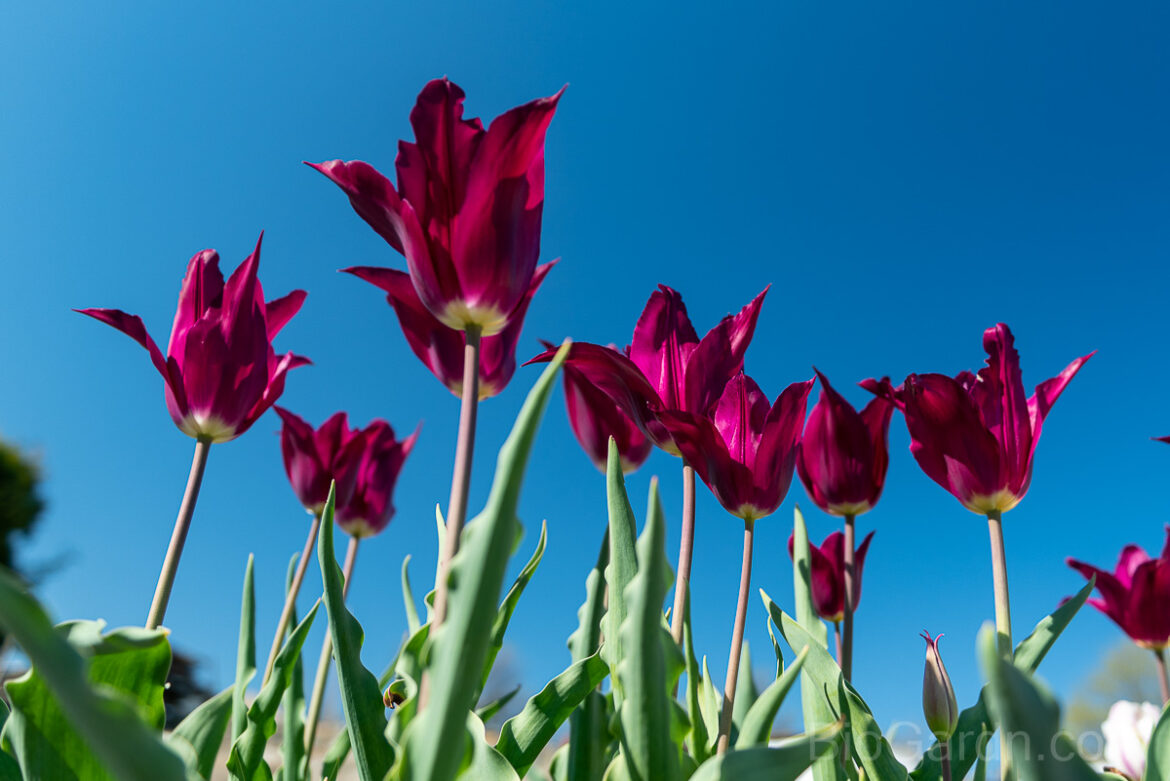
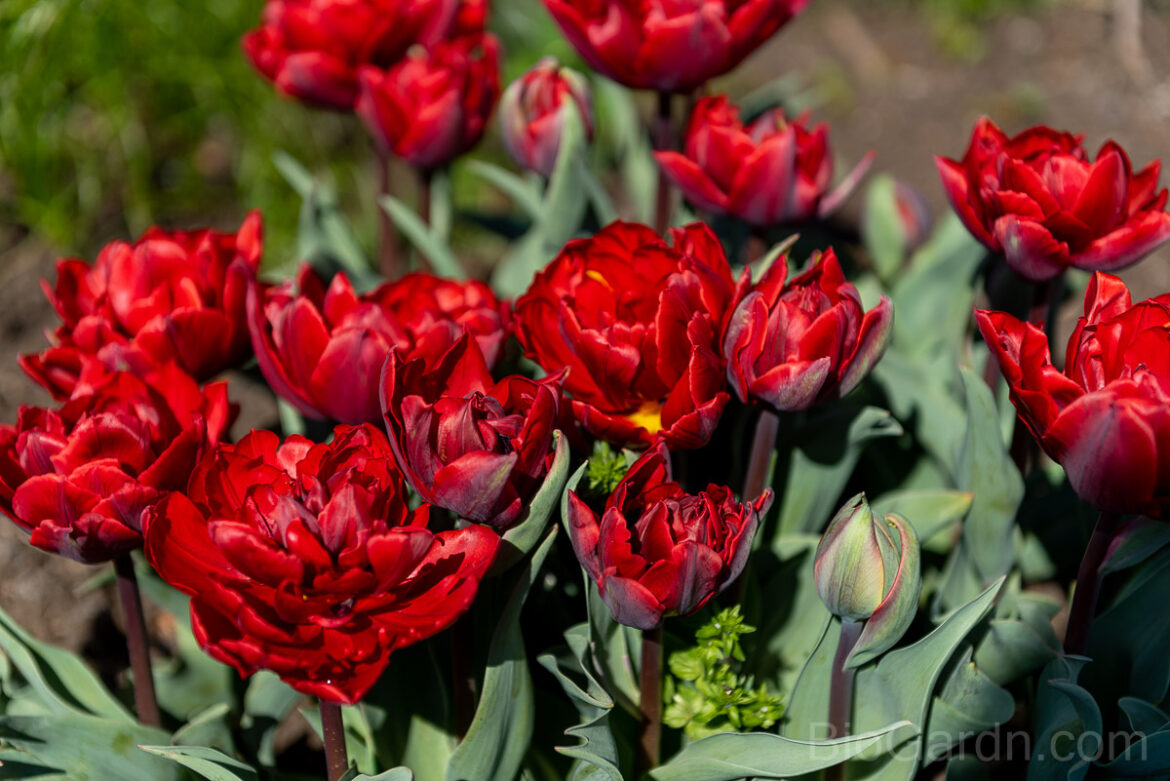
I honestly do not know anyone who does not like tulips. They are one of those spring flowers that can look completely different depending on how we plant them - formal, natural, bright, calm or almost like a flowering meadow.
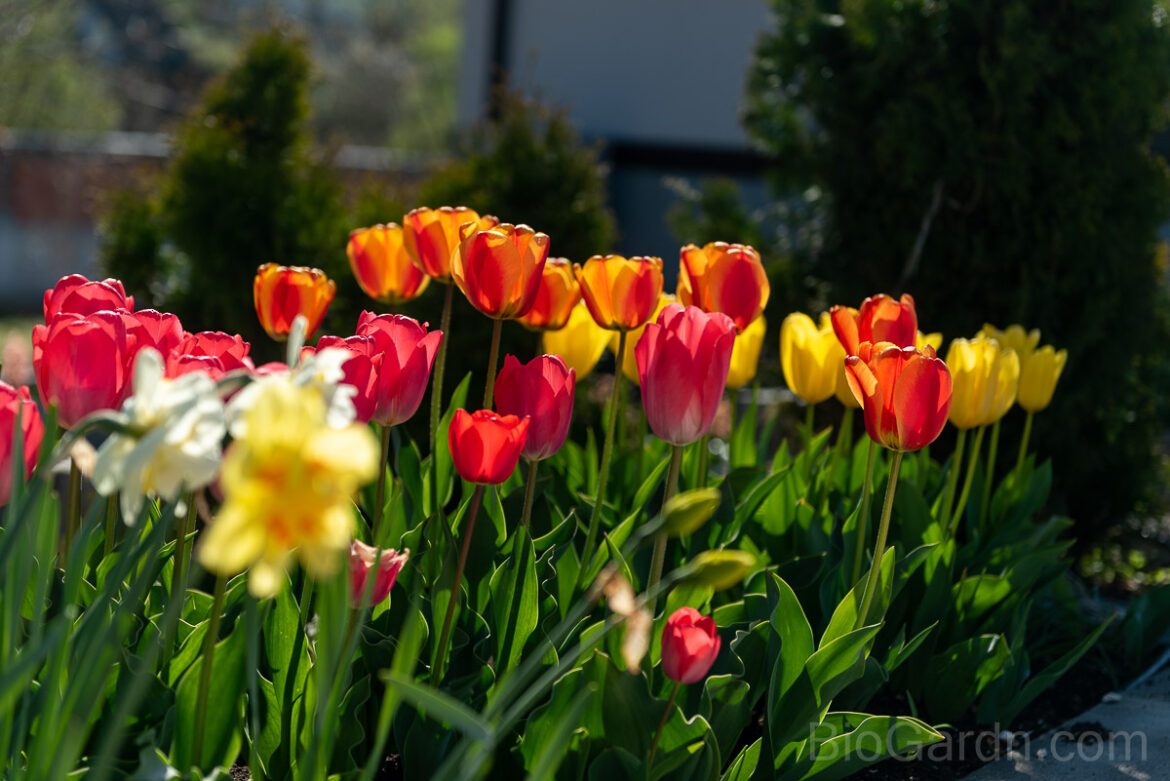
I planted quite a few varieties in my experimental garden, and one thing I became convinced of is that I do not like the “soldier effect.” I prefer the bulbs to be planted in groups and fairly close together.
But a beautiful display begins with something much more practical: the right soil, the right planting depth and the right time to plant.
When to Plant Tulips
Tulip bulbs are planted in fall, and in my original practice the general guideline is to plant them at least about a month before the ground freezes.
Until planting time, the bulbs should be stored in a cool, dry place.
In the original material, the recommendation is to keep the bulbs at a temperature below about 18°C until it is time to plant them.
What Kind of Soil Do Tulips Like?
The most important requirement is good drainage. The bulbs should not remain for long in wet or waterlogged soil.
Sandy soil enriched with organic matter is a good option. In the original recommendation, the suggested pH is approximately 6.0 to 6.5.
How Deep Should Tulip Bulbs Be Planted?
As a general guideline, I use one very simple rule: plant the bulb at a depth of about three times its diameter.
For larger bulbs, the recommendation in my original text is approximately 15 cm. If the specific variety comes with planting instructions on the label, those should also be taken into account.
And if you do not want the flower bed to look as though it is lined up for morning inspection, avoid planting every bulb at exactly the same distance in a perfectly straight row.
How I Plant Tulips for a More Natural Look
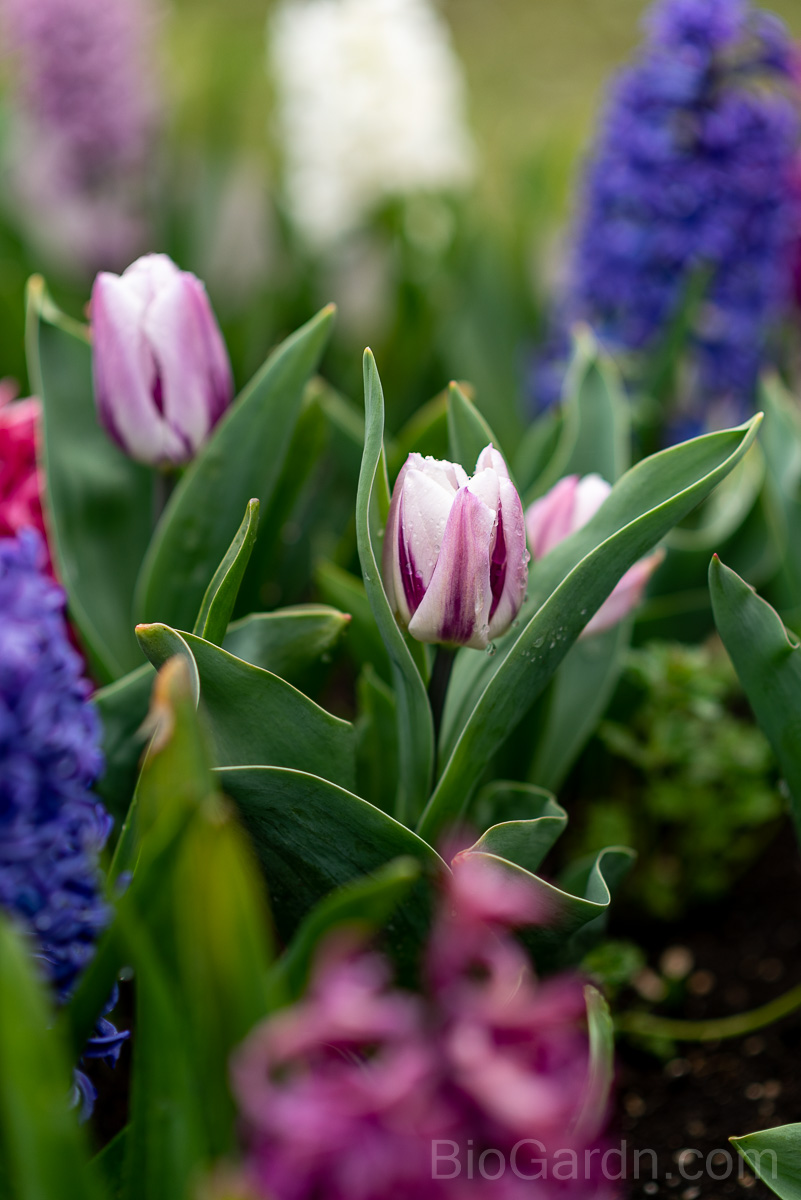
Instead of spacing them individually at equal distances, I prefer to plant them in groups.
This creates stronger blocks of color in spring and gives the bed a more natural, less artificially arranged appearance.


Which Tulips Can Perform Well in the Following Years?
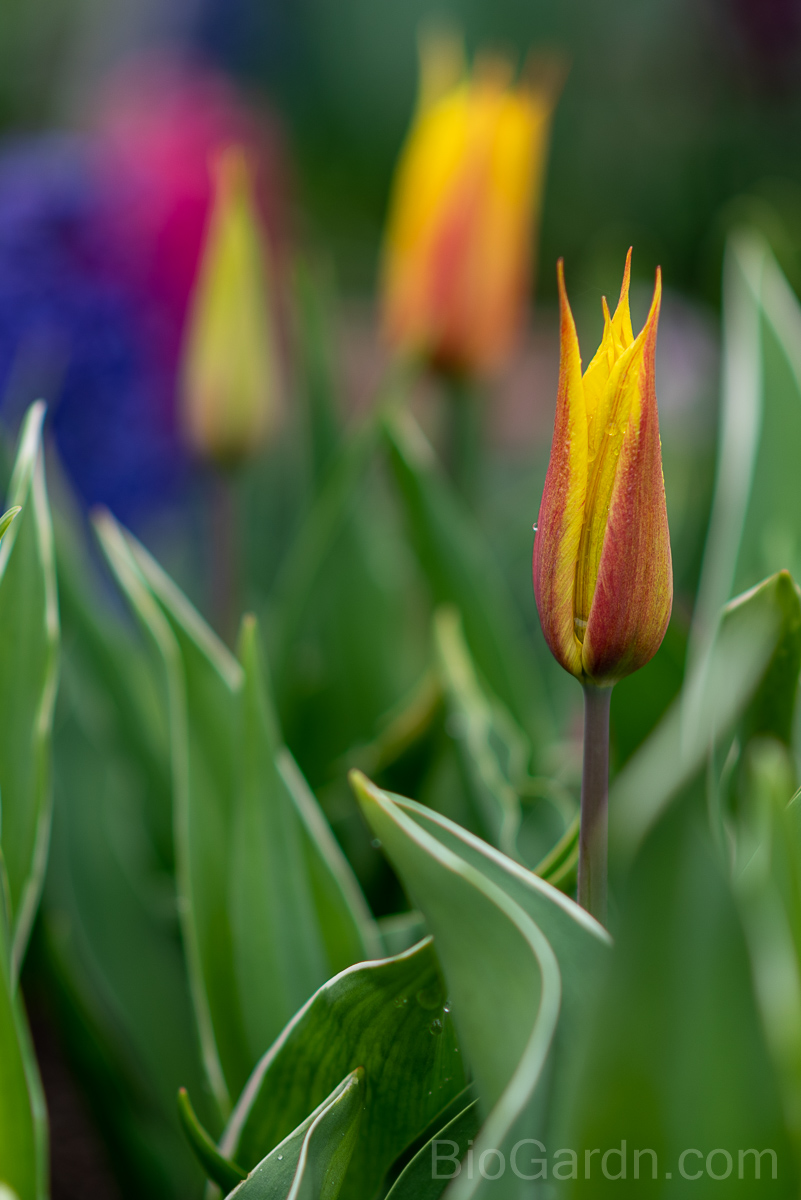
Not all tulips behave the same way after their first season. Some mid-season and late-flowering varieties can produce a magnificent display in the first or second year and then gradually become weaker.
In my original material, several groups are mentioned as being more suitable for perennial growing, including Darwin hybrids, Fosteriana, Greigii and Kaufmanniana tulips.
What I Do After Tulips Finish Flowering
If I want to keep the bulbs, their care does not end with the last flower.
Why I Don't Cut the Leaves Immediately
Once flowering is over, the blooms are no longer the interesting part, but the leaves still have an important job to do.
If I want the bulb to build up reserves for the following season, I allow the foliage to complete its natural cycle and remove it only after it has turned yellow.
This is perhaps the least attractive part of growing perennial tulips: the flowers are gone, but the foliage needs to remain for a while longer.
Summer Moisture Is a Bigger Problem Than It Seems
If the tulips remain in the ground after flowering, I need to think carefully about what I plant around them.
A flower bed that requires constant watering throughout summer is not the best place for tulip bulbs that remain in the soil. In my original text, prolonged summer moisture is specifically mentioned as a cause of bulb rot.
Tulips Need a Cold Period Too
A period of cold is part of the bulb's natural growing cycle.
The original material explains that if the bulbs do not receive a sufficiently long cold period, flowering may be weak or may not happen at all.
It also describes the option of pre-chilling the bulbs when the natural conditions do not provide enough cold.
If I Pre-Chill the Bulbs
The bulbs should be dry and kept away from fruit and vegetables. In the original text, the reason given is the ethylene gas they release, which can damage the developing parts inside the bulbs.
For pre-chilling, the original recommendation is a period of around ten weeks or more at approximately 6-7°C, after which the bulbs should be planted immediately.
Keep the Bulbs or Start Again?
At the end of the season, there are essentially two different approaches.
The Most Important Things to Know About Growing Tulips
Tulips seem like easy plants to grow - we bury the bulbs in fall and wait for spring. And in a way, that really is true.
The difference between a few random flowers and a truly beautiful spring display, however, comes down to the details: good soil, the right planting depth, sensible watering and deciding how you want the plants to look as a group.
With tulips, a little planning in fall turns into a lot of color in spring.