
There are cities where greenery is left somewhere “in between”- along the sidewalk, around a parking lot, between two buildings. And then there are cities where plants are part of the very idea of the place.
Washington is a garden.
Gardens are part of the experience of the city -especially around the National Mall, where museums, monuments, government buildings and wide avenues coexist with a carefully designed green environment.
And right there, very close to the Capitol, is the United States Botanic Garden — the Washington Botanic Garden. A place where you step into another world: humid, green, shaded, full of orchids, palms, succulents, ferns and those small botanical surprises that immediately make the photographer in me start looking for an angle.
A little history, without dust on the pages
The Washington Botanic Garden is one of the oldest botanic gardens in North America and is considered the oldest continuously operating public botanic garden in the United States. It was established in 1820 by an act of Congress — a fact that says a lot about the way America imagined its capital from the very beginning: not only as a place of power, but also as a place of knowledge, plants, science and public access. (United States Botanic Garden)
Today’s conservatory was completed in 1933, and since 1934 the Garden has been administered through the Architect of the Capitol- the institution responsible for the buildings and grounds around the Capitol. (aoc.gov)
But those are the dry facts. The place itself does not feel dry at all.
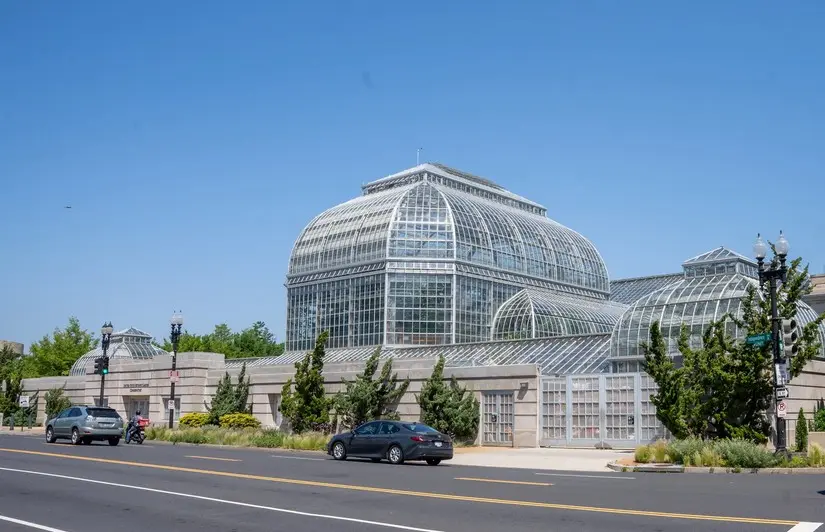
Even before you enter, the conservatory building catches the eye — a large glass structure that feels somehow both historical and very alive. Outside is Washington: wide boulevards, cars, institutions, tourists, hot sky. Inside – humidity, greenery, shade and the feeling that time has slightly slowed down.
What you can see inside
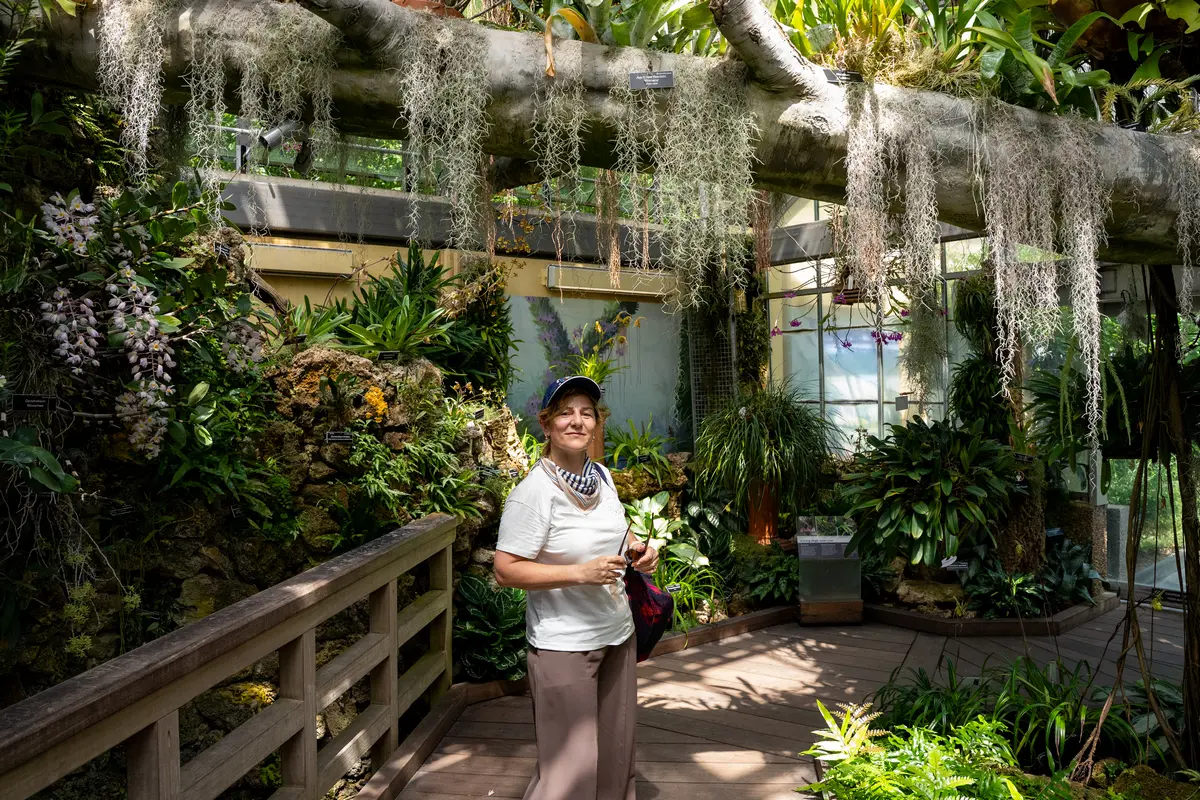
The heart of the botanic garden is the Conservatory – the large glass greenhouse with different themed rooms. Inside, there are tropical plants, desert species, orchids, ferns, palms, succulents and many plants that a person would not usually encounter in an everyday urban environment. The historic conservatory includes two interior courtyard spaces and 10 garden rooms under glass. (aoc.gov)
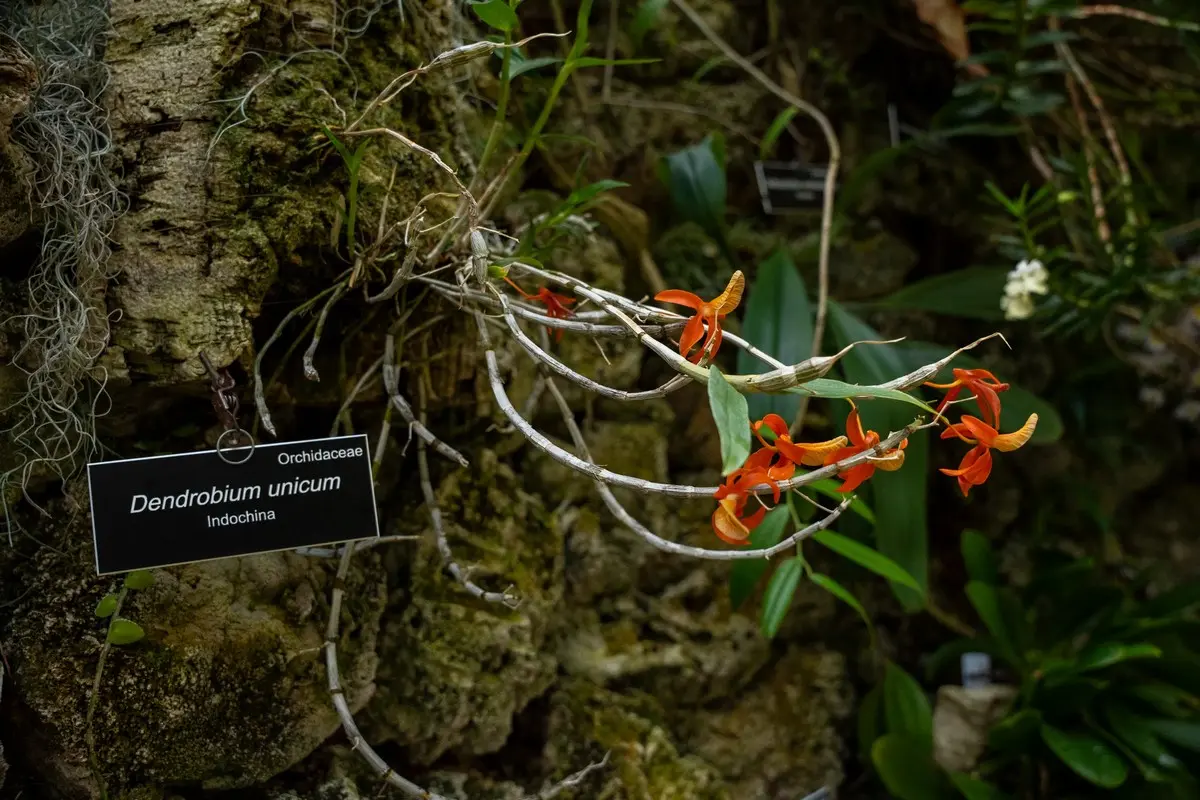
The plants are not simply arranged to be displayed. They are arranged in a way that creates an environment. You pass by stones, mosses, old branches, hanging air plants, small labels with Latin names, orchids that seem to be placed in their own little scene. In general, all Washington museums impress with the curators’ talent for displaying everything as miniature scenes – colorful, delightful, accentuated.
Orchids – small botanical portraits
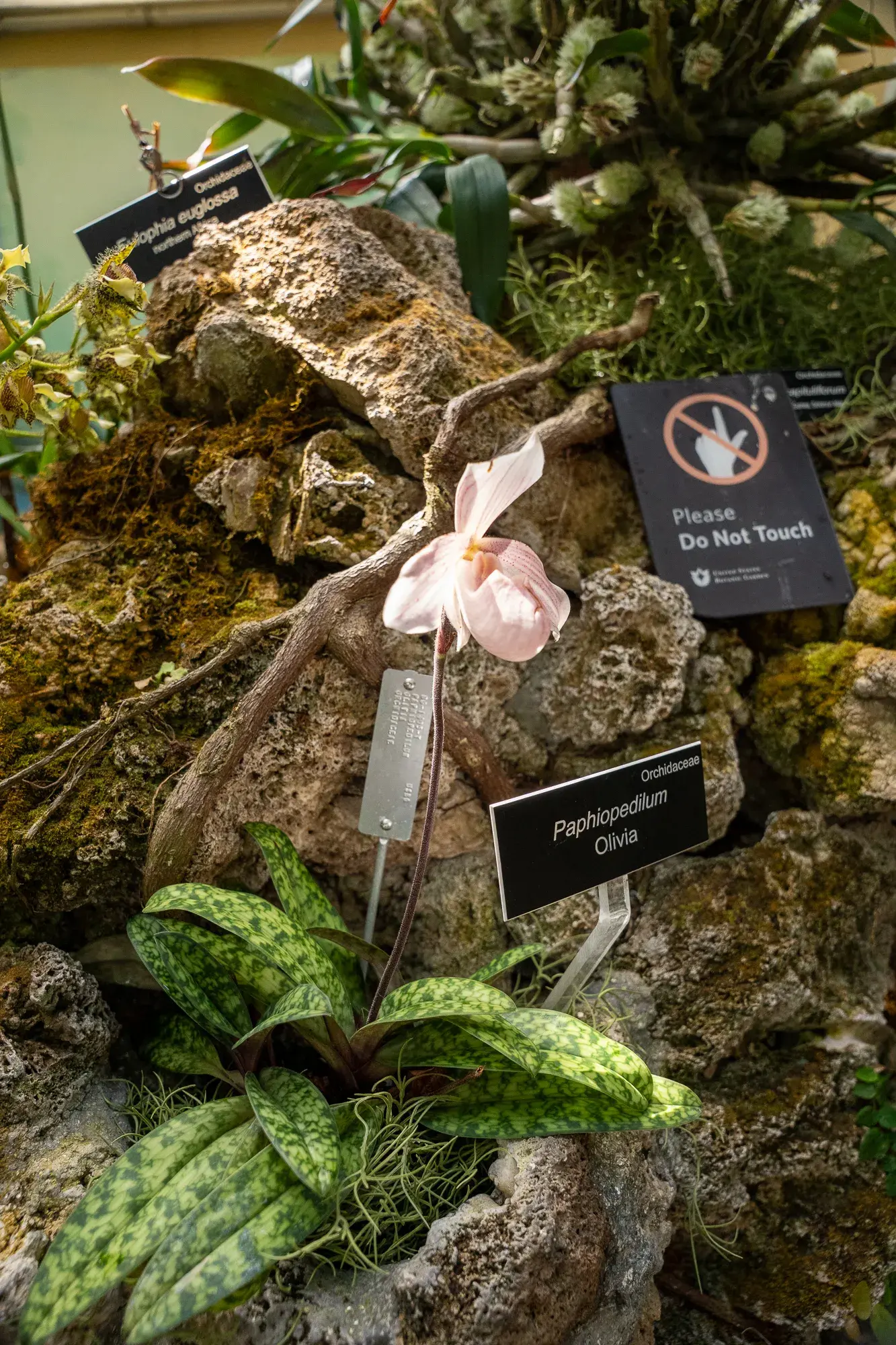
Orchids always have something theatrical and surprisingly fascinating about them. Each one simply looks like a carefully imagined character.
I was especially impressed by those that were not displayed as “flowers to admire,” but as part of a natural composition — with stones, moss, bark, shadows and labels.
This is exactly what I like about well-designed botanic gardens — they do not simply show beauty. They give it context.
When you look at a plant this way, you begin to perceive it differently. Not as a “flower,” but as a living organism with origin, needs, character and a place in a larger story.
Succulents, palms and an urban jungle under glass
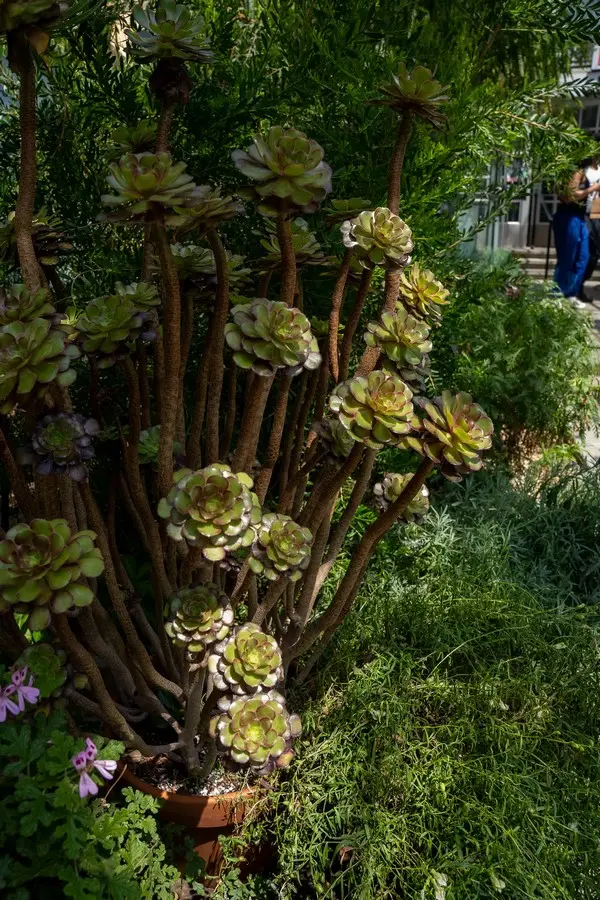
In another part of the Garden, my attention went to the succulents — those plants that always look a little sculptural. They have a different aesthetic: they are not airy, not romantic, but architectural. From the tenderness of orchids to the firm, almost graphic beauty of succulents. This botanic garden does exactly that: it does not let you look at the same thing for too long, but leads you through different climatic and visual worlds.
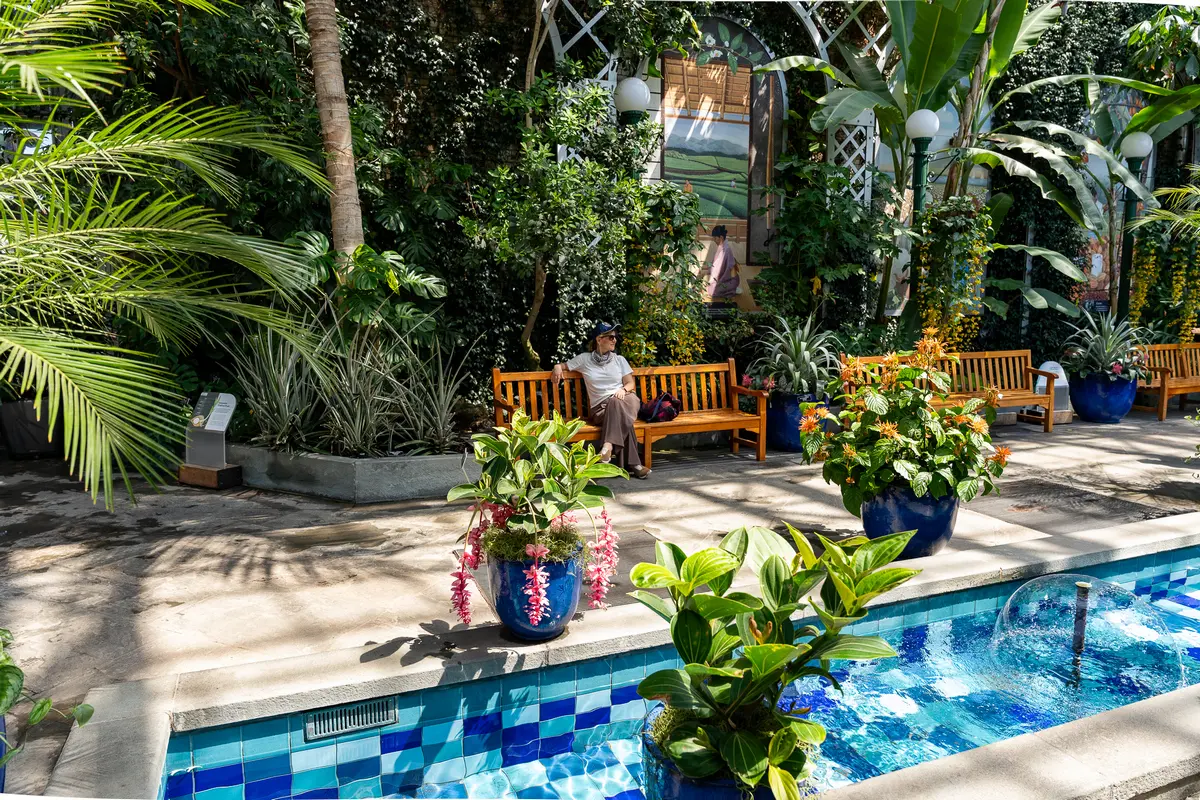
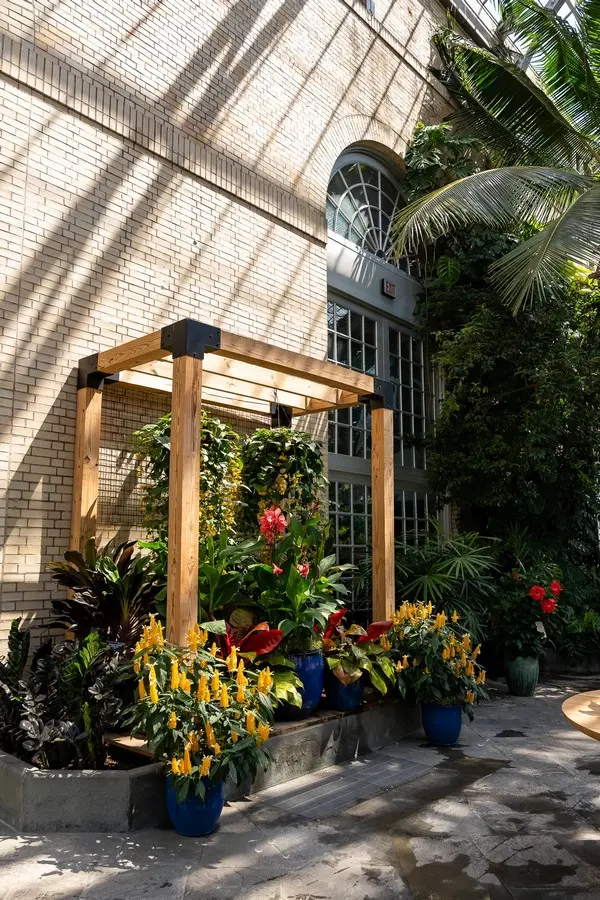
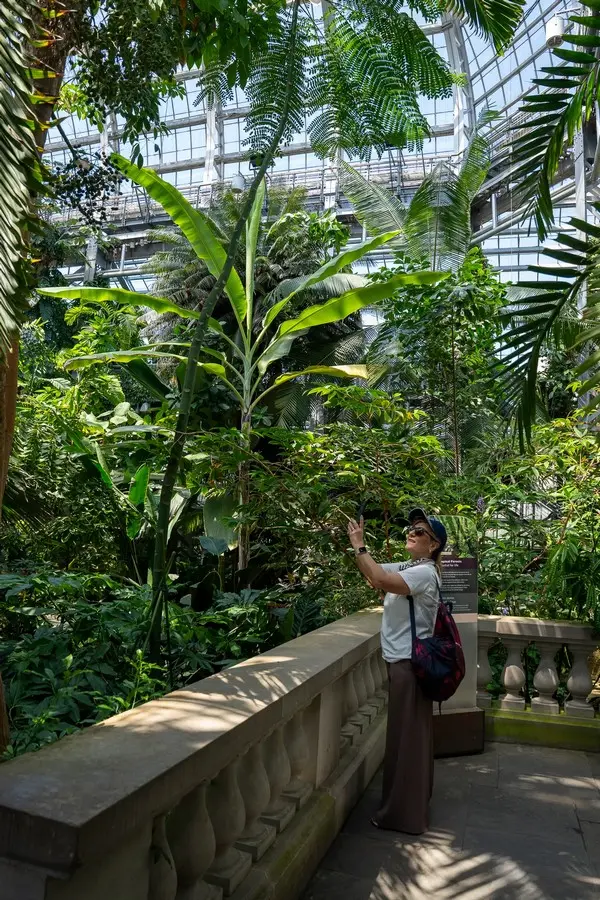
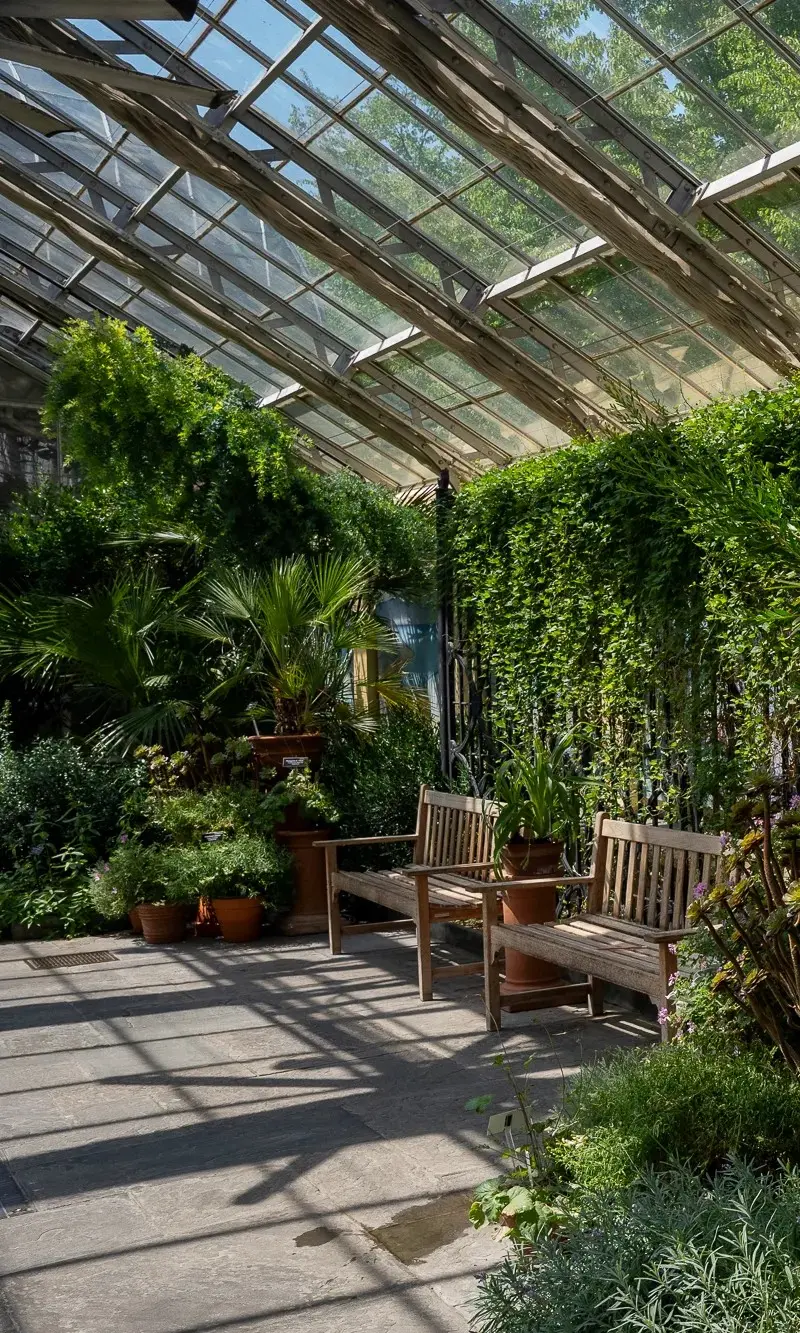
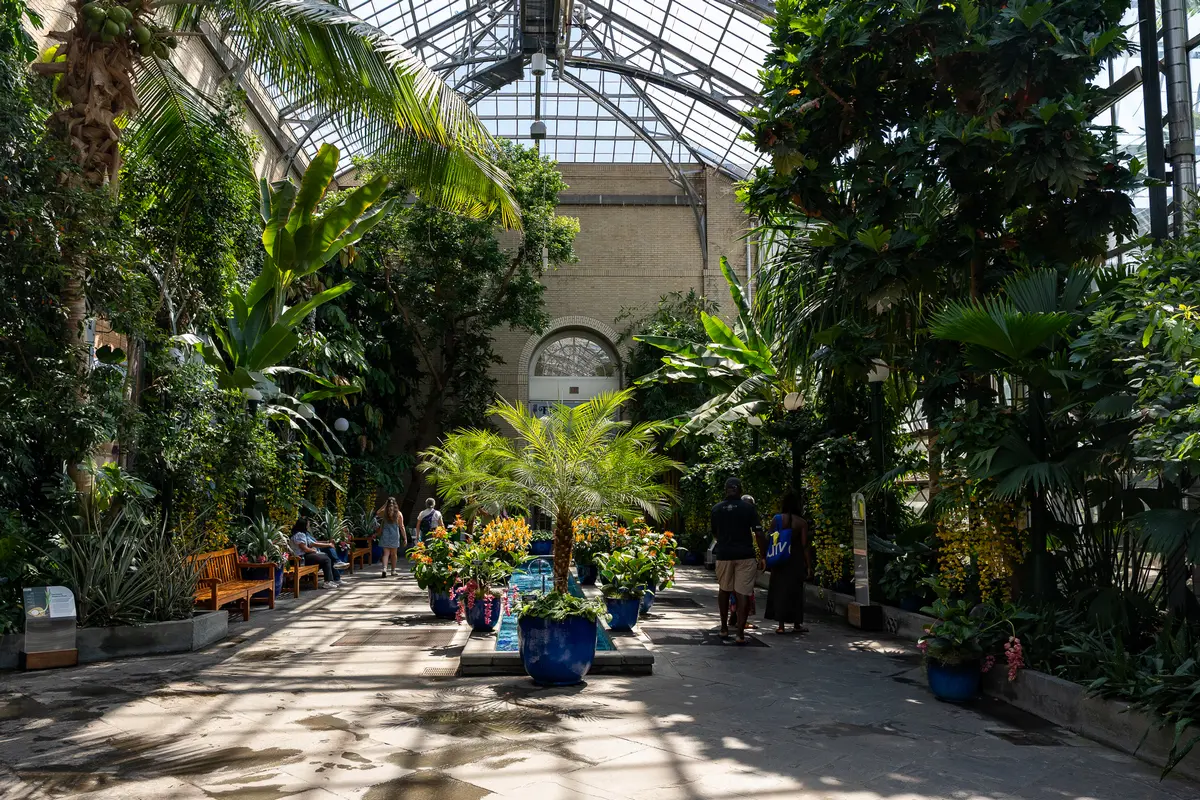
Then come the palms, the large leaves, the shadows on the walls, the arched windows, the blue pots, the wooden benches. And suddenly the place is no longer just a conservatory. It becomes an urban refuge.
A space for tourists, but not a tourist trap
It is more of a place where you can step inside for half an hour, take a walk, rest from the heat and the long distances of Washington, look at the plants and leave with the feeling that you have seen something more than beautiful greenery.
It is especially pleasant that the Garden is in such a central location. You can combine it with a walk around the Capitol, the National Mall or the nearby museums. This makes it a very convenient stop — you do not need to plan an entire day for it, but it can easily turn out to be one of the most memorable places of the day.
Children’s and school groups in the Garden
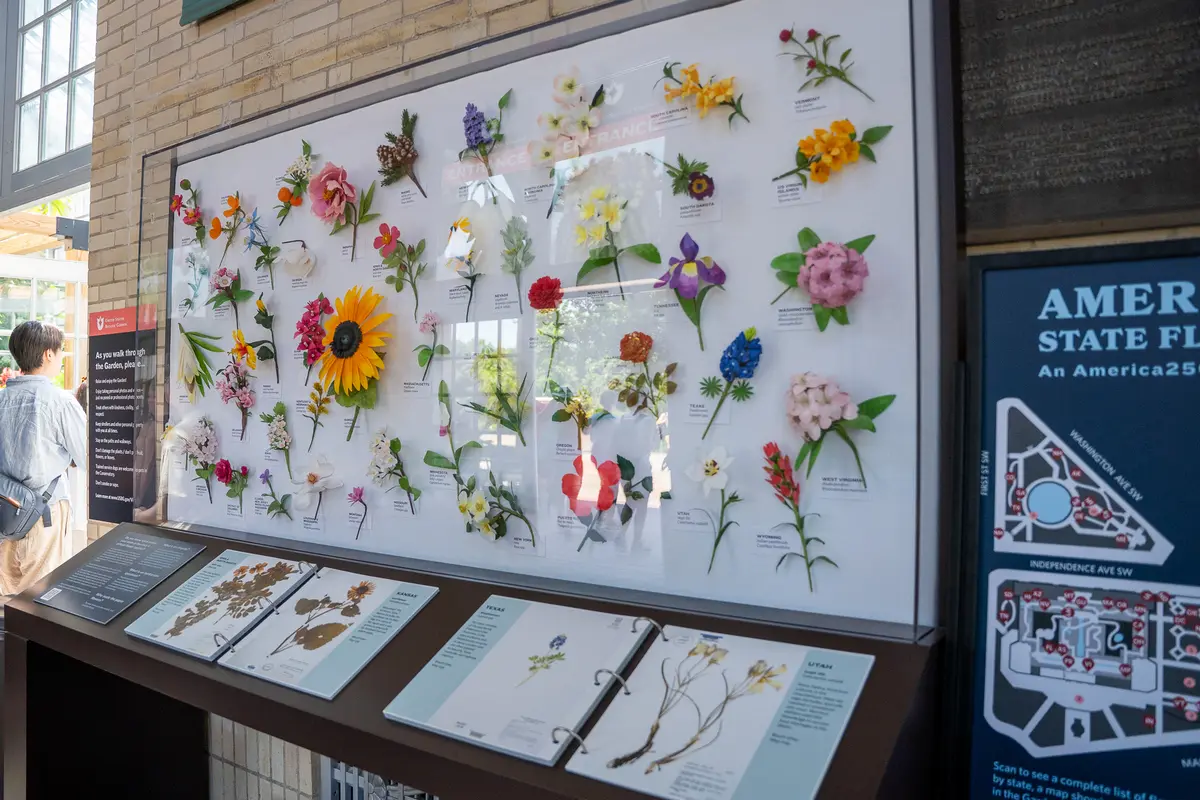
One of the sweetest things to observe in this Garden is the children’s and school groups. They come in an organized way, with teachers, small backpacks, curiosity and that lively distraction that makes children so real.
You can see that visits like this are part of their education — not just a walk, but a lesson among plants. The children move between tropical leaves, labels, orchids and succulents, ask questions, point, stop in front of something strange and then follow the group again.
It is terribly sweet to watch them right there — in this official capital, next to the Capitol, among such a carefully maintained living collection. Learning nature not only from a textbook, but by seeing it, smelling it and experiencing it, seems to me one of the most beautiful ways to remember something.
“Some lessons do not happen in a classroom. They happen among leaves, labels, light and curious children’s eyes.”
What impressed me personally
First — the light.
In the conservatory, the light is not flat and boring. It falls through the glass roofs, passes through the leaves, draws shadows across the brick walls and paths. As a photographer, this is exactly what makes me stop constantly. Not only the flowers, but the light on them.
Second — the way the plants are presented. The Garden looks alive, not like an exhibition showcase.
Third — the details. The small labels. The stones. The moss. The roots. The paths. The benches. The hanging plants. It is not decoration, but a living collection.
And fourth — the feeling that in such an official city there is a place where plants are placed at the center of attention.
Why it is worth visiting
The Washington Botanic Garden is not the largest place you will see in Washington. It will not take you an entire day. But that is exactly why it is such a good stop.
It is compact, rich and very different from the monumental scale of the city. After the large museums, wide avenues and monuments, this place feels almost like a green pause.
I would recommend it especially to people who:
- love plants and botanic gardens;
- photograph flowers, architecture or details;
- travel during a warm season and need a cool stop;
- want to see something beautiful, but not too exhausting;
- are looking for a quieter place in the center of Washington;
- love conservatories, orchids, tropical plants and succulents.
If you have a camera, be prepared to stop often. If you do not have a camera – you will still stop. You will simply have fewer excuses.
Small tips for visiting
Give yourself at least 45 minutes to an hour. If you love photography, you may stay longer. The light inside changes depending on the time of day, and some angles are much more beautiful when the sun enters from the side.
It is good to pay attention not only to the large plants, but also to the small compositions — the orchids, epiphytes, mosses, succulents. They are often the most interesting to photograph.
My feeling after the visit
I left the botanic garden with that pleasant feeling that I had seen something meaningful without feeling tired.
Washington is a city of great symbols. The Capitol, the monuments, the museums, the wide spaces – everything speaks loudly. The Botanic Garden was a green pause. A space where a person can look at leaves, roots, flowers and light – and, for a little while, not hurry.
And for me, that is always a sign of a good city.
A city that not only shows its history, but also leaves room for life.
Things to Do in Washington, D.C.
If you are planning a visit to Washington, D.C., this selection can help you find guided tours, museum experiences, city walks, and other activities worth adding to your itinerary.
