
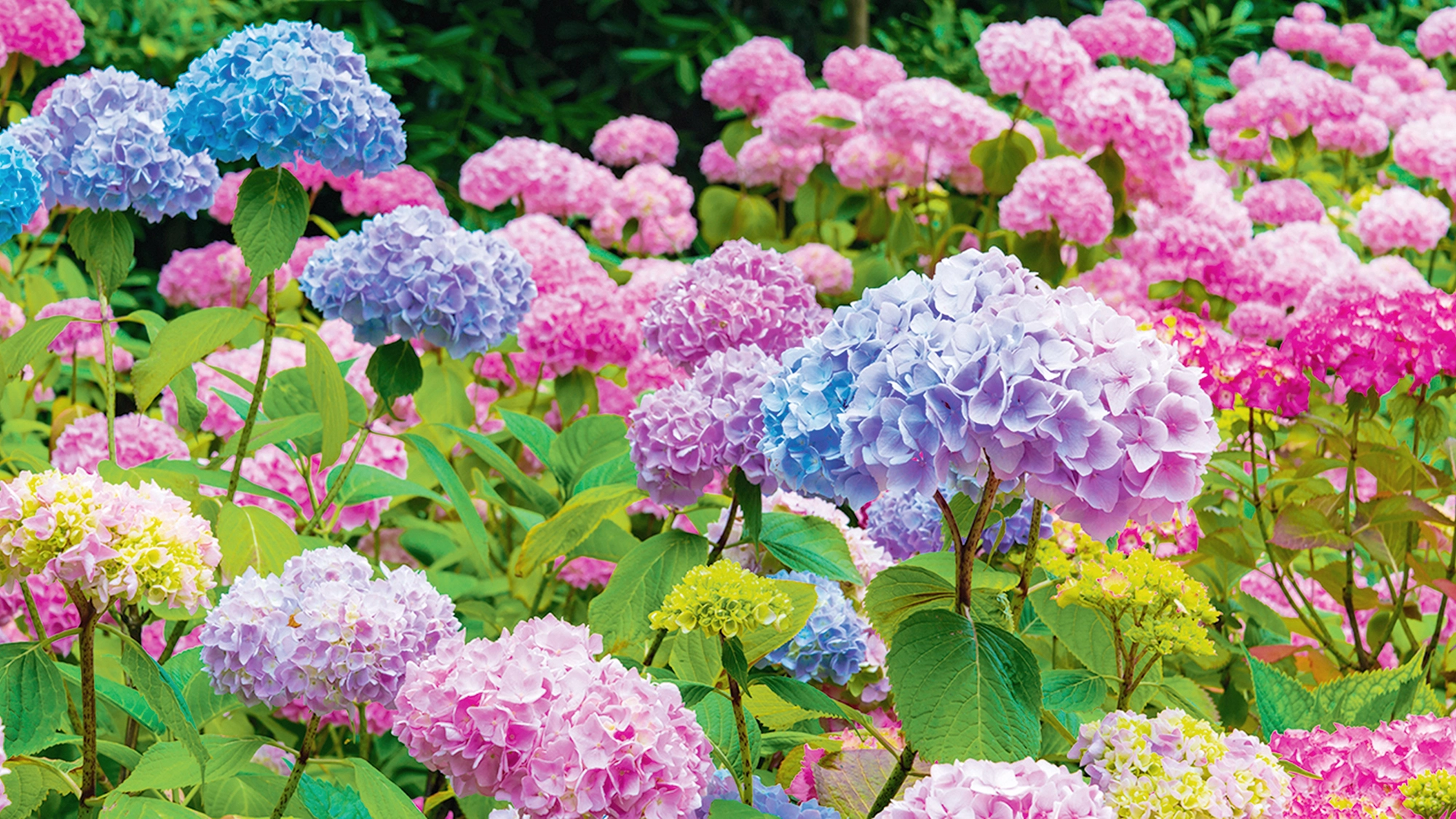
Some plants simply fill an empty space in a border. Others gradually begin to define the character of the whole garden.
Hydrangeas belong firmly to that second group. A well-established shrub can create such a strong presence that the rest of the planting almost naturally begins to organise itself around it.
But with hydrangeas, there is one important rule: we need to know which type we are growing. Different Hydrangea species do not have identical needs for sun, pruning or winter protection.
A hydrangea can become the main character of a garden, but only when the species and the position are well matched.
What Is Hydrangea?
Hydrangea is a genus of ornamental shrubs and climbing plants, native mainly to Asia and North America.
In gardens, we most often encounter bigleaf hydrangea (Hydrangea macrophylla), panicle hydrangea (Hydrangea paniculata), smooth hydrangea (Hydrangea arborescens) and oakleaf hydrangea (Hydrangea quercifolia).
They can differ considerably in size, flower shape, cold hardiness and light requirements.
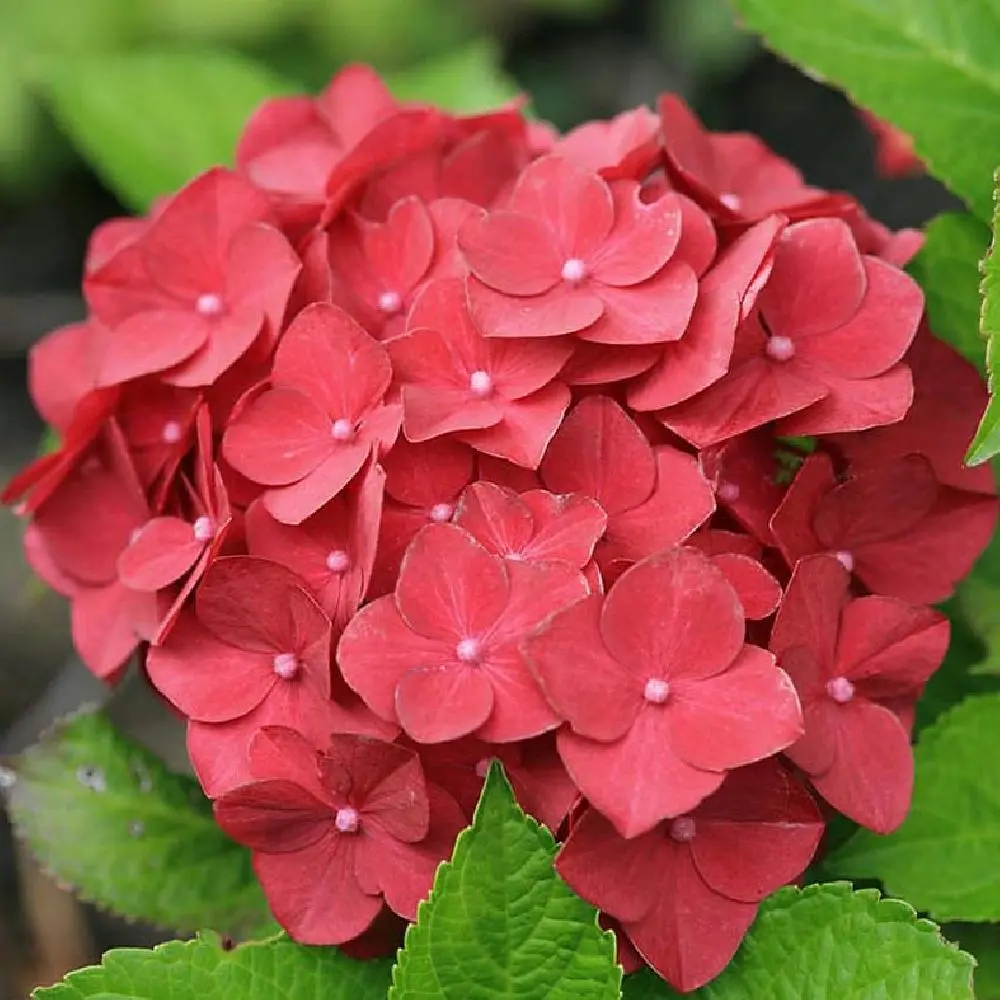
Flower colours may include white, cream, green, pink, reddish tones, blue or purple, depending on the species and cultivar.
Not All Hydrangeas Are Grown the Same Way
This is the most important point I would make before talking about care.
Hydrangea macrophylla usually benefits from protection from the strongest afternoon sun in hot climates.
Hydrangea paniculata tolerates more sun and often flowers best in a bright position, provided it receives enough moisture.
Oakleaf hydrangea is valuable for its autumn foliage as well as its flowers, while smooth hydrangeas can be very reliable in colder regions.
With hydrangeas, this is especially important. The species determines how much sun is suitable, how pruning should be handled and whether flower buds are produced on old or new wood.
What Hydrangeas Need to Grow Well
Most garden hydrangeas prefer fertile soil rich in organic matter, which holds moisture while still draining well.
Prolonged waterlogging is not desirable, but severe drying during summer can also affect the leaves and flowers very quickly.
Mulch is particularly useful because it helps the soil maintain more even moisture around the roots.
Watering, Feeding and Pruning Hydrangeas
Hydrangeas have relatively large leaves and can show signs of water stress quickly in hot weather.
I prefer deeper watering around the root zone rather than frequent light surface watering.
Spring compost can provide a good foundation in fertile soil. If I use fertilizer, I would avoid excessive nitrogen.
The most important subject, however, is pruning.
Some hydrangeas form flower buds on older stems, while others bloom on new growth.
Hard pruning at the wrong time can remove a large part of the following season's flowers.
Dry, damaged or obviously dead stems can be removed.
Panicle and smooth hydrangeas can be managed differently from many bigleaf cultivars.
With hydrangeas, incorrect pruning can be a bigger problem than not pruning at all.
Common Mistakes When Growing Hydrangeas
Another mistake is assuming that every bit of wilting on a hot afternoon automatically means the plant should be flooded with water.
Temporary drooping can happen during extreme heat, but if the plant does not recover as temperatures fall or the soil is dry, then I would check the moisture level.
How Hydrangeas Look Through the Seasons
Where I Would Use Hydrangeas and What I Would Plant with Them
Hydrangeas are strong enough to be used as a main focal point, but they also work beautifully in larger groups.
- as a specimen shrub;
- in a group of several hydrangeas;
- in front of taller trees or shrubs;
- in a partially shaded border;
- along a fence;
- in a larger mixed shrub planting.
For companion plants, I would look for species with similar needs for soil moisture and light.
- Hosta;
- Astilbe;
- Heuchera;
- Ferns;
- Japanese anemones;
- Brunnera;
- Tiarella;
- other plants for moist partial shade.
With sunnier panicle hydrangeas, the range of companion plants can be wider, but I would still match their water requirements.
In some bigleaf hydrangeas, flower colour can be influenced by aluminium availability and soil chemistry. This does not apply equally to all Hydrangeas, and not every white or pink cultivar can simply be turned blue by changing the soil pH.
Advantages and Disadvantages
- impressive and long-lasting flower heads;
- strong presence in the garden;
- wide range of sizes and forms;
- species available for sun and partial shade;
- mature plants can be extremely ornamental;
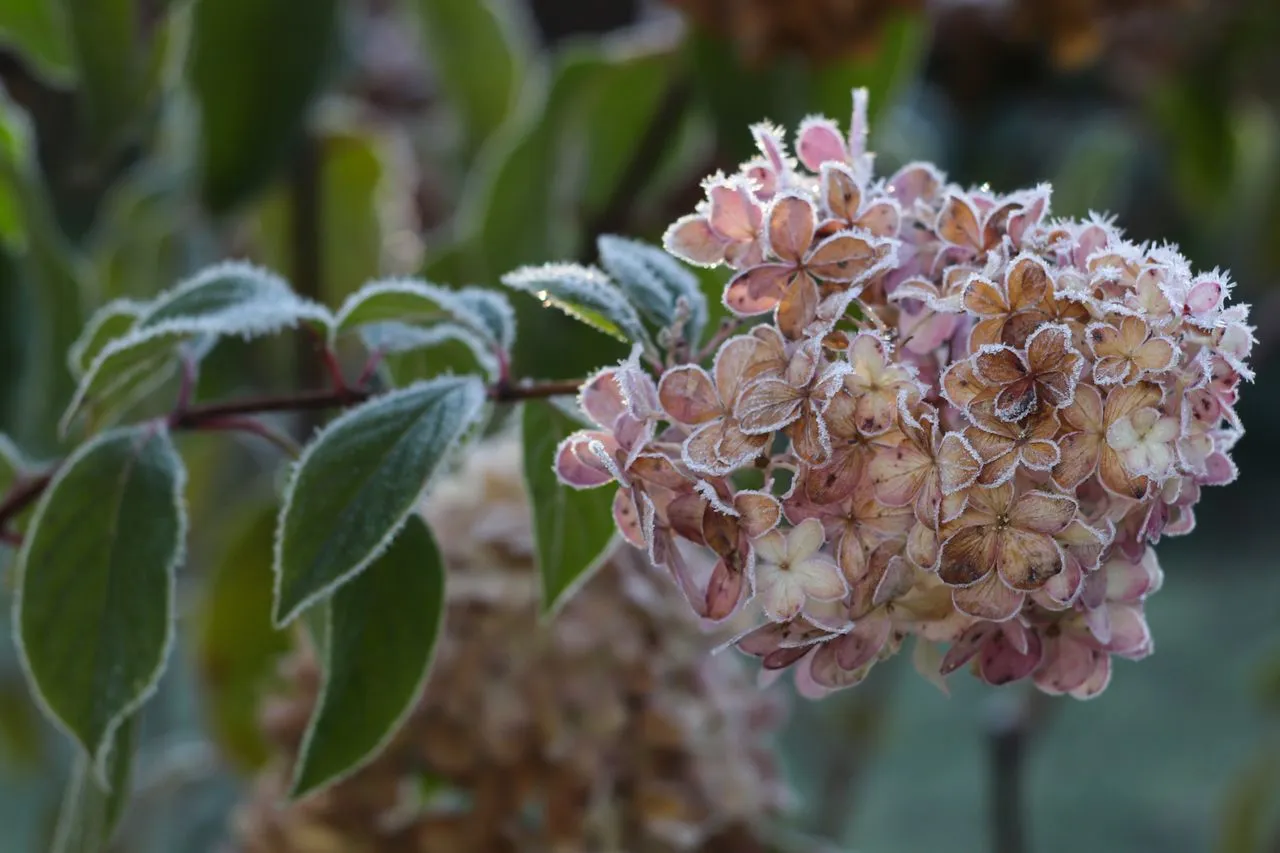
- dry flower heads can remain attractive after the main season.
- need reasonably consistent soil moisture;
- incorrect pruning can reduce flowering;
- some species struggle in strong afternoon sun;
- large shrubs need enough space;
- cold hardiness and flowering behaviour vary by species and cultivar.
Why I Think Hydrangeas Are Worth Growing
Because few shrubs can create such a strong ornamental presence in a relatively limited space.
In many temperate climates, hydrangeas can perform extremely well, but success depends heavily on the species and the exact position.
In hotter regions, I would be especially careful with afternoon sun when growing Hydrangea macrophylla, as well as with regular watering during summer heat.
For sunnier positions, I would also consider Hydrangea paniculata, which is often a more suitable choice.
If I am looking for an ornamental shrub that can become a true focal point, hydrangea would definitely be high on my list.
The important thing, however, is not simply to buy “a hydrangea”. I would choose a specific species and cultivar according to light, climate, available moisture and the size of the space.
For me, that is the real value of Hydrangea: when it is chosen well, it does not merely fill a space, but can give it character for many years.