
Vegetable Garden: Where to Start and How to Maintain It Throughout the Season
There is something very special about picking a tomato, a cucumber or a sprig of basil from your own garden.
It is not only the taste. It is not only the aroma. It is the feeling that you are taking part in a small, very earthy process — from the seed, through the soil, to the first salad on the table.
A vegetable garden often seems more complicated than it really is. Especially in the beginning, when you start reading about seedlings, crop rotation, fertilizing, blight, watering, mulching and ten other things that sound like an agronomy exam.
The truth is simpler.
A good vegetable garden begins with a few basic decisions: where it will be, what kind of soil we have, what we can realistically maintain, and which plants are worth growing first.
“The best vegetable garden is not the biggest one, but the one we have the energy, time and desire to care for.”
If you start with the idea of planting everything you have ever seen in seed catalogs, you will probably be exhausted before July. If you begin reasonably — with a few crops, good soil and easy access to water — the garden will start working with you, not against you.
The First Question: Where Should the Vegetable Garden Be?
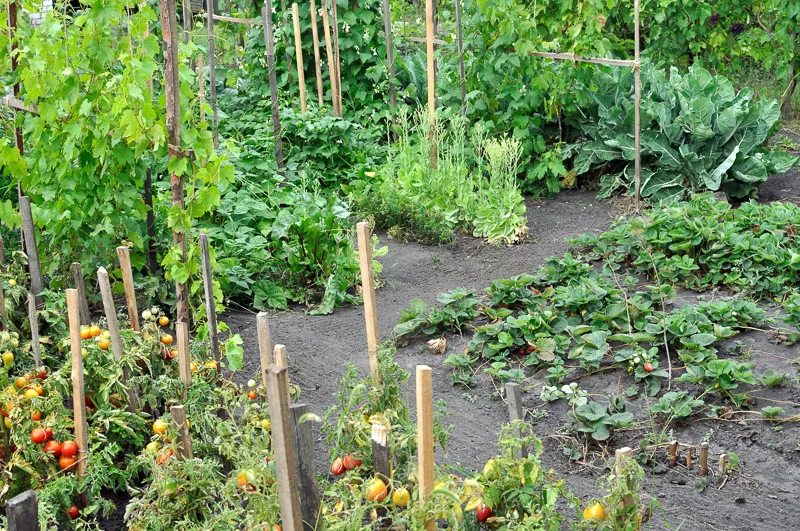
Location is one of the most important decisions. We can improve the soil, add compost, build raised beds, but we cannot easily compensate for deep shade or constant waterlogging.
Most vegetables need at least 6 hours of direct sunlight per day. Tomatoes, peppers, cucumbers, zucchini and eggplants love light and warmth. If we place them somewhere that receives sun only briefly, the plants may grow, but they will produce poorly.
- Choose a sunny and well-ventilated place.
- Avoid areas where water stays after rain.
- Leave comfortable paths for walking, watering and harvesting.
- Do not place the garden too far from a water source.
- Think in advance where shade from trees, fences or buildings will fall.
Many beginners make the mistake of choosing a place “where there is free space.” But a vegetable garden does not need just free space. It needs a convenient, bright and easily observable place.
If you have to walk across half the yard with a watering can just to water a few tomatoes, the enthusiasm will gradually evaporate. The garden should be close to your daily rhythm — this way you will observe it more easily and react on time.
How Big Should the First Vegetable Garden Be?
The first garden does not have to be large. In fact, I would say it is better if it is not.
A small, well-maintained garden brings more joy than a large one that is already overtaken by weeds in June and looks at us accusingly in August like an unfinished project.
For Beginners
- 2–3 small beds are completely enough;
- start with 4–5 crops;
- choose plants you actually like to eat;
- leave space for paths;
- do not plant too densely.
A Good First Choice
- tomatoes;
- cucumbers;
- peppers;
- zucchini;
- lettuces;
- onions and garlic;
- parsley, dill, basil.
The vegetable garden should grow together with your experience. The first year is a time for observation: which place is the brightest, where the soil dries out quickly, which crops bring you joy and which only create work.
Soil Is the Beginning, Not the Last Concern
Many people start with seeds and seedlings. This is understandable — plants are more exciting than soil. But the truth is that a good harvest begins beneath the surface.
Healthy soil is loose, alive, rich in organic matter and well drained. It holds moisture, but does not turn into a muddy swamp. It allows the roots to breathe, grow and search for nutrients.
Before planting your first vegetables, take a good look at the soil. If it is heavy and sticky, it probably needs more organic matter and better structure. If it is too sandy and dries out quickly, you will need to work on retaining moisture.
- Add well-rotted compost.
- Avoid fresh manure directly around young plants.
- Do not dig the soil when it is too wet.
- Mulch to reduce evaporation.
- Observe how plants react — leaves often say more than the label on a fertilizer package.
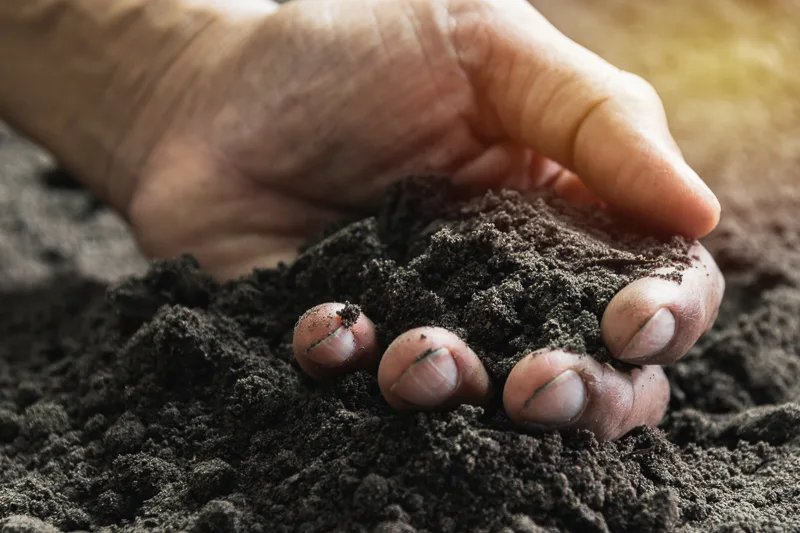
“In the garden, soil is not the background. It is the main character that rarely gets photographed.”
Beds, Rows or Raised Beds
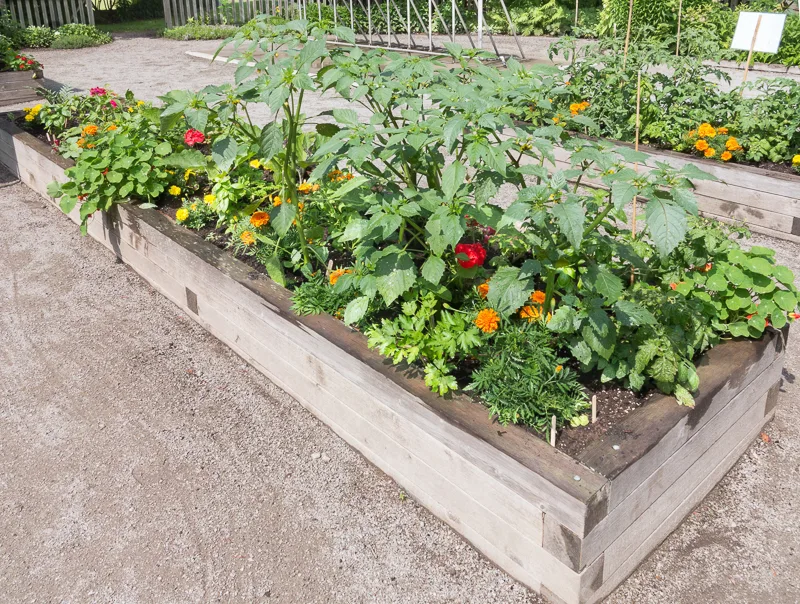
There is no single correct way to shape a vegetable garden. We can grow vegetables in traditional rows, in regular beds or in raised beds. What matters is that the system is convenient to maintain.
Traditional rows are suitable for larger spaces. Beds are more convenient for small gardens because they allow better organization. Raised beds are wonderful when the soil is heavy, space is limited, or we want a tidier and more aesthetic look.
| Option | Advantages | Disadvantages |
|---|---|---|
| Traditional rows | Suitable for larger areas and traditional growing. | Require more space and often more weeding. |
| Regular beds | A good balance between order and easy maintenance. | In heavy soils, water may remain for longer. |
| Raised beds | Better drainage, convenience, a cleaner and more beautiful look. | Require an initial investment and filling with soil. |
If you are just starting, I would choose beds about 90–120 cm wide. This way you can reach the plants from both sides without stepping into the bed itself. This keeps the soil loose and reduces compaction.
Seedlings or Direct Sowing
Some vegetables are more convenient to grow from seedlings, while others are sown directly in place.
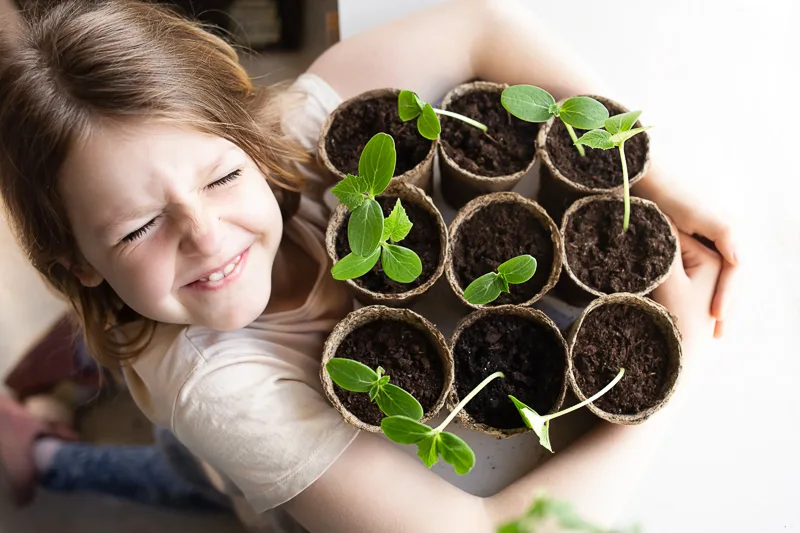
Tomatoes, peppers, eggplants and early cucumbers are usually grown from seedlings. This gives us a head start and helps the plants begin stronger. Carrots, radishes, beans, peas and some lettuces are often sown directly.
- From seedlings: tomatoes, peppers, eggplants, cucumbers, cabbage.
- Direct sowing: carrots, radishes, beans, peas, spinach, arugula.
- Both options: lettuces, cucumbers, zucchini, herbs.
Seedlings should be healthy, compact and well hardened. Seedlings that are too tall, pale and weak recover poorly after planting. Fewer strong plants are better than many seedlings that begin the season already tired.
Watering: The Most Common Mistake in the Vegetable Garden
Watering seems simple — we take the hose and water. But this is exactly where many mistakes happen.
Most vegetables do not like either drought or constant waterlogging. They need even moisture. Tomatoes, cucumbers, peppers and zucchini are especially sensitive to sudden changes.
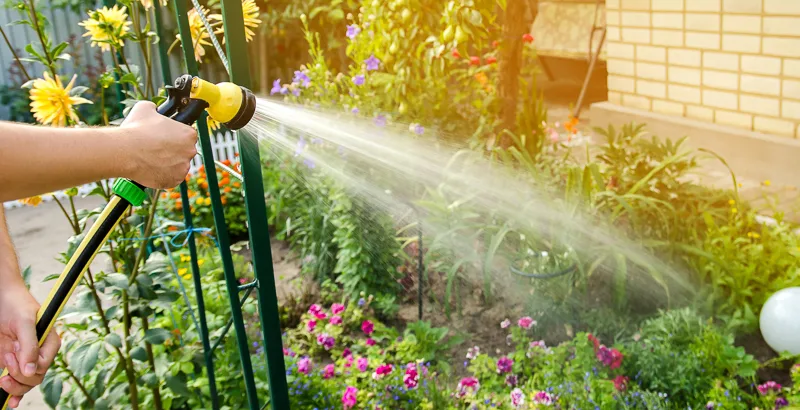
A good rule is to water less often, but more deeply, instead of giving a little water every day. When we wet only the surface, the roots remain shallow and the plants become more sensitive to heat.
- Water in the morning or late afternoon.
- Avoid wetting the leaves, especially in the evening.
- Watch the soil, not only the calendar.
- Mulch to retain moisture.
- For cucumbers, keep moisture more even.
- For tomatoes, avoid sharp periods of drought followed by heavy watering.
If possible, drip irrigation is one of the best solutions for a vegetable garden. It delivers water close to the roots, saves water and does not wet the leaves.
Mulching: A Small Habit with a Big Effect
Mulching is one of those practices that seem secondary until you see the difference.
A layer of straw, dry grass clippings, leaves or another organic material around the plants helps retain moisture, reduce weeds and protect the soil from overheating.
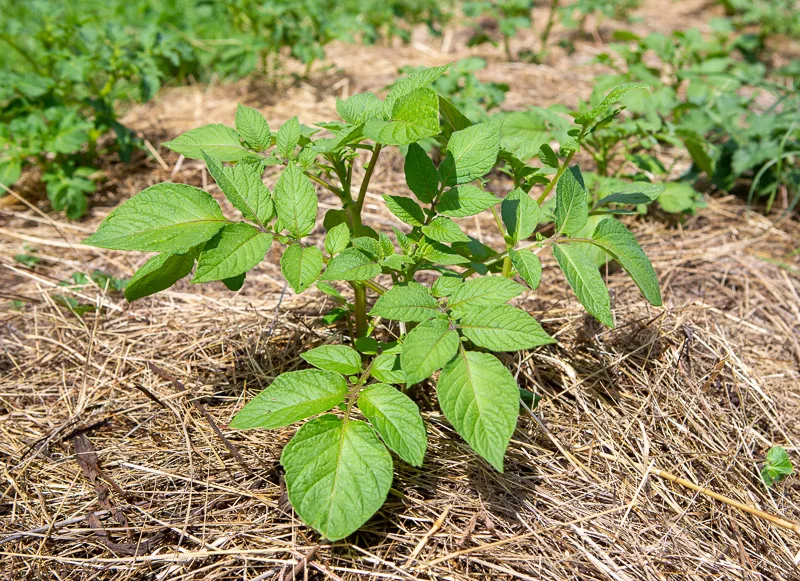
With tomatoes, mulch has one more advantage — it reduces mud splashes on the lower leaves. This does not solve every problem, but it helps create a cleaner and healthier environment around the plants.
It is important not to pile mulch tightly against the stem. Leave a little air around the base of the plant so you do not trap too much moisture where it is not needed.
What to Plant as a Beginner
If you are starting your first vegetable garden, choose crops that you actually use in the kitchen. There is no point in growing something only because it sounds interesting if no one eats it later.
A good first combination is:
- a few tomato plants;
- 2–3 cucumber plants;
- a few peppers;
- zucchini;
- lettuces or arugula;
- onions and garlic;
- parsley, dill, basil and mint.
This is enough to feel the rhythm of the vegetable garden without turning yourself into a seasonal worker in your own yard.
Crop Rotation: Why We Do Not Plant Everything in the Same Place Every Year
Crop rotation sounds boring, but it is very important. Simply put, it means not planting the same crops in the same place every year.
Tomatoes, peppers, eggplants and potatoes belong to the same plant family. If we place them in the same spot every year, we increase the risk of disease buildup and soil exhaustion in one direction.
There is no need to create a complicated scheme like in an agricultural textbook. It is enough to divide the garden into several zones and move the main plant groups every year.
A Simple Rotation Example
- Year 1: tomatoes and peppers in the first bed.
- Year 2: plant legumes, lettuces or root crops there.
- Year 3: return fruiting vegetables if the plants were healthy.
This is especially important for tomatoes, because they often suffer from soil-related problems and fungal diseases.
Fertilizing Without Panic and Without Overdoing It
Vegetables need food, but that does not mean we have to fertilize them constantly.
Excessive fertilizing, especially with nitrogen, can lead to a lot of leafy growth and few fruits. The plant looks strong, green and powerful, but the harvest does not match its appearance.
It is better to think of fertilizing as maintaining balance:
- compost to improve the soil;
- well-rotted manure before the season;
- organic liquid fertilizers during active growth;
- potassium during fruiting;
- attention to calcium for tomatoes and peppers;
- observation of the leaves and growth.
“Plants do not need us to feed them out of fear. They need us to observe them.”
The Most Common Problems in the Vegetable Garden
Every garden has problems. This does not mean you have failed. It means the garden is alive.
The most common difficulties are usually related to water, air, nutrition and diseases.
- Yellow leaves: possible deficiency, overwatering, aging or disease.
- Tomato blight: often appears in humid weather and poor ventilation.
- Powdery mildew: common on cucumbers, zucchini and some ornamental plants.
- Aphids: attack young and tender parts.
- Spider mites: become stronger in hot and dry weather.
- Fruit cracking: often related to uneven watering.
Good prevention is easier than emergency rescue. Air circulation, spacing between plants, watering at the base, mulching and regular observation do more work than chaotic spraying at the last moment.
Mini Calendar for the Vegetable Garden
| Period | What to Do |
|---|---|
| February – March | Planning, choosing seeds, first seedlings for tomatoes, peppers and eggplants. |
| April | Preparing the beds, hardening seedlings, sowing more cold-tolerant crops. |
| May | Planting the main heat-loving vegetables after the danger of frost has passed. |
| June | Tying, pruning side shoots, mulching, first preventive care and regular watering. |
| July – August | Harvesting, feeding, checking for diseases, spider mites, blight and heat stress. |
| September – October | Final harvest, clearing the beds, autumn crops, preparing the soil. |
Common Mistakes in a First Vegetable Garden
Almost all of us have made them. In the beginning, enthusiasm is greater than experience, and seeds look innocently small. Then June comes and we realize we have planted a miniature jungle.
- A garden that is too large in the first year.
- Dense planting without enough air between plants.
- Watering over the leaves in the evening.
- No mulch and constantly drying soil.
- Excessive nitrogen fertilizing.
- Planting tomatoes in the same place every year.
- Reacting too late at the first signs of disease.
- No paths and inconvenient access to the plants.
The good news is that the vegetable garden is a very good teacher. It just does not like to repeat quietly. If something is wrong, it shows it clearly — through leaves, growth, fruits or the lack of them.
Related Topics in Biogardn
This article is the foundation for the vegetable garden. From here, you can continue to more specific topics:
- Tomatoes in the Garden: Planting, Pruning and Care
- Tomato Blight: How to Recognize It and What to Do
- Cucumbers in the Garden: Planting, Watering and Care
- Raised Beds for Vegetables
- Soil and Fertilizing in the Garden
- Plant Protection in the Home Garden
- Organic Garden: Natural Solutions and Prevention
My Opinion About the Vegetable Garden
The vegetable garden is not only a place for producing food. It is a place for observation, patience and a little humility. Because no matter how much we plan, there is always a season that surprises us.
One year the tomatoes are magnificent, but the cucumbers are moody. Another year the zucchini decide they will conquer half the yard. Sometimes the leaves turn yellow for no dramatic reason, and sometimes one missed spray or one humid week can disturb all our plans.
But that is exactly where the charm is.
The garden is not a sterile project. It is a living place. And if we begin reasonably — with good soil, sun, water, a little order and a lot of observation — it rewards us generously.
You do not need to know everything in the beginning. You need to start small, observe carefully and not give up at the first problem.
“The vegetable garden does not ask for perfection. It asks for presence and care.”