
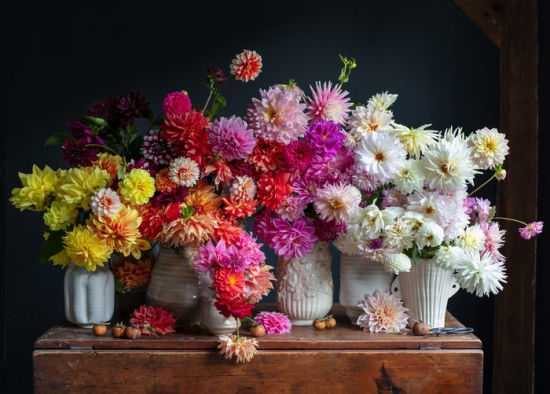
Dahlias are some of my favorite plants in the garden. I already grow quite a few varieties, read a lot about them, and still genuinely admire them.
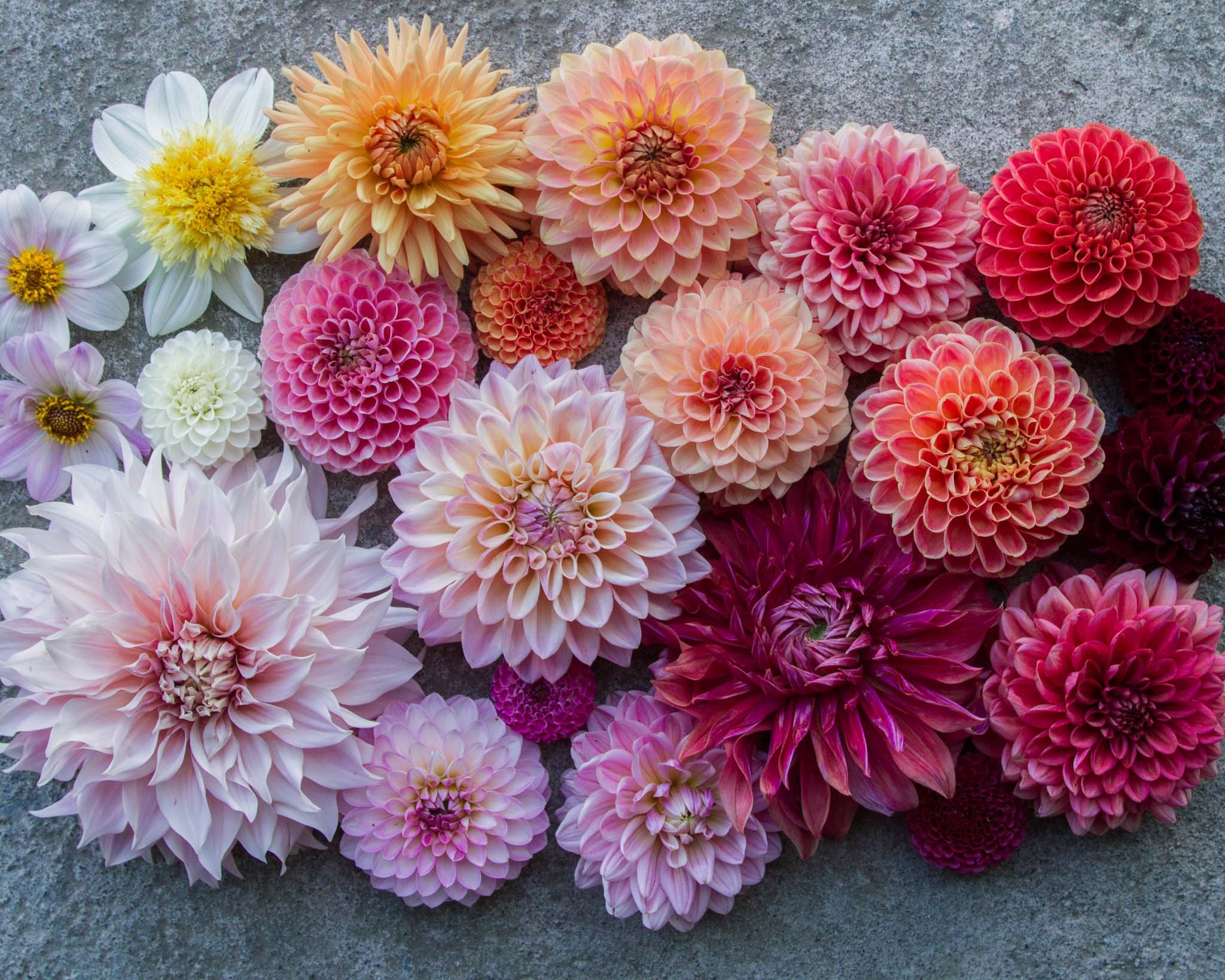
They are impressive, bloom abundantly, and offer an incredible variety of shapes and colors from summer well into fall.
Here are the most practical things I have learned about them that can help you grow strong plants with plenty of flowers.
Dahlias Are Not Bulb Plants
The first important thing to know is that dahlias are not typical bulb plants, nor are they annuals.
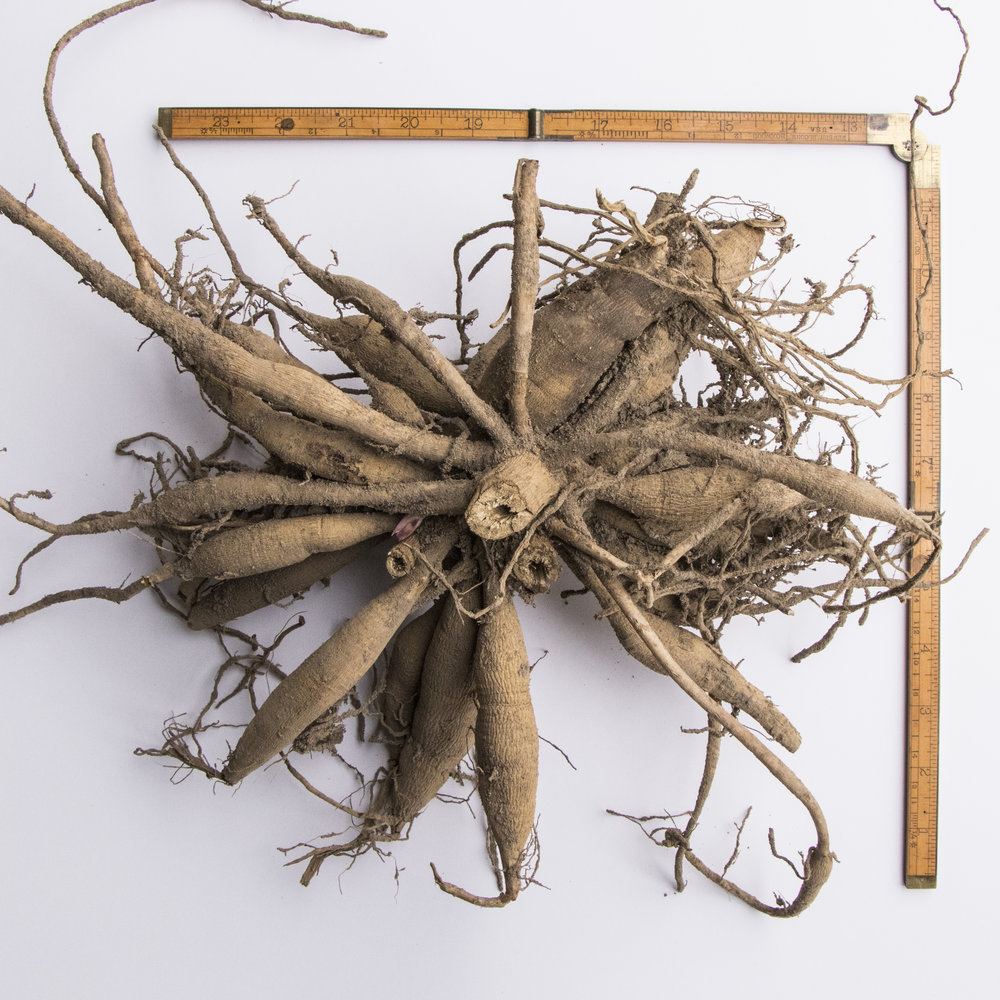
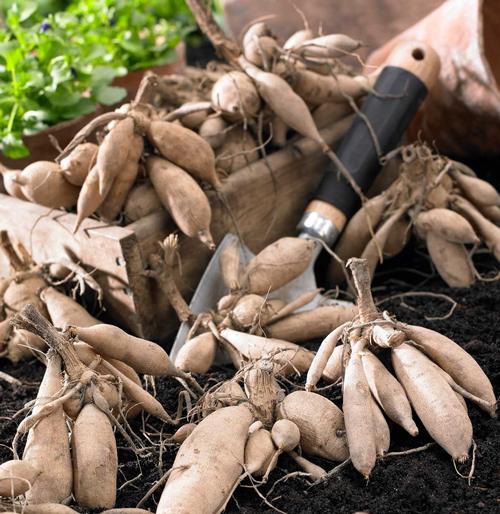
During the growing season, they form tubers underground. These are thickened structures in which the plant stores energy for the following season.
Similar underground storage structures are also found in other familiar plants such as potatoes, cannas, caladiums, and tuberous begonias.
What Is the “Eye” on a Dahlia Tuber?
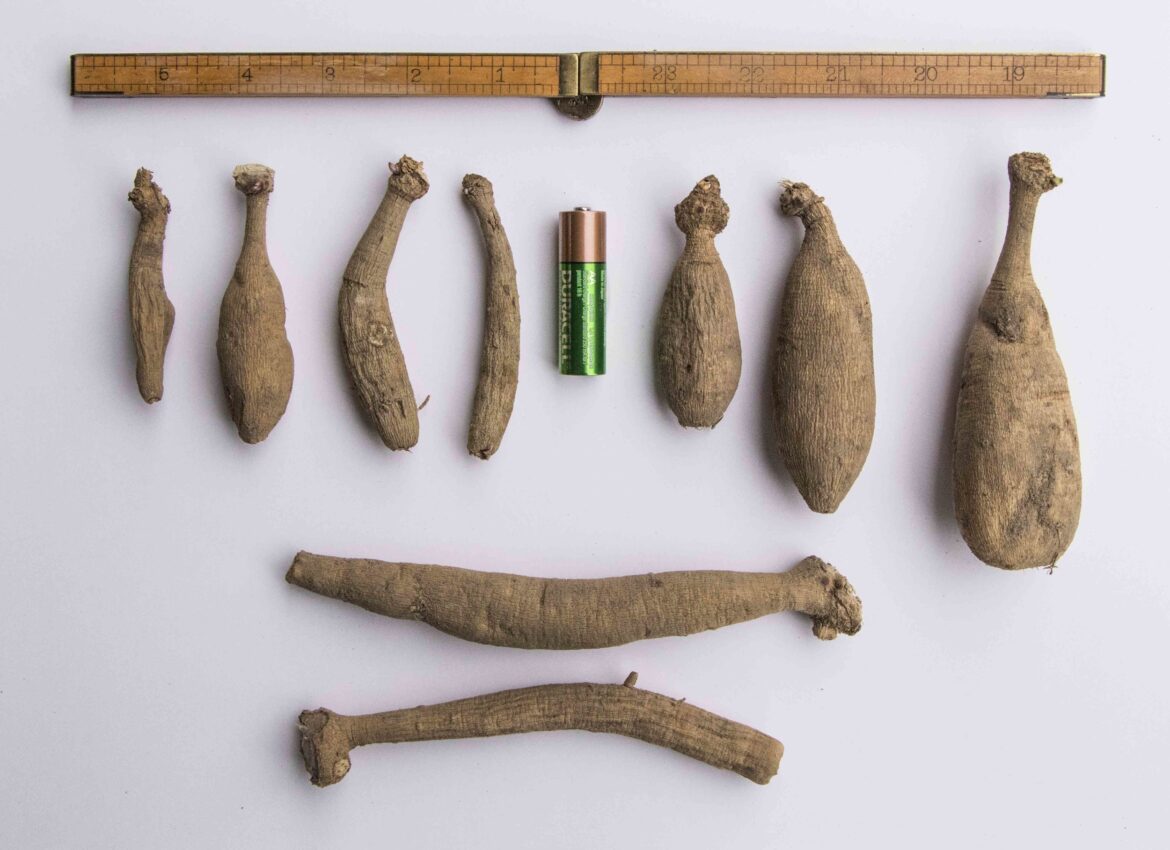
If you look closely at the individual tubers in a larger clump, you will notice that some have what is known as an “eye.”
If you have ever seen a sprouting potato, you already have a good idea of what this looks like. New growth begins from these small points.
When dividing a tuber clump, it is important for each separated piece to have a viable “eye.” A tuber without an eye has no point from which a new plant can grow.
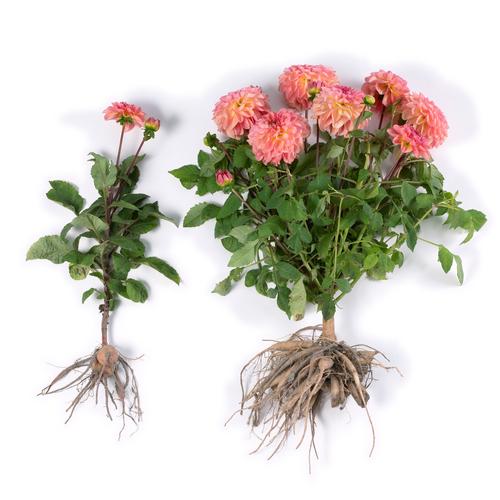
If you plant just one suitable tuber with an eye, it can produce a new plant that will gradually form new tubers during the growing season.
By the end of the season, you may once again lift a considerably larger clump of tubers.
Does the Size of the Tuber Matter?
Not as much as you might think.
In my original notes, I use a very practical comparison - a tuber with a viable eye, roughly larger than an AA battery, can be used for planting regardless of its shape.
The most important thing is not for the tuber to look impressive, but for it to be healthy and have a viable eye.
The size and number of tubers can vary depending on the variety and the growing conditions during the season.
Under favorable conditions, plants can produce larger and more numerous tubers. During unusually hot, cold, wet, or dry weather, they may be smaller and fewer in number.
There are also natural differences between varieties - some dahlias naturally produce larger tubers, while others form smaller ones.
My Plan for Growing Dahlias Successfully
When I Plant Dahlia Tubers
In my conditions, I wait until the soil has warmed consistently and the risk of frost has passed.
In my own experience, this usually means sometime after the middle of April.
If I want to give the plants an earlier start, I can plant the tubers in containers indoors and move them outside later.
Sun, Soil and Watering
Dahlias love the sun, and mine grow very well in a position that receives direct sunlight practically throughout the day.
The soil should be loose, fertile, and should not hold excess water around the tubers.
In my garden, drip irrigation is the most convenient solution.
When watering, my aim is to give the soil enough moisture without leaving the tubers constantly sitting in wet, heavy soil.
Give Them Enough Space
This is easy to underestimate, especially when you are planting a small tuber and the space around it still looks almost empty.
But some dahlia varieties can grow very large.
I leave approximately 40-50 cm between plants and pay attention to the mature height of each variety from the moment I plant it.
Tall dahlias also need sturdy support. A stake, net, or another structure is much easier to put in place at the beginning than when the plant is already huge and heavy with flowers.
Feeding Dahlias
In my garden, I feed dahlias approximately once a month.
I have used fertilizers for roses and avoid products that are very high in nitrogen.
Too much nitrogen can encourage lots of leafy growth at the expense of flowers, and with dahlias, the flowers are exactly why I grow them.
Why I Keep Growing Dahlias
A dahlia is such a spectacular and rewarding flower that even when it starts from a fairly modest tuber, by the end of the season it can become a huge plant covered in countless blooms.
Their abundant and long-lasting flowering is one of the things I love most about them.
You start with one strange-looking tuber, and a few months later you have one of the most impressive plants in the garden.
I will share more about the different varieties and the finer details of growing them in a separate article.
And I am always happy to hear about other people's experience with dahlias.