
Peonies can be magnificent, but sometimes they seem to have their own opinion about exactly when they should bloom.
If the plant looks healthy and produces plenty of leaves but still does not bloom several years after planting, the reason is usually connected with its location, planting depth, growing conditions, or simply its age.
And before deciding that your peony is simply ignoring you, there are a few things worth checking.
Why Aren’t My Peonies Blooming?
There can be several reasons, and sometimes more than one is involved at the same time. Most often, the problem is related to the growing conditions around the plant rather than the peony itself.
Check the Planting Depth First
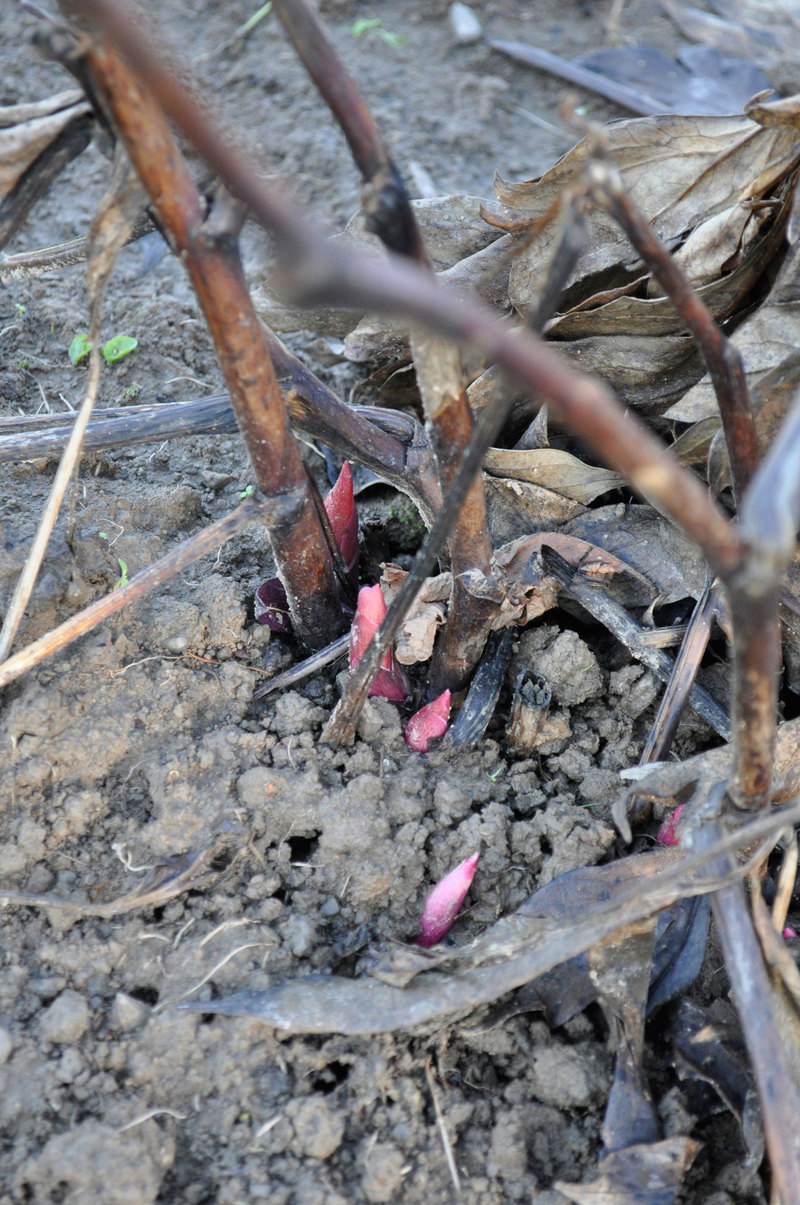
If your peony is growing well but stubbornly refuses to bloom, one of the first things I would check is how deeply the crown has been planted.
In my original notes, I wrote down one very simple rule - the plant’s “eyes” should not be buried too deeply.
If the crown has sunk too far below the surface, carefully remove some of the soil above it. There is no need to dig up the entire peony if the problem can be corrected simply by reducing the layer of soil covering it.
Peonies Need Their Own Space
Peonies are long-lived plants and can remain in the same position for many years. That is why the space we give them from the beginning matters.
If a peony is planted too close to a tree or large shrub, the roots begin competing for water and nutrients.
This does not necessarily mean the peony will die. It may simply grow reasonably well, produce plenty of leaves, and postpone flowering every year until “better times.”
Peonies are plants for patient gardeners. After planting or moving them, they sometimes decide to sort out their roots first and deal with flowers later.
Why the Leaves Are So Important
One of the biggest mistakes is cutting off all the foliage too soon after flowering.
The leaves continue working long after the last flower has faded. Through chlorophyll, they use sunlight to produce nutrients that the plant sends back to the crown and roots.
These reserves will be used again the following spring.
After flowering, remove the faded blooms but leave the green foliage in place. The leaves still have plenty of work to do.
Don’t Rush to Cut Peonies Back After Flowering
Peonies actually remain very attractive after flowering has finished. Their green foliage forms a dense, fresh-looking shrub that can stay in the flower border until the end of the season.
During this time, the crown continues to build nutrient reserves. If we cut the foliage back too early, we interrupt that process.
When I Cut Back Peonies
At the end of the season, once the leaves begin to yellow naturally and the plant gradually reaches the end of its growing cycle, the top growth can be cut back.
In my old notes, I wrote that I leave approximately 20 cm above the roots.
By this point, the plant has had enough time to return some of the nutrients produced during the season back to the crown and roots.