
Ferns are some of the best plants for shady places in the garden. They do not rely on bright flowers, but on form, texture and a feeling of coolness. Where sun-loving plants struggle, ferns can make a corner feel soft, alive and natural.
In the group of shade plants, ferns stand alongside hosta, hellebore, rhododendron, azalea, hydrangea and mahonia. But their role is different. They do not bring large flowers, they are not an evergreen background and they are not used as a hedge. Ferns are the texture. They are that fine layer that makes a shady garden look like a real place, not a problem corner.
Many gardens have such places — under trees, beside a north-facing wall, behind the house, around a shaded terrace or in a more humid area. Instead of fighting them and trying to grow plants for sun, we can use the strength of shade. Ferns are exactly for that.
Why Ferns Are Valuable in the Garden
Ferns have a special presence. They create a sense of age, calmness and naturalness. Even a new garden can look more mature if there are well-chosen ferns in its shady places.
Their greatest strength is leaf structure. The fine, divided fronds soften larger plants such as hosta, rhododendron and hydrangea. They create contrast next to large leaves, stone, wood, water and shaded paths.
Ferns do not try to flower more loudly than the others. They do something more difficult — they create atmosphere.
In garden design, ferns are especially useful when we want a more woodland, Japanese or natural effect. They do not look formal, they do not overload the composition and they do not compete with stronger accents. Instead, they connect the plants to each other.
Where to Plant Ferns
Most garden ferns prefer shade or partial shade. They feel best in places with soft light, without strong midday and afternoon sun. Suitable places include the northern and eastern sides of the house, shaded beds under trees, corners around a terrace, moist areas near water or protected spots between shrubs.
Ferns look especially good where there is a feeling of coolness. Next to stone, a wooden path, a water element or under a Japanese maple, they create a very natural picture. They do not need to be at the center of the composition. Often, they are most beautiful when they seem to have appeared by themselves.
Strong sun is usually not good for ferns. The fronds can scorch, yellow or look dry. There are more tolerant species, but as a rule, ferns are plants for shade, moisture and calmer light.
What Soil Do Ferns Like?
If we had to describe the ideal soil for ferns in one word, it would be: woodland. Loose, rich in leaf mold, moderately moist, alive and well drained.
Ferns do not like heavy, compacted soil that turns into mud in winter and concrete in summer. If the soil is clayey, it is a good idea to add compost, leaf mold, well-rotted organic matter and mulch. This helps the roots breathe and keeps moisture more even.
Some ferns tolerate drier conditions once established, but most look best when the soil does not dry out completely. Especially in hot summers, regular moisture is important for the fresh appearance of the fronds.
Practical tip: if the place is dry shade under a large tree, improve the soil first and mulch well. In such an area, competition for moisture is strong and ferns will need help at the beginning.
Popular Ferns for the Garden
There are many types of ferns, but for the garden it is best to choose resilient and relatively easy plants that fit well into our climate and conditions.
Dryopteris, known as male fern or woodland fern, is one of the most reliable groups. It has a stable form, good resilience and fits beautifully into shady planting beds.
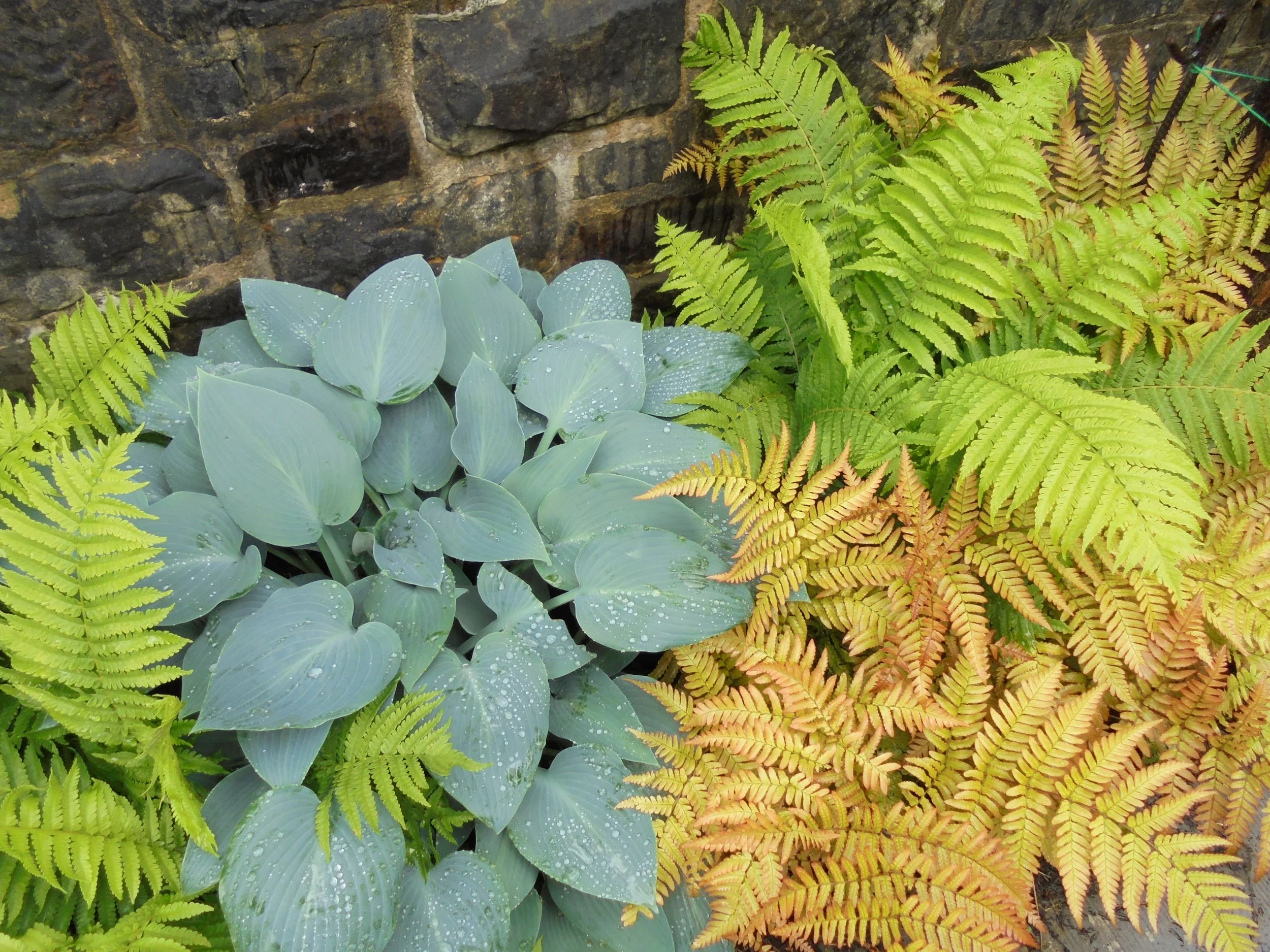
Athyrium niponicum, or Japanese painted fern, is very decorative because of the silvery, green and purple tones on the fronds. It is finer and looks wonderful next to hostas, hellebores and dark green plants.
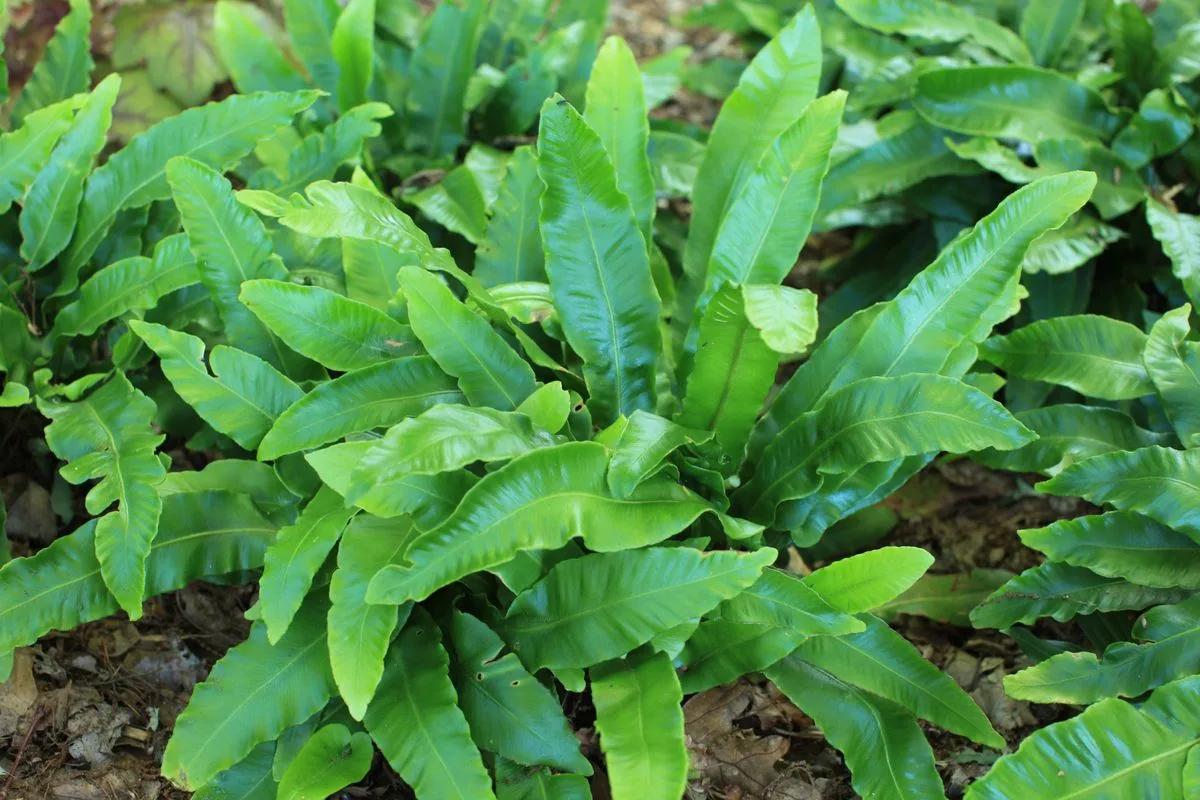
Asplenium scolopendrium, known as hart’s tongue fern, has whole, glossy fronds, different from the classic divided look of most ferns. It is suitable for calmer, shaded compositions and looks very beautiful next to stone.
Polystichum is a group of resilient ferns with a denser structure. Some species are evergreen or semi-evergreen, which makes them valuable even outside the active season.
| Fern | What It Looks Like | Where It Works Best |
|---|---|---|
| Dryopteris | Classic woodland fern, stable and natural | Shaded beds, under trees, next to hostas and rhododendrons |
| Athyrium niponicum | Silvery-green fronds with purple tones | Accent in partial shade, next to hellebore, hosta and stone |
| Asplenium scolopendrium | Whole, glossy fronds, a different texture | Shaded compositions, stony corners, woodland effect |
| Polystichum | Dense structure, often evergreen or semi-evergreen effect | Shade, winter structure, more natural gardens |
Watering and Mulching
Ferns like even moisture, especially while they are rooting. This does not mean constant waterlogging. The soil should be moist, but airy. If water stays around the roots for too long, the plants may suffer.
In shady places, we often think there is no need for watering because the sun does not bake the soil. But if the ferns are under large trees, tree roots may take much of the moisture. That is why in dry periods it is good to actually check the soil, not just look at the shade.
Mulching is almost essential for a natural look. Leaf mold, compost, wood chips or fine bark help retain moisture and keep the upper soil layer cooler. Over time, this creates an environment close to woodland soil.
This post contains affiliate links. As an Amazon Associate, I earn from qualifying purchases at no extra cost to you.
Shade does not always mean moist soil. Under mature trees, ferns may compete with large root systems for water even when the bed feels cool and protected from direct sun.
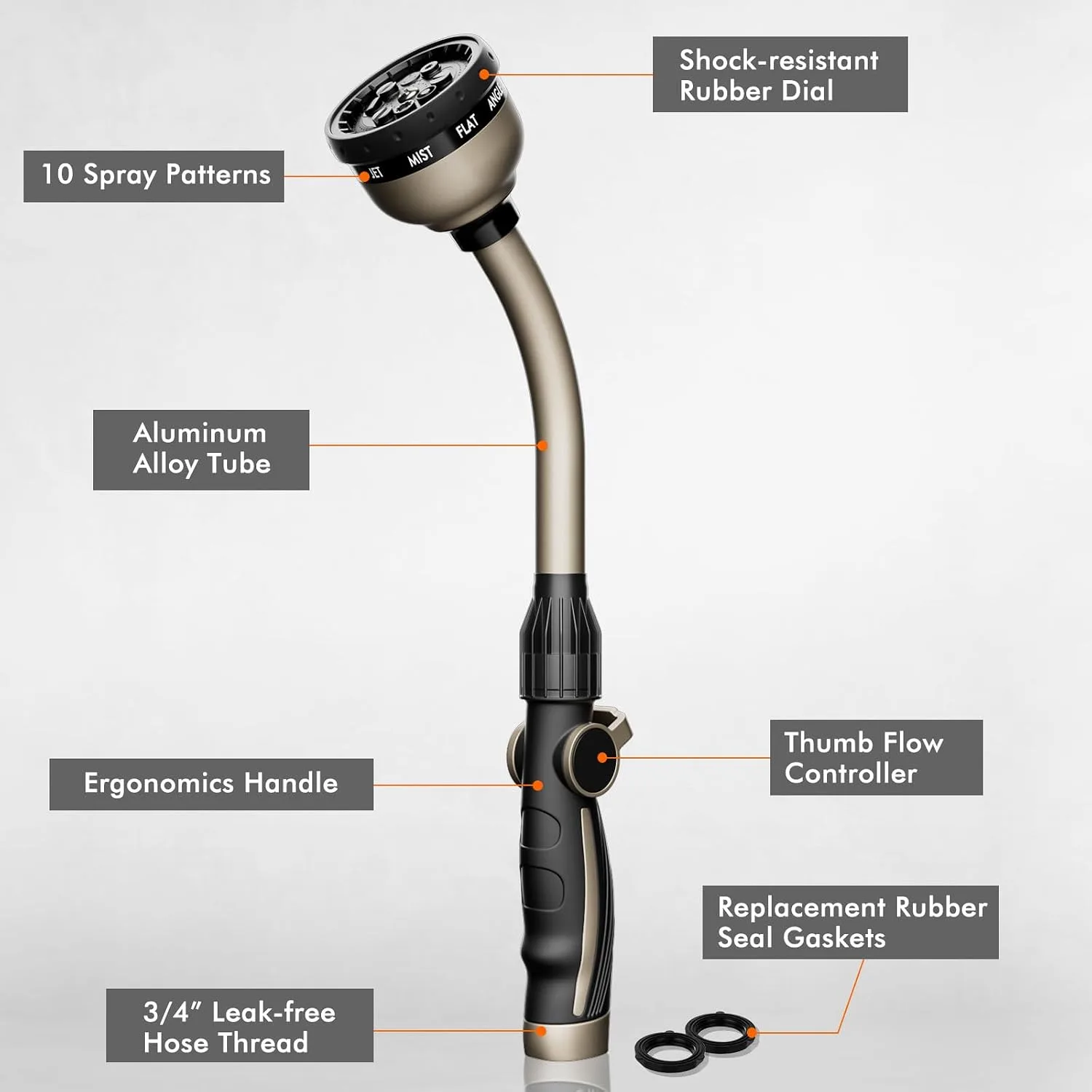
A long watering wand makes it easier to reach between hostas, shrubs and fern fronds without flattening the planting. The RESTMO wand also offers adjustable spray patterns and flow control, so watering can be kept gentler around delicate new fronds and recently planted ferns.
Care and Pruning
Ferns do not require complicated maintenance. In deciduous species, old fronds can be cleaned in late winter or early spring, before the new growth starts. This way, the fresh young fronds are easier to see and the plant looks tidier.
With evergreen or semi-evergreen ferns, there is no need to cut everything at once. It is better to remove only damaged, dry or old fronds. This preserves the natural winter effect.
If a fern becomes too large, it can be divided. This is usually done in spring or autumn, when the weather is milder. After division, the plants should be watered well until they establish.
Can Ferns Be Grown in Containers?
Yes, some ferns look very good in containers, especially on shaded terraces, courtyards and north-facing balconies. In a container, it is easier to provide a loose substrate and regular moisture.
It is important that the container is not placed in strong sun and has good drainage. The soil should not dry out completely, but it should not stay constantly wet either. Finer ferns in containers often need more attention during summer.
Ferns in containers combine beautifully with hellebore, hosta, heathers, skimmia and other plants for shaded terraces. They can make even a small space feel softer and more alive.
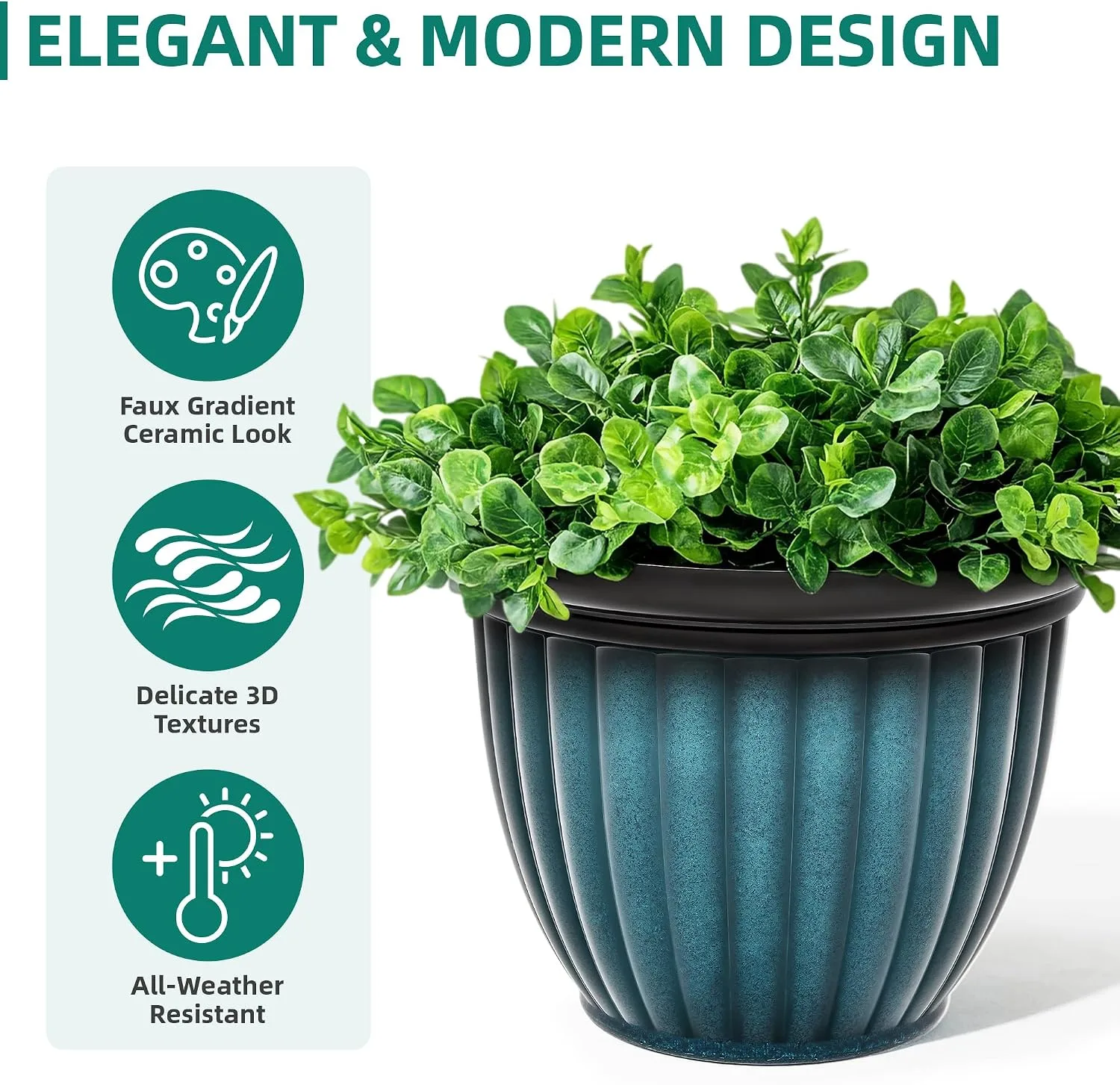
Ferns often look better in a substantial, fairly broad container than in a narrow decorative pot. The extra soil volume helps moisture stay more even and gives spreading fronds enough visual space.
These 15-inch outdoor pots can work for individual ferns or mixed shade arrangements. I would still choose the final size according to the species and make sure the drainage holes remain clear so the soil stays moist without becoming waterlogged.
The Most Common Mistakes
The first mistake is planting them in strong sun. Most ferns are simply not plants for a hot, open bed. The second mistake is dry shade without preparing the soil. Just because a place is shady does not mean it is moist.
The third mistake is a lack of organic matter. Ferns look best in soil that resembles a woodland layer. The fourth is over-cleaning. If we remove everything too early, we lose part of the natural look and winter protection.
What to Combine Ferns With
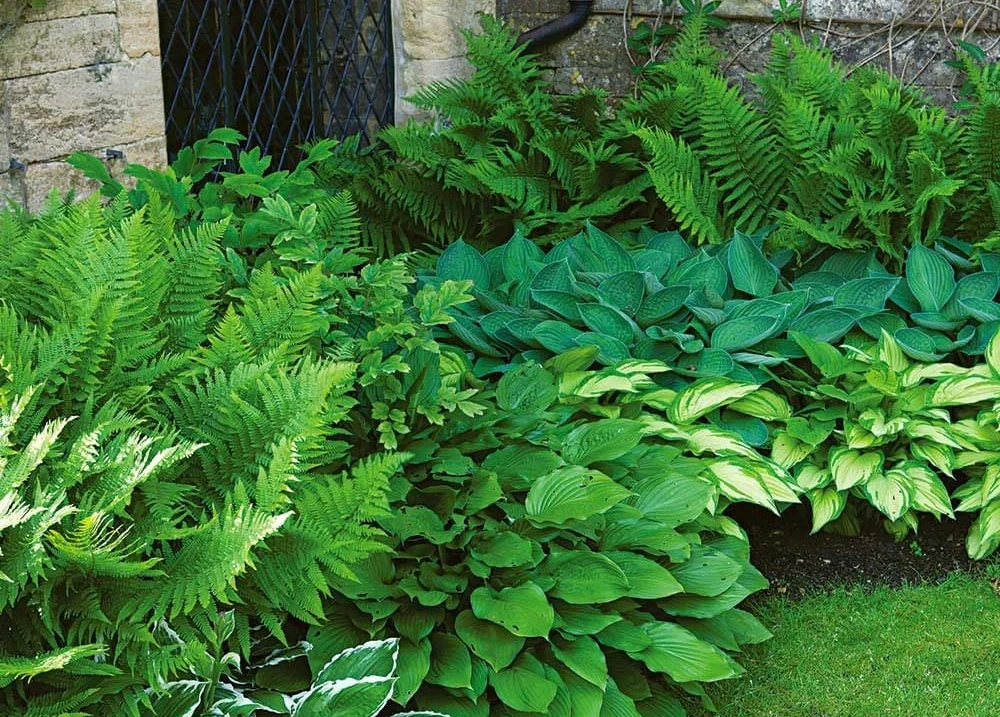
Ferns are some of the best partners for shady compositions. They combine beautifully with hosta, hellebore, rhododendron, azalea, hydrangea, pieris, skimmia, Japanese maple, hakonechloa, brunnera, epimedium and mahonia.
In design terms, they work as a fine layer between larger plants. Next to hosta, they create contrast between large and fine foliage. Next to Japanese maple, they emphasize the Japanese and woodland character. Next to hellebore, they fill the space after the early flowering.
If you want a more natural effect, do not plant them in overly straight rows. Small groups, repetition and different heights look much better. A shady garden should not look like soldiers lined up for inspection. It wins when it has softness.
Are Ferns Worth Growing?
Yes, especially if you have shade, partial shade or places that look difficult to plant.
Ferns do not bring bright flowers, but they bring something just as important — texture, coolness, naturalness and the feeling of a mature garden. They are ideal for woodland, Japanese and shaded compositions.
If you want the shady corner to be not a compromise, but one of the most beautiful parts of the garden, ferns are definitely worth it.