
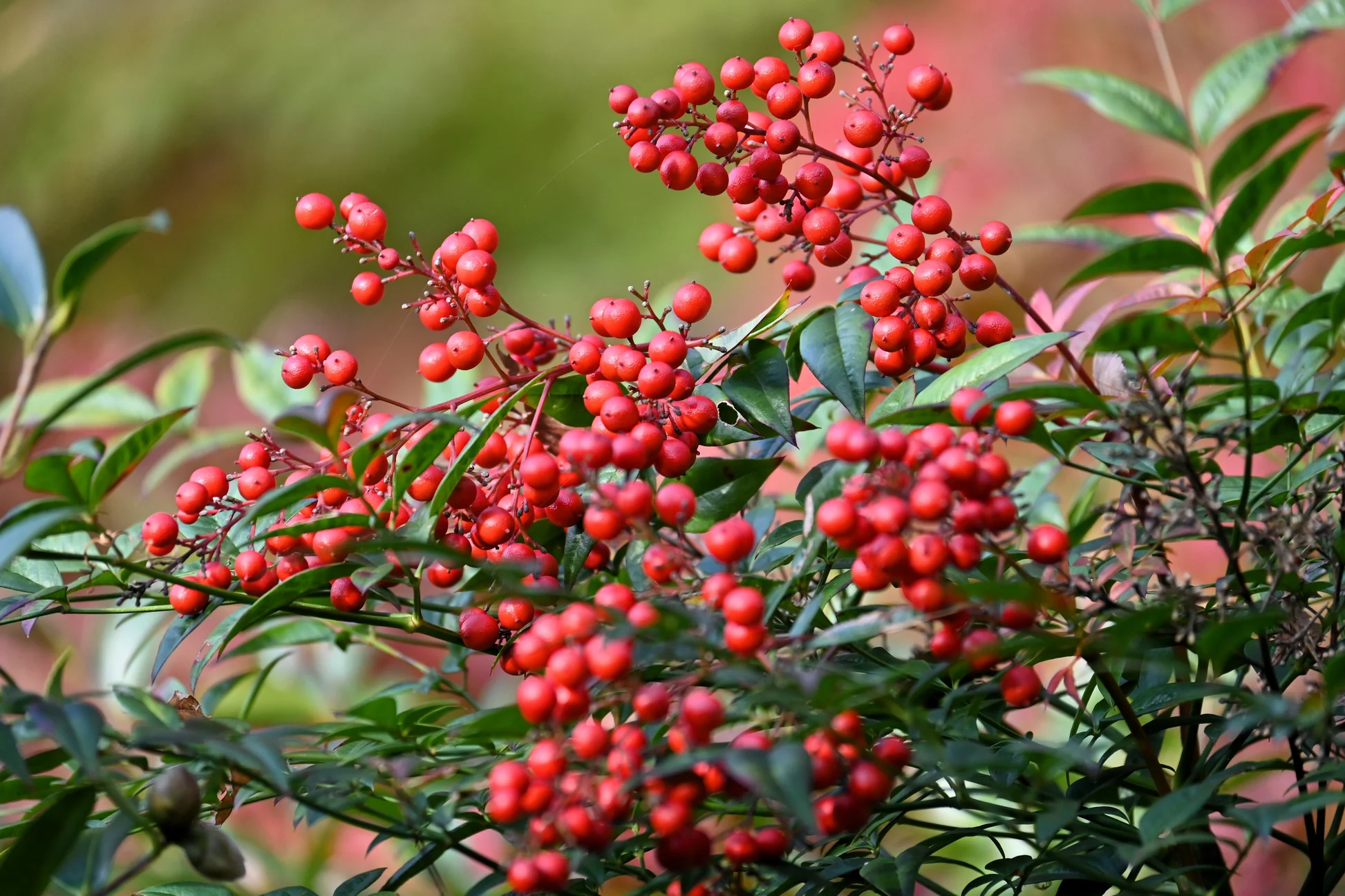
Nandina (Nandina domestica) is an ornamental shrub that is often underestimated. In fact, it is one of those plants that brings color almost all year round — with young red leaves, fine structure, autumn color and sometimes bright berries in winter.
In the “Designer Accents in the Garden” series, nandina has a very interesting role. It is not a large tree like magnolia, not a dramatic dark accent like ornamental plum, and not as delicate as Japanese maple. But it has one huge advantage — it works quietly, for a long time and through almost all seasons.
This is a plant that can soften an entrance area, bring color into partial shade, make a container more interesting or connect different plants into a more natural composition. Nandina is especially valuable where we do not want a heavy shrub, but something light, airy and colorful.
What Is Nandina?
Nandina is an evergreen or semi-evergreen ornamental shrub, also known as “heavenly bamboo”. The name is a little misleading because it is not a true bamboo. It is called that because of its fine structure and upright stems, which resemble a bamboo-like silhouette.
Its leaves are delicate, compound and highly decorative. Young growth is often red, pink or coppery, in summer it turns green, and in autumn and winter it may color again in red, orange or purple shades. In some cultivars the color is stronger; in others, more subtle.
Nandina is a shrub for people who love change in the garden, but do not want every change to come with drama and pruning shears.
Depending on the cultivar, nandina can be taller and upright or low and compact. This makes it suitable both for the garden and for large containers, entrances, terraces and small gardens.
Why Nandina Is Valuable in Garden Design
The greatest strength of nandina is seasonal color. It does not rely only on a short flowering period, but on foliage that changes. This is especially useful in gardens where everything looks too uniformly green or gray in winter.
Nandina brings lightness. Unlike many dense evergreen shrubs, it does not look heavy. Its crown is airy, the stems are upright, and the leaves are fine. This makes it a good partner for plants with larger leaves, such as hostas, hydrangeas, rhododendrons or cherry laurel.
It also looks very good in modern gardens because it has a clean form and a strong seasonal effect without looking overly formal. It fits beautifully into Japanese or Asian-inspired compositions as well — especially next to stone, gravel, water, Japanese maple and ornamental grasses.
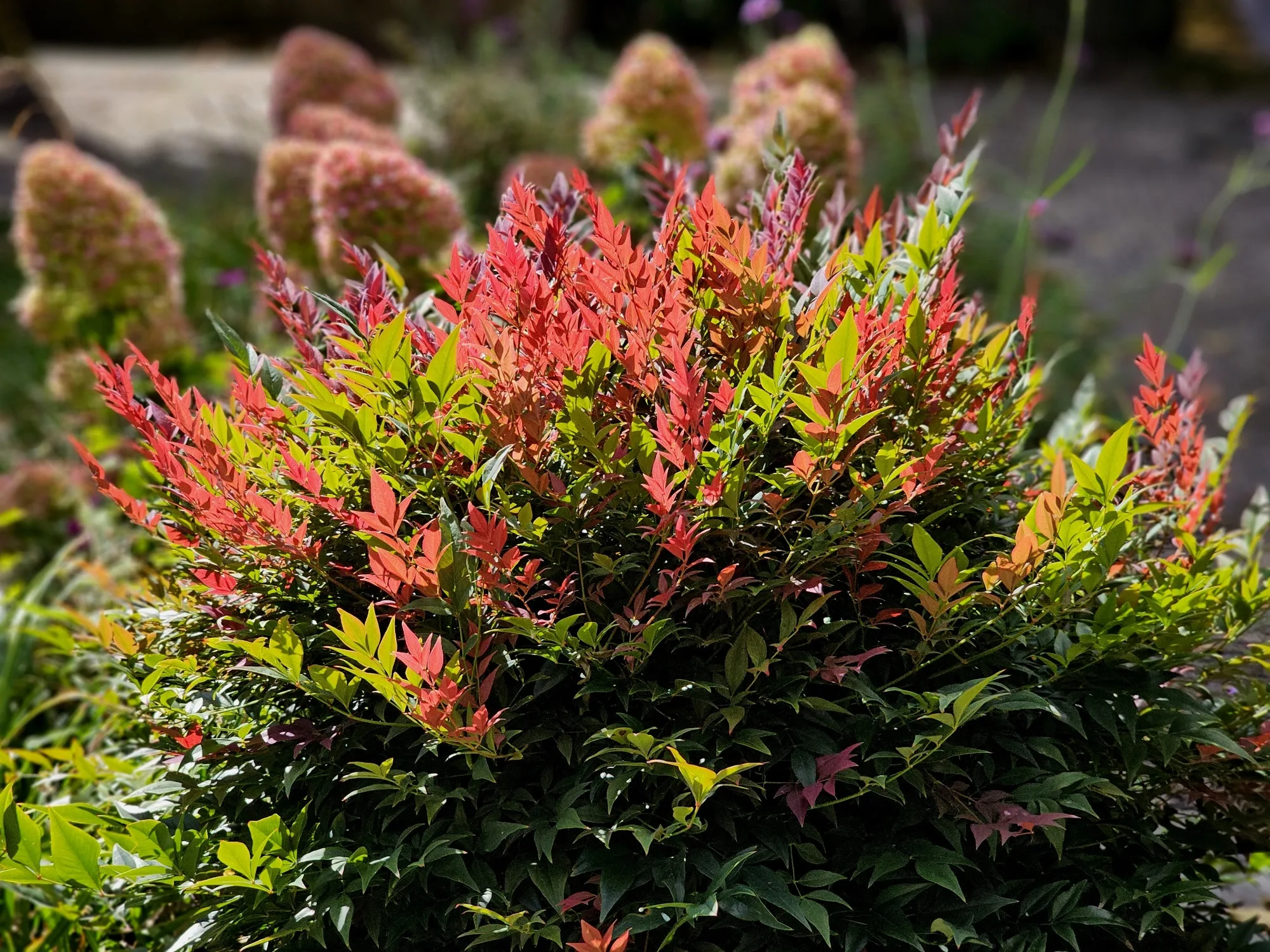
Where to Plant Nandina
Nandina is relatively adaptable, but it looks best in a bright place with morning sun or soft light. In full shade it will grow, but the leaf colors are usually weaker. In strong midday and afternoon sun, especially in hot regions, it may suffer if the soil dries out.
The best option is bright partial shade, an eastern exposure or a place where it gets a few hours of sun without being exposed to the hottest part of the day. In cooler regions it can tolerate more sun, while in hot southern areas it is sensible to think about protection from strong heat and dry wind.
Good places include entrance areas, corners around a terrace, in front of darker evergreen shrubs, along a path, in a mixed ornamental border or in a large container. Nandina is also a good choice for places where we want color but do not have room for a large tree.
Practical guide: if you want stronger red color, give nandina more light. If you want a softer green mass, partial shade will make it look calmer.
This post contains affiliate links. As an Amazon Associate, I earn from qualifying purchases at no extra cost to you.
Compact nandina cultivars such as 'Fire Power' can work beautifully as a seasonal foliage accent near an entrance or on a terrace. The changing red, copper and green leaves already provide enough interest that the container does not need complicated planting around them.
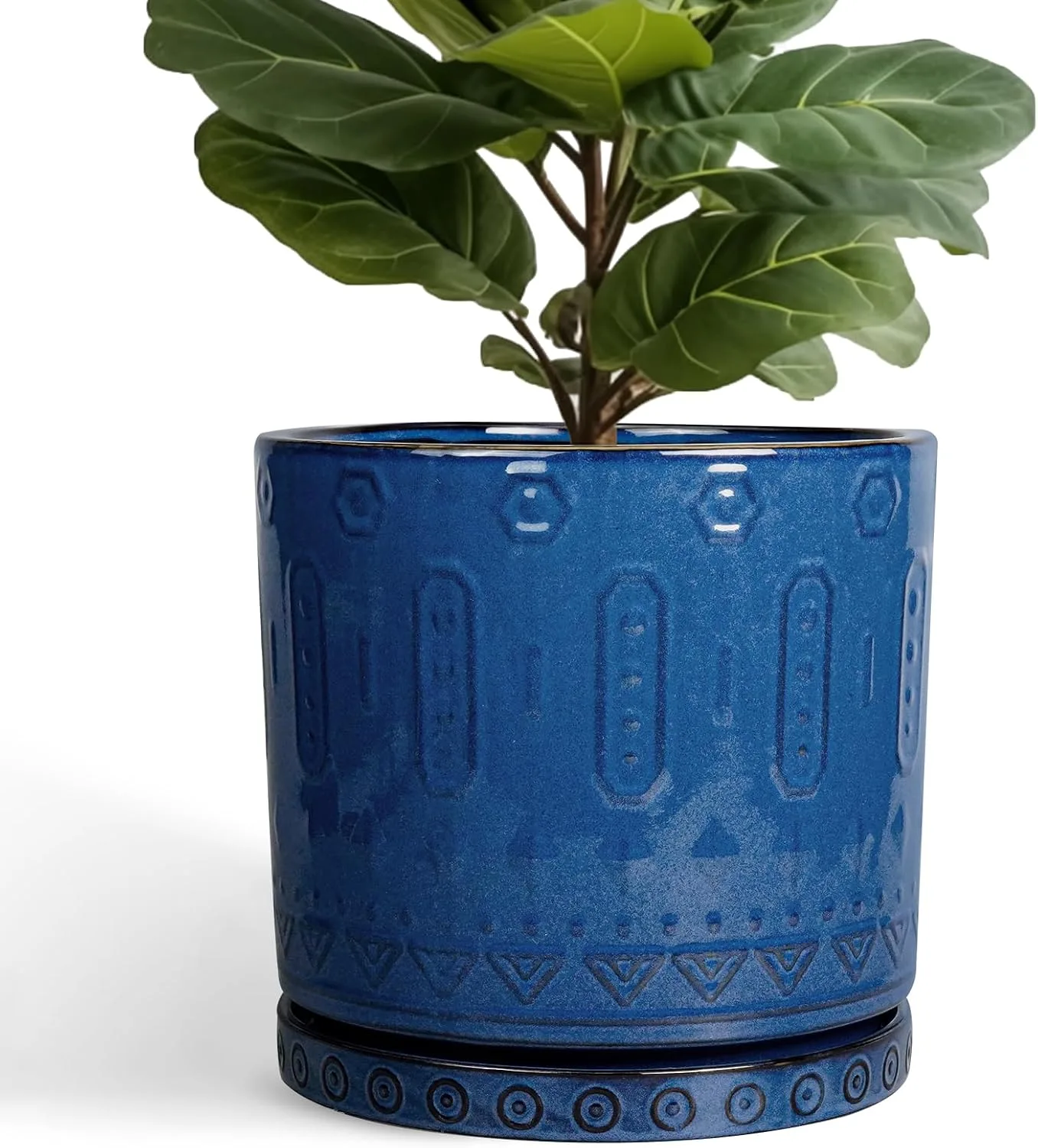
This blue glazed ceramic planter includes drainage holes and a saucer. I would use a pot of this size for a compact or younger nandina and move the plant into a larger container if the root system eventually needs more space.
Popular Types and Cultivars of Nandina
The classic Nandina domestica can become taller and more upright, which makes it suitable as a background plant, in groups or in more naturalistic compositions. It also often produces red berries if the conditions are right.
Nandina domestica 'Fire Power' is a very popular compact cultivar. It is low, dense and valued for its strong red coloring in autumn and winter. It is suitable for borders, containers, foreground planting and small gardens.
'Gulf Stream' is another good cultivar with a more compact form and beautiful seasonal color. It is often used in modern compositions because it does not become too tall and keeps a relatively neat silhouette.
'Obsessed' and similar cultivars are sought after for their bright red young growth. They are very effective when used as a colorful accent in mixed borders or large containers.
| Cultivar | What It Looks Like | Where It Works Best |
|---|---|---|
| Nandina domestica | Taller, upright, fine structure, possible red berries | Background planting, groups, Japanese-style corner, naturalistic compositions |
| 'Fire Power' | Compact, low, strong red autumn and winter color | Borders, containers, foreground planting, small gardens |
| 'Gulf Stream' | Compact form, seasonal change, good silhouette | Modern borders, entrances, compositions with grasses and stone |
| 'Obsessed' | Bright red young growth, strong color effect | Accent in borders, containers, combinations with light greenery |
Soil, Watering and Feeding
Nandina prefers well-drained, loose and moderately moist soil. It is not as demanding as rhododendron and azalea when it comes to acidity, but it does not like heavy, constantly wet soil. If the ground is clayey, it is a good idea to add compost and organic matter to improve the structure.
After planting, regular watering is important until the plant roots well. After that, nandina becomes more independent, but during long dry periods, especially in a container, it still needs watering. If the leaves look limp or the tips scorch, the reason is often a combination of heat, dry air and insufficient moisture.
Feeding should be moderate. Compost in spring or light feeding with a balanced fertilizer is quite enough. Too much fertilizer can lead to soft growth and reduce the natural, more compact look of the plant.
Pruning Nandina
Nandina is not pruned like a hedge. Its beauty is in its natural, slightly upright structure. If we cut it horizontally and harshly, it loses part of its charm and begins to look like a confused shrub with nice leaves.
The best approach is light, selective pruning. Dry, weak or very old stems are removed from the base. This rejuvenates the plant and preserves a more natural silhouette. Compact cultivars often need almost no pruning.
If nandina has become too tall or sparse, do not shorten the whole plant from the top. It is better to remove some of the oldest stems low down and allow the younger ones to renew the shrub.
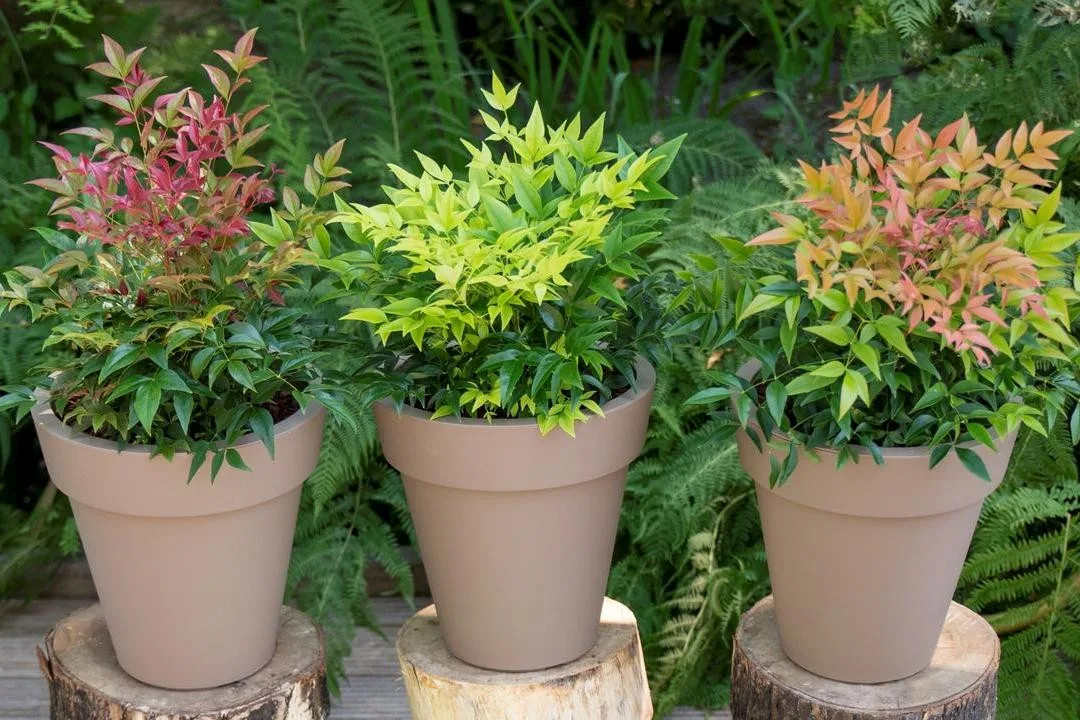
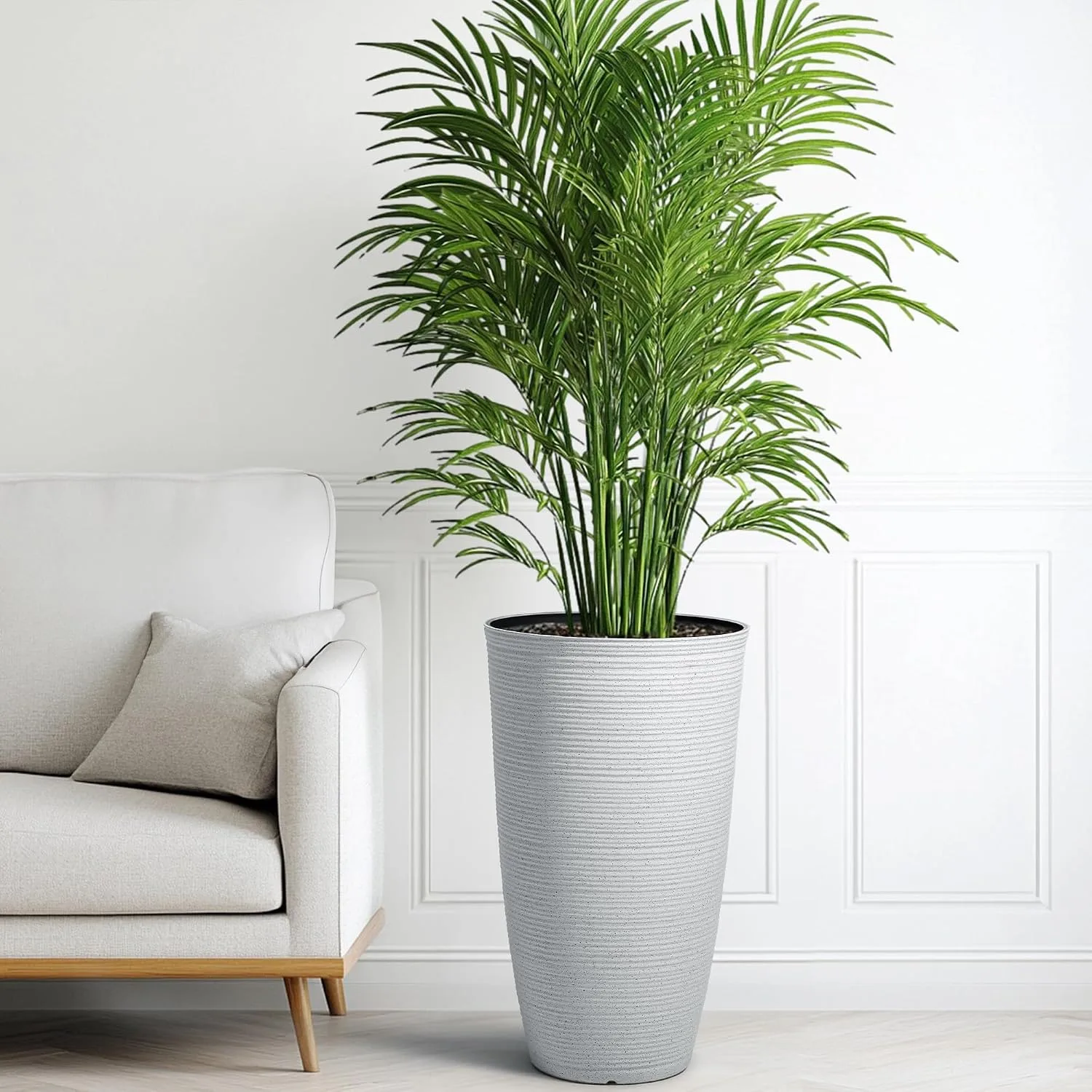
The upright stems and fine foliage of nandina work especially well in a tall, simple container. The combination creates height without the heavy look that a dense evergreen shrub can sometimes bring to an entrance or terrace.
These 23.5-inch tapered planters are better suited to a larger or more upright nandina than a small decorative pot. I would still match the container to the mature size of the cultivar and make sure excess water can drain freely.
Can Nandina Be Grown in a Container?
Yes, and this is one of the reasons it is so useful. Compact cultivars look wonderful in large containers, especially around an entrance, terrace or courtyard. They bring color without the need to constantly replant seasonal flowers.
The container should have good drainage, and the substrate should be high quality and loose. In summer, watering must be regular because plants in containers dry out faster. In winter, it is best to keep the container in a protected place, especially if the area is colder or windy.
The Most Common Mistakes
The first mistake is planting it in a place that is too dark. Nandina will survive, but it will not develop the strong color for which we choose it. The second mistake is harsh pruning from the top, which ruins its natural structure.
The third mistake is waterlogging. Although it likes moisture, nandina does not like its roots to stay constantly wet. The fourth is using it as a completely isolated “red spot” with no connection to the rest of the composition. It looks much better when its color is repeated or supported by other plants, paving or a background.
What to Combine Nandina With
Nandina combines beautifully with Japanese maple, ornamental grasses, hostas, ferns, hydrangeas, rhododendrons, azaleas, low conifers, stone, gravel and wooden elements. It is a good transition between denser shrubs and finer perennials.
Cultivars with red coloring look especially good next to light green, silvery or dark green plants. In a modern garden, nandina can be used in groups with ornamental grasses and gravel. In a Japanese-style corner, it looks beautiful next to stone, water and acer.
If you already have ornamental plum or Japanese maple, nandina can repeat the red tones at a lower level. This makes the composition feel more connected, instead of individual plants looking like separate purchases from a nursery.
Is Nandina Worth Growing?
Yes, especially if you are looking for a shrub with color through more than one season.
Nandina is not the loudest plant in the garden, but it is very useful. It brings fine structure, seasonal change, red tones and the possibility to use it both in a border and in a container.
This is a plant for people who want the garden to have details even in winter, not only during flowering.