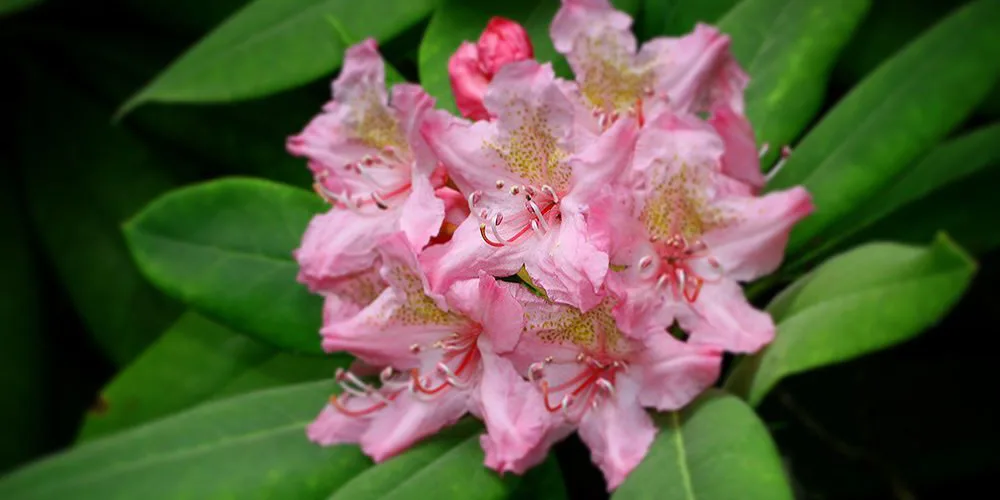
Rhododendron is one of those plants that can make a shady corner of the garden feel elegant, colorful and almost woodland-like. But it is not a shrub that we simply plant “somewhere by the fence” and expect to take care of itself.
In the “Designer Accents in the Garden” series, rhododendron has a special place. It is not as delicate and graphic as a Japanese maple, nor as dramatic as a magnolia, but it has another quality - it creates the feeling of a mature, calm and thoughtfully designed garden.
When it is planted in the right place, a rhododendron looks as though it has always been there. Dense and evergreen, with glossy foliage and impressive spring flowers. When it is in the wrong place, the yellow leaves begin, growth becomes weak, flowers disappear and that slightly sad gardening thought appears: “But I thought it was supposed to be easy.”
The truth is that rhododendron is not difficult. It is simply very clear about what it needs.
What Is a Rhododendron?
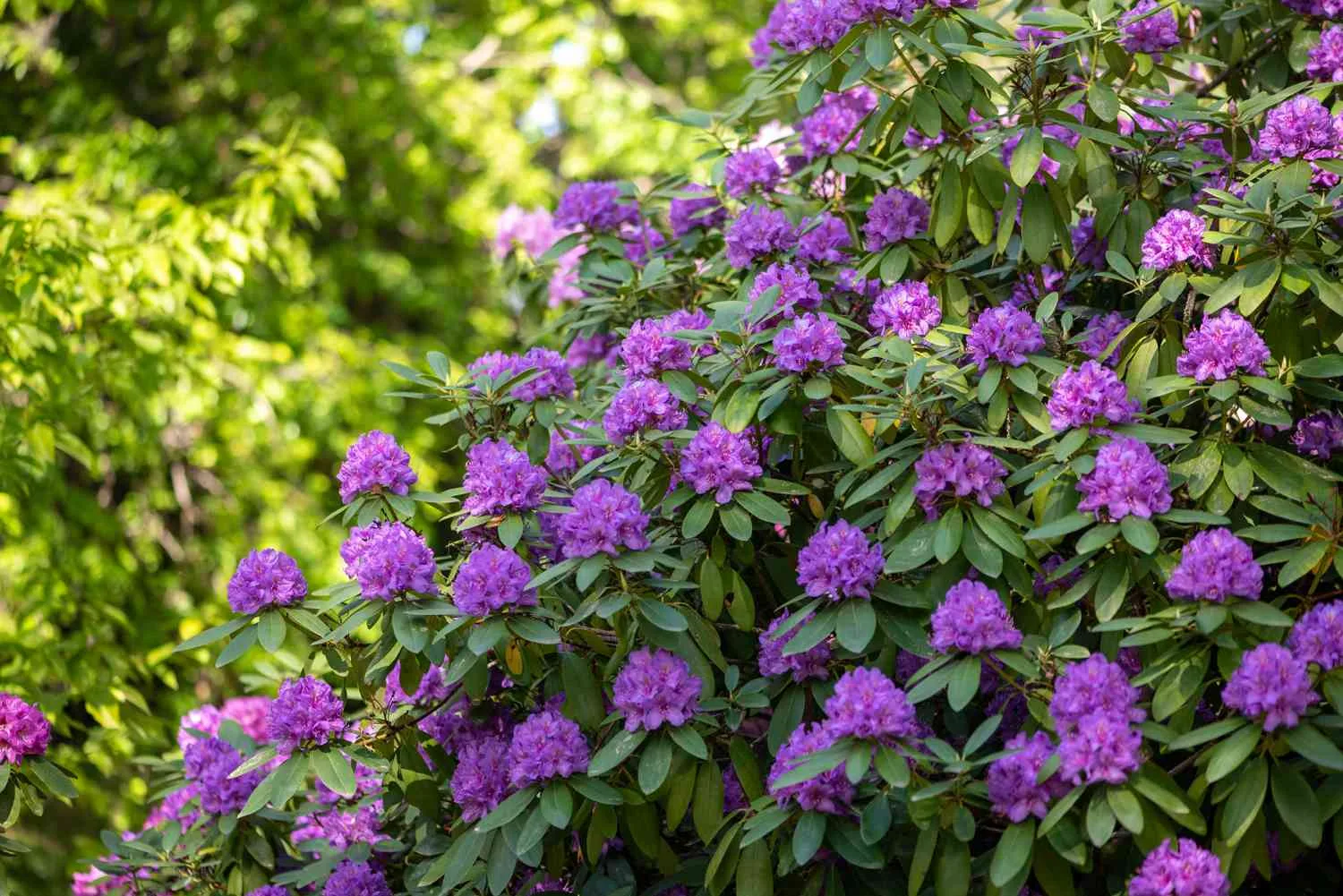
Rhododendrons are ornamental shrubs valued mainly for their abundant spring flowering and beautiful evergreen foliage. Their flowers may be white, pink, purple, red, cream or bicolored, gathered in large clusters that create a spectacular display in the garden.
They are often confused with azaleas, and not without reason. Azaleas are actually part of the large genus Rhododendron. In everyday gardening, however, we usually call the larger, often evergreen shrubs with large leathery leaves “rhododendrons,” while the more delicate, lower-growing and often deciduous or semi-evergreen forms are called “azaleas.”
Rhododendron is not a plant that shows off every day. It is a plant of anticipation - spending the whole year preparing for that short but very generous spring performance.
Where to Plant a Rhododendron
The best place for a rhododendron is partial shade - bright, but not scorching. An ideal location receives morning sun and afternoon shade, or dappled shade beneath tall trees. Deep shade is not ideal because the plant may grow weakly and flower less. Full southern exposure, especially in hot regions, is not ideal either because the leaves can suffer from overheating and drying out.
Rhododendrons prefer sheltered locations. Dry wind is one of their major enemies, particularly in winter and toward the end of summer. This is why they work so well in calmer parts of the garden: around a terrace, near a wall, in a shaded section of the yard, in a woodland-style planting or among plants that provide gentle protection.
If you garden in a particularly hot region, choosing the right position becomes even more important. A rhododendron is unlikely to be happy in an exposed, hot, rocky location. Give it a cooler corner where the afternoon sun does not hit it aggressively.
This post contains affiliate links. As an Amazon Associate, I earn from qualifying purchases at no extra cost to you.
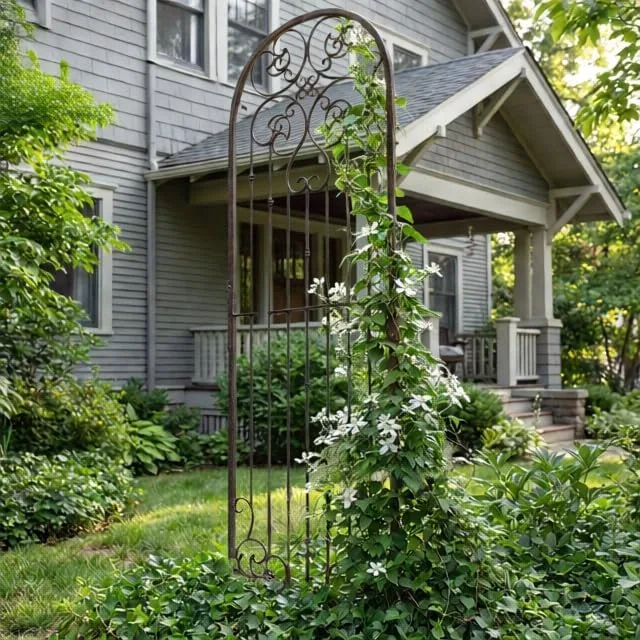
Rhododendrons create a broad evergreen mass, and a vertical element behind or beside the planting can make the whole corner feel more layered without asking the shrub itself to provide extra height.
This tall metal trellis is designed for climbers such as clematis and climbing roses. I would place it as a separate structure behind the rhododendron border and choose a climber suited to the available light rather than allowing a vigorous vine to grow directly through the shrub.
What Kind of Soil Does a Rhododendron Like?
There is not much room for compromise here. Rhododendrons prefer acidic, organic-rich, loose and well-drained soil. If the soil is calcareous or strongly alkaline, the plant begins to struggle because it cannot absorb certain nutrients efficiently.
One of the most common signs of unsuitable soil is yellowing foliage with green veins. This is often caused not by a lack of fertilizer, but by unsuitable pH. And this is where the classic mistake begins - we add more fertilizer instead of solving the soil problem.
Important: rhododendrons do not like lime, wood ash or strongly alkaline soil amendments. What helps one plant can create problems for another.
When planting, acidic peat, leaf mold, composted conifer material or a ready-made potting mix for acid-loving plants can be used. The soil should retain moderate moisture without becoming a wet, heavy mass. Rhododendron roots are shallow and sensitive, so drainage is just as important as acidity.
Planting and Mulching
A rhododendron should not be planted too deeply. The root collar should remain close to soil level. If the plant is buried too deeply, it may begin to struggle because its roots need air.
Mulching after planting is very useful. Pine bark, conifer litter, leaf mold or wood chips are suitable options. Mulch helps conserve moisture, reduces overheating of the roots and gradually improves the upper layer of soil.
However, mulch should not be piled tightly against the stems. Leave a little open space around the base to prevent excess moisture from collecting and reduce the risk of rot.
Watering and Feeding
Rhododendrons like even moisture. They do not like prolonged drought, but they do not like waterlogged soil either. This is a plant of balance - moisture should be regular, while the soil remains airy.
Watering is especially important during the first few years after planting and during dry periods. In hot summers, leaves may begin to wilt or develop brown edges. This is not always a disease. It is often a sign that the plant is losing moisture faster than the roots can replace it.
Feeding should be moderate. It is best to use a fertilizer formulated for rhododendrons, azaleas or other acid-loving plants. Feeding is usually done in spring, and it is best not to overdo it afterward, particularly late in the season.
Why Doesn't My Rhododendron Bloom?
This is one of the most common questions. A rhododendron may fail to flower for several reasons: insufficient light, incorrect pruning, frost-damaged flower buds, drought during the period when buds are forming or unsuitable soil.
It is important to remember that the buds for the following year are formed relatively early. If the plant suffers during summer, this may affect flowering the following spring. Rhododendron care therefore does not end when the flowers fade.
| Problem | Possible Cause | What to Do |
|---|---|---|
| Yellow leaves with green veins | Unsuitable pH, calcareous soil | Check the soil and use potting mix/fertilizer for acid-loving plants |
| No flowers | Too little light, frost-damaged buds or incorrect pruning | Choose a better location, protect from wind and prune only after flowering |
| Brown leaf edges | Dry wind, heat or irregular watering | Mulch, maintain even moisture and provide a more sheltered location |
| Weak growth | Heavy soil, poor drainage or unsuitable acidity | Improve the soil and avoid waterlogging |
Pruning Rhododendrons
A rhododendron should not be pruned like a hedge. Its natural shape is part of its beauty. Usually, only dry, broken or diseased branches are removed, along with individual shoots that spoil the overall shape.
If pruning is necessary, the best time is after flowering. This helps avoid removing the flower buds for the next season. Young plants should be handled very carefully. Older, bare shrubs can be rejuvenated more heavily, but gradually rather than all at once.
After flowering, old flower clusters can be removed if they are easy to reach. This helps the plant look tidier and directs its energy toward growth, but there is no need to turn the job into a punishment involving pruning shears.
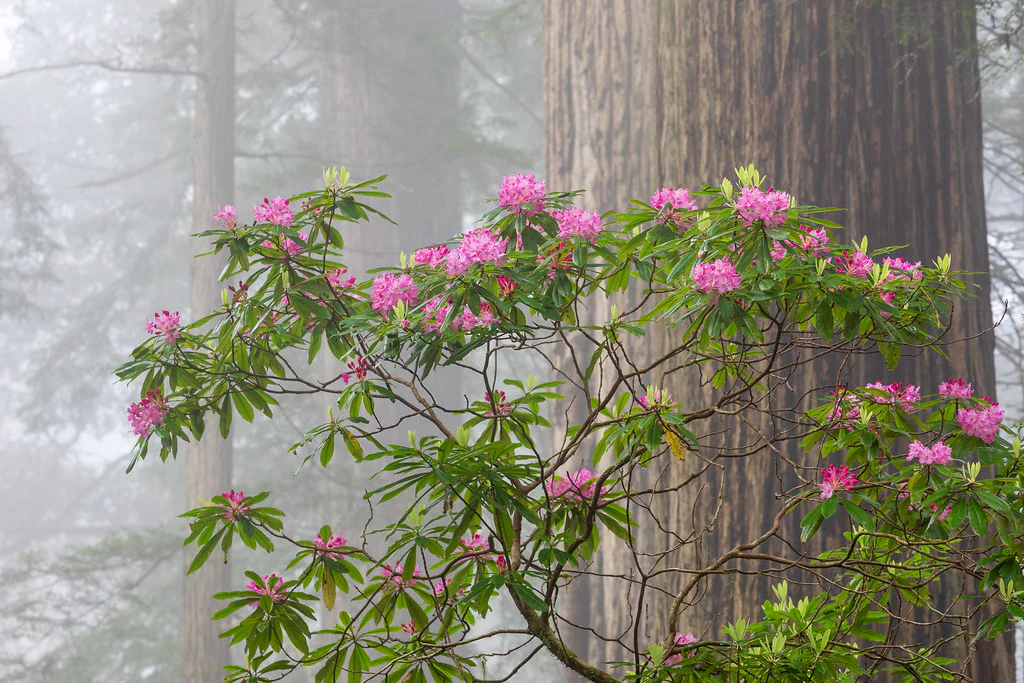
Can Rhododendrons Be Grown in Containers?
Yes, especially compact cultivars. A container has one major advantage - it makes the soil easier to control. This is particularly useful if your garden has calcareous or heavy soil.
The container should be large enough, with very good drainage and a suitable potting mix for acid-loving plants. Container-grown rhododendrons need more regular watering because their roots dry out more quickly. The pot should not overheat in summer, and in winter it is best protected from severe cold and wind.
What to Plant With Rhododendrons
Rhododendrons combine beautifully with plants that enjoy similar conditions - acidic to slightly acidic soil, partial shade and a relatively moist environment. Good companions include azaleas, Japanese maples, hostas, ferns, hydrangeas, dwarf conifers, heathers and ornamental grasses for a softer transition.
From a design perspective, rhododendrons work well as a backdrop or as a dense evergreen mass. They can be used in a shady border, beside a path, around a terrace, near a water feature or as part of a Japanese-style garden. They are particularly beautiful alongside Japanese maples - one contributes delicate structure, the other density and flowers.
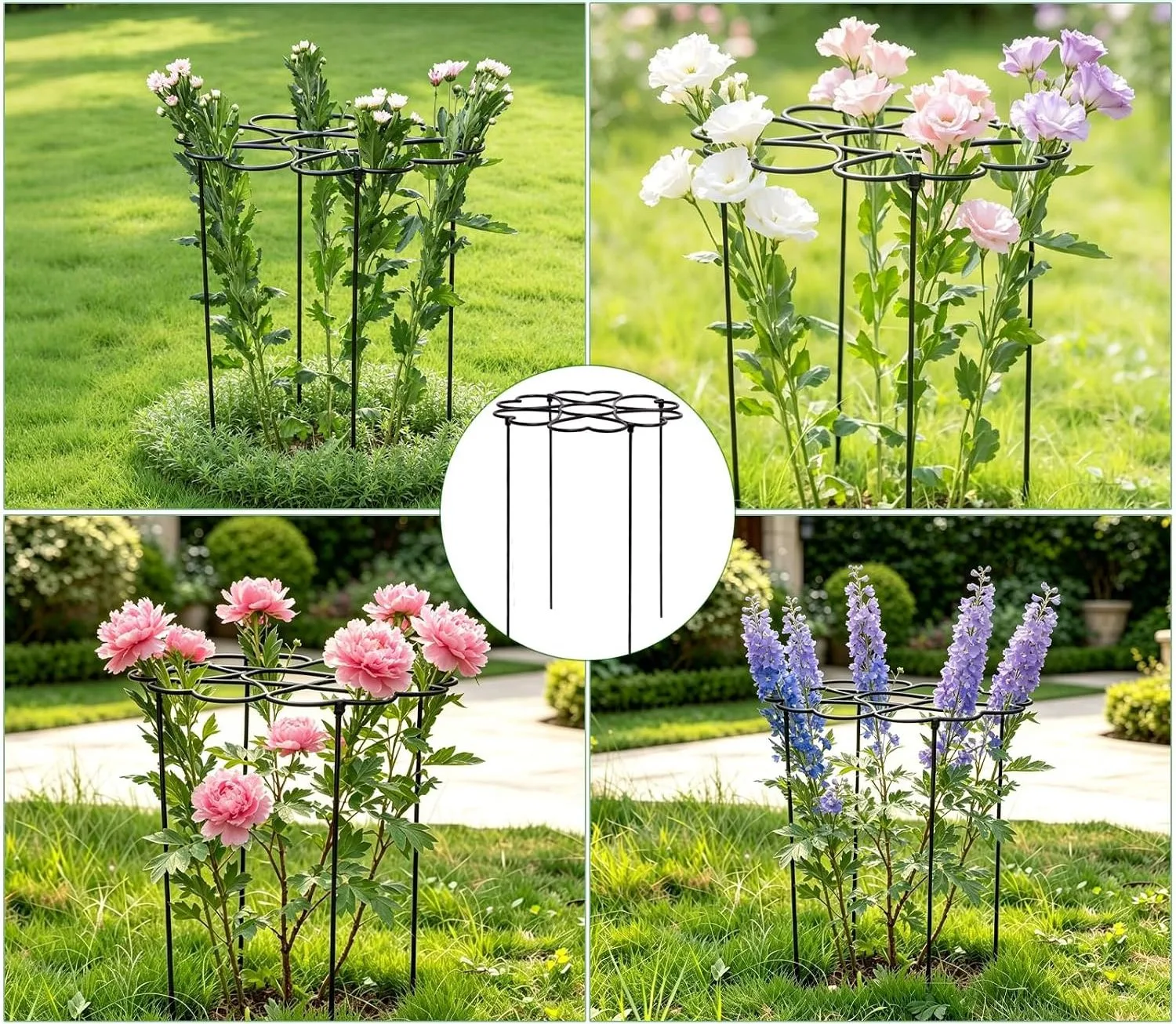
Rhododendrons themselves do not need plant cages, but a mixed ornamental border may include taller flowering perennials around or in front of the evergreen shrubs.
Where those companion plants become top-heavy after rain or flowering, a discreet support can help keep stems from collapsing across a path or onto the rhododendron. I would use these only for plants that genuinely need support rather than trying to restrain the natural shape of the rhododendron itself.
Is a Rhododendron Worth Growing?
Yes, if you have the right location and are prepared to pay attention to the soil.
Rhododendron is not a universal shrub for every corner of the garden. But in partial shade, with acidic, loose and moist soil, it can become one of the most beautiful plants in an ornamental garden.
It does not simply flower. It creates the feeling of a complete, calm and more mature garden composition.