
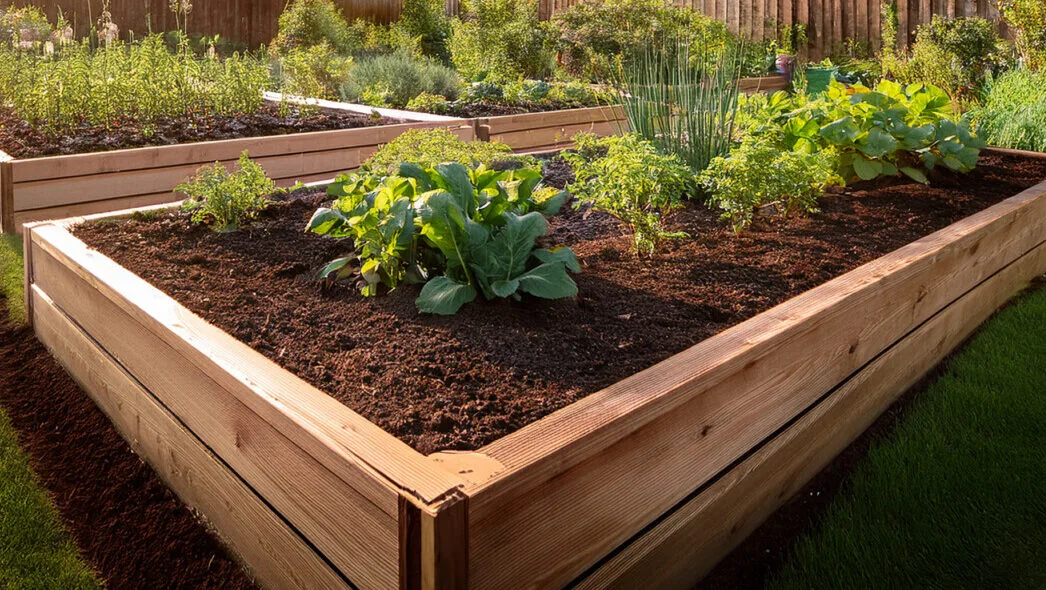
Raised beds are one of the most practical ways to organize a home vegetable garden, especially when the native soil is heavy, poor or difficult to work.
They give you greater control over the soil mix, drainage, access to plants and the overall layout of the growing space.
A raised bed, however, is not automatically better than an in-ground garden bed. It works best when the size, materials, soil and watering system are suited to the site.
The greatest advantage of a raised bed is not its height, but the control it gives you over the conditions around plant roots.
What Is a Raised Garden Bed?
A raised bed is a growing area where the soil sits above the surrounding ground level.
It can be contained within a frame made of wood, metal, brick or stone, or it can simply be shaped as a raised mound without permanent sides.
When Does a Raised Bed Make the Most Sense?
Raised beds are particularly useful where the native soil is heavy, badly compacted or difficult to cultivate.
They also work well in smaller yards where a clearly organized growing space is important.
If you already have good garden soil, there is no requirement to build tall structures. A simple, slightly raised bed may be all you need.
What Width and Height Should You Choose?
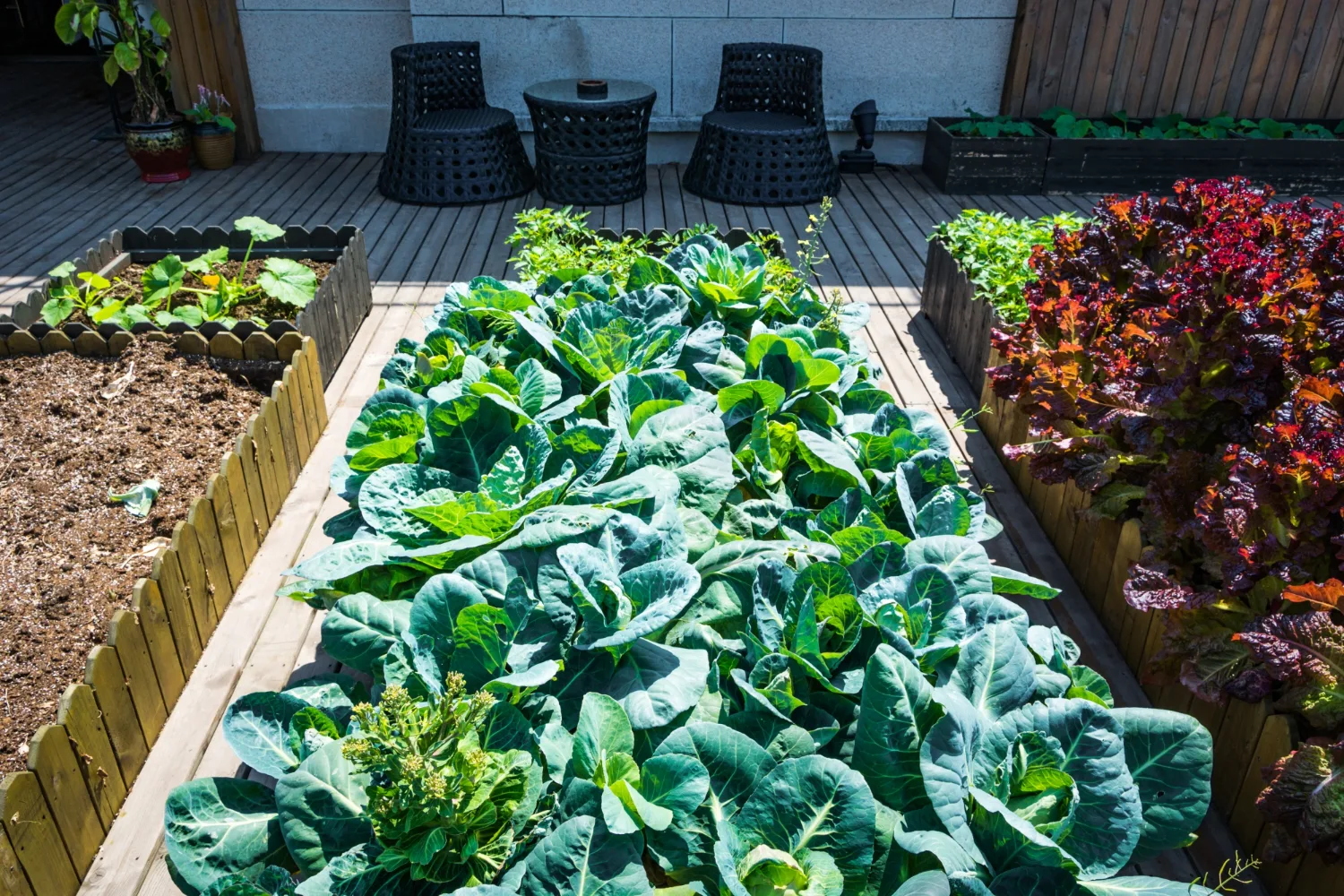
The most important dimension of a raised bed is usually its width.
You should be able to comfortably reach the center without stepping onto the soil.
| Measurement | Practical guideline | Why it matters |
|---|---|---|
| Width | About 3-4 feet when the bed can be reached from both sides. | This allows you to reach the center without stepping into the bed. |
| Length | There is no fixed rule. Around 6-13 feet is often practical for a home garden. | Very long beds can make it inconvenient to move between garden areas. |
| Height | Around 8-16 inches is sufficient for many situations. | Taller beds require more material and much more soil to fill. |
| Paths | Leave enough room to walk and work comfortably. | You need space for watering, carrying materials and maintaining plants. |
If the native soil underneath is good, you do not necessarily need a very deep structure. Taller beds can be helpful where the native soil is poor or when easier physical access is important, but they require significantly more material to fill.
What Material Should You Use for the Frame?
The frame needs to withstand the pressure of moist soil as well as outdoor conditions.
The best material depends on your budget, preferred appearance and how long you want the structure to last.
| Material | Advantages | What to consider |
|---|---|---|
| Wood | Easy to work with and has a natural appearance. | It will eventually deteriorate. Use material suitable for contact with soil and edible crops. |
| Metal | Durable and relatively thin, so it does not take up much growing space. | Metal can become hot in strong direct sunlight. |
| Stone or brick | Stable and long-lasting. | More labor-intensive to build and difficult to move later. |
| No frame | The simplest and least expensive option. | The sides may gradually collapse and need occasional reshaping. |
What Should You Fill a Raised Bed With?
This is one of the areas where raised beds are most often set up incorrectly.
A vegetable bed should not be filled only with pure compost, peat or an extremely light potting mix.
Vegetables need a stable soil environment that can hold nutrients and moisture while still draining properly.
- good-quality garden soil;
- well-finished compost;
- organic matter according to the needs of the soil;
- good structure without excessive compaction;
- enough soil volume for the crops you plan to grow.
A raised bed does not need a magical soil recipe. It needs good, stable garden soil.
Watering Is Different in a Raised Bed
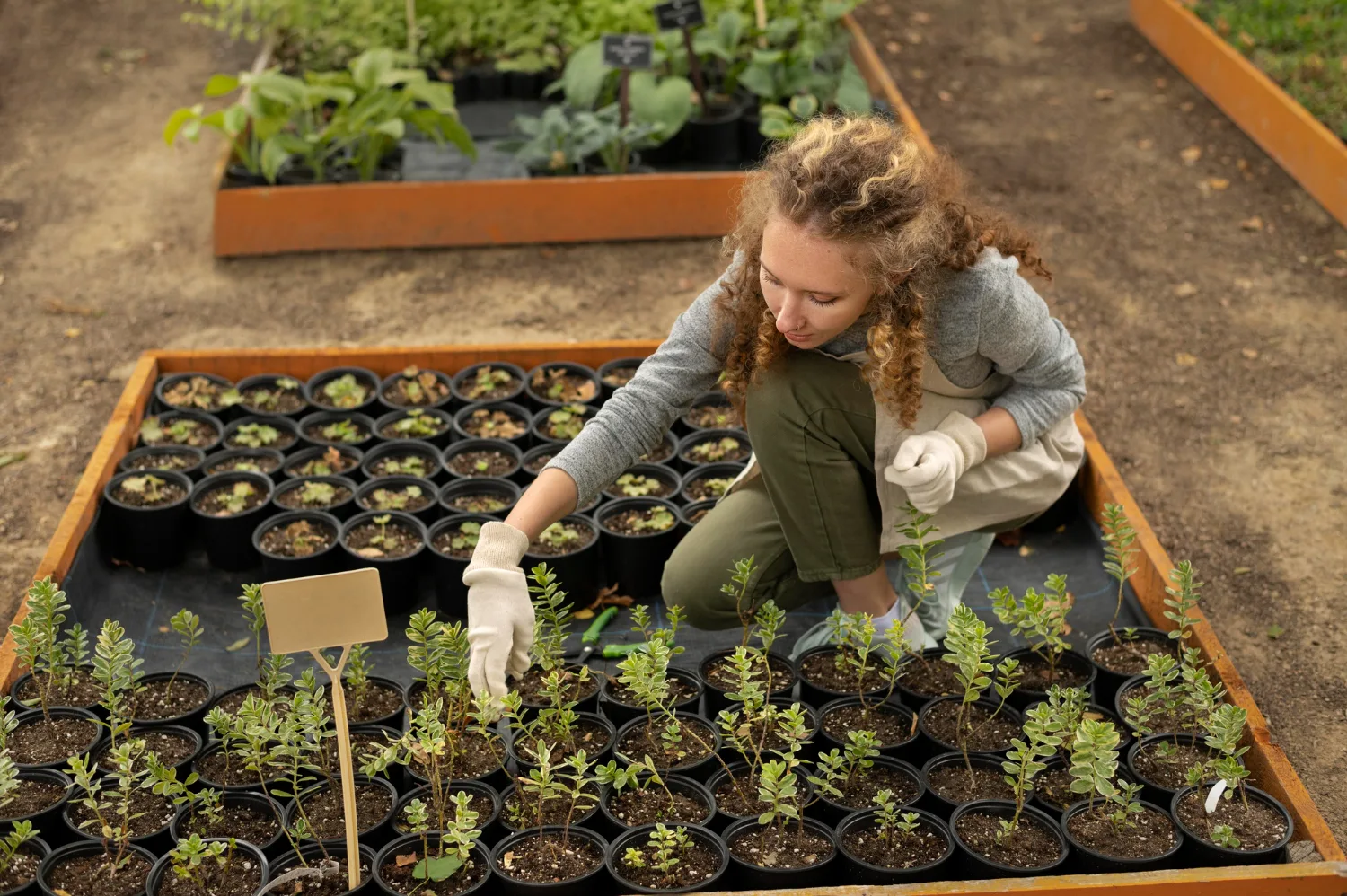
Raised beds often drain more quickly and may dry out faster during hot weather.
This is an advantage when the native soil is heavy and wet, but during summer it also means soil moisture needs to be monitored more closely.
How to Maintain the Soil Over the Years
Soil in a raised bed does not remain exactly the same forever.
Organic matter gradually breaks down, the soil level may sink, and the structure can change over time.
Instead of replacing all the soil every year, it is usually better to replenish and maintain it gradually.
- add compost as needed;
- monitor the soil level;
- avoid stepping inside the bed;
- rotate major crops when practical;
- watch how well the bed drains and holds moisture.
If the raised bed was originally filled with good mineral soil and organic matter, fertility can usually be maintained by adding compost and appropriate nutrients when needed.
What Can You Grow in Raised Beds?
Almost all common vegetable crops can be grown successfully in raised beds.
The main thing is to consider the mature size and root system of each crop.
| Crop | What to plan for |
|---|---|
| Tomatoes | Enough soil volume, sturdy support and consistent watering. |
| Cucumbers | A trellis can save space by allowing vines to grow vertically. |
| Peppers | Warm conditions, even moisture and enough spacing. |
| Leafy greens | Well suited to intensive use of smaller spaces. |
| Root vegetables | Need loose, sufficiently deep soil for proper root development. |
Common Raised-Bed Mistakes
Raised beds are a very practical way to organize a vegetable garden, but they do not need to be complicated or excessively tall.
The most important things are a comfortable width, good drainage, a stable soil mix and easy access from the paths.
When a raised bed is built sensibly and the soil is maintained with organic matter, mulch and proper watering, it can remain productive for many years.