
Table of Contents
Amaryllis is one of those plants that can almost create the Christmas decoration all by itself. One large bulb, a tall flower stalk and several enormous blooms - red, pink, orange or white.
If you plant the bulb a few weeks before the holidays, you may have a flowering amaryllis just when the garden outside has already gone quiet for winter.
And the best part is that there is no need to throw the bulb away after flowering. If we help it rebuild its reserves, it can bloom again.
How to Plant Amaryllis
When I get an amaryllis bulb, I choose a container that is only slightly larger than the bulb itself - approximately 2-3 cm wider than its diameter.
I add soil mixed with a little sand so the growing medium stays light and water does not remain around the bulb.
At the beginning, the bulb itself contains much of the stored energy needed for its first growth. That is why there is no need to compensate with lots of water.
Then the Real Show Begins
Under suitable conditions, amaryllis begins to grow surprisingly quickly.
Long leaves appear and seem to gain another few centimetres almost every day. In the original article I described them as teenagers fed on steaks - and, frankly, I still like the comparison.
Then comes the flower stalk, and the large buds gradually open into spectacular blooms. It is precisely this short but impressive performance that makes amaryllis such a wonderful plant for winter and the holiday season.
Amaryllis does not try to be subtle. It simply enters the room and takes all the attention.
Bulb Size Matters
The size of the bulb is related to its potential to produce more flower stalks and more blooms.
Where to Place Your Amaryllis
I placed mine somewhere I pass by often.
That may sound like an insignificant detail, but it is actually part of the pleasure. Amaryllis changes almost daily, and it is fascinating to watch the stalk grow, the buds become larger and finally the flowers open.
The plant likes plenty of light, but in my experience it does not enjoy being kept in an overly warm spot.
Amaryllis as Part of Winter Decor
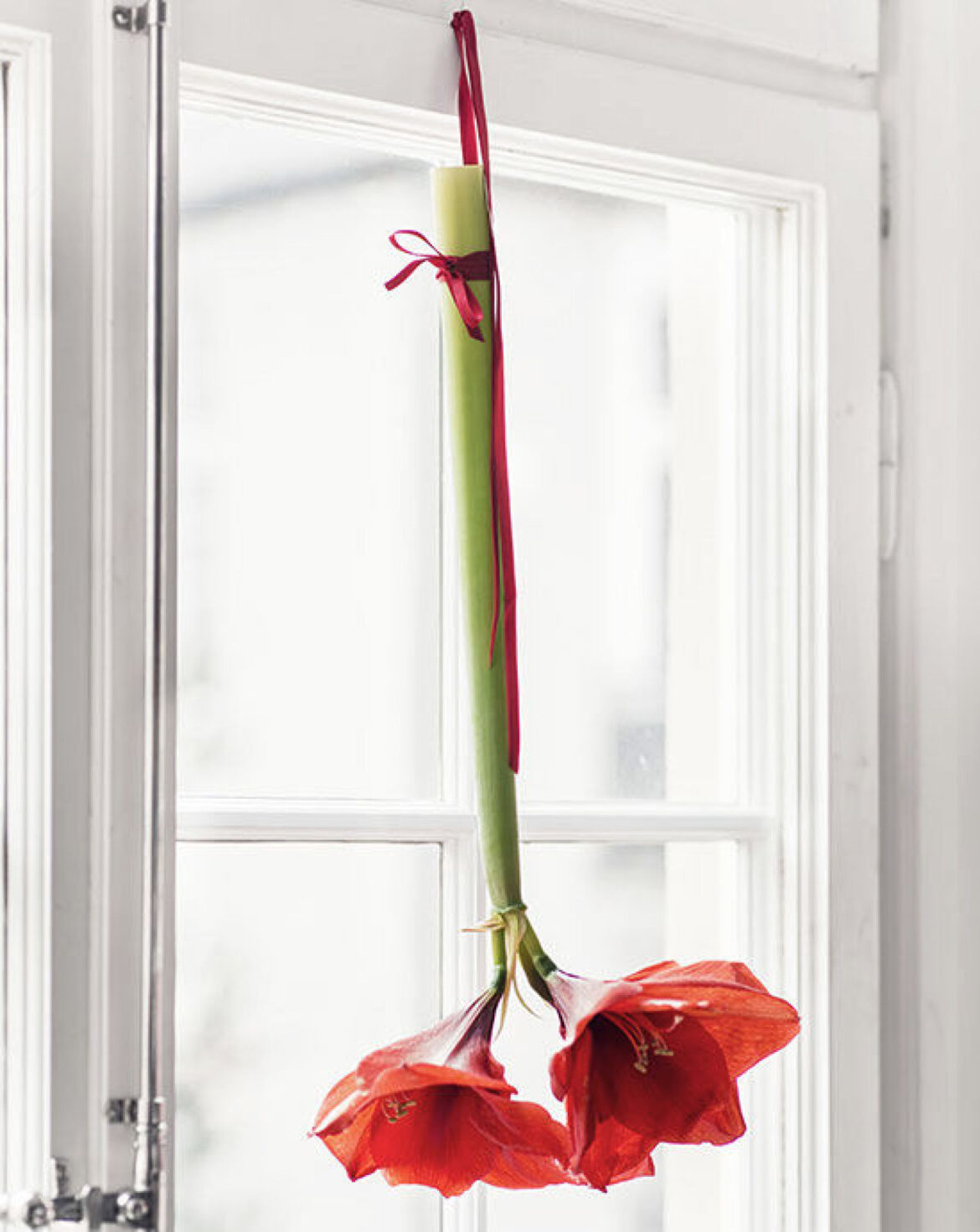
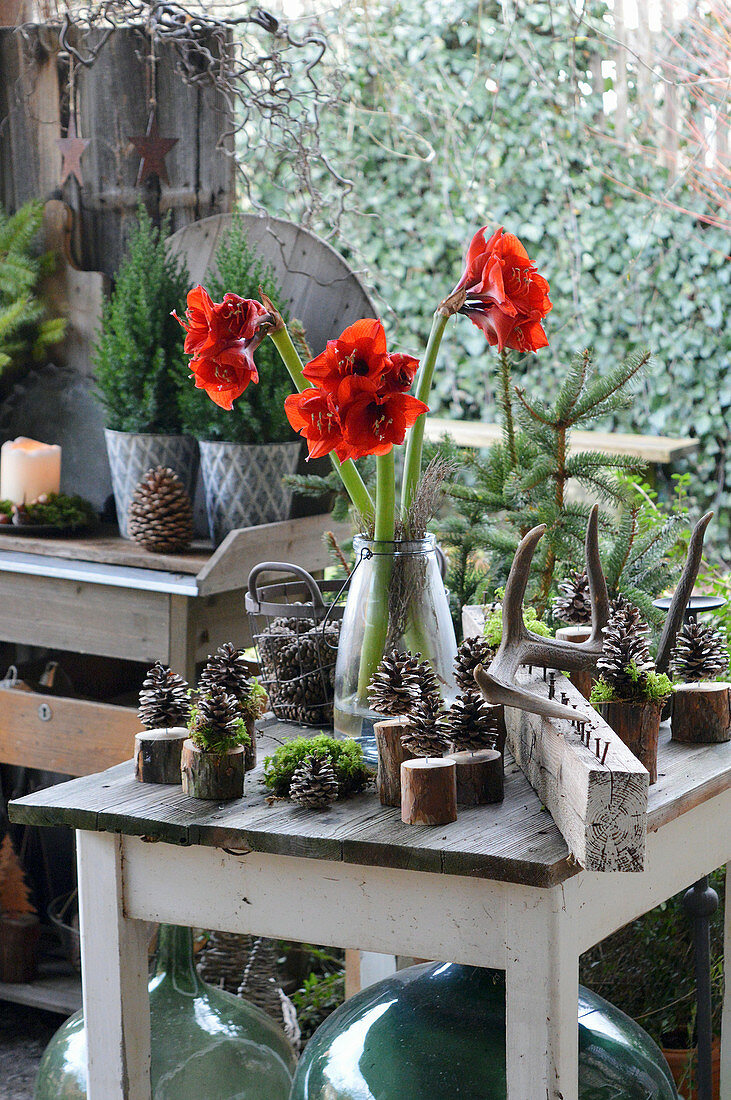
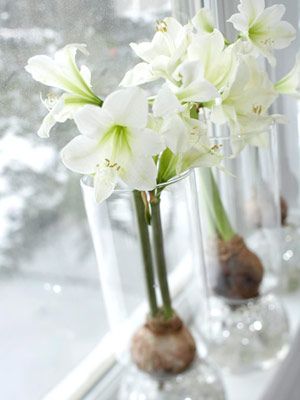
The large flowers are so striking that they really do not need much around them. A beautiful container, one strong shape and the plant itself are already enough.
That is exactly why I like amaryllis so much as part of winter decor - it does not need to be surrounded by lots of decorative elements in order to be noticed.
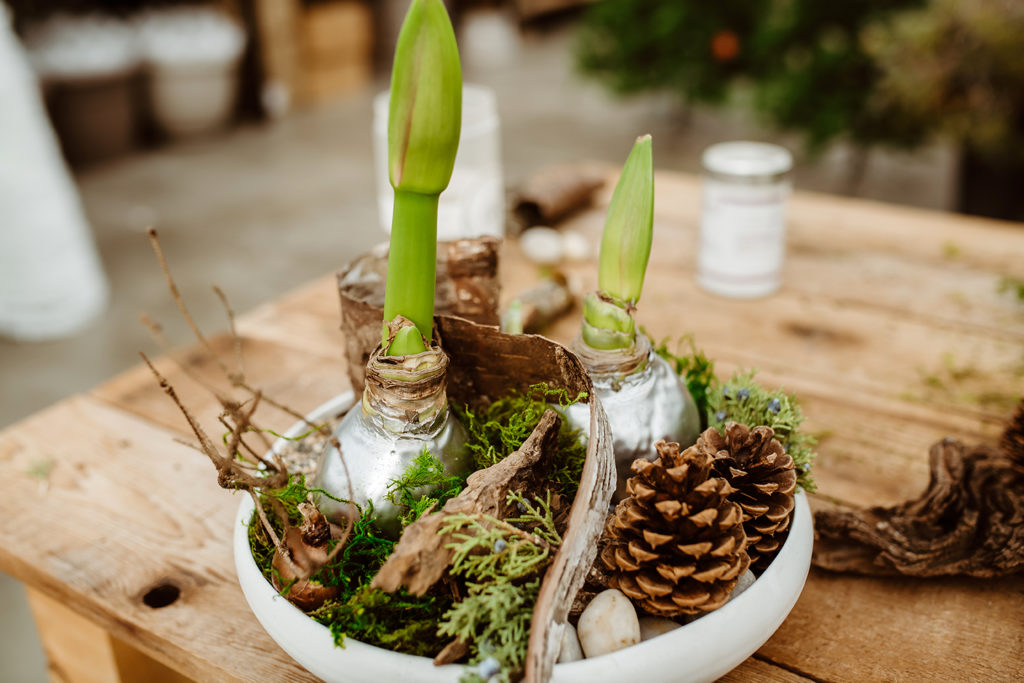
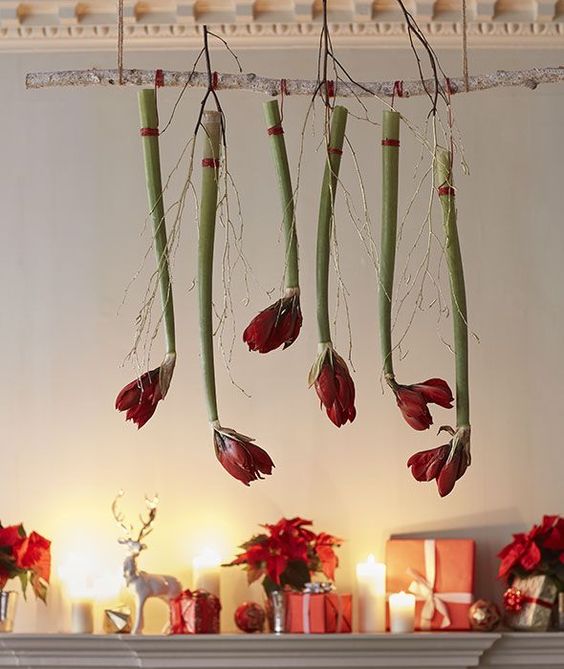
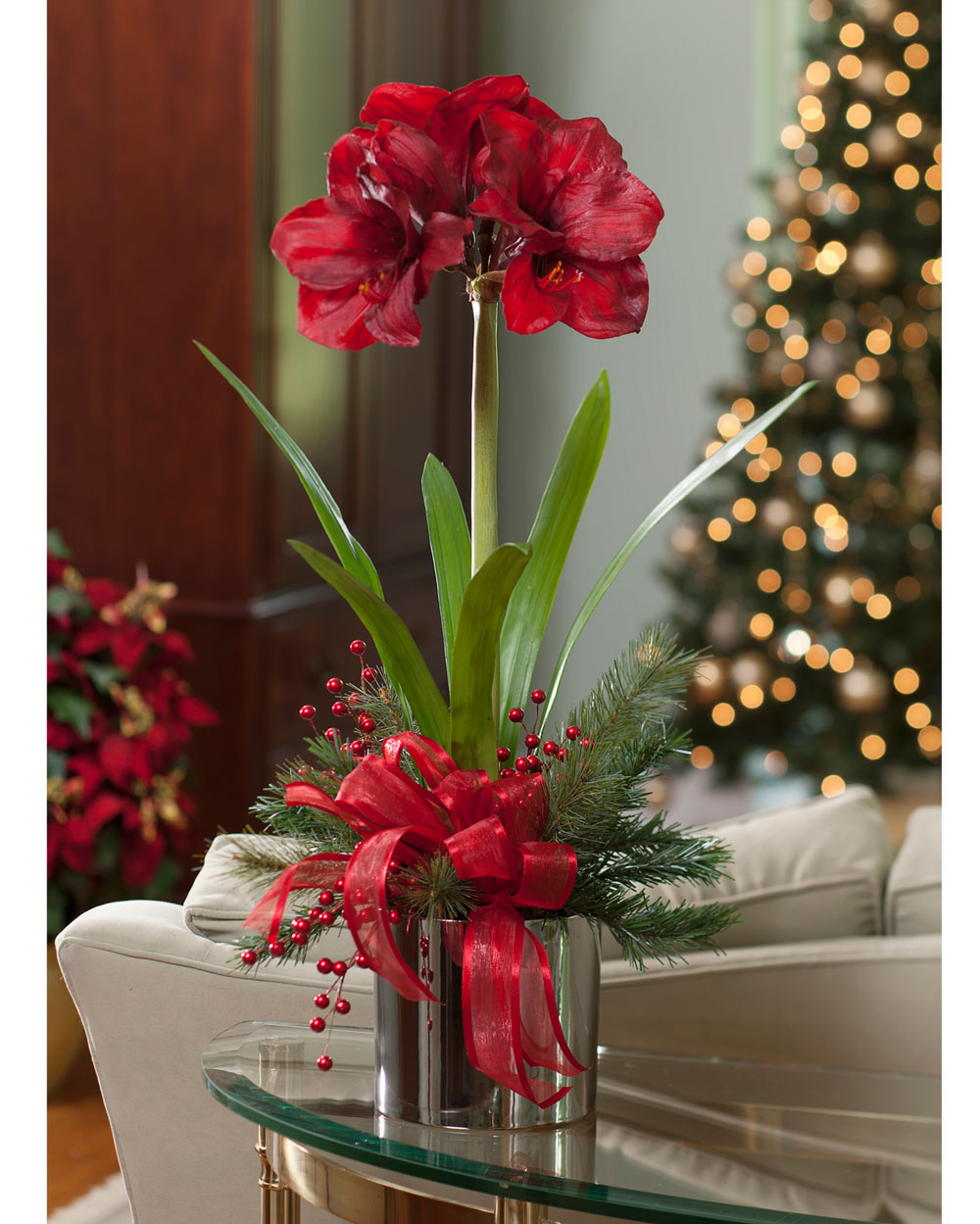
What I Do After the Amaryllis Finishes Blooming
This is where many people give up on the plant. The flowers fade and the bulb starts to look as if it has already served its purpose.
I do the opposite.
I remove the faded flowers, but I leave the foliage.
The leaves are the important part of the next stage. As long as they remain green, they continue working and help the bulb rebuild the reserves it used for growth and flowering.
The Biggest Mistake Is Throwing the Bulb Away
The large bulb acts as a kind of storage system for the plant. During flowering, it uses the resources it has accumulated, and afterwards it needs time to rebuild them.
So the leaves are not an unnecessary leftover once the flowers are gone. Quite the opposite - they are the part we need to keep.
Keep the soil slightly moist without overwatering. Bulbs do not like sitting in constantly wet soil, and excess moisture can lead to rot.
After Flowering, the Bulb Begins to Recover
Once the flowers have faded, I leave the green foliage to continue doing its job. Good soil, light and moderate moisture help the bulb gradually rebuild its reserves.
This is the important stage if we want the amaryllis to become more than just a one-season holiday decoration.
Moving the Amaryllis Into the Garden
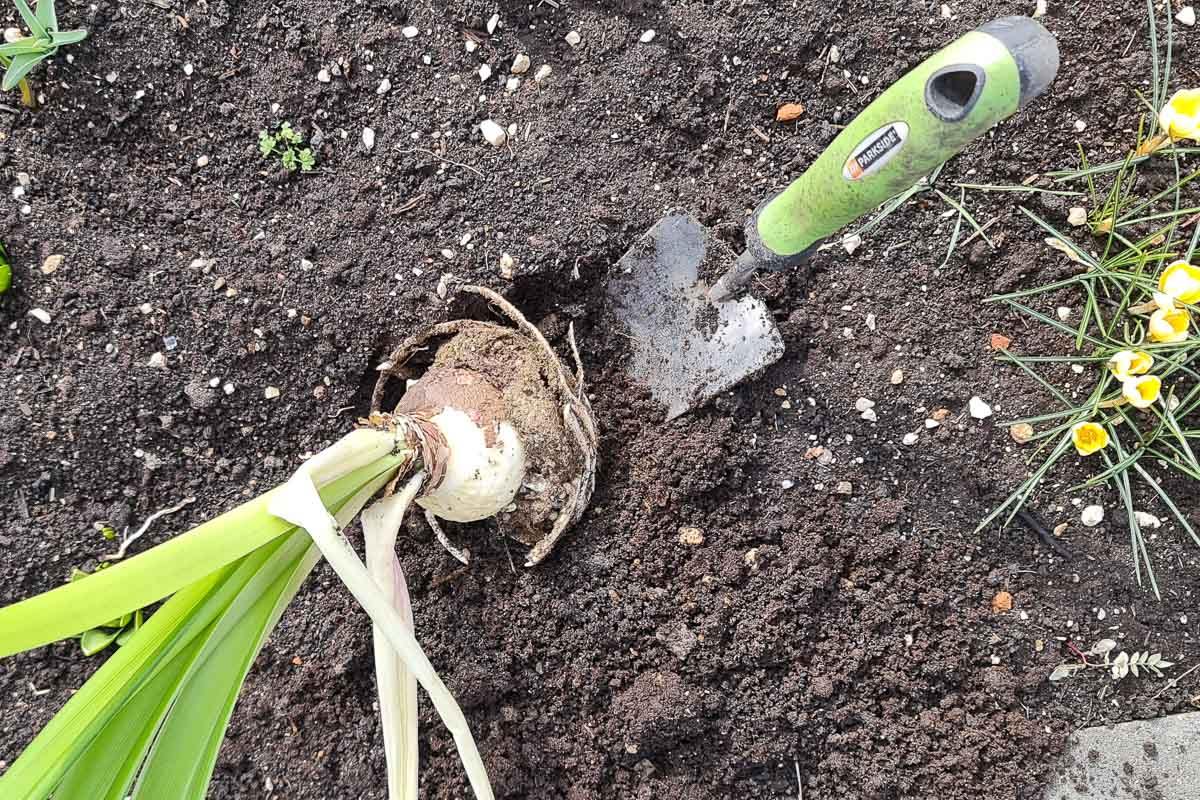
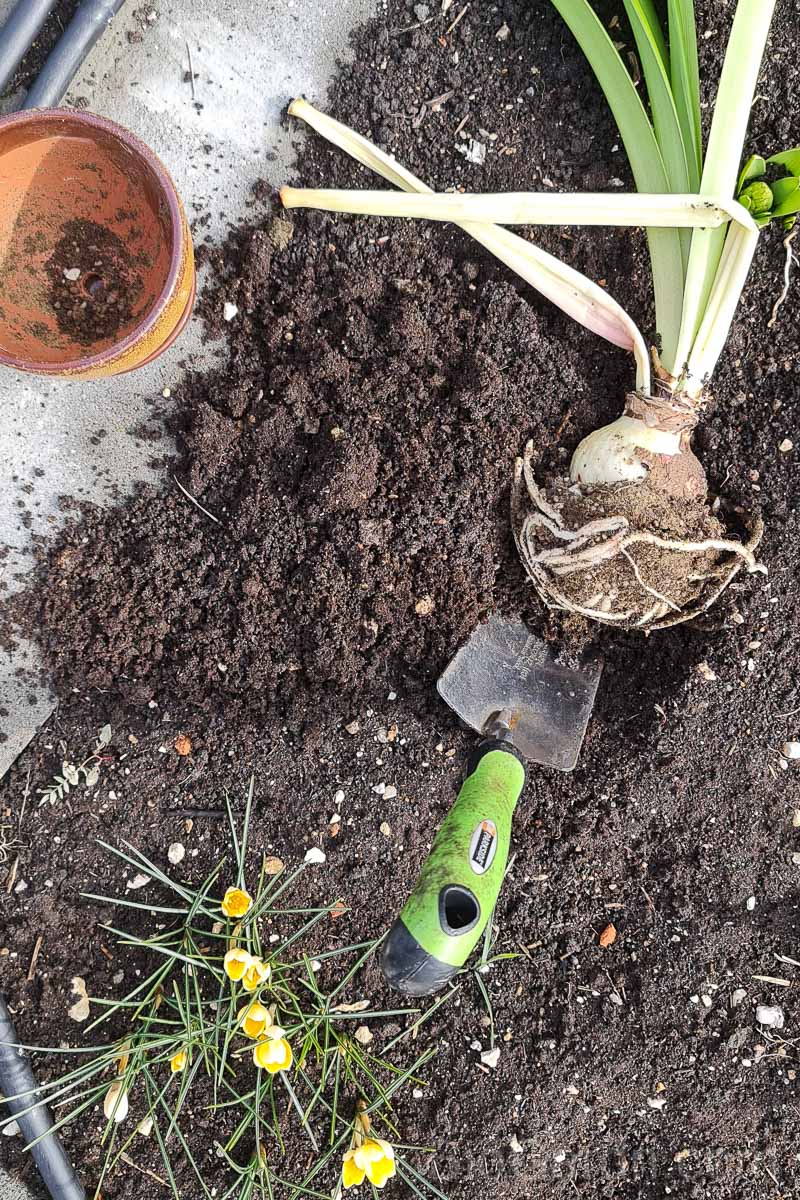
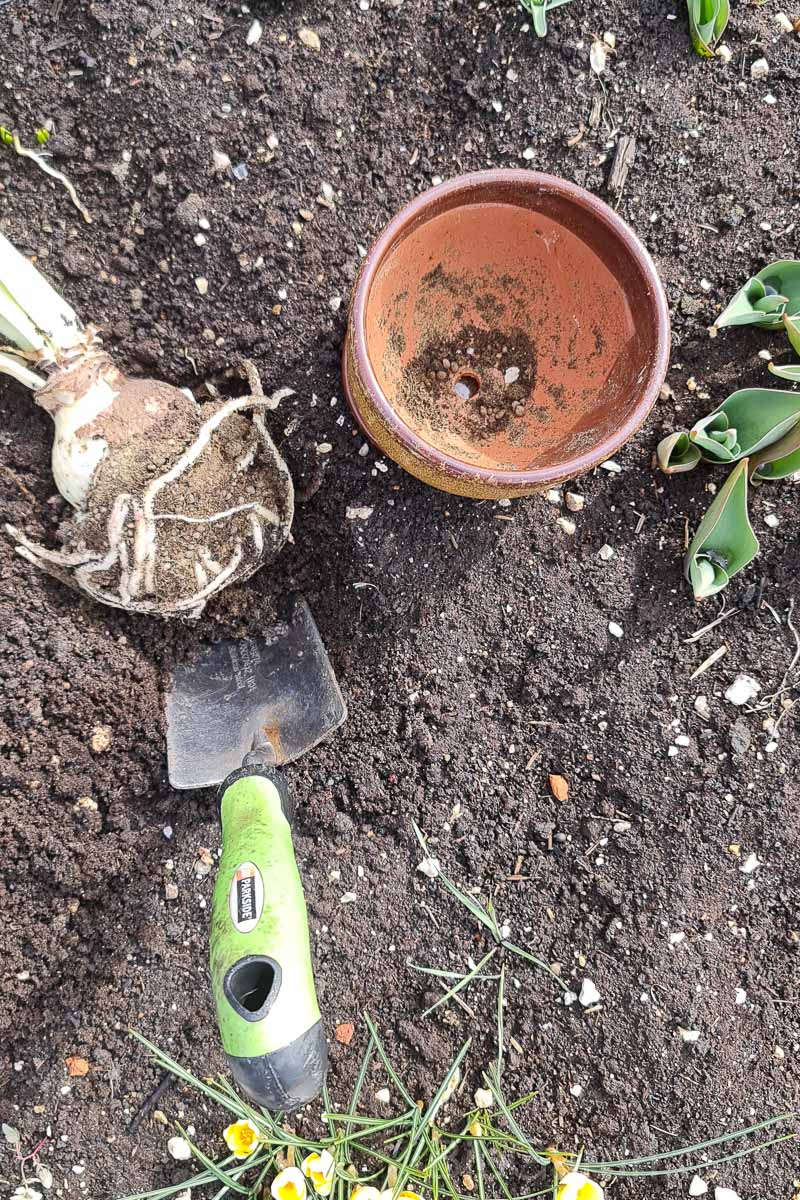
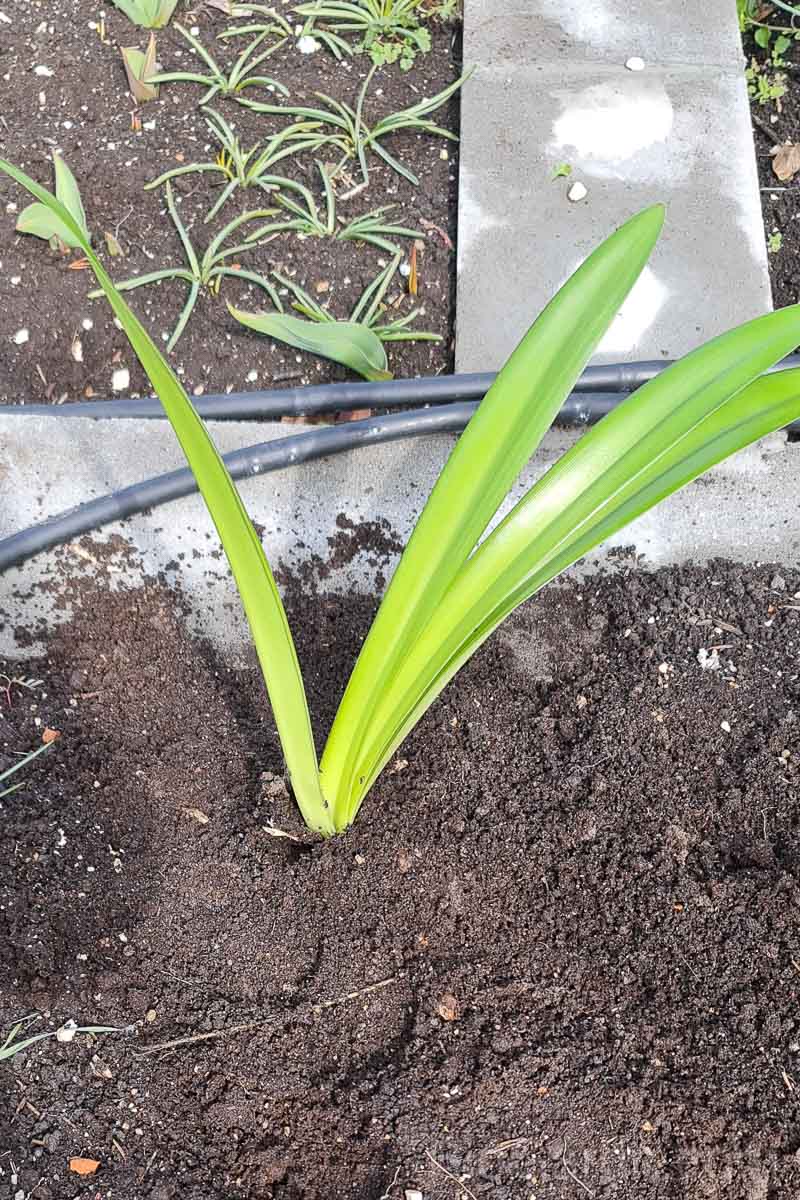
When outdoor conditions allow, the plant can be moved into the garden. For me, this is the natural next step after its time as a flowering indoor plant.
The following photos show exactly that process - from the pot to its new place outdoors.
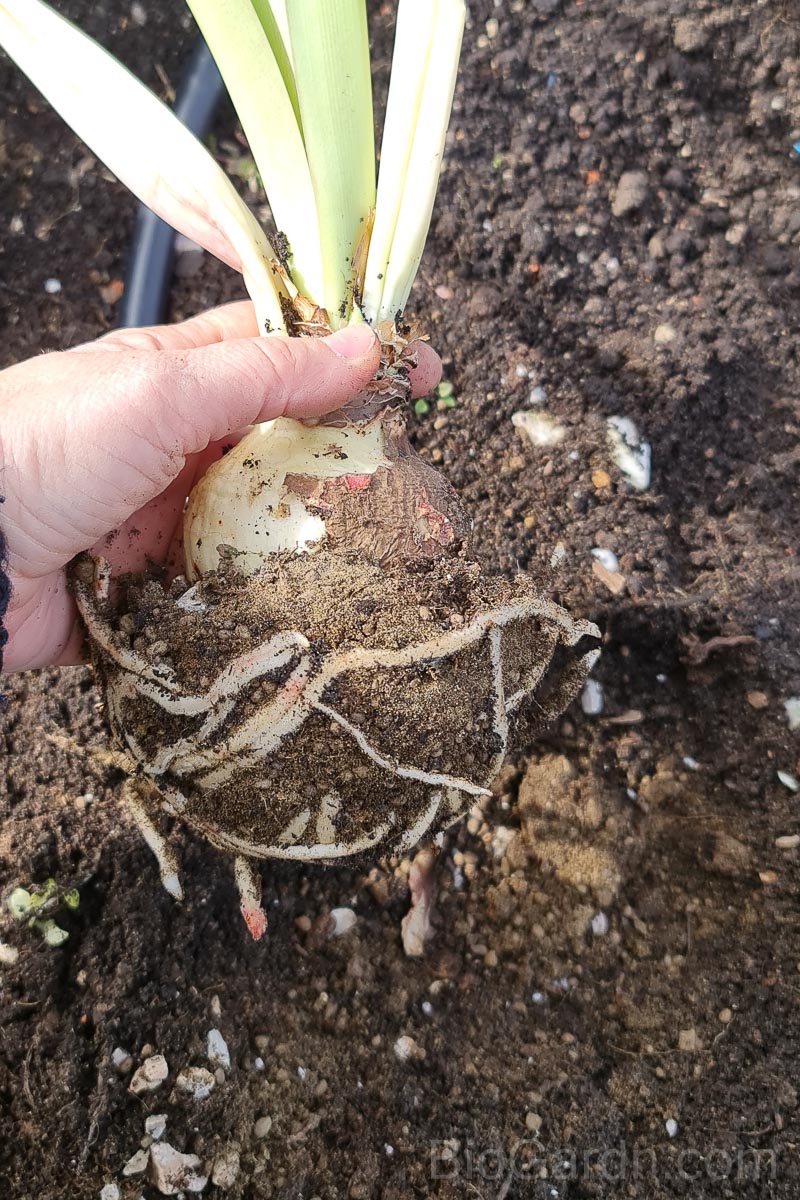
Amaryllis Can Be a Plant for More Than One Season
The idea is simple: once flowering is over, we do not stop caring for the plant. Instead, we give it the chance to continue its growing cycle.
In the garden, the leaves can continue developing throughout the warm season, while the bulb gradually rebuilds the reserves it used for its impressive winter display.
This way, amaryllis does not remain just a beautiful flower for a few festive weeks. The bulb can continue to be part of the home and garden into the following season.
Sometimes the best part of growing a plant begins just after its first flowering has ended.