
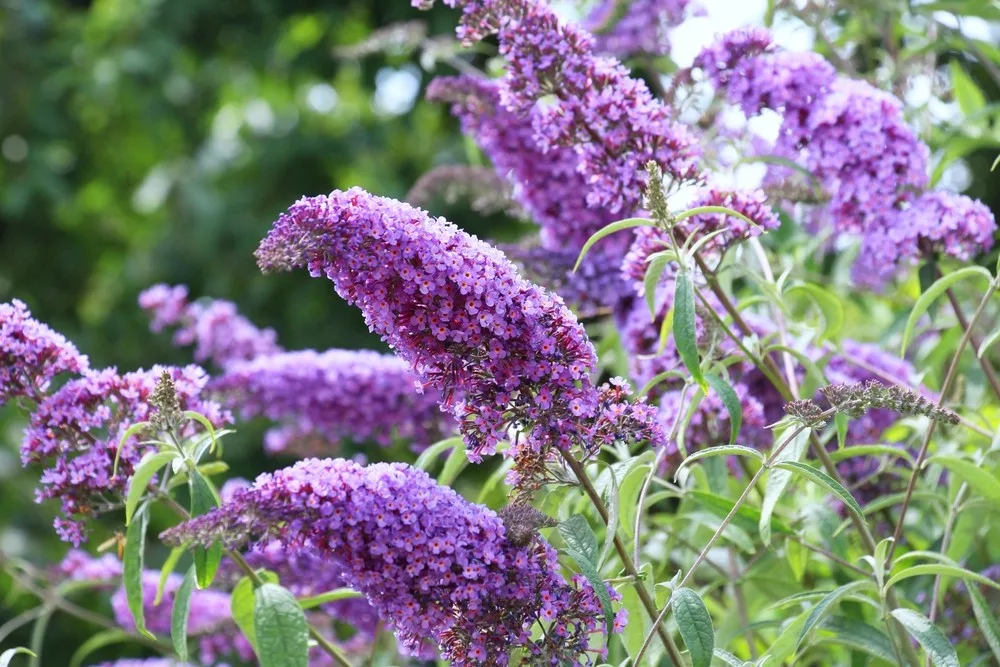
Buddleia is one of the most striking summer shrubs for sunny places. It flowers for a long time, attracts butterflies, tolerates heat and can turn a dry, hot corner of the garden into a colorful and lively composition.
Among plants for sun, heat and easier maintenance, buddleia stands alongside lavender, perovskia, santolina, yucca, barberry and spirea. But it has its own role — to bring summer flowers, height and movement to the garden when many spring shrubs have already passed their most beautiful moment.
Buddleia is often called the butterfly bush because its flowers attract butterflies and other pollinators. This makes it especially suitable for more natural, sunny and bio-oriented gardens, where we do not want only orderly greenery, but life as well.
What Is Buddleia?
Buddleia, most often Buddleja davidii, is a deciduous ornamental shrub with long flower panicles in purple, pink, white, bluish or violet shades. The flowers appear in summer and can continue for a long time, especially if faded flower heads are removed regularly.
The shrub grows quickly and can produce strong new shoots in a single season. It is on this new growth that the flowers form, which is why pruning is very important. Without pruning, buddleia can become tall, untidy and bare at the base.
Buddleia is one of those plants that does not sit quietly in the corner. It flowers, moves with butterflies and reminds us that the garden is not only a composition, but a living scene.
Why Buddleia Is Valuable in the Garden
Buddleia is valuable above all for its summer flowering. Many ornamental shrubs flower in spring and then remain mostly green. Buddleia does the opposite — it develops strongly in spring and becomes most interesting in summer.
It is very good for sunny places where we want a taller, free-growing, colorful shrub. It is suitable for the back of a border, along a fence, in a more natural composition, next to ornamental grasses or as part of a butterfly and pollinator garden.
Another advantage is that buddleia does not look overly formal. It has a free, slightly wild character. This makes it very good for gardens where we want more naturalness, movement and seasonal change.
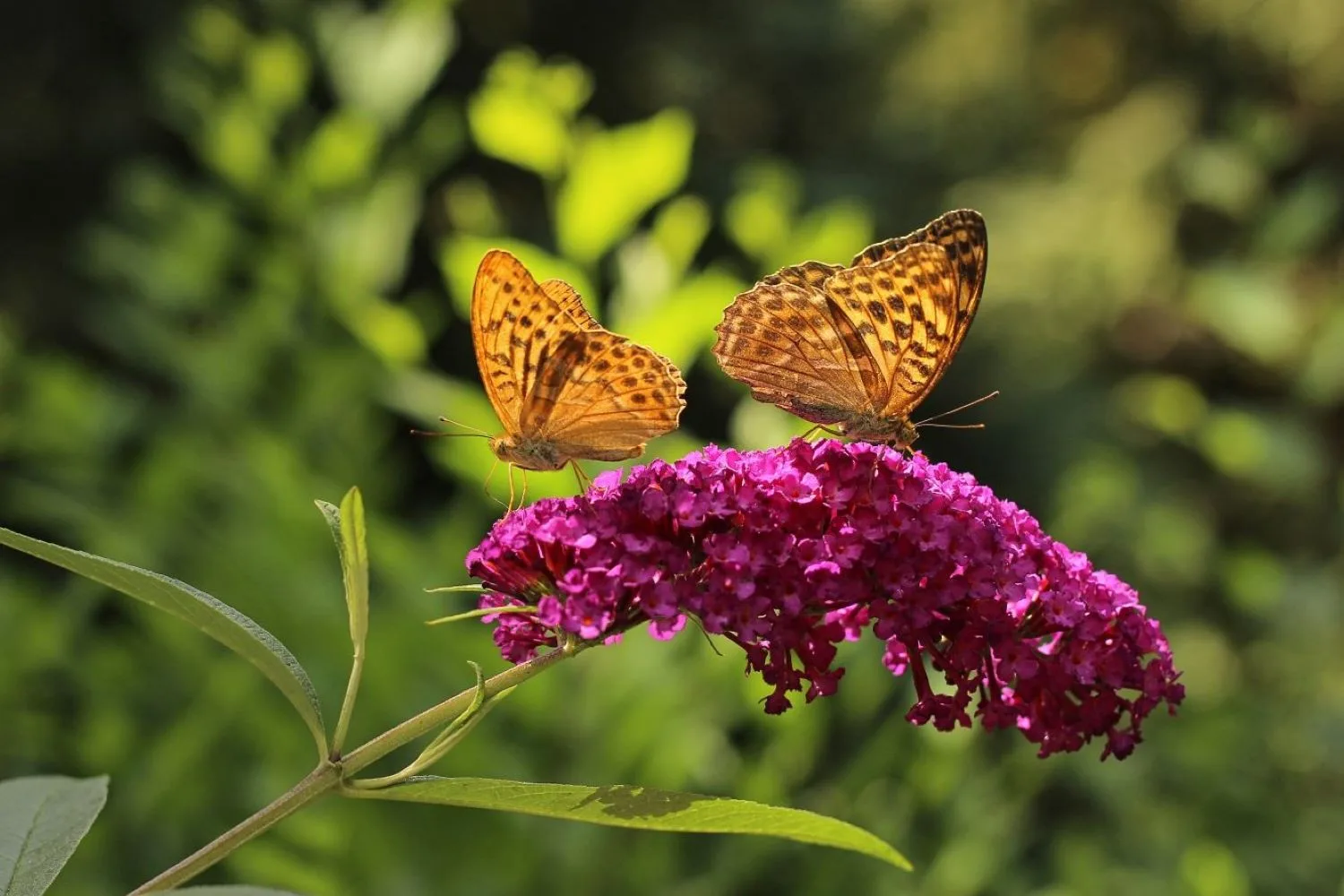
Where to Plant Buddleia
Buddleia loves sun. For abundant flowering, it needs an open, bright place with at least several hours of direct sun per day. It can grow in partial shade, but flowering is usually weaker and the shape becomes looser.
It is suitable for southern and western exposures, dry and warm borders, the back of planting beds, along fences, in mixed borders and in more naturalistic gardens. It looks good with plants that also love sun and lighter soil — lavender, perovskia, santolina, echinacea, ornamental grasses and salvia.
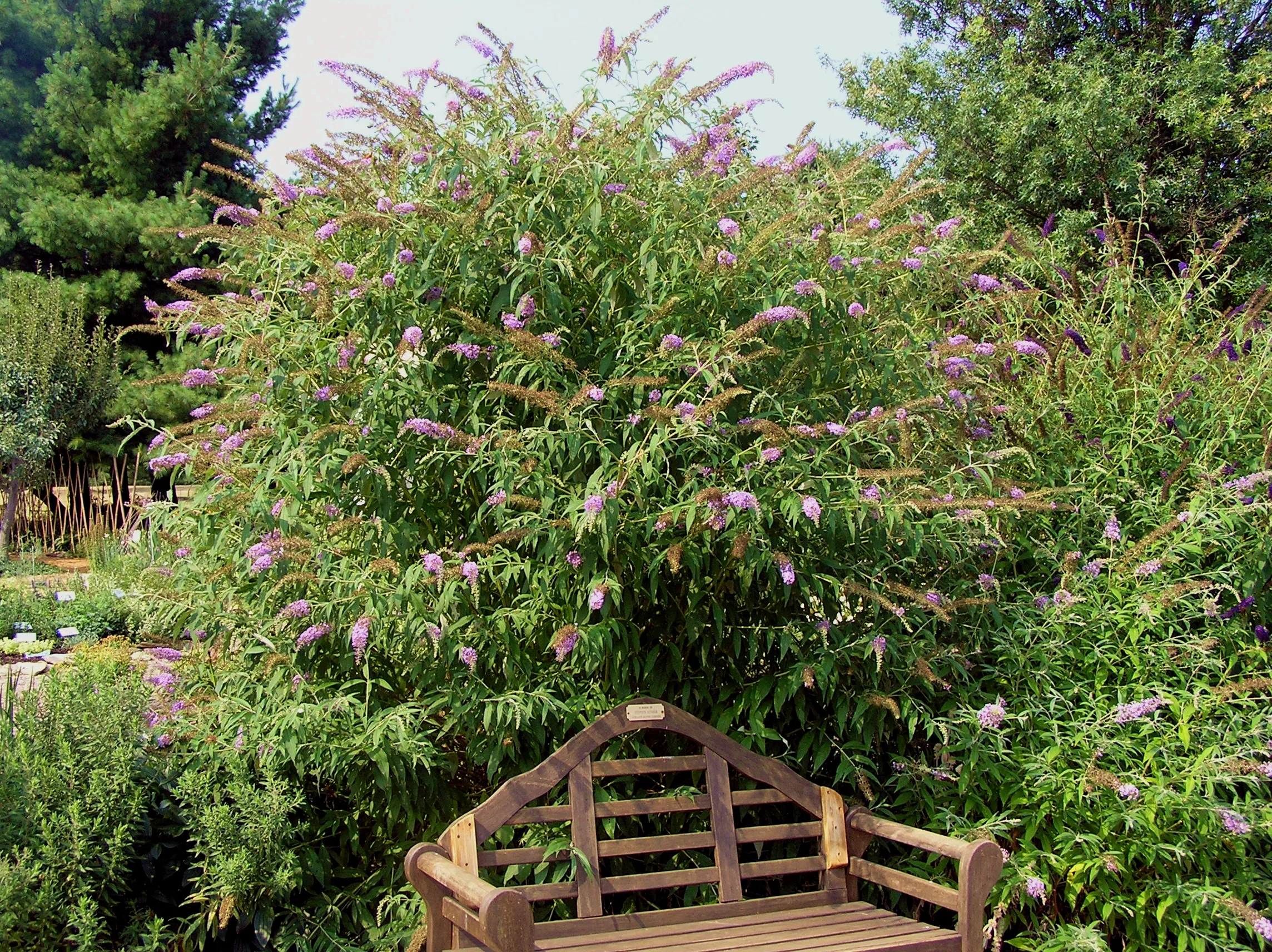
It is important to leave it enough space. Many buddleias look small in the pot when we buy them, but after a few seasons they can become wide and tall. It is not a good idea to plant them tightly next to narrow paths or small plants that will later be shaded.
Practical tip: plant buddleia where you will see the butterflies. Near a terrace, path or seating area, the effect is much more pleasant than if the shrub is hidden in a distant corner.
What Soil Does Buddleia Like?
Buddleia prefers well-drained soil. It is not very demanding, but it does not like heavy, constantly wet ground. In waterlogged places, the roots suffer and the plant weakens.
It grows well in lighter, moderately fertile soils. If the soil is heavy clay, it is a good idea to improve it with compost and materials that make the structure more airy. If the place holds water in winter, it is better to choose another spot or a slightly raised bed.
Once established, buddleia tolerates drought fairly well. This does not mean young plants should not be watered. The first year is important for rooting, especially in hot regions.
Popular Types and Cultivars of Buddleia
The most widespread species is Buddleja davidii, which has many cultivars with different height, color and compactness. Classic forms are taller and freer, while newer compact cultivars are suitable for small gardens and even large containers.
'Black Knight' is a cultivar with dark purple flowers and a strong presence. It is suitable for larger borders and as a contrast next to light-colored plants.
'Royal Red' has purple-red flower panicles and a warm effect. It is a good choice for sunny compositions with pink, silvery and purple plants.
'White Profusion' is a white buddleia that looks lighter and more elegant. It works very well in combinations with ornamental grasses, perovskia and lavender.
Compact cultivars are suitable for small gardens, foreground planting and containers. With them, it is important to check the real size, because “compact” does not always mean miniature.
| Cultivar | What It Looks Like | Where It Works Best |
|---|---|---|
| 'Black Knight' | Dark purple flower panicles, strong color accent | Large sunny borders, background planting, contrasting compositions |
| 'Royal Red' | Purple-red flowers | Warm-colored borders, sunny beds |
| 'White Profusion' | White flower panicles, lighter and more elegant appearance | Compositions with grasses, perovskia, lavender and silvery plants |
| Compact cultivars | Lower growth, suitable for smaller spaces | Small gardens, containers, foreground or middle planting |
Watering and Feeding
Young buddleia should be watered regularly until it establishes. After that, it becomes more tolerant of dry periods. During very hot and prolonged summers, however, watering will help it stay fresher and flower for longer.
Feeding should be moderate. If there is too much nitrogen, the plant may produce a lot of green growth, but not necessarily better flowering. Compost in spring or light balanced feeding is enough in most cases.
With buddleia, the most important things are sun, drainage and pruning. Fertilizer cannot compensate for a poor position or lack of pruning.
This post contains affiliate links. As an Amazon Associate, I earn from qualifying purchases at no extra cost to you.
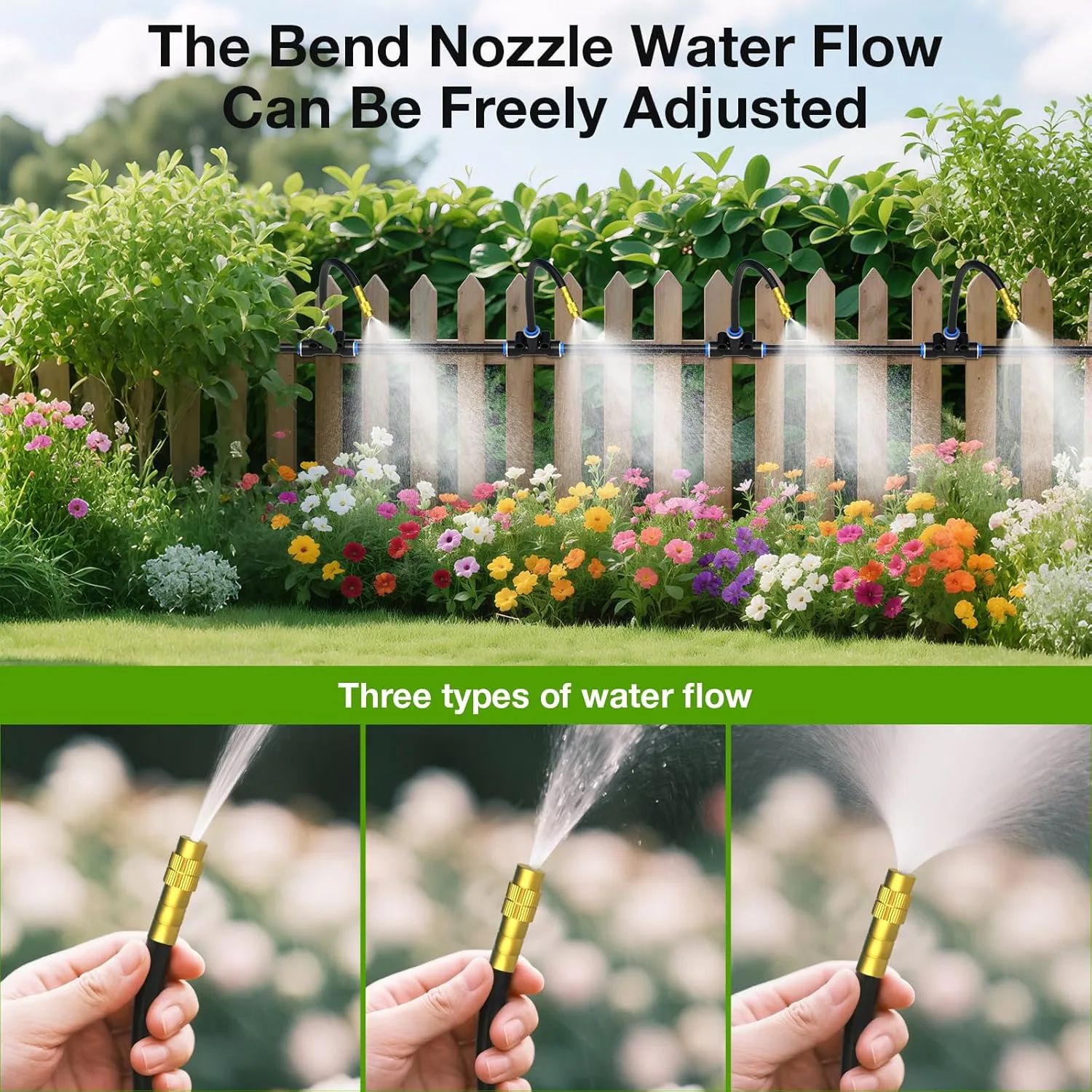
Young buddleia needs more regular watering than an established shrub, especially during its first hot summer. Because it is often planted toward the back of mixed borders, targeted watering can also be easier than repeatedly soaking the entire bed.
This MIXC system uses adjustable watering points that can be arranged around individual plants. I would gradually reduce irrigation as the buddleia establishes rather than keeping a mature shrub on the same frequent schedule as newly planted material.
How to Prune Buddleia
Pruning is key. Buddleia flowers on new growth, so it is usually pruned hard in late winter or early spring. This stimulates new shoots, on which the flower panicles will form in summer.
If it is not pruned, the shrub can become tall, woody and untidy, with flowers only at the tips. Strong spring pruning helps keep it more compact and floriferous.
In summer, it is good to remove faded flower panicles. This keeps the plant tidier and may encourage new flowering. It also reduces self-seeding, which can be a problem in some conditions.
Can Buddleia Be Grown in a Container?
Yes, but it is best to choose a compact cultivar. Classic tall buddleias can quickly become too large for a container. In a large pot, a compact buddleia can be a wonderful summer accent on a sunny terrace.
The container should be stable, deep enough and have excellent drainage. The soil should not hold water. In summer, buddleia in a container will need more regular watering because the roots cannot search for moisture deeper in the ground.
Growing buddleia in a container is suitable if you want to attract butterflies close to a terrace or seating area, but do not have space for a large shrub in the ground.
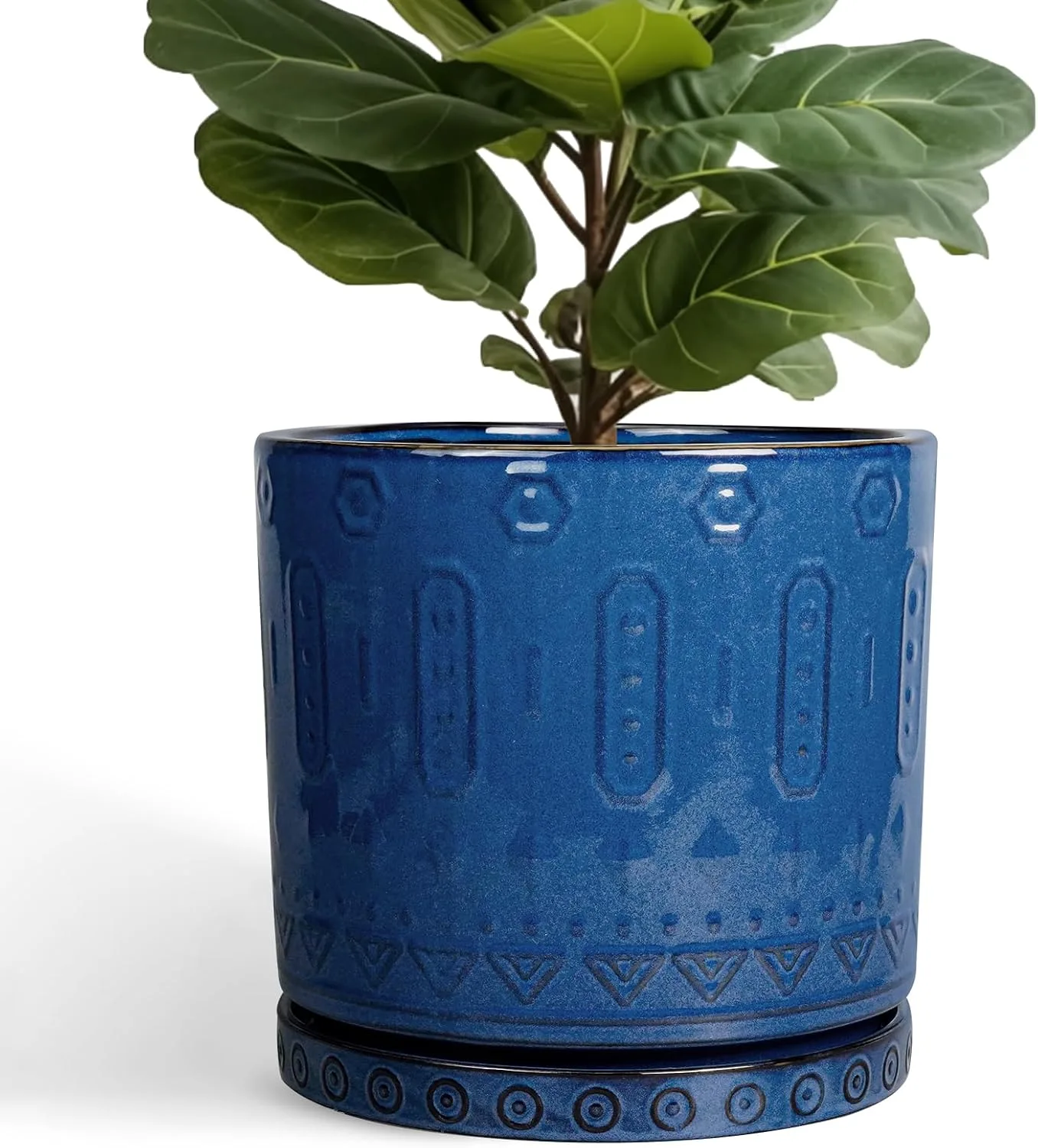
A compact buddleia can make a surprisingly attractive terrace plant, particularly when the flowers are close enough to enjoy the visiting butterflies. The important word here is compact: standard buddleias quickly become too large for a decorative pot.
This glazed ceramic planter includes drainage holes and a saucer. I would use a pot of this scale only for a genuinely compact cultivar or a young plant, moving it into a larger container if the root system begins to outgrow the available space.
The Most Common Mistakes
The first mistake is planting it in shade. Buddleia may survive there, but it will not show its true flowering potential. The second is not pruning. Without pruning, the shrub quickly loses its good shape.
The third mistake is heavy, waterlogged soil. Buddleia tolerates dry conditions better than constant wetness. The fourth is choosing a cultivar that becomes too large for a small space. Before buying, it is worth checking the real height and width.
What to Combine Buddleia With
Buddleia combines very well with plants for sun and drier, well-drained soil. Good partners include lavender, perovskia, santolina, ornamental grasses, echinacea, rudbeckia, salvia, catmint, roses, barberry and yucca.
In more natural compositions, buddleia can stand as a free-growing background plant, with lower perennials and grasses in front of it. In more modern gardens, it is best used more moderately — for example, as one large shrub for summer interest, surrounded by more structural plants.
If you want a butterfly garden, combine buddleia with different plants that flower at different times. This way the garden will not be interesting only for a short moment, but will offer food for pollinators over a longer season.
Is Buddleia Worth Growing?
Yes, if you have a sunny place, well-drained soil and want strong summer flowering.
Buddleia is an easy, lively and very effective shrub. It attracts butterflies, tolerates heat, grows quickly and can bring color at a time when many other shrubs have already finished flowering.
This is a plant for a garden that does not want to be only orderly, but alive.