
September is a transitional month. The garden has not finished its season yet, but we are already beginning to prepare it for autumn.
We continue harvesting, watering and enjoying the late flowers, but gradually stop anything that encourages too much new growth. It is also a good time to transplant some perennials, prepare for autumn planting and start planting the first spring bulbs.
The most important thing is not to work by the calendar alone. September can still feel almost like summer or already very much like autumn. So we watch the plants, the soil and the weather.
September is the beginning of autumn garden work, but there is no need to do October’s jobs in advance.
The Orchard Gradually Moves Into Autumn
In the orchard, September is mainly a month for harvesting, observation and preparation rather than large-scale autumn planting.
A container-grown fruit tree with a well-developed root system can be planted now if the weather is not extremely hot and we can provide enough water afterwards. With traditional bare-root trees, however, it is usually better to wait.
They are planted after active growth has ended and the leaves have fallen, when the plant has entered dormancy. In much of Bulgaria, this usually means late October and November rather than early September.
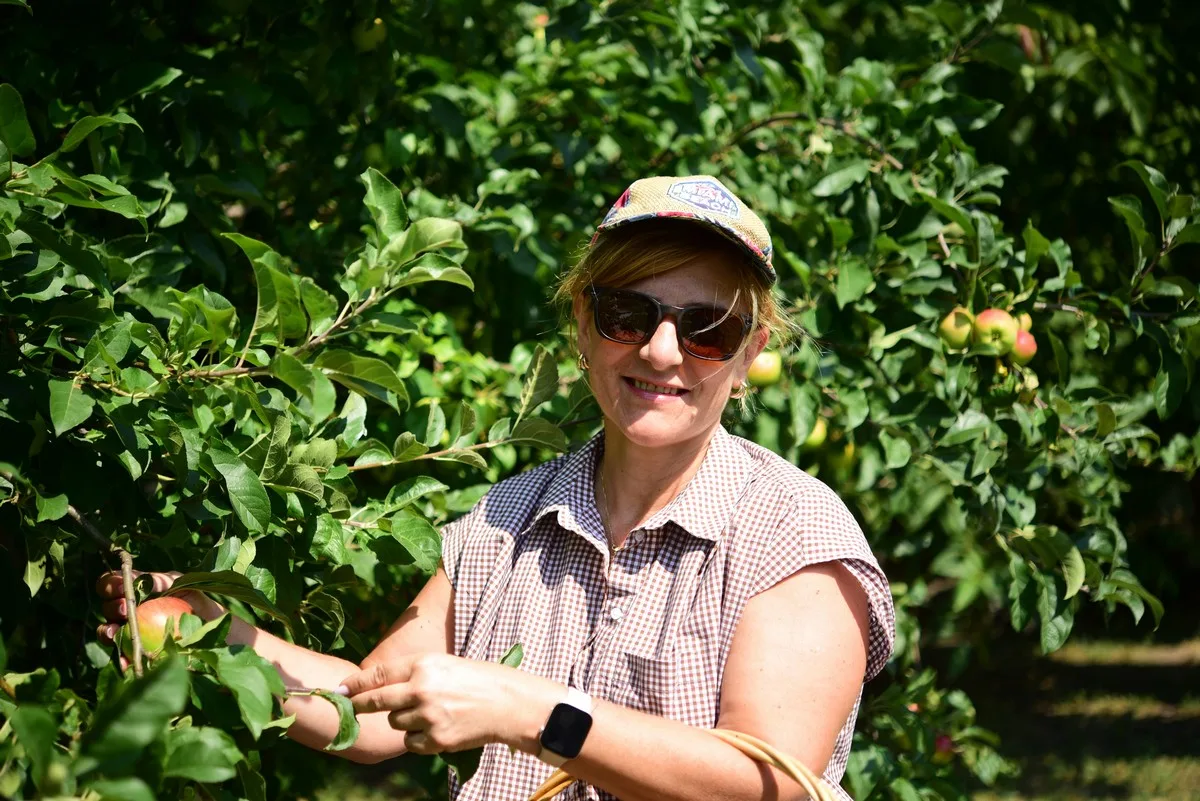
Apples, pears, plums and other late fruits are harvested according to the ripeness of the individual variety. Fallen fruit should be collected regularly, and rotten or mummified fruit should not be left under the tree.
After harvesting, inspect the leaves, bark and branches. Spots, rot, dried shoots or signs of pests tell us what problems may have occurred during the season.
We do not spray simply “just in case.” Some autumn treatments are carried out later, after leaf fall, and should always have a specific reason.
The September rule for fruit trees is simple: sanitation - yes; major pruning - no need to rush.
The Ornamental Garden Is Still in Its Active Season
September gives us more flexibility with ornamental plants. The soil is still warm while temperatures gradually fall, allowing roots to continue developing without the strongest summer stress.
Container-grown shrubs, trees, evergreens and perennials can be planted successfully if they receive regular watering afterwards.
| Plant or Task | How to Approach It in September |
|---|---|
| Container-grown shrubs | They can be planted in suitable weather with regular watering. |
| Bare-root plants | It is better to wait until leaf fall and dormancy. |
| Young shrubs to be moved | Late September may be suitable if the weather is cooler. |
| Large established shrubs | It is usually better to wait until deeper autumn dormancy. |
| Spring-flowering shrubs | Do not prune heavily until you know which type of wood they flower on. |
Moving a large magnolia or an old established shrub is already a serious operation. The larger the plant, the more roots we lose when lifting it.
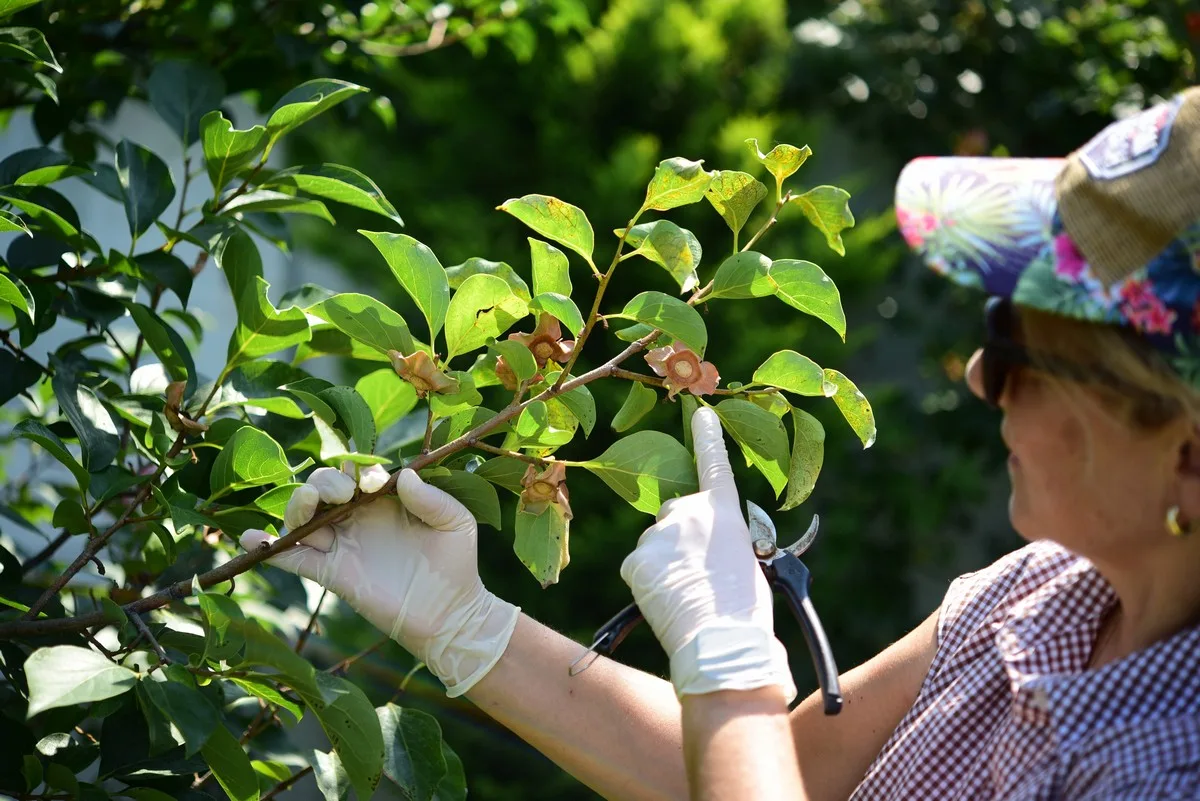
And sometimes the best September job with ornamental shrubs is simply to put the pruning shears down. Forsythias, lilacs, some spireas and other spring-flowering plants may already have formed their flower buds for next year.
We do not prune “ornamental shrubs.” We prune a particular plant - and each one has its own rhythm.
Evergreens Need Attention Too
Arborvitae, junipers, false cypresses, boxwoods, cherry laurels and rhododendrons do not stop needing water simply because summer is ending.
During a dry September, check the soil moisture. Evergreens continue to lose water through winter, especially when sun and wind are combined with frozen soil.
- remove dry and damaged parts;
- make only light corrections to hedges;
- do not encourage strong new growth with aggressive pruning;
- water when the soil is dry.
September Is a Good Month for Perennials
Hostas, astilbes, hardy geraniums, rudbeckias, echinaceas, some irises and other overgrown perennials can be divided and transplanted in September.
The soil is still warm enough for plants to produce new roots before winter. Water thoroughly after transplanting, even if the day is cool and cloudy.
Peonies Are a Special CaseLate summer and early autumn are suitable for dividing and planting herbaceous peonies. The most common mistake is planting them too deeply.
The plant may produce beautiful foliage and still refuse to flower for years if the buds are buried too deeply.
A peony is not always being difficult. Sometimes it simply remembers where we buried it.
If you are planting peonies: Planting Peonies: How to Plant Them Correctly
We Start Planting Spring Bulbs, but Not All at Once
September gradually marks the beginning of the planting season for some spring-flowering bulbs. Daffodils, crocuses, muscari and ornamental alliums can already go into the ground.
Tulips can comfortably wait until the cooler part of autumn, especially if September is still warm.
There is no prize for planting the first tulip. Healthy bulbs, well-drained soil and the right timing matter more.
For more information: Tulips - A Practical Growing Guide
Roses Gradually Slow Down
Roses often continue flowering well in September. Remove diseased leaves, broken shoots and badly affected plant material, but do not begin heavy autumn pruning.
Gradually stop heavy nitrogen feeding as well. The idea is to give new growth time to mature and allow the plant to begin its natural transition into dormancy.
For the complete autumn routine: How to Prepare Roses for Winter
For pruning: Pruning and Propagating Roses
The Flower Garden Does Not Need to Become Empty
In September, remove diseased, rotten and badly damaged plant material. Weeds that are about to set seed should also be removed.
But there is no reason for every perennial to be automatically cut down to ground level. Healthy dry stems and seed heads can provide structure, and some are useful for birds as well.
As the days become cooler, the lawn usually begins to recover from the heat of summer. Continue mowing according to growth, but there is no longer any reason to keep it excessively short.
September is a good time to repair bare patches, overseed when conditions are suitable and aerate areas where the soil is heavily compacted. Watering should also gradually change according to rainfall and temperatures.
September is also a good time to propagate plants. Many perennials can be divided, while suitable cuttings or layering can still be used for some shrubs.
We can also collect ripe seeds from ornamental plants. Let them dry thoroughly and label them with the species, variety and year.
“The little black seeds in the paper envelope” is not a variety when February comes around.
The Vegetable Garden Is Still Productive
Depending on the region, weather and specific variety, crops for autumn production can still be sown in September.
- spinach;
- arugula;
- radishes;
- winter lettuce;
- green onions;
- some Asian leafy greens.
In cooler areas, a low tunnel or cold frame can extend the season. There is no need to rush winter garlic at the beginning of September - its time comes later in autumn.
Empty beds can be covered with compost, mulch or a suitable green manure crop instead of being left bare until spring.
For Grapevines, September Is Mainly Harvest Month
Grapes are harvested according to the variety, ripeness and intended use - fresh eating, juice, wine or drying.
It is not a good idea to wait endlessly for them to become “just a little sweeter” if the weather is deteriorating and the risk of splitting, rot or wasps is increasing.
After harvest, inspect the vines for broken shoots, rotten bunches and signs of disease. Diseased material is removed, but major pruning is left for the appropriate dormant period.
During a dry autumn, young vines and new plantings should not be left completely without water either.
What Not to Do in September
Let the Garden Gradually Move Into Autumn
September is neither an extension of August nor an early version of November.
We continue harvesting, watering and caring for the plants, but gradually reduce anything that encourages strong new growth.
Plant what is ready to be planted now. For everything else, prepare the site and wait. Remove diseased material, but do not turn the garden into an empty space.
Good garden work in September is not about doing everything. It is about doing the right thing at the right time.