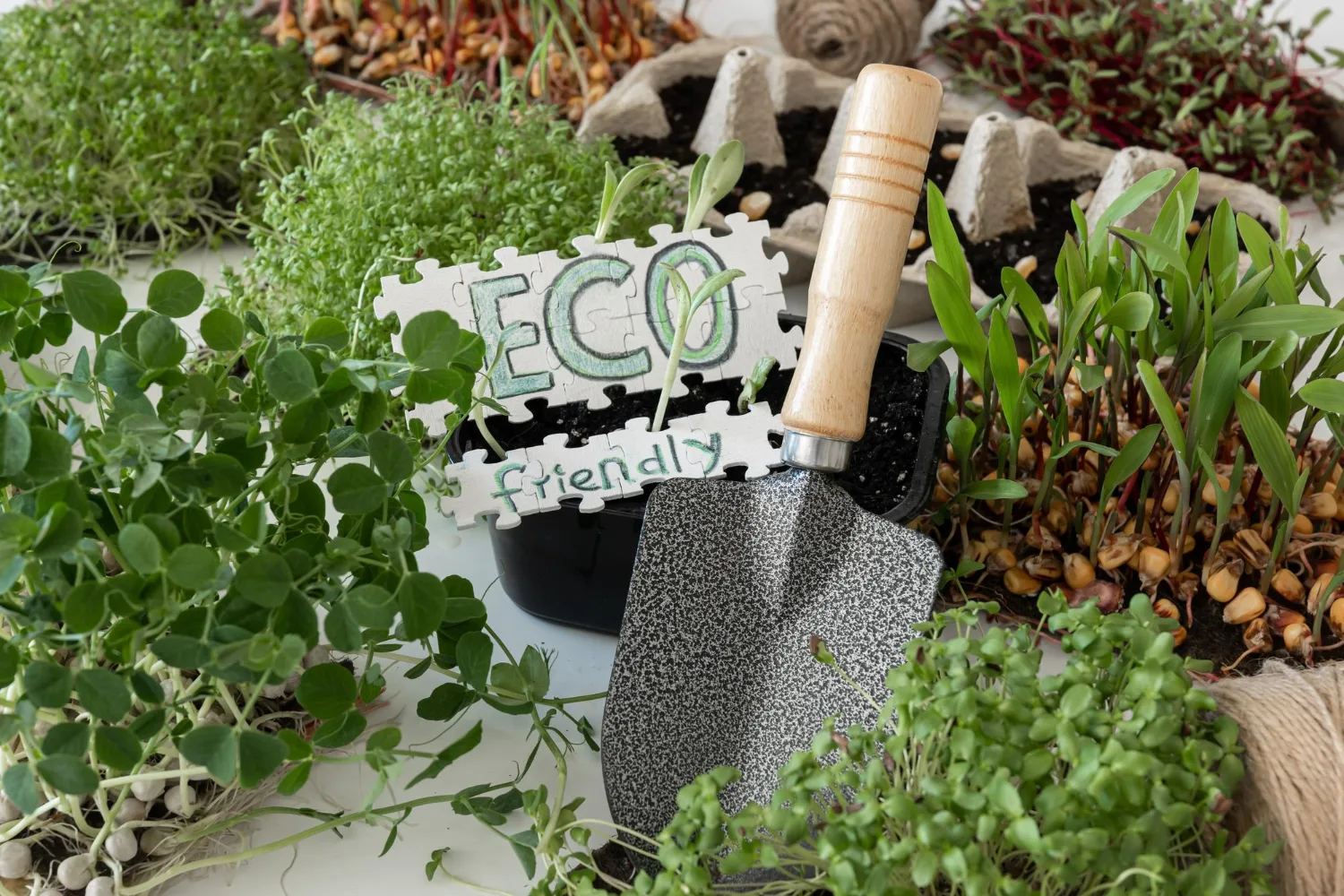
An organic garden is not simply a garden where one product has been replaced with another because the label says “natural.”
A more thoughtful approach begins with observation: what is the soil like, how are we watering, is there enough airflow between plants, how are we fertilizing, and what exactly is causing the problem?
Diseases and pests can appear even on well-grown plants. But good growing practices, early detection and protection of beneficial organisms can often reduce the severity of the problem and the need for stronger intervention.
An organic approach does not mean leaving nature to solve everything alone. It means intervening only as much as is genuinely necessary.
What Organic Plant Protection Really Means
In the home garden, “organic” is often associated with nettles in a bucket, soapy water, garlic or other homemade recipes.
These can be part of gardening practice, but they are not the foundation of the system.
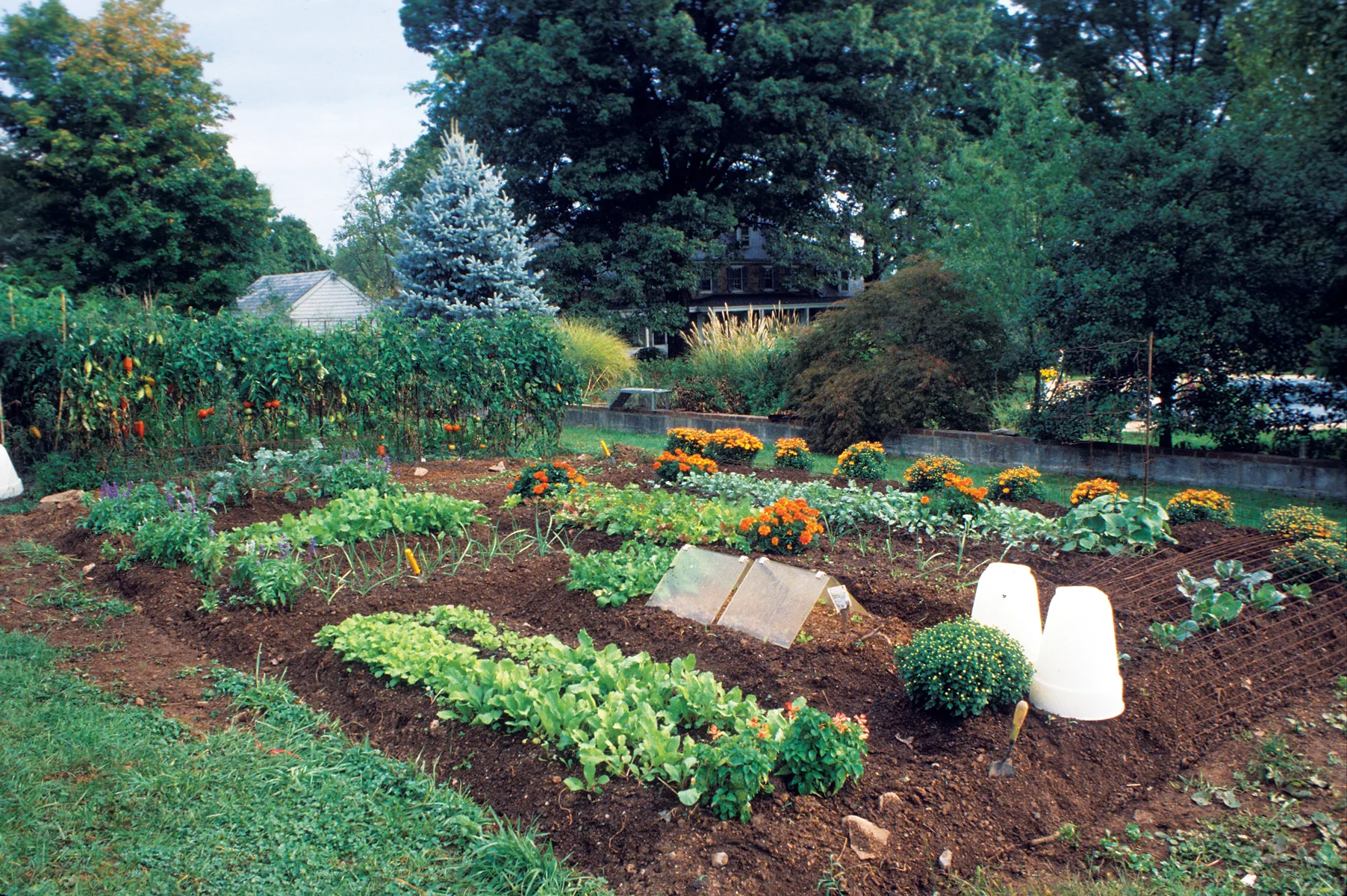
More important are healthy soil, a suitable cultivar, proper spacing, balanced fertilization, sensible watering, sanitation and regular monitoring.
This way of thinking is close to the principles of integrated pest management: first identify the problem, assess the risk and then choose the least disruptive intervention that still has a realistic chance of working.
Soil Is the Foundation, but Not Universal Protection
Soil is one of the most important factors in normal plant development.
Good structure, sufficient organic matter, proper drainage and suitable pH support healthy root growth and nutrient uptake.
Compaction, waterlogging or prolonged drought can cause root stress and symptoms that may sometimes be mistaken for disease or nutrient deficiency.
Even a vigorous, well-fed plant can be attacked by aphids or infected by a pathogen. Better growing conditions, however, can often help it tolerate stress and recover with healthy new growth.
Prevention Starts With Everyday Decisions
The most useful preventive measures are often the simplest ones.
They cannot guarantee that a disease or pest will never appear, but they reduce avoidable risks.
Homemade Plant Extracts Have Limits
Nettle, horsetail, garlic, onion, wormwood and hot peppers have long been used in home gardening.
The difficulty is that homemade extracts are not standardized. Their concentration depends on the plant material, amount of water, soaking or fermentation time, temperature and preparation method.
For this reason, a mixture that caused no problems in one garden may not behave the same way in another.
| Homemade extract | How it is commonly used | What to keep in mind |
|---|---|---|
| Nettle | Most often as a homemade liquid plant feed. | Composition is variable and it should not be treated as a reliable pesticide for an established infestation. |
| Horsetail | Traditionally used in preventive garden programs. | It should not replace proven disease management when a serious infection is developing. |
| Garlic | Commonly included in homemade repellent mixtures. | Concentration and effectiveness are inconsistent. |
| Hot peppers | Sometimes used in homemade repellent sprays. | They can irritate skin and eyes and may damage sensitive plants. |
Concentrated garlic, hot pepper, soaps or oils can damage foliage or irritate the person preparing them. Use them cautiously and avoid experimenting on an entire plant at once.
Potassium Soap, Oils and Plant-Based Products
Insecticidal or potassium soaps can be useful against some soft-bodied pests when the specific product is intended for that use.
They work mainly through direct contact. If aphids or other pests are hidden on the undersides of leaves, poor coverage will reduce effectiveness.
Oils and plant-derived products can also have a place in some pest management programs, but “organic” or “plant-based” does not mean they can be used without restrictions.
Follow the current label for the crop, target pest, concentration, temperature restrictions and pollinator protection.
Even a lower-impact product can be the wrong choice if it is used at the wrong concentration, on the wrong plant or at the wrong time.
Beneficial Insects Are Part of the System
Not every insect in the garden is a pest.
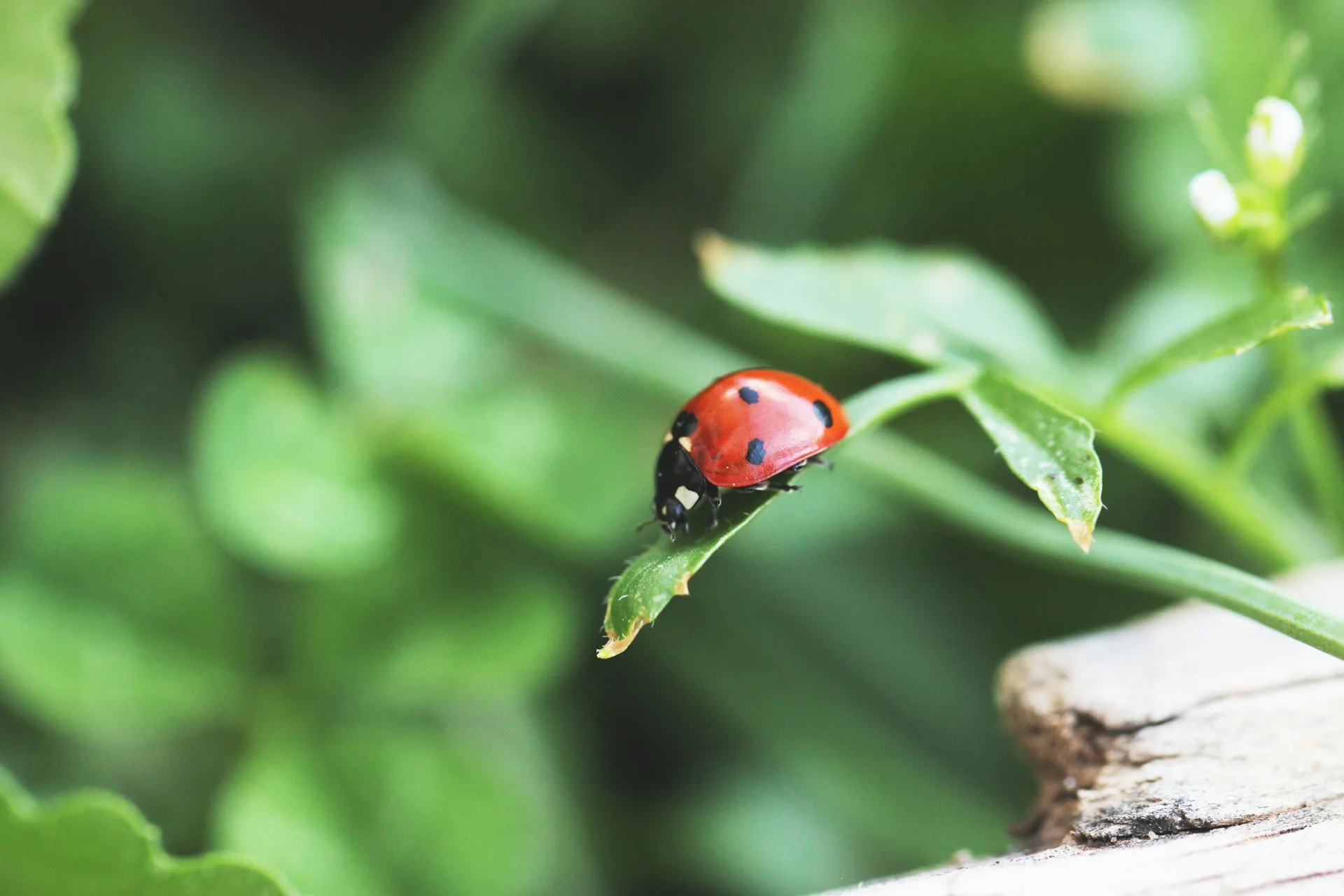
Lady beetles, lacewings, hoverflies, parasitoid wasps and predatory mites can all contribute to natural control of different pests.
Broad-spectrum treatments can reduce not only pests, but also some of these natural enemies.
For that reason, it makes sense to look closely at what is actually living on the plant before spraying.
Not Every Symptom Requires Spraying
One of the most useful garden habits is learning to separate a symptom from a diagnosis.
A curled leaf, brown spot or yellowing can have more than one cause.
Before reaching for a product, check where the problem starts, how it spreads and what conditions came before it.
| Symptom | Possible causes | Reasonable first step |
|---|---|---|
| Curled young leaves | Aphids, other pests or physiological stress. | Gently open the leaves and inspect for insects. |
| White coating | Possible powdery mildew or another surface residue. | Check the appearance and spread of the symptoms. |
| Brown spots | Fungal, bacterial, physiological or mechanical causes. | Do not diagnose the problem by color alone. |
| Fine pale stippling and webbing | Possible spider mite infestation. | Inspect the undersides of leaves with a hand lens. |
How to Decide When Intervention Is Needed
The practical question is not simply “is there something on the plant?” but rather “is it causing real damage, and is the problem increasing?”
A small aphid colony with many predators present may not require immediate treatment.
A rapidly spreading disease on a susceptible crop is a very different situation.
A Practical Organic Strategy Has Several Levels
An organic approach does not mean doing nothing. In fact, it usually requires more regular observation and earlier action.
A good system starts with growing conditions and moves gradually toward more targeted control only when the earlier measures are not enough.
| Level | What it includes |
|---|---|
| 1. Good growing conditions | Soil, water, nutrition, suitable location and cultivar. |
| 2. Good horticultural practice | Spacing, pruning, airflow, sanitation and mulching appropriate to the crop. |
| 3. Monitoring | Regular inspection and early recognition of symptoms. |
| 4. Mechanical and biological control | Removal, washing, barriers and protection of beneficial organisms. |
| 5. Labeled products | Used only when there is a demonstrated need and according to the specific label. |
Common Organic Gardening Mistakes
An organic garden is not a garden without disease, pests or the need for plant protection.
The difference is in the way decisions are made: first observe, identify the problem, improve growing conditions and protect beneficial organisms.
If a product is needed, use only one labeled for the specific crop and specific problem, at the correct rate and according to the current label.
This is not passive gardening. It is more precise and more measured plant protection.