
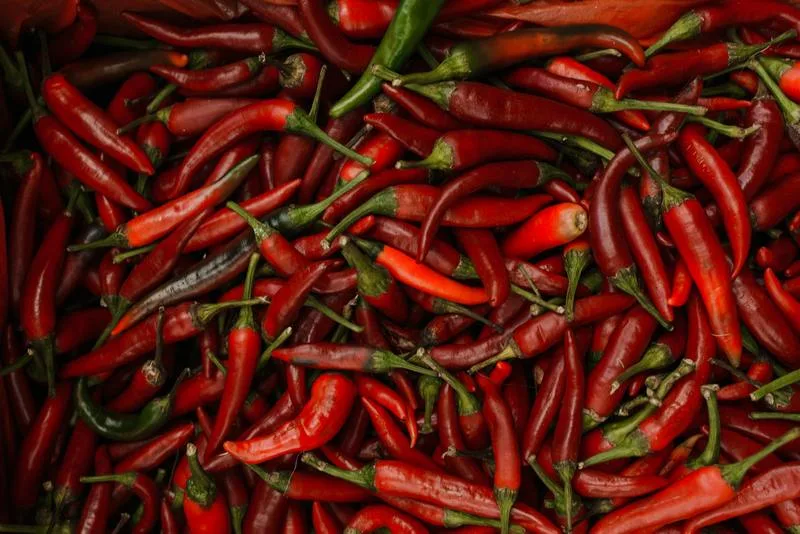
Cayenne pepper is small, bright red and hot enough to change the character of an entire dish with just a pinch. Behind that heat is capsaicin - the compound responsible for the familiar burning sensation we associate with chilli peppers.
Cayenne pepper also comes with plenty of mythology. It is often credited with almost miraculous effects, from weight loss to protecting against heart disease. The reality is more interesting: capsaicin is indeed actively studied, but not every popular claim has been proven.
And for me, there is one more reason to like it - cayenne pepper can be grown quite successfully in a pot.
What Exactly Is Cayenne Pepper?
The name cayenne pepper generally refers to hot peppers from Capsicum annuum, most commonly used fresh, dried or ground into a fine red powder.
Their most distinctive compound is capsaicin. It activates receptors associated with heat and pain, creating the familiar burning sensation caused by hot peppers.
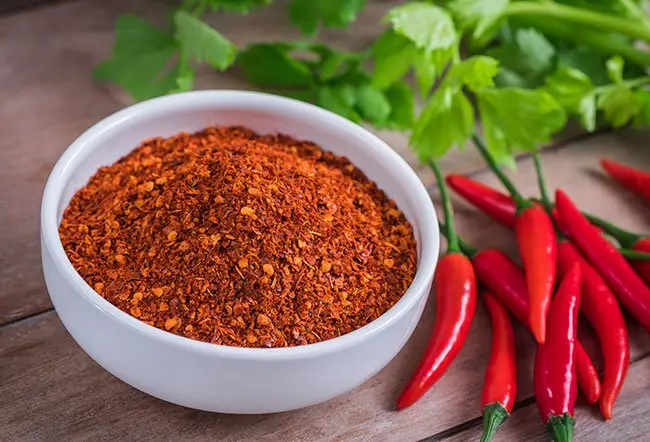
Cayenne pepper is interesting not because it is a “miracle food,” but because such a small plant contains a compound with well-studied biological activity.
What Do We Know About Capsaicin?
It helps to separate what has been studied reasonably well from claims that sound impressive but still lack convincing evidence in humans.
Capsaicin and Pain
This is one of the areas where capsaicin has a genuine practical application. Topical capsaicin products are used for certain conditions associated with chronic or joint pain.
That does not mean rubbing cayenne pepper from the kitchen directly onto a painful area. Medical capsaicin products are standardized preparations and can still cause skin irritation.
Does Cayenne Pepper Help With Weight Loss?
The picture here is much more modest than many online claims suggest.
Studies of capsaicin and capsaicinoids suggest they may slightly increase energy expenditure, fat oxidation and feelings of fullness. However, the size of the effect is usually small.
In other words, spicy food can certainly be part of your diet, but cayenne pepper is not a weight-loss treatment in itself.
What About Blood Pressure?
I would also be cautious with promises here. There are interesting mechanisms and experimental findings involving capsaicin and the cardiovascular system, but that is not enough reason to use cayenne pepper as a treatment for high blood pressure.
I would not use it as an alternative to treatment prescribed for hypertension or another cardiovascular condition.
Where I Would Draw the Line With Health Claims
Older versions of this article included claims relating to cancer, heart attack prevention, allergies, ulcers, fungal infections and sexual function.
Some of these areas have laboratory or preliminary research behind them, but that is not enough to tell readers that eating cayenne pepper prevents or treats these conditions.
I would therefore keep cayenne where it belongs: as an interesting hot food containing an actively studied compound, rather than a home remedy for eleven different diseases.
Cayenne Pepper in the Kitchen
Here it does not need any medical promises.
Cayenne can be used fresh, dried or ground. A small amount is enough for soups, sauces, marinades, beans, meat and vegetable dishes.
Dried peppers can be ground into powder or used to make hot sauces and infused oils.
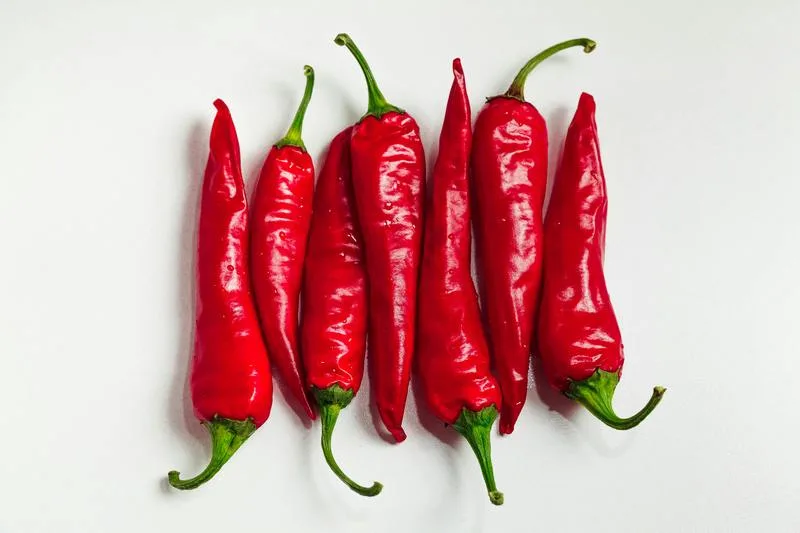
How to Grow Cayenne Pepper in a Pot
If you have a sufficiently sunny spot, cayenne pepper is very well suited to container growing.
Start with good-quality cayenne pepper seeds and check the grower's information for the particular variety.
Choose a stable container with good drainage holes and enough room for the roots of a mature plant.
Cover the seeds with a thin layer of potting mix and keep it evenly moist, without allowing the soil to become waterlogged.
Cayenne pepper is a sun-loving plant, so choose the brightest possible position on the terrace, patio or in the garden.
Water when the potting mix begins to dry, but do not leave the roots standing permanently in water.
Nutrients in containers are gradually depleted, so during active growth use a suitable fertilizer according to the manufacturer's instructions.
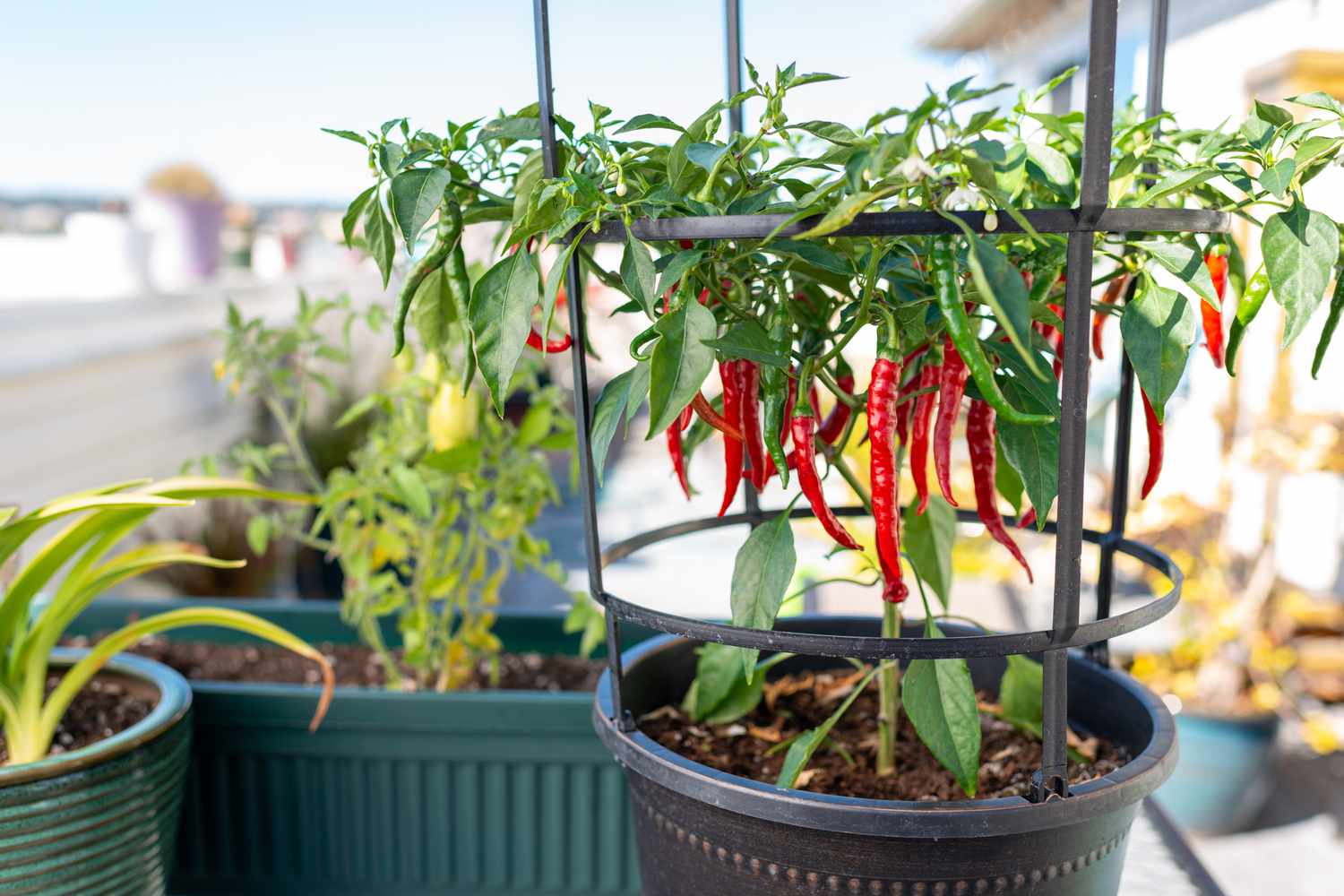
There is something particularly satisfying about knowing that the hottest spice in the cupboard began life in an ordinary pot on the terrace.
When to Harvest Cayenne Peppers
I would not use one universal number of days because ripening time depends on the variety, temperature and growing conditions.
For a typical red cayenne pepper, I wait until the fruits reach the size expected for the variety and develop a rich red color if I want them fully ripe.
The Most Important Things to Know About Cayenne Pepper
Cayenne pepper is a spice, an interesting plant to grow, and a natural source of capsaicin - a compound that continues to be studied for a range of effects on the human body.
Some of those effects are reasonably well understood, others look promising, and some have been greatly exaggerated in popular health articles.
I would keep cayenne in my life mainly for two reasons: because I like the flavor, and because there is something rather satisfying about picking your own hot pepper from a pot and having it in a sauce five minutes later.