
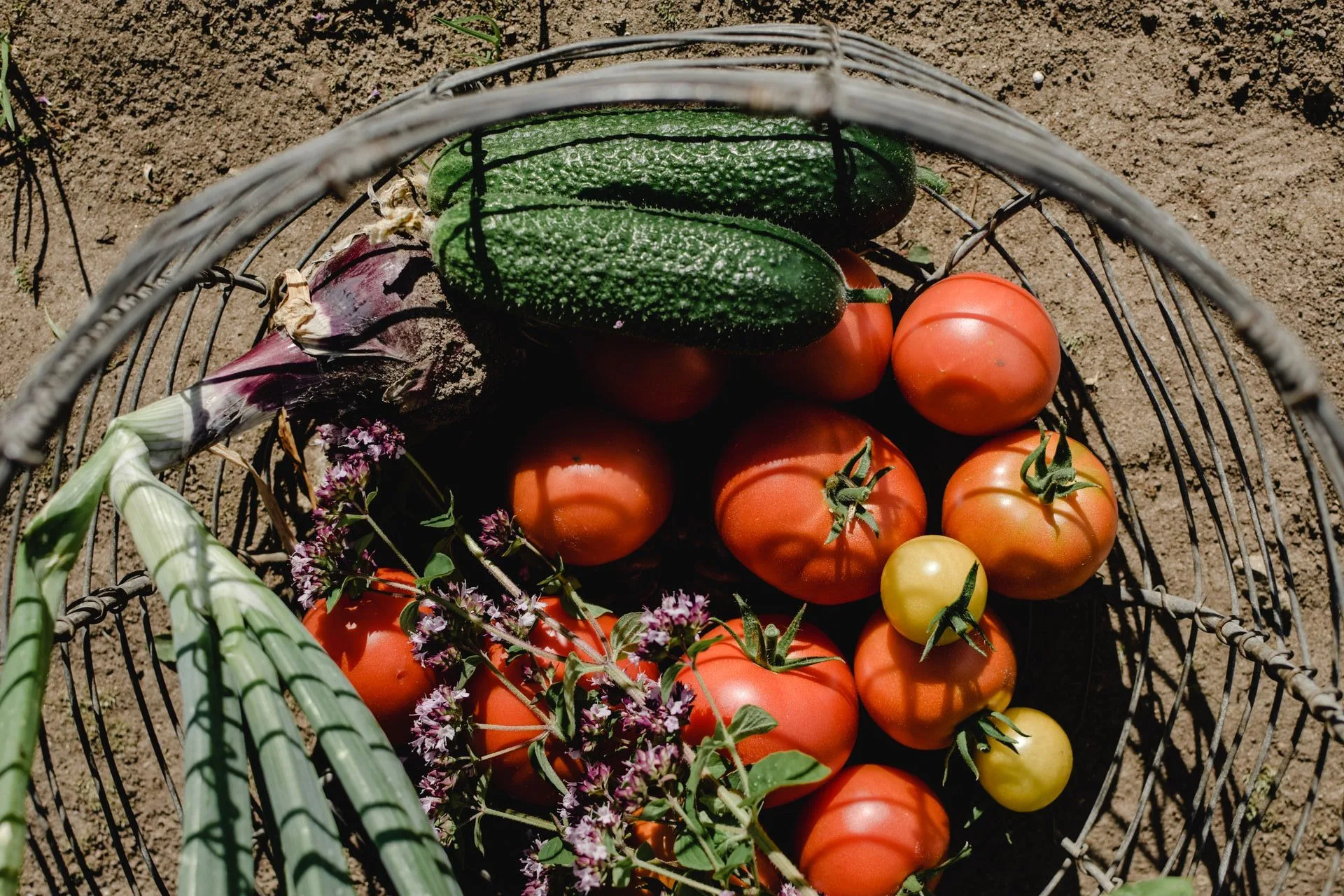
July is one of those months when the garden is giving generously and still demanding plenty of attention. We are harvesting tomatoes, zucchini, beans and potatoes, but that certainly does not mean the sowing season is over.
Quite the opposite - there are vegetables, herbs and flowers that can still be sown now for late summer, autumn or even the following season.
The one thing we cannot ignore in July is the heat. Soil dries out quickly, and young plants need extra attention during their most vulnerable stage - germination.
Before Sowing - What I Do in the Garden in July
July is not only about starting new crops. Most vegetables are already growing actively or producing, and regular care matters a great deal at this stage.
- I continue tying and training cucumbers whenever they need support.
- I harvest zucchini while they are still young instead of letting them become oversized.
- I pick beans before the pods become coarse and tough.
- I check cabbages and the undersides of leaves for caterpillars.
- I remove badly diseased plant material.
- I weed regularly because competition for water becomes especially important in July.
- I feed plants according to their condition and the soil rather than simply following the calendar.
On the hottest days, I water early in the morning or in the evening and make sure newly sown areas do not dry out while the seeds are germinating.
What Can We Sow in July?
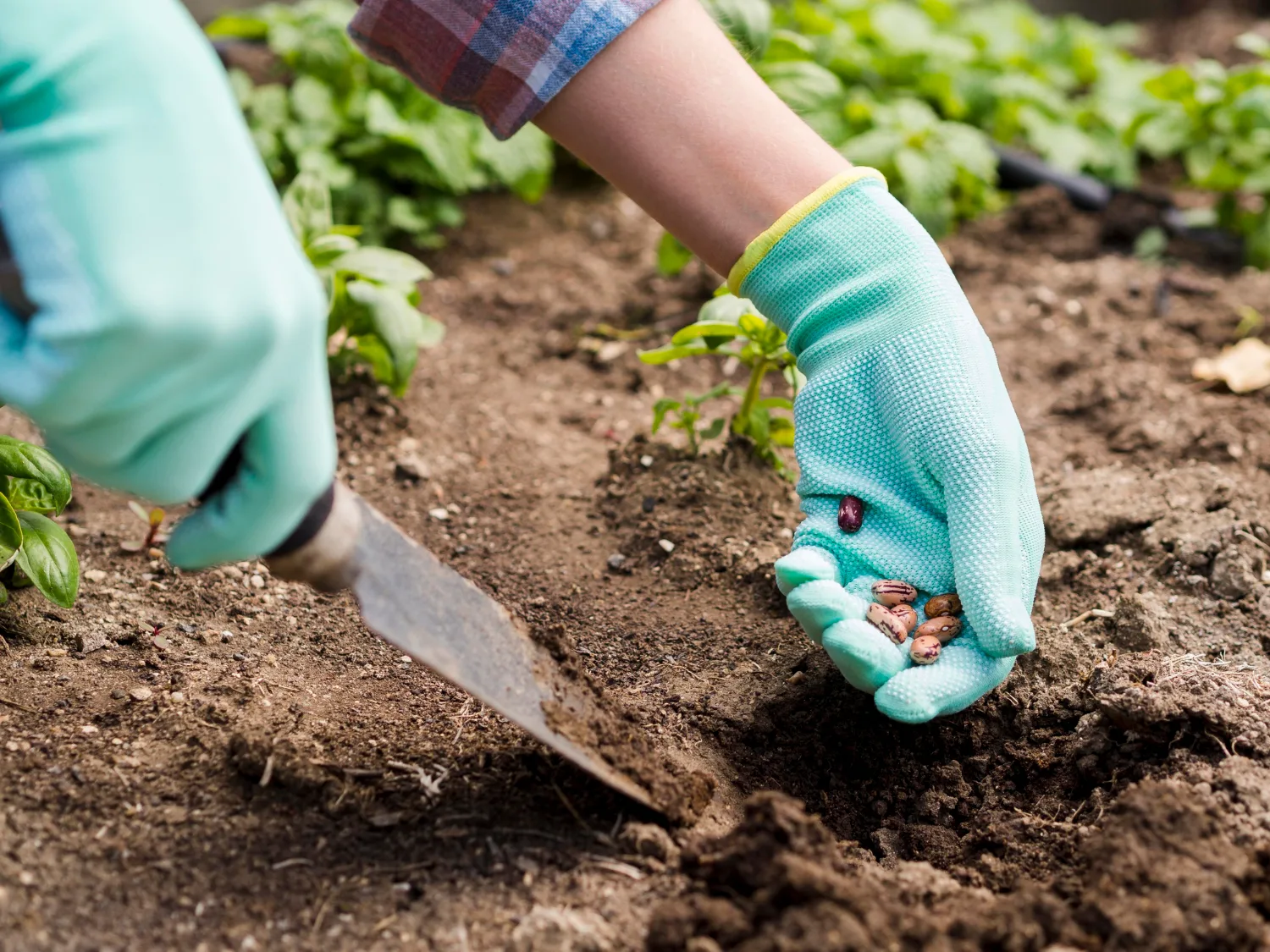
There are more possibilities than you might expect. Some crops can still give a relatively quick harvest, others are being started for autumn, and some simply give us a chance to make a second sowing.
Crops Where Timing Matters Most
Pickling Cucumbers for a Late Harvest
Pickling cucumbers are among the crops that can develop relatively quickly during the warm part of the year.
Varieties such as Ira, Levina, Krak and Regina are among those traditionally grown for pickling and preserving. With a late sowing, however, the most important question for me is simple: will there still be enough warm weather for the plants to reach harvest?
What About Tomatoes in July?
Here it makes a big difference whether we are talking about sowing seeds or planting already established plants. Fleshy varieties such as San Marzano can be particularly useful for sauces and preserving.
With late planting, however, I would think first about how much growing time remains before autumn rather than simply looking at the calendar. In some areas, well-developed transplants may still have a chance, but starting tomatoes from seed in July is a very different proposition.
By July, I no longer ask only what can be sown. I also ask whether the plant will realistically have enough time to produce a harvest.
Herbs and Leafy Vegetables - A Second Chance in the Season
With dill, coriander, parsley and basil, I like having the option of making a smaller second sowing. That way I am not relying entirely on the plants that were started in spring.
I approach lettuce a little differently. Intense July heat is not ideal for every leafy crop, so position and timing become more important.
Swiss chard is a useful option because the leaves can be harvested gradually rather than relying on one single harvest.
With repeat summer sowings, my biggest concern is not putting the seeds into the ground - it is keeping the surface of the soil from drying out before they have had a chance to germinate.
Crops I Leave for the Later Part of the Season
Beetroot, turnips, pak choi, cabbage and onions all develop at different rates. It is more useful to look at them together and decide what can realistically fit into the remaining growing season.
| Crop | How I Use It in the July Plan | What I Watch |
|---|---|---|
| Beetroot | For a later harvest. | Consistent moisture during germination. |
| Turnips | As part of a second sowing for the season. | Keeping young seedlings from drying out. |
| Pak choi | For a late-summer or autumn harvest. | The most intense summer heat. |
| Cabbage | For autumn use, depending on the variety. | The crop's time to maturity. |
| Onions from seed | For continued development later in the season. | The right variety and local growing conditions. |
And One Flower Among the Vegetables - Violas
The July calendar is not only about edible crops. Violas can be sown in summer so that the young plants have enough time to develop before cooler weather arrives.
I like this idea because in July we tend to think mostly about tomatoes, cucumbers and harvests, while at the same time we can already start preparing something for the quieter part of the gardening year.
How I Decide Whether a July Sowing Is Worth It
Instead of following a calendar list mechanically, I run through a few more practical questions.
A short time to harvest is a major advantage when we are already in midsummer.
Not all seeds and young plants respond equally well to July temperatures.
That depends on the local climate, not simply on the date on the calendar.
Sometimes the most sensible choice is simply to take good care of what is already growing.
Meanwhile, the Garden Is Already Producing
This is what makes July interesting - while we are deciding what else to sow, we are already harvesting a substantial part of the work we did in spring.
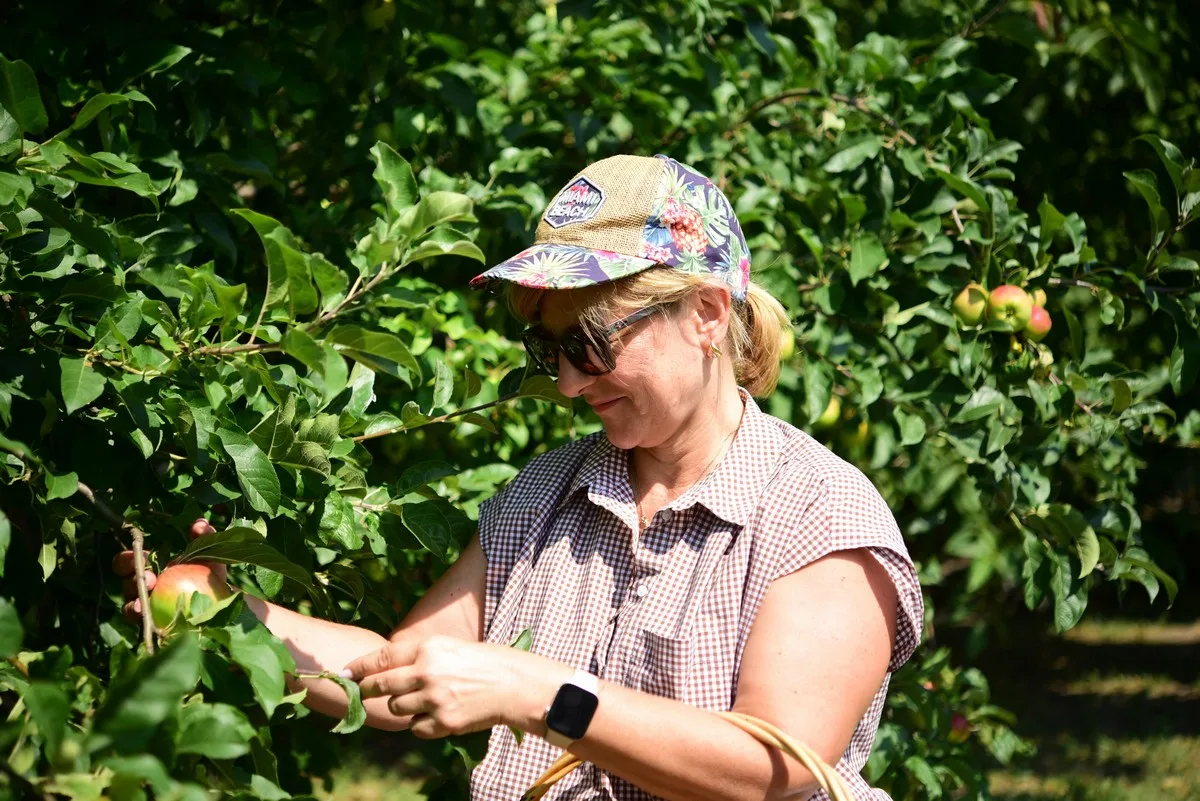
Depending on planting dates, the harvest may include tomatoes, zucchini, cucumbers, beans, beetroot, carrots, potatoes, lettuce and a variety of herbs.
I dry or freeze some of the herbs. This means I do not have to use everything at once and can keep part of the summer harvest for later.
July is a strange mixture of abundance and planning: we harvest what is already ready while thinking about what can still begin.
The Most Important Thing About Sowing in July
For me, the most useful question is not simply, “Can this be sown in July?”
A better question is whether that particular crop has enough time, suitable temperatures and sufficient water to grow well in my garden.
That makes the July garden calendar much more practical: I harvest what is ready, look after the plants already growing and use empty spaces only for crops that genuinely make sense.