
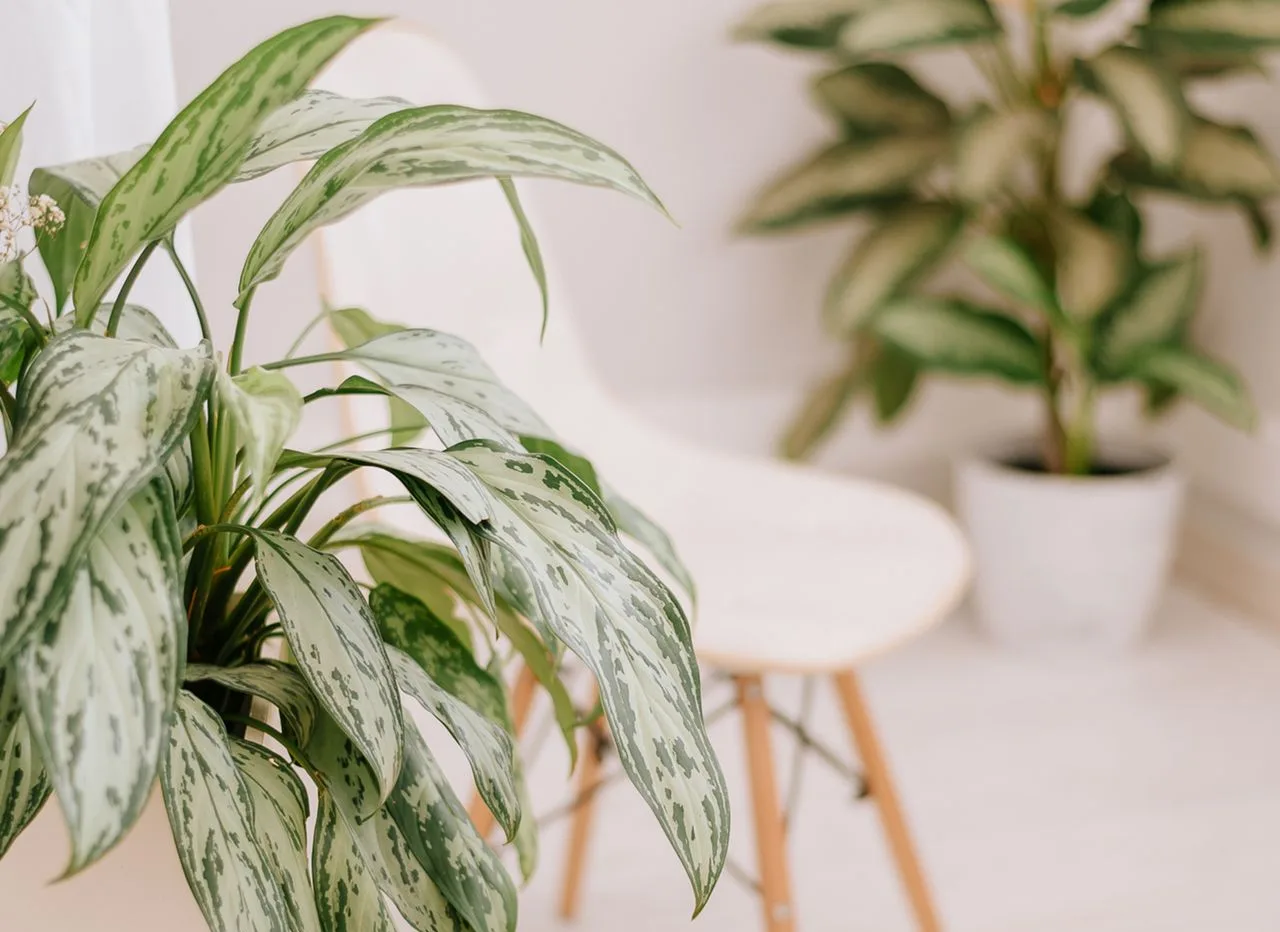
Aglaonema, commonly known as Chinese evergreen, is one of those houseplants that looks calm and undemanding - and most of the time, it really is. Just don't put it on a cold windowsill, leave it sitting in soggy soil, or park it directly above a heating vent.
It tolerates lower light better than many foliage plants, which is why it is often recommended for apartments and offices. That does not mean it can live indefinitely in a dark corner without consequences. The less light it receives, the more slowly it grows - and the more carefully it needs to be watered.
This is about realistic care at home: heating and air conditioning, changing light through the year, chilly windows, and a normal person who has no intention of turning every plant pot into a science project.
This article is part of our guide to houseplants by light level .
With aglaonema, the two things worth avoiding are overwatering and keeping the plant cold while the soil stays wet.
Aglaonema at a glance
| Botanical name | Aglaonema |
|---|---|
| Light | Medium to lower indirect light |
| Watering | Moderate; avoid cold, waterlogged soil |
| Humidity | Average to moderately higher household humidity |
| Difficulty | Easy to moderate |
| Best location | Office, living room, or a bright corner without harsh direct sun |
| Important | Toxic if ingested. Keep it away from children and pets that tend to chew on plants. |
Where to place an aglaonema
Aglaonema does best in medium to lower indirect light. Distance from the window matters just as much as the direction the window faces. Moving a plant three feet farther into a room can make a noticeable difference, especially during the darker months.
Greener varieties generally tolerate lower light better. Variegated, pale, pink, or red-leaved cultivars usually keep their color and grow better with somewhat brighter indirect light, but they still should not sit in harsh direct sun.
Many homes create an awkward combination of cold window glass and warm, dry air from nearby heating. Put a pot directly between the two and you can end up with cool, damp soil, dry leaves, and constantly changing temperatures. Aglaonema is forgiving, but not endlessly diplomatic.
How to water aglaonema
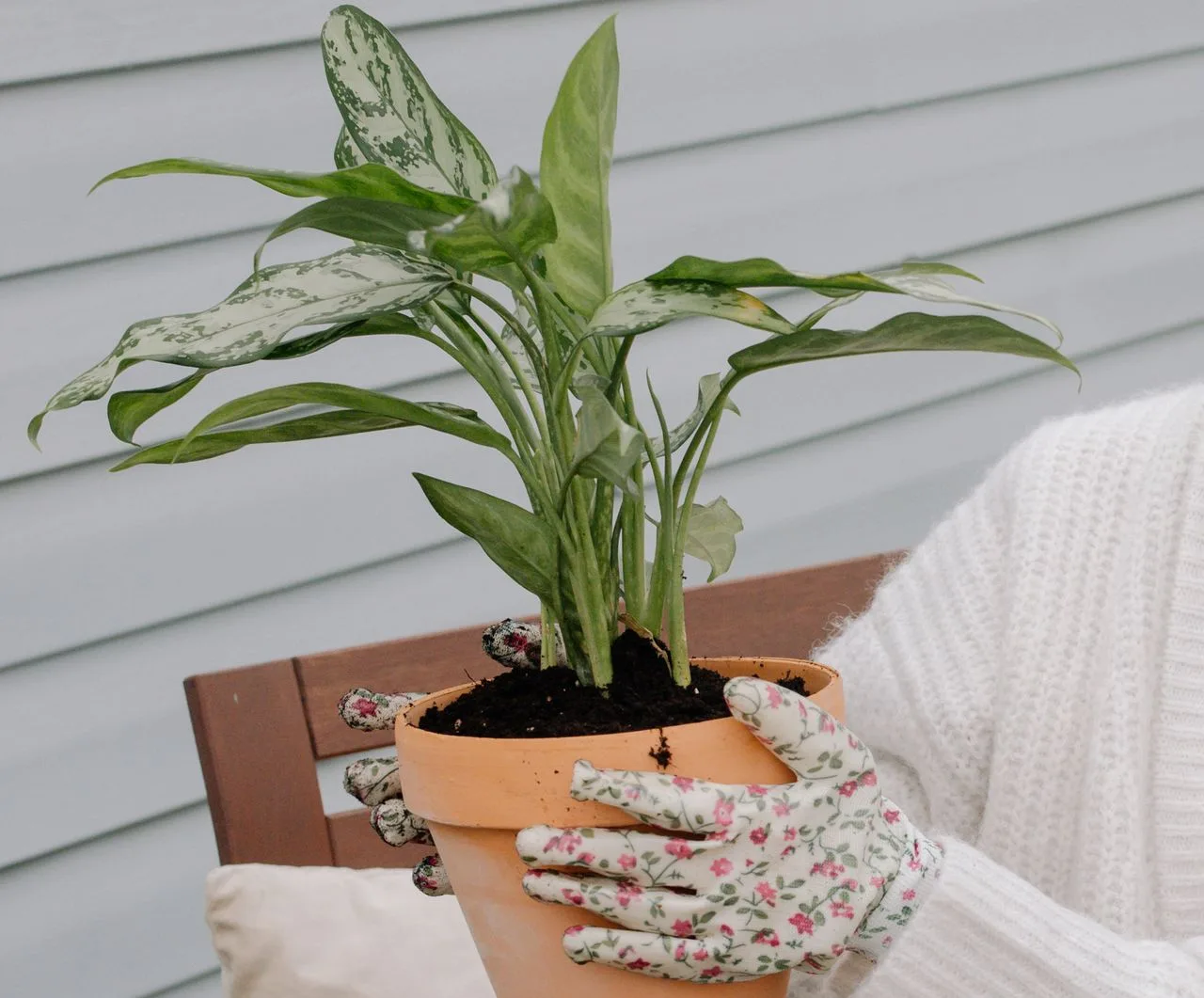
Water according to the soil, not the calendar. Aglaonema likes moderate moisture but does not want its potting mix to stay wet all the time. During active growth it usually uses water more quickly; when light levels drop and growth slows, the pot takes longer to dry.
Before watering, check the potting mix with your finger. If the pot still feels heavy and the soil is damp below the surface, wait. Most aglaonema problems come from too much water at the wrong time, not from a lack of attention.
Practical note: aglaonema is grown for its foliage. You do not need to wait for flowers before the plant earns its place in the room.
This post may contain affiliate links. As an Amazon Associate, I earn from qualifying purchases.
A simple check before adding more water
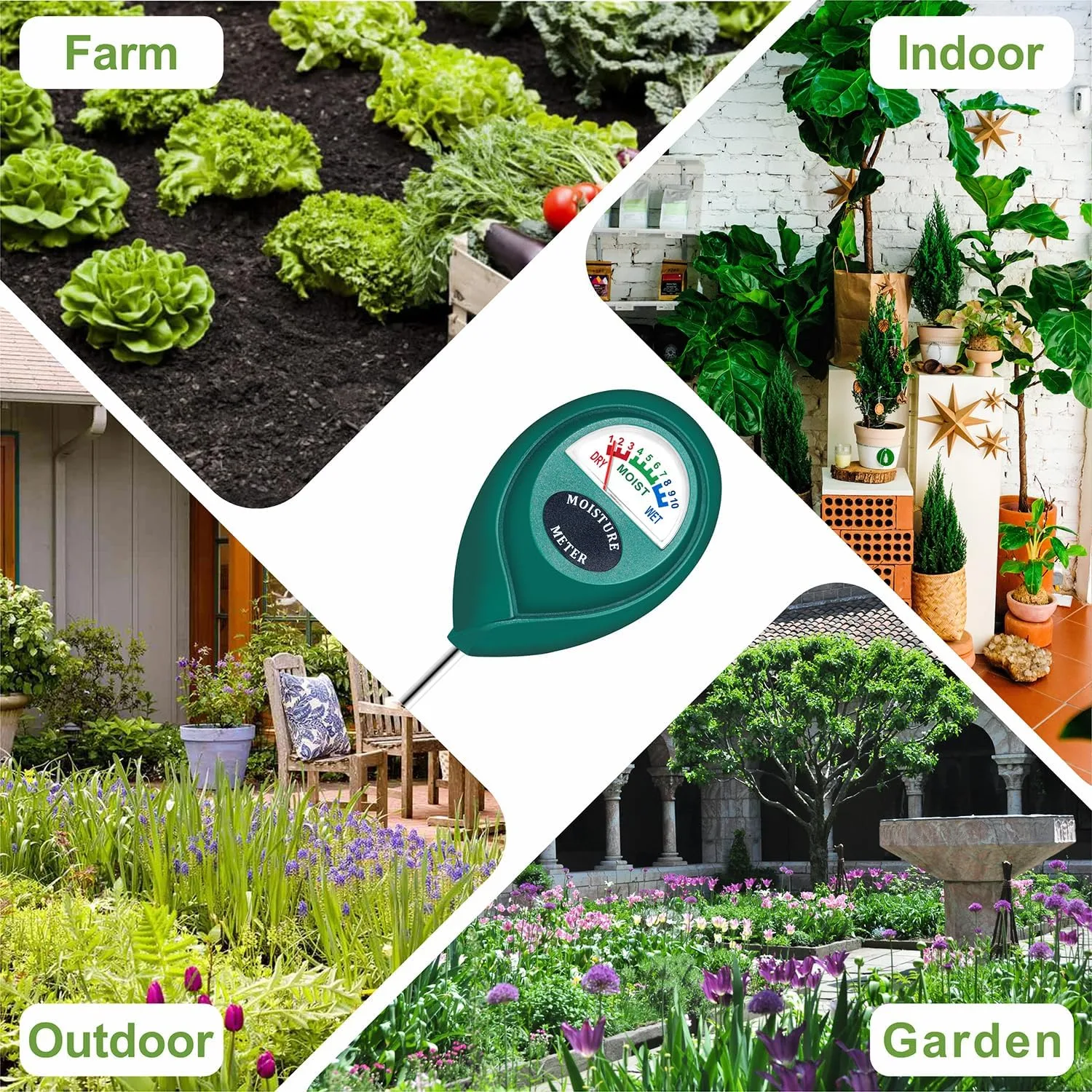
Aglaonema is fairly forgiving, but consistently wet soil is one of the easiest ways to create problems. A moisture meter can be useful when the surface looks dry but you are not sure what is happening deeper in the pot.
The XLUX meter does not replace checking the plant and lifting the pot, but it can provide a useful second opinion - especially in deeper containers or lower-light rooms where the soil dries more slowly.
Soil and pot
The safest setup is a pot with a drainage hole and a light, airy potting mix. A decorative cachepot is fine, but it should not turn the inner pot into a hidden pond. After watering, check that water has not collected in the saucer or outer container.
For repotting, a well-draining indoor potting mix is a practical starting point. Avoid moving a small plant into an oversized pot simply because there is room for it. Too much unused soil stays wet longer around the roots, especially in lower light when both growth and evaporation slow down.
Humidity and temperature
Aglaonema is comfortable in average to moderately higher household humidity, but it is not a plant that automatically justifies buying a humidifier. Start with the basics: where the pot sits, how dry the room actually is, and whether the plant is too close to a radiator, heating vent, or air conditioner.
Consistent temperatures help. Fresh air is good for people, but a cold draft directly across the leaves can stress the plant. The same applies to an air-conditioning vent blowing at it for hours.
Fertilizing and repotting
During active growth, aglaonema can be fertilized moderately, especially when it is producing healthy new leaves. When light is lower and the plant is barely growing, there is little reason to push fertilizer. Fertilizer does not replace light, and feeding a plant more heavily will not compensate for a poor location.
Repotting is usually easiest when the plant is entering a period of active growth. The obvious exceptions are rotten roots, a badly unsuitable container, or a newly purchased plant growing in a potting mix that is causing problems.
Common problems
Yellow leaves
Check the soil first. Yellowing is often linked to overwatering, cold wet soil, or a sudden change in growing conditions.
Pale or weak growth
The plant may need more light. Move it closer to a window while keeping it out of harsh direct sun.
Brown leaf tips
Possible causes include dry air, inconsistent watering, mineral buildup from water or fertilizer, and drafts.
Soft stems or roots
This is a more serious sign of wet soil and poor drainage. Stop watering, inspect the roots, and allow the potting mix to dry appropriately.
How to propagate aglaonema
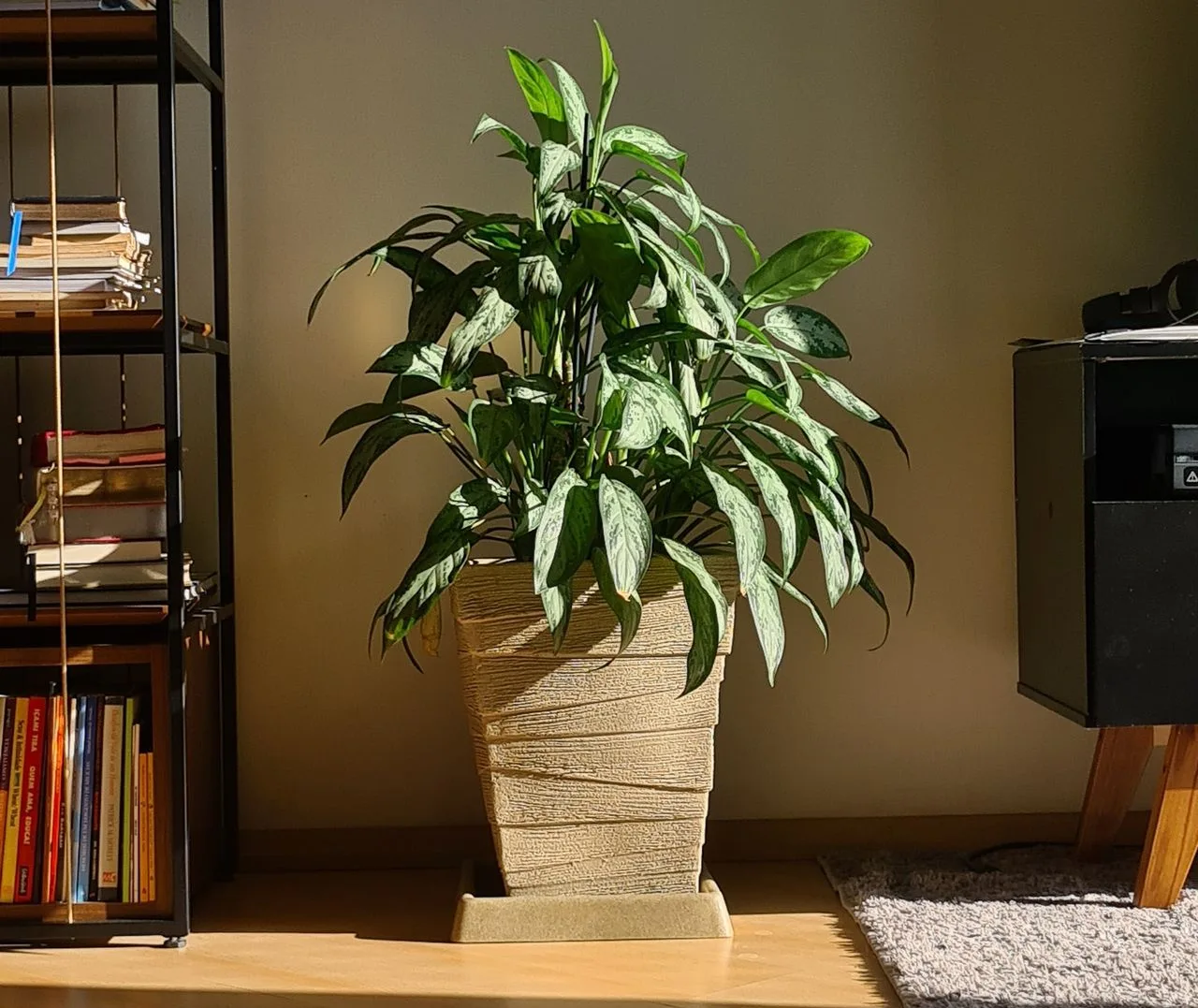
The simplest way to propagate a well-established aglaonema is by division. This works particularly well when the pot contains several stems or naturally separated sections with their own roots.
Stem cuttings can also be used with some plants, although they are not usually the quickest option for a beginner. Propagation is easiest while the plant is actively growing and has enough energy to establish new roots.
I would not divide or take cuttings from a weak aglaonema unless the goal is to save healthy sections from a declining plant. Stabilize the growing conditions first; reach for the scissors later.
Who is aglaonema best for?
Aglaonema works well in an office, living room, or another spot without strong direct sun. It is a good choice for anyone who wants attractive foliage without a complicated care routine, as long as they are willing to pay attention to the basics: light, soil moisture, leaves, and location.
There is no need to turn every pot into a research project. But dropping the autopilot approach to plant care helps. Once you start responding to the conditions the plant is actually experiencing, many supposedly fussy houseplants become much more predictable.