
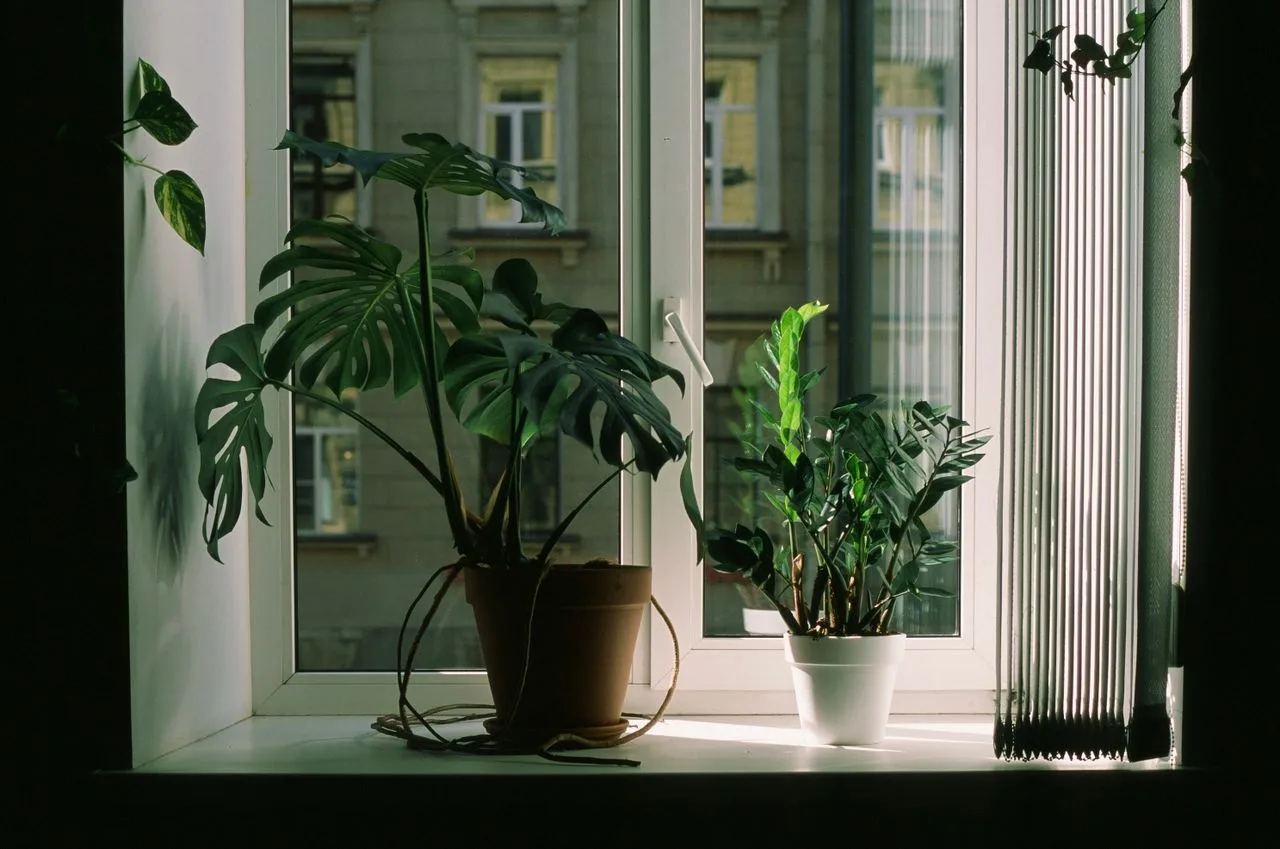
By the end of summer, the patio usually looks its best. The plants have filled out, the pots are overflowing, some are still blooming, and that is exactly when the unpleasant part begins: deciding which plants need to come indoors and when.
The biggest mistake is waiting for the first genuinely cold night and then rushing to move everything into the living room. For the plants, this means several changes at once: less light, warmer temperatures, drier air, and a sudden interruption of their natural rhythm.
There is another problem as well. Along with the pots, we can easily bring in aphids, spider mites, whiteflies, scale insects, fungus gnats, and anything else that has decided to spend the winter indoors at our expense.
Bringing plants in from the patio is therefore not simply a matter of moving them from point A to point B. A few days of preparation can prevent a great deal of trouble later.
If you are still deciding which plants can go where indoors, start with the general guide to houseplants by light level.
It is much easier to find pests while the plants are still on the patio than to chase them through twenty pots in the living room in December.
When to bring patio plants indoors
There is no single date that works for every plant.
It is better to watch the nighttime temperatures than the calendar. Tropical houseplants should not be left outside until frost arrives. Many of them begin to struggle well before temperatures reach freezing.
Monstera, philodendron, pothos, peace lily, dracaena, and aglaonema can thrive outdoors during the warmer months if the spot is protected. They are not, however, made for a long stretch of cold fall nights.
Hardier plants may remain outside a little longer, but there is no real benefit in testing the limits of their patience.
A practical approach: check the forecast for the coming week and begin preparing before a sudden drop in temperature. This way, you will not be carrying cold, wet, unchecked pots indoors at the last minute.
Do not move every pot directly into the living room
Before bringing a plant inside, I would inspect it outdoors first.
Check these areas especially carefully:
- the undersides of the leaves;
- young growing tips;
- the points where leaves join the stems;
- the stems;
- the surface of the potting mix;
- the drainage holes;
- the outside and bottom of the pot.
Sometimes pests are obvious. Other times, the only signs are sticky leaves, very fine webbing, tiny pale spots, or leaves that are gradually losing color.
One pot with spider mites among the rest of your houseplants is enough to provide a winter hobby nobody asked for.
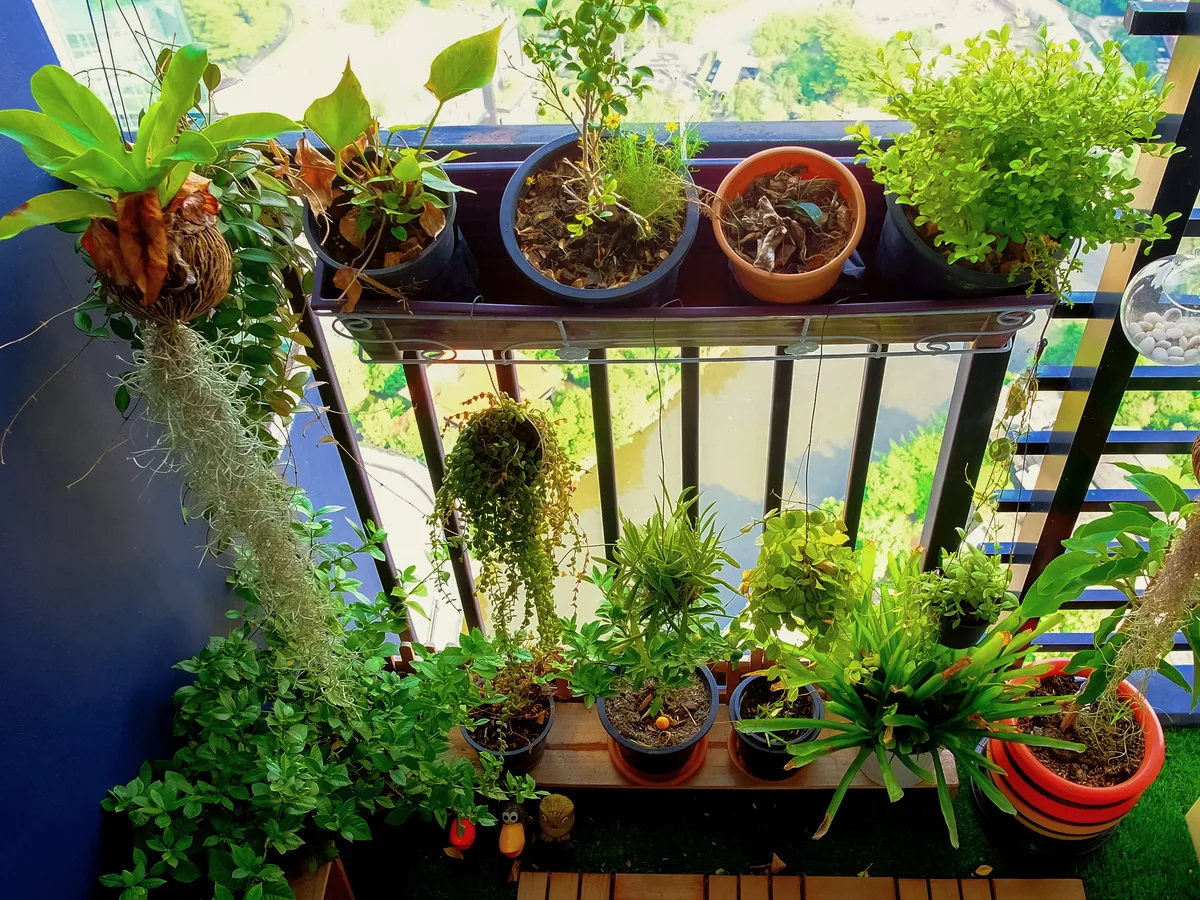
Wash the plants before bringing them inside
If the plant can tolerate it, a thorough rinse is one of the simplest and most useful steps.
Wash the upper and lower surfaces of the leaves with a moderate stream of water. Remove dust, dead leaves, and anything else that clearly does not belong there. Wash the outside of the pot as well.
This will not solve every pest problem, but it physically removes some of the insects and gives you an opportunity to inspect the plant much more carefully.
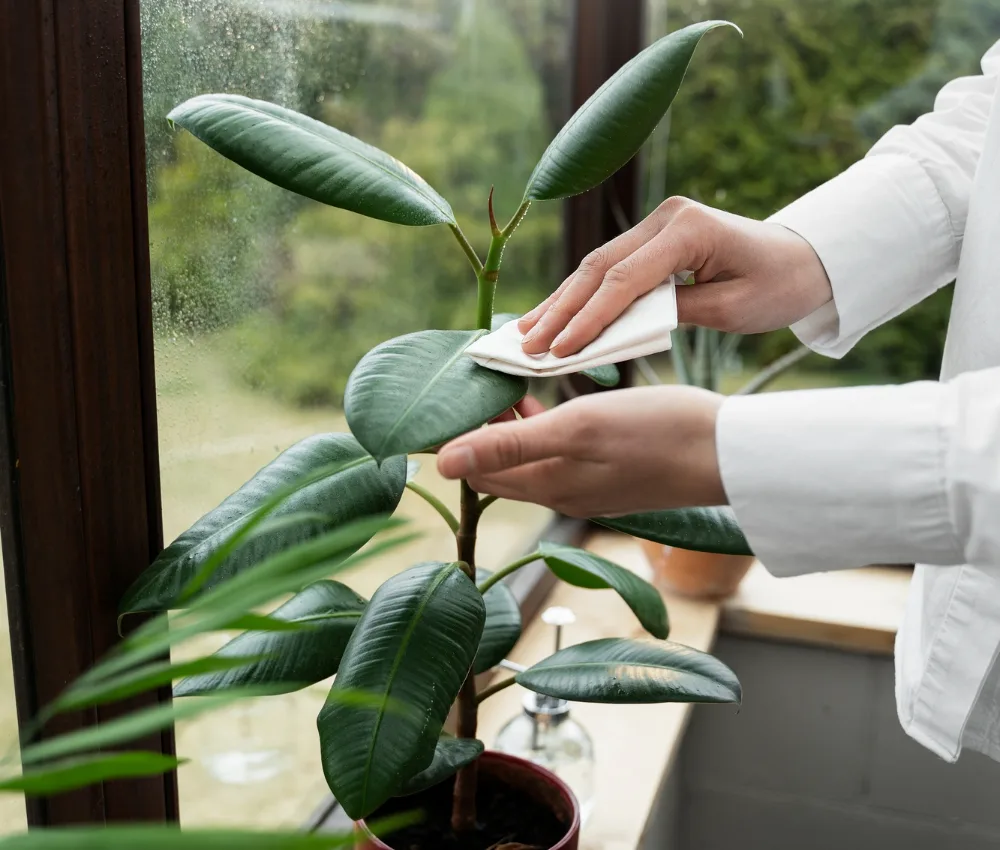
For plants with large leaves, such as monstera and rubber plant, cleaning has another benefit: once the plants are indoors, their leaves will be able to make better use of the more limited natural light.
Check carefully for spider mites
Spider mites are among the easiest pests to overlook.
They are tiny, and the first signs often look like mild fading or very small pale spots on the leaves. Fine webbing may appear later.
Warm, dry air in a heated home can make the problem worse. Pay particular attention to the undersides of the leaves and the young growing tips.
If a plant looks suspicious, do not place it immediately among the others.
Aphids can come indoors too
Aphids are usually easier to notice because they often gather around young parts of the plant.
Check new leaves and flower buds. If aphids are present, isolate the plant and deal with the problem before placing it near the rest of your collection.
I would be especially cautious with plants that spent the summer close to garden flowers, vegetables, or heavily infested plants.
Do not forget the soil
Not every surprise is sitting on the leaves.
Moist potting mix may contain fungus gnat larvae, small slugs, ants, and other residents that are barely noticeable outdoors.
Once the plant comes inside, conditions change. The soil dries more slowly, and a problem that seemed insignificant outdoors can quickly become annoying.
Do not bring in a pot that releases a cloud of gnats every time it is moved and hope the problem will resolve itself indoors. It usually does not.
Should you repot before winter?
I would not repot every plant simply because it is coming indoors.
If the pot is suitable, the soil is in good condition, and the plant has no root problems, there is no reason to add another source of stress just as its environment is already changing.
Repotting makes sense when:
- the potting mix is heavily compacted;
- there is a problem with the roots;
- the pot is clearly too small;
- there is a serious pest problem in the soil;
- the drainage is poor.
But “fall is coming, so it is time to change the pot” is not a rule. Once the plants are indoors, place the larger containers on deep 20-inch plant saucers to catch drainage water and loose soil. Empty the saucers after watering so the roots are not left standing in water.
Should you prune the plants?
Light cleanup is useful. Remove dry or badly damaged leaves, spent flowers, and parts that are clearly no longer viable.
I would not heavily prune every plant simply because it needs to fit on a windowsill.
Pothos and some philodendrons tolerate shaping easily, but with other plants, the timing and method of pruning matter more.
Give the plants a short quarantine period
This is one of those precautions that sounds slightly excessive until one pot with pests is placed among twenty healthy plants.
Plants that have just come indoors should remain separate from the main collection for a while.
You do not need to build an isolation room. Another room, a separate window, or at least some physical distance may be enough while you watch for anything you might have missed.
Inspect the plants again after several days, not only at the moment they come inside.
This post may contain affiliate links. As an Amazon Associate, I earn from qualifying purchases.
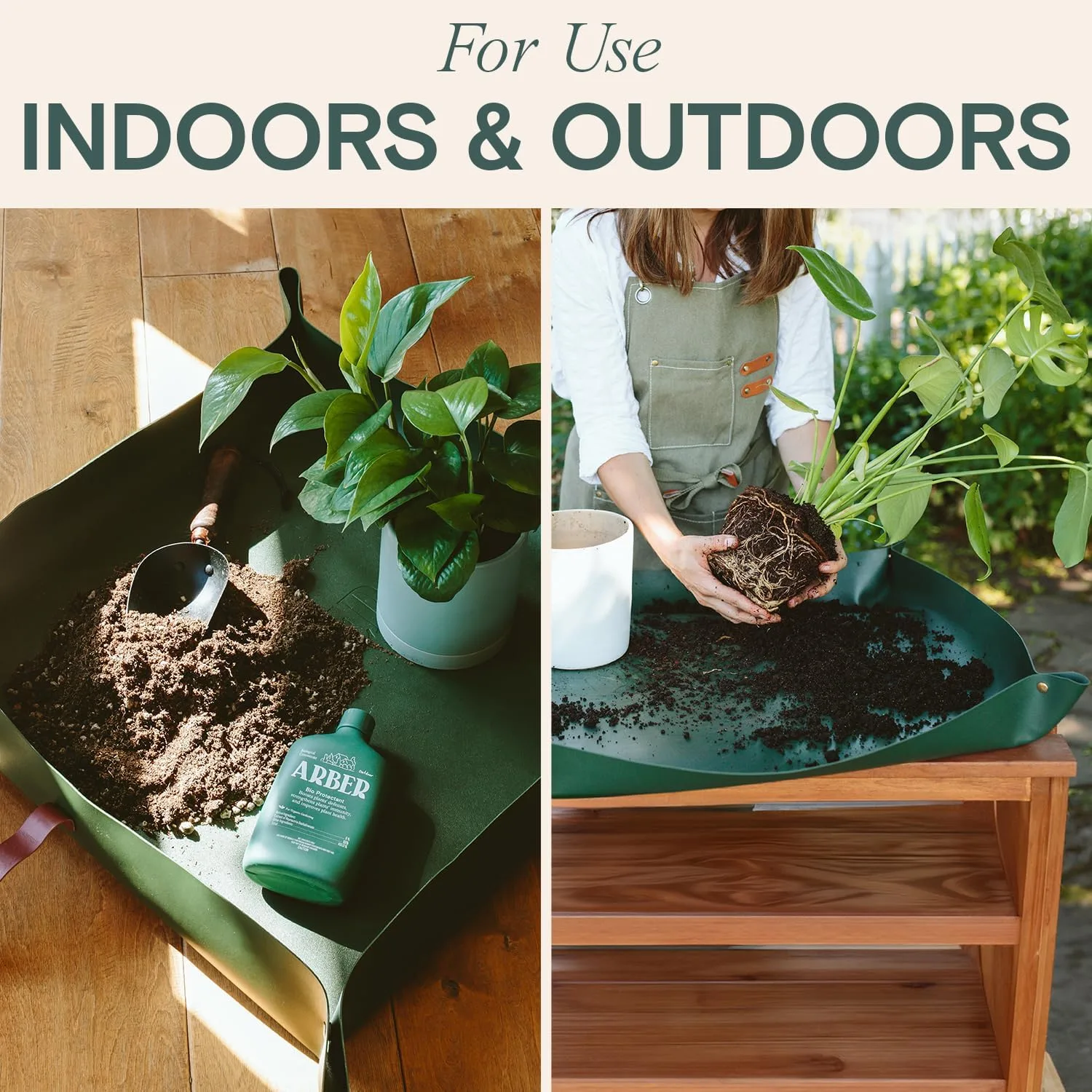
A waterproof mat for the plants that genuinely need repotting
Most patio plants do not need to be repotted simply because they are coming indoors. But when the potting mix is compacted, drainage is poor, or there is a real root problem, the work may have to be done after the weather has already turned cold.
This large waterproof repotting mat helps contain loose soil, old potting mix, and drainage water while you work indoors. Its raised edges keep the mess in one place, which is especially useful when several large pots need attention before they join the rest of the collection.
Use it only when repotting is actually necessary. A clean work surface is helpful, but it does not make routine fall repotting a requirement.
Once the plants are indoors, light becomes the bigger problem
Even a shaded outdoor location is usually much brighter than the average room.
A plant that spent the entire summer on the patio may suddenly find itself in significantly darker conditions. Place it in the brightest suitable location available and watch how it responds.
For rooms with limited natural light, see our guide to houseplants for low light.
ZZ plant, snake plant, aspidistra, and aglaonema adapt more easily to lower light. Other plants will need a considerably brighter position.
Aloe vera and many succulents will not be happy on a dark shelf simply because they have now been moved somewhere warm.
Reduce watering
This is one of the most important changes.
Once a plant comes indoors:
- the available light usually decreases;
- growth slows down;
- evaporation changes;
- the soil may take much longer to dry.
If you continue using the summer watering schedule, the potting mix can easily remain constantly wet.
Do not water according to how often you watered in August. Check the soil instead.
For plants such as ZZ plant, snake plant, hoya, and aloe vera, overwatering after the move indoors is more dangerous than a few additional dry days.
Do not place them directly beside a radiator
Just because a plant is tropical does not mean it dreams of living on top of a radiator.
Hot, dry air can quickly dry out the leaves. Some plants respond with brown tips, while others begin dropping leaves.
Be especially careful with peace lily, Boston fern, and calathea. They have a harder time coping with dry, heated air.
The opposite extreme is not good either. Leaves pressed against very cold glass may be damaged. The goal is a bright position without major temperature extremes.
Do not fertilize automatically after bringing them indoors
Moving a plant indoors is not a signal to strengthen it with extra fertilizer.
If growth slows because there is less light, the plant does not need the same feeding schedule it had during the active growing season. Fertilizer cannot compensate for insufficient light.
Sometimes a plant begins to look unhappy, and our first instinct is to add more water and more fertilizer. Quite often, that makes the situation worse.
Some leaf loss is normal
There may be a period of adjustment after the move.
The light, temperature, humidity, air movement, and watering routine have all changed at the same time.
One or two yellowing leaves do not necessarily mean disaster. What matters more is whether the problem continues, whether new growth looks healthy, and whether there are signs of pests or root rot.
Ficus plants, for example, can react strongly to being moved. I would not immediately begin carrying the pot from one window to another every time a leaf falls.
Which plants can stay outside longer?
Here, we need to distinguish between true tropical houseplants and container plants that simply spend the warmer months around the home.
Some Mediterranean plants prefer a cool, bright place for winter rather than a warm living room. Others need a period of dormancy.
Do not apply one rule to every pot on the patio. “Bring everything indoors” can sometimes be just as poor a decision as “leave everything outside.”
My routine before bringing the plants indoors
1. Choose the plants
Decide which plants genuinely need to come indoors and which require a different type of winter care.
2. Inspect for pests
Check the leaves, stems, soil, drainage holes, and bottom of each pot.
3. Clean everything
Wash the leaves and pots and remove dry or badly damaged parts.
4. Separate suspicious plants
Do not place a plant with unexplained spots, webbing, or gnats directly among the healthy collection.
5. Prepare the indoor spaces
Choose the brightest suitable locations in advance instead of moving pots throughout the house afterward.
6. Adjust the watering routine
Reduce the frequency according to the light, temperature, and speed at which the soil dries.
During the first few weeks, observe the plants instead of immediately trying to correct every change with more water, fertilizer, or another move.
The process is not particularly complicated. It is simply much easier to prevent a problem on the patio than to chase spider mites through the pots in December.
Winter care begins after the plants come indoors
Moving the plants inside is only the first step. From that point onward, light, watering, and dry indoor air become much more important.
Continue with our guide to winter care for houseplants.