
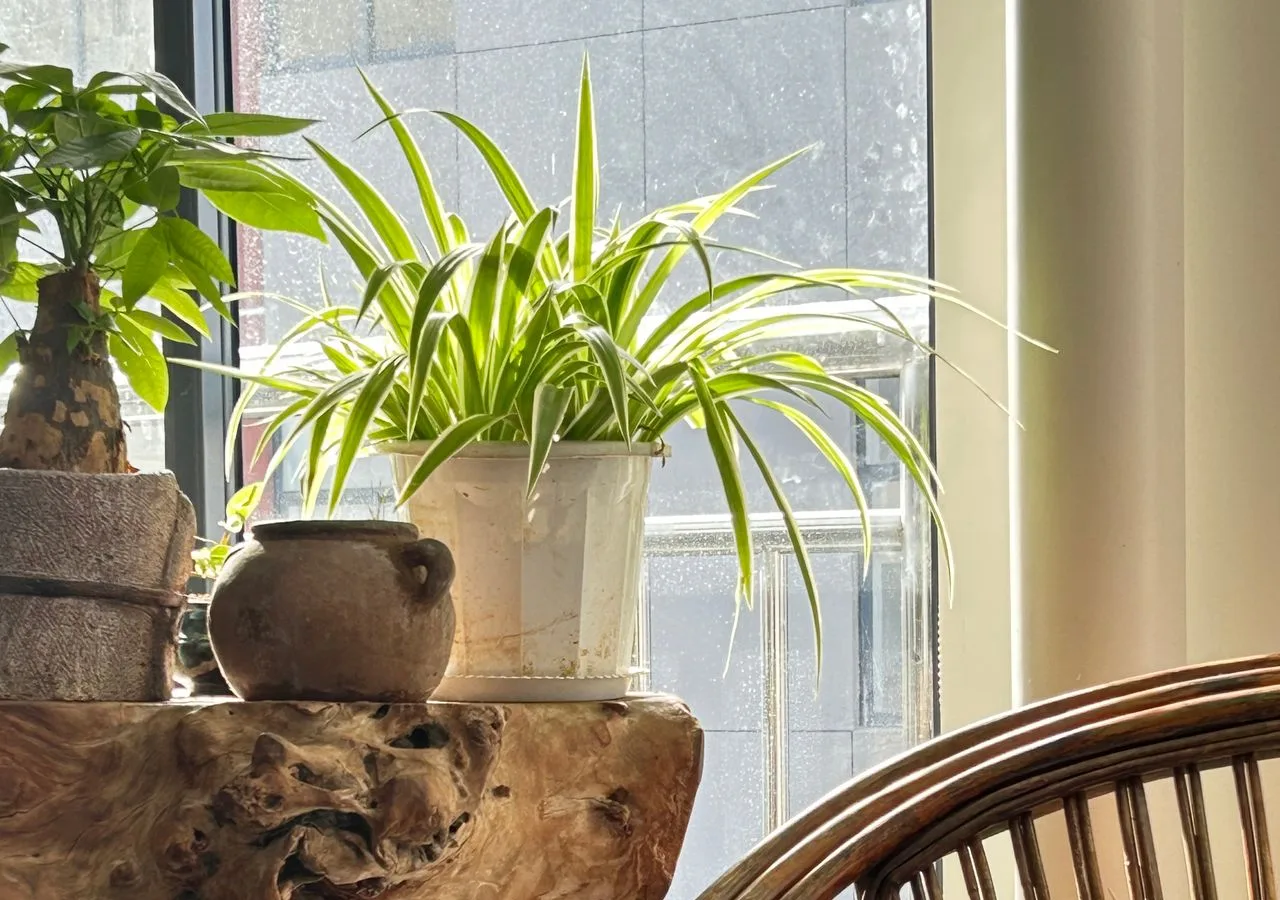
Spider plant is one of the easiest houseplants around, which is probably why we tend to underestimate it. It looks undemanding, grows quickly, produces little plantlets, and usually copes surprisingly well with less-than-perfect conditions.
That does not make it indestructible. Put it in a very dark corner, keep the potting mix constantly wet, or leave it directly beside a radiator, and the leaves will eventually start showing that something is wrong.
This is realistic indoor care - a kitchen, kids' room, shelf, hanging planter, central heating, air conditioning, changing light through the year, and someone who wants a beautiful plant without adding another daily chore.
This article is part of our guide to houseplants by light level.
Spider plants need enough light, moderate watering, and a pot that does not hold excess water. They are easy, but they do not enjoy staying constantly wet.
Spider plant at a glance
| Botanical name | Chlorophytum comosum |
|---|---|
| Light | Medium to bright indirect light |
| Watering | Moderate, without keeping the soil constantly wet |
| Humidity | Handles normal household conditions well |
| Difficulty | Easy |
| Best location | Kitchen, kids' room, shelf, or hanging planter |
| Important | Generally considered non-toxic, although it is still better not to let pets chew on it constantly. |
Where to place a spider plant
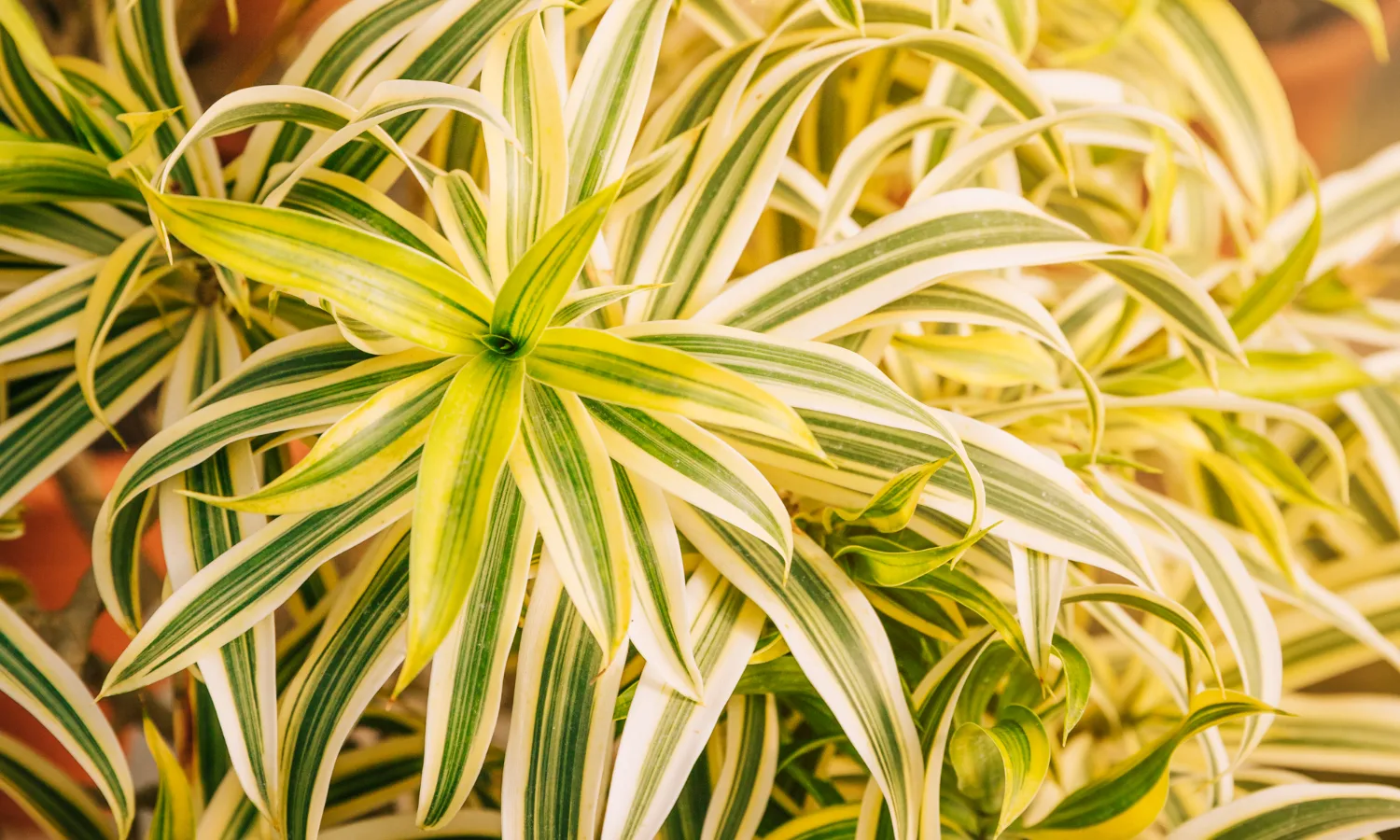
Spider plant does best in medium to bright indirect light. In practical terms, that means a bright room without strong midday sun falling directly on the leaves. In brighter conditions the foliage usually looks fresher, and variegated varieties hold their contrast better.
It can tolerate lower light, but growth becomes slower and variegated leaves may look less distinct. If the plant sits far from a window, watch the new leaves - they are usually the clearest indication of whether the location provides enough light.
Be careful around cold windows, frequently opened doors, radiators, and air-conditioning vents. Spider plants are resilient, but cold soil, very dry air, and a draft all in the same location are not a particularly good combination.
How to water a spider plant
Water according to the soil rather than the calendar. A good time to water is when the upper layer of potting mix has started to dry. Spider plants like moderate moisture, but they do not want to sit in saturated soil.
When the plant receives more light and is actively growing, it may use water more quickly. When light levels are lower and growth slows, the pot takes longer to dry. If the container still feels heavy and the soil is damp, wait.
Brown leaf tips do not automatically mean the plant is thirsty. Dry air, inconsistent watering, mineral buildup from water, or too much fertilizer can all contribute.
Practical note: spider plants produce small plantlets that root very easily. That makes them one of the most satisfying houseplants to propagate at home.
Soil and pot
The safest setup is a pot with a drainage hole and a light, airy potting mix. Spider plant is not especially demanding about soil, but it does not want its roots sitting in water for long periods.
A decorative cachepot is perfectly fine as long as it does not turn the inner pot into a hidden reservoir. After watering, check that excess water has not collected in the saucer or outer container.
There is no need to move a small spider plant into an enormous pot. An oversized container holds more wet soil around the roots. A stable pot with good drainage and enough room for the root system is a better choice.
Humidity and temperature
Spider plants usually handle normal household humidity well and rarely need a dedicated humidifier. Very dry air can contribute to brown tips, but it is worth checking the watering routine and water quality before blaming humidity alone.
Stable temperatures help. Fresh air is useful, but a cold draft directly across the leaves can stress the plant. The same applies to an air conditioner aimed continuously at the pot.
This post may contain affiliate links. As an Amazon Associate, I earn from qualifying purchases.
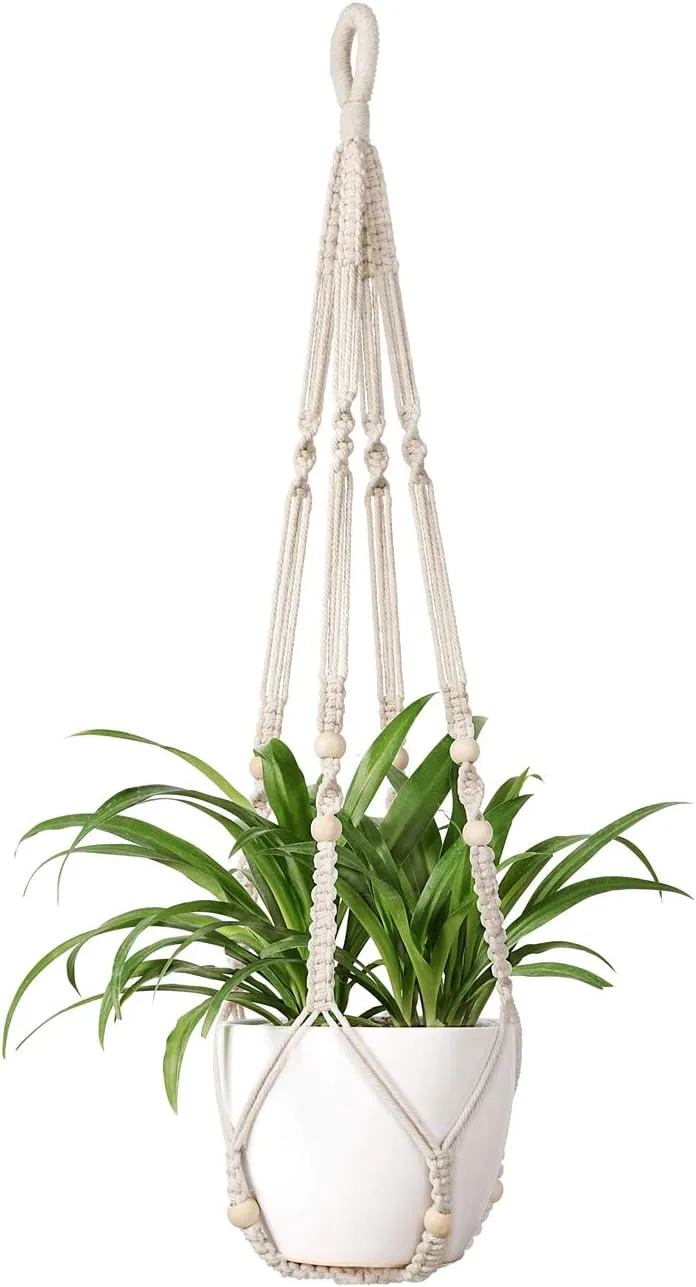
Give the leaves and plantlets room to fall naturally
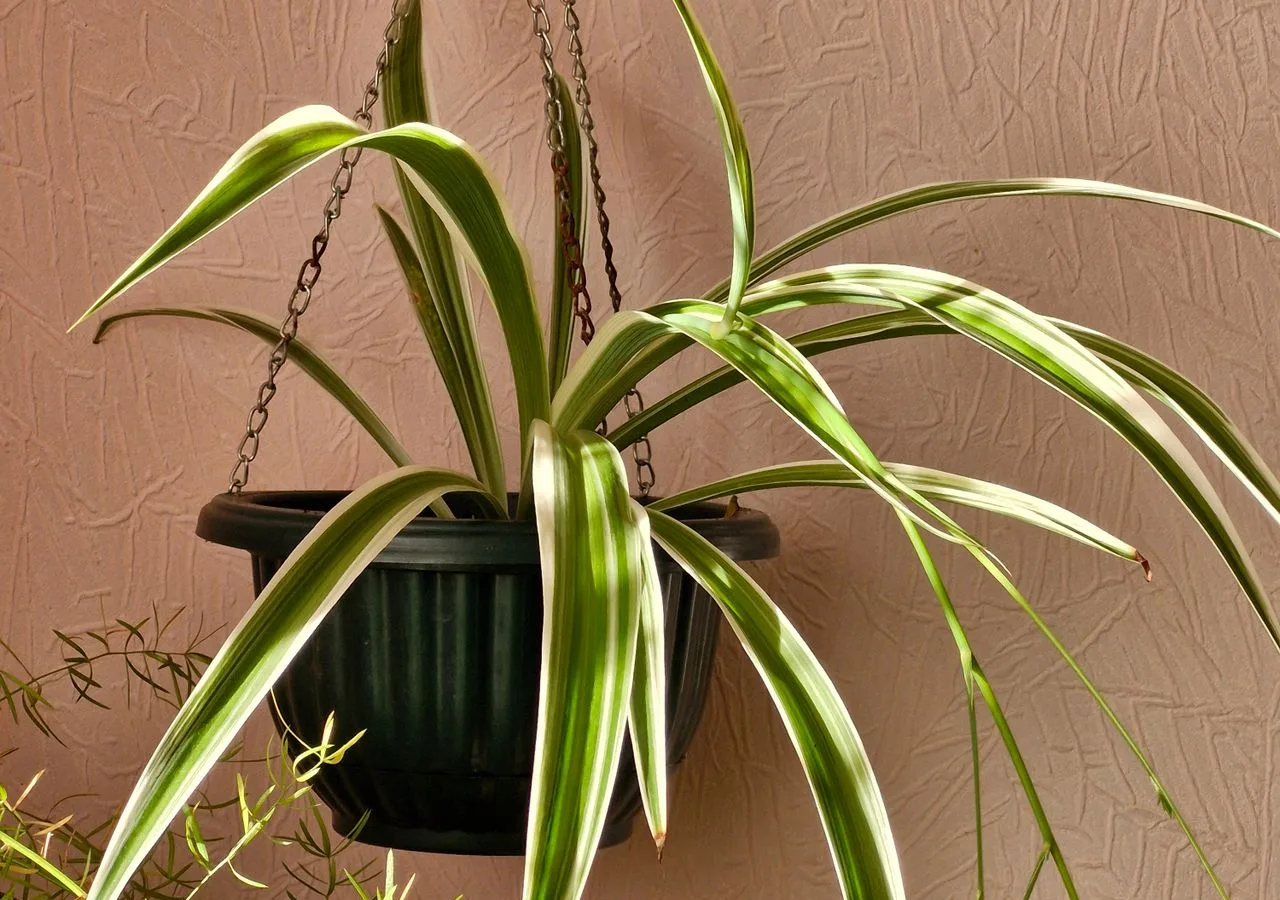
Spider plant is one of those houseplants that often looks better above floor level. Its arching leaves and long stems with small plantlets need room to hang freely instead of resting against furniture or getting crowded on a windowsill.
The Mkono macrame plant hanger is designed to hold a separate plant pot, so you can keep the spider plant in a container with proper drainage while still displaying it higher in the room. It works especially well near a bright window where the foliage has space to spread.
Fertilizing and repotting
During active growth, spider plant can be fertilized moderately, especially when it is producing healthy new leaves. Frequent feeding is unnecessary. More fertilizer does not automatically mean a healthier plant.
When light levels are lower and the plant is barely growing, there is usually little reason to fertilize heavily. Feeding does not replace adequate light and will not correct overwatering.
Repotting is easiest while the plant is entering active growth. Spider plants develop strong roots and can eventually fill the container, so repot when the pot has genuinely become crowded or the potting mix is badly compacted.
Common problems
Yellow leaves
Check the soil first. Yellowing often comes from overwatering, cold wet soil, or a sudden change in growing conditions.
Pale or weak growth
The plant may not be receiving enough light. Move it closer to a window while keeping it out of harsh direct sun.
Brown leaf tips
Possible causes include dry air, inconsistent watering, mineral buildup, or too much fertilizer.
Soft leaves or rot
This is a warning sign of wet soil and poor drainage. Stop watering, inspect the roots if necessary, and allow the potting mix to dry appropriately.
How to propagate a spider plant
Spider plant is extremely easy to propagate from the small plantlets that form on long stems. Once a plantlet is developed enough, it can be separated and rooted in water or planted directly into a light potting mix.
Small clear nursery pots with drainage are useful for newly rooted plantlets because they make it easier to keep each small plant separate while still allowing excess water to escape.
You can also leave the plantlet attached to the mother plant for a while and place it into a separate small pot until it develops its own roots. That is the easier option when there is no reason to rush.
Very small, weak plantlets are better left attached for longer. Once they are stronger, they usually establish much more easily after separation.
Who is spider plant best for?
Spider plant works well in a kitchen, kids' room, on a shelf, in a hanging planter, or in a bright corner. It is especially good for anyone who wants an easy plant with plenty of movement and visible growth.
It is less suited to a genuinely dark corner or a container where water remains trapped for long periods. Good light, moderate watering, and straightforward care are usually all it needs.