
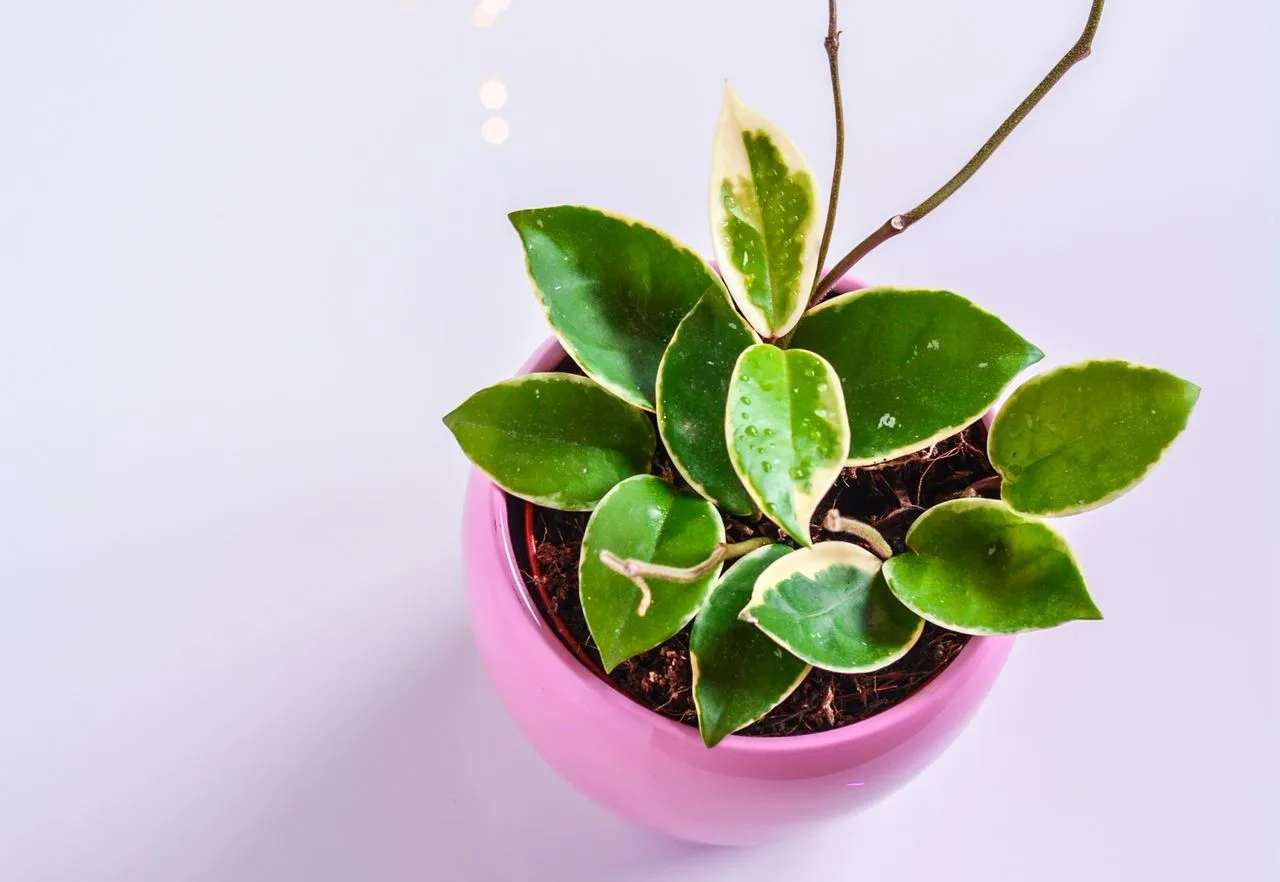
Hoya is one of those houseplants that looks calm but definitely has opinions. Its leaves are thick and waxy, growth is relatively slow, and flowering usually comes when the plant gets enough light and we stop fussing with it constantly.
It does not appreciate heavy wet soil, an oversized pot, or frequent moving. Treat it like an ordinary leafy houseplant and water it “just in case,” and hoya will eventually make it clear that this arrangement is not working.
This is realistic indoor care - a bright window, hanging pot, central heating, air conditioning, changing light through the year, and someone who wants a beautiful plant without adding another daily chore.
This article is part of our guide to houseplants by light level.
With hoya, good light, drainage, and moderate watering matter most. It likes a little peace and does not bloom on command.
Hoya at a glance
| Botanical name | Hoya |
|---|---|
| Light | Bright indirect light |
| Watering | Moderate to infrequent, after the potting mix has partially dried |
| Humidity | Average to moderately higher household humidity |
| Difficulty | Easy to moderate |
| Best location | Hanging pot, bright window, or a well-lit shelf |
| Important | Generally considered low risk, but it is still not a plant to eat. Keep it away from children or pets that habitually chew plants. |
Where to place a hoya
Hoya does best in bright indirect light. A bright window is ideal, but harsh midday sun can stress the foliage, especially if the plant has not been gradually acclimated to stronger light.
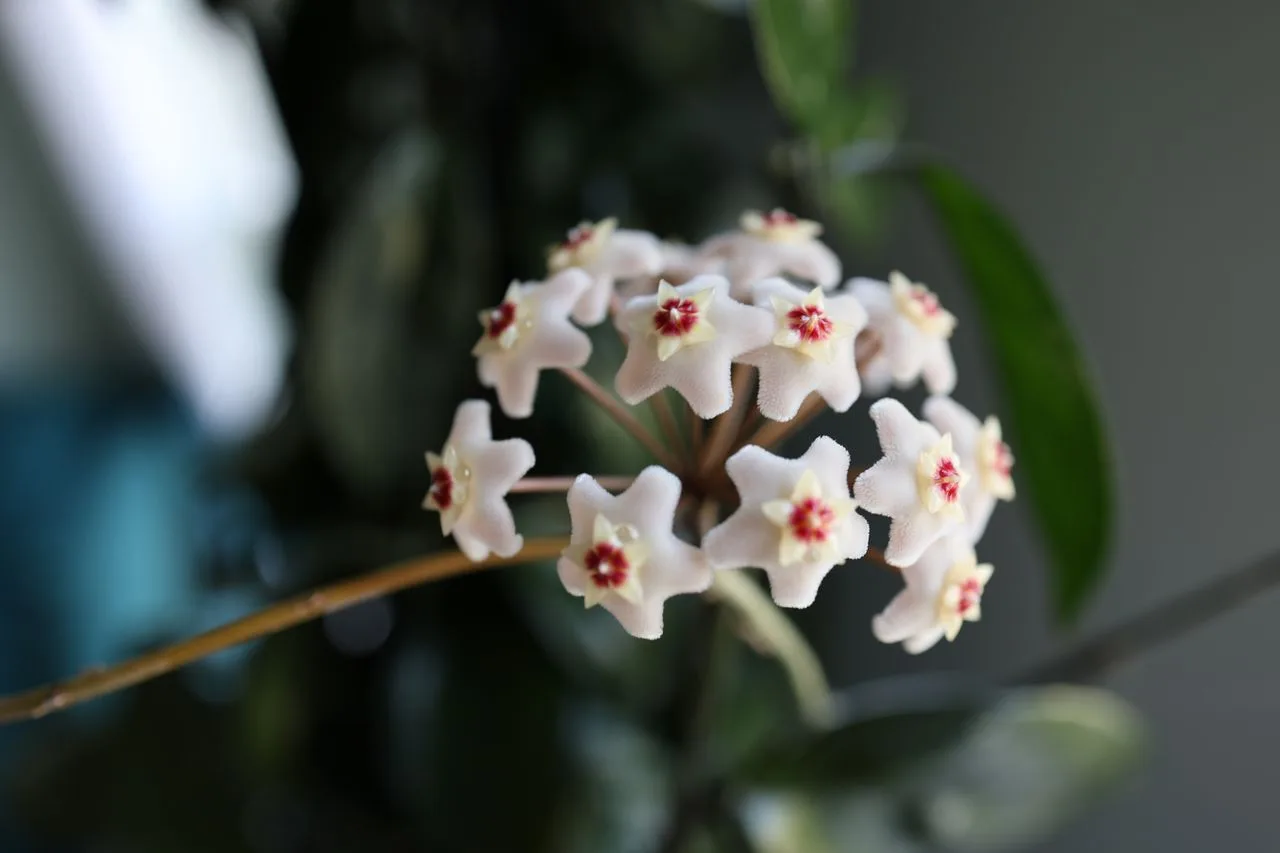
Light becomes particularly important when you want flowers. A hoya may survive in a darker corner, but it will usually grow more slowly and may refuse to bloom there.
Be careful with cold windows, frequently opened doors, radiators, and air-conditioning vents. Cold wet soil, very dry air, and a draft all in the same location are not exactly the kind of excitement hoya is looking for.
How to water hoya
Water according to the potting mix rather than the calendar. Hoya's thick leaves store moisture, so the plant usually handles a short dry period better than a root zone that remains waterlogged.
When light is stronger and growth is active, the plant may use water more quickly. When light levels drop and growth slows, watering should become less frequent. If the pot still feels heavy and the mix is damp, wait.
Soft leaves can mean the plant is thirsty, but they can also appear when damaged roots are no longer taking up water properly. Check the soil and root conditions before automatically reaching for the watering can.
Practical note: hoya likes stability. Avoid unnecessary repotting and moving, particularly once the plant has begun producing flower spurs.
Soil and pot
Hoya needs a light, airy potting mix. A regular indoor mix can be improved with perlite and chunky bark to create more air space around the roots. A chunky orchid bark mix is one useful component when you want to loosen a denser houseplant mix rather than growing hoya in compact soil that stays wet for days.
The pot should have a drainage hole. A decorative cachepot is perfectly fine as long as you check after watering and do not leave water sitting around the inner container.
Do not rush into a large pot. Hoyas often do perfectly well in relatively snug containers. An oversized pot simply leaves more damp mix around the roots and rarely gives the plant anything useful in return.
Humidity and temperature
Hoya is comfortable in average to moderately higher household humidity. There is no need to automatically buy a humidifier, especially if the plant is otherwise healthy.
Stable temperatures matter more. Keep the plant away from cold drafts and from a radiator or air-conditioning vent that continually blows directly across the foliage.
This post may contain affiliate links. As an Amazon Associate, I earn from qualifying purchases.
Give the vines somewhere to go
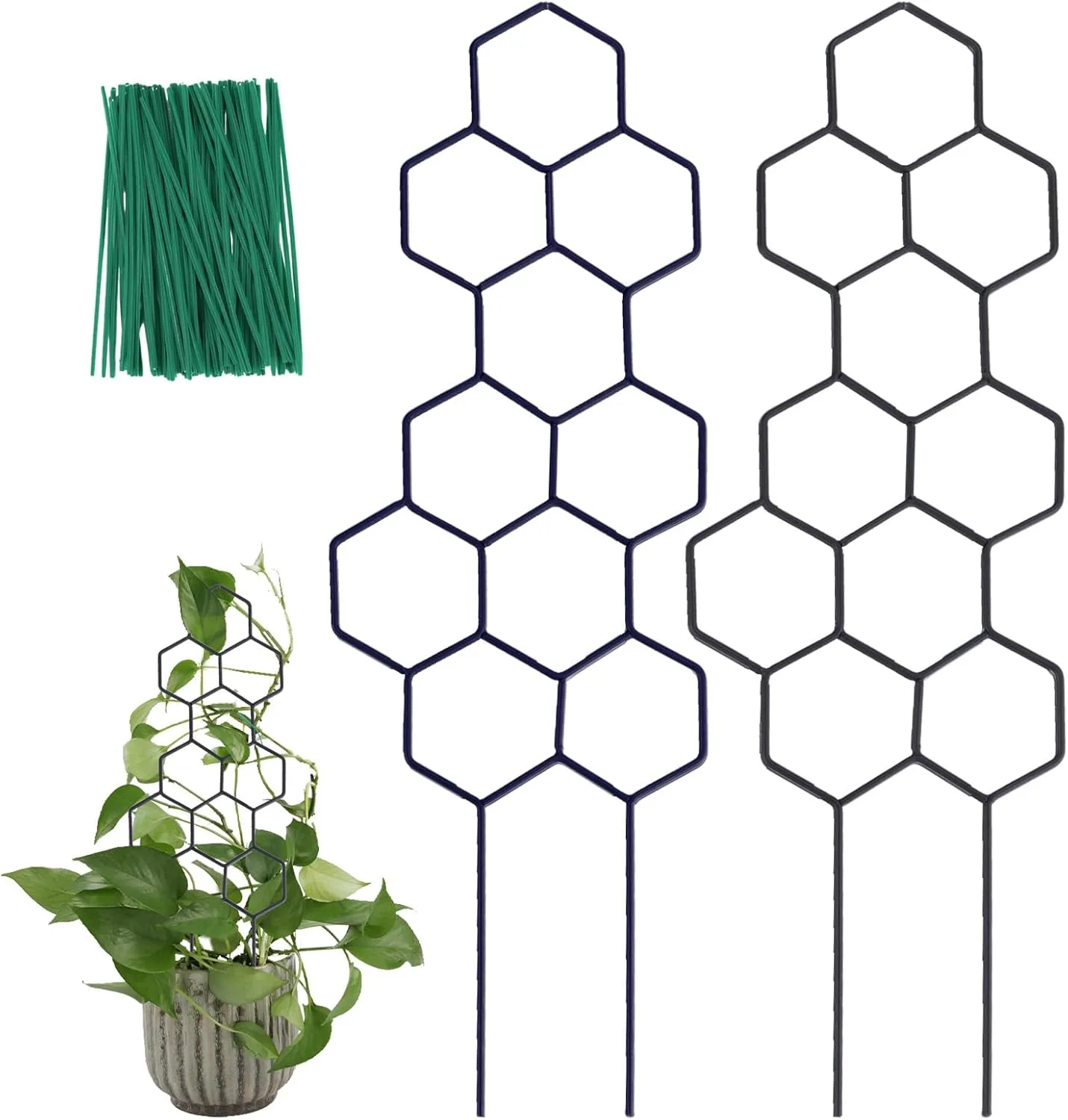
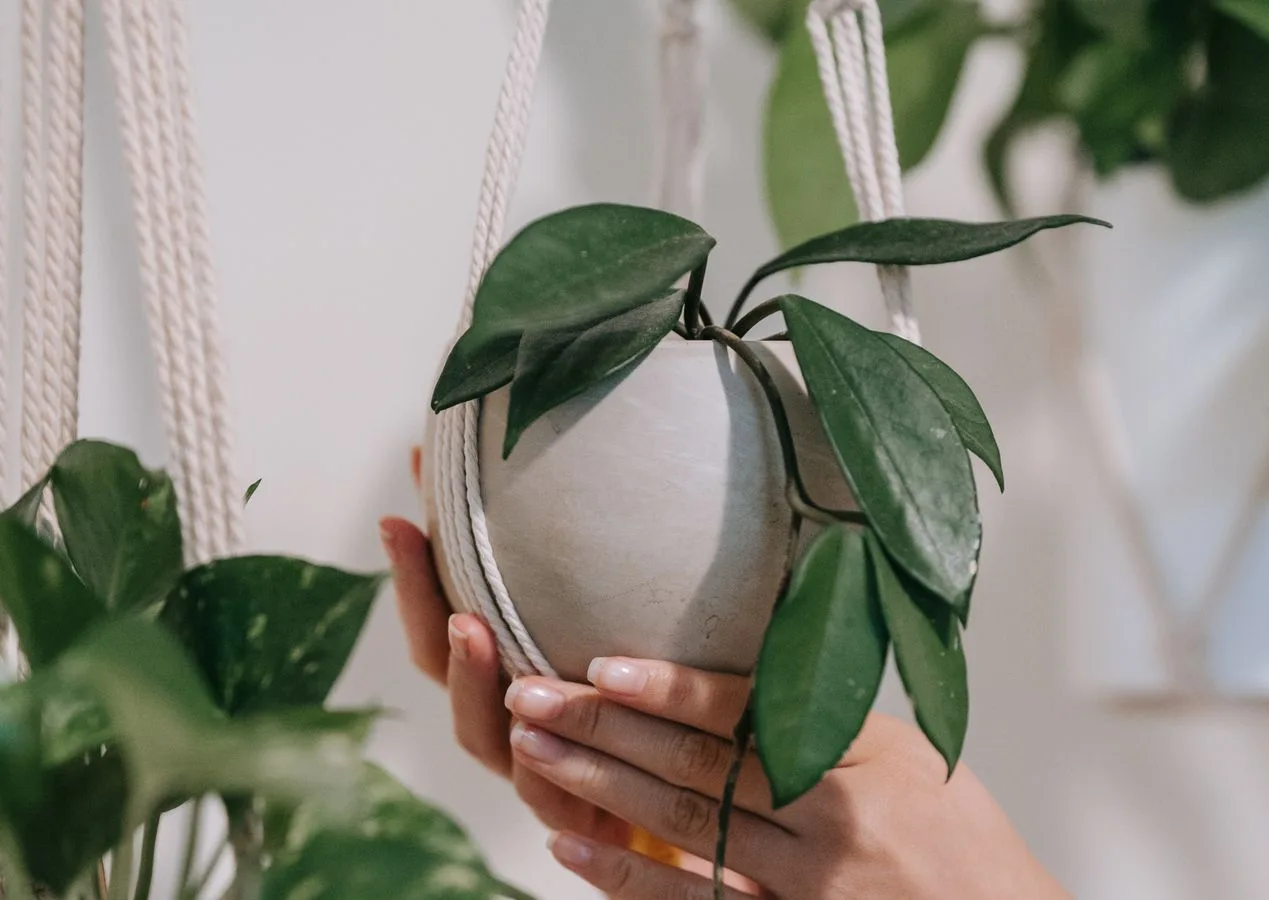
Hoya can trail from a hanging pot, but many varieties are equally happy being trained around a compact support. A small trellis keeps long vines from wandering across shelves and gives the plant a more deliberate shape without turning it into a major installation.
The WellSign metal trellis is sized for potted houseplants and works especially well for hoya, ivy, and other compact climbers. The honeycomb shape gives the stems several places to weave through as they grow.
Fertilizing and repotting
During active growth, hoya can be fertilized moderately, especially when it is producing healthy new leaves and vines. Frequent feeding is unnecessary, and more fertilizer does not automatically mean more flowers.
When light levels are lower and growth has slowed substantially, there is usually little reason to keep feeding heavily. Fertilizer cannot replace adequate light and will not fix overwatering.
Repotting is best done when the plant genuinely needs it. Hoya does not need a new pot every year. Repot when the container has become truly restrictive, the potting mix has deteriorated, or there is a root problem.
Common problems
Yellow leaves
Check the potting mix first. Yellowing often points to overwatering, cold wet soil, or a sudden change in conditions.
No flowers
Too little light is a common reason. An oversized pot or frequent moving can also work against you. Give the plant a bright, stable location and some time.
Soft or wrinkled leaves
The plant may be dry, but damaged roots after overwatering can produce similar symptoms. Check the potting mix and roots before deciding what it needs.
Soft stems or roots
This points to wet conditions and poor drainage. Stop watering, inspect the roots if necessary, and allow the potting mix to dry appropriately.
How to propagate hoya
Hoya is most easily propagated from stem cuttings. A cutting should include at least one node, because that is where new roots can develop.
Cuttings can be rooted in water or directly in a light potting mix. Propagation is easiest when the plant is actively growing and receiving plenty of indirect light.
I would not take several cuttings from a weak hoya unless the goal is to save healthy sections. Stabilize the growing conditions first; cut later.
Who is hoya best for?
Hoya works well near a bright window, on a well-lit shelf, in a hanging planter, or trained around a small trellis. It is a good choice for anyone who likes thick waxy leaves, slower growth, and the possibility of beautifully fragrant flowers.
It is less suited to a dark corner or to someone who enjoys repotting and rearranging plants constantly. With hoya, light, drainage, and a little patience usually matter more than constant intervention.